Best Solar Panels for Hot Climates
Living in a hot climate can be absolutely brutal on your energy bill, with the AC running seemingly non-stop. It makes you wonder if solar panels are even worth it, especially when you hear concerns about performance dropping in extreme heat. This comprehensive guide will tackle those worries head-on, showing you how modern solar technology is specifically designed to thrive in high temperatures and help you choose the best panels for your sun-drenched home.
Why Hot Climates Are a Challenge for Solar Panels
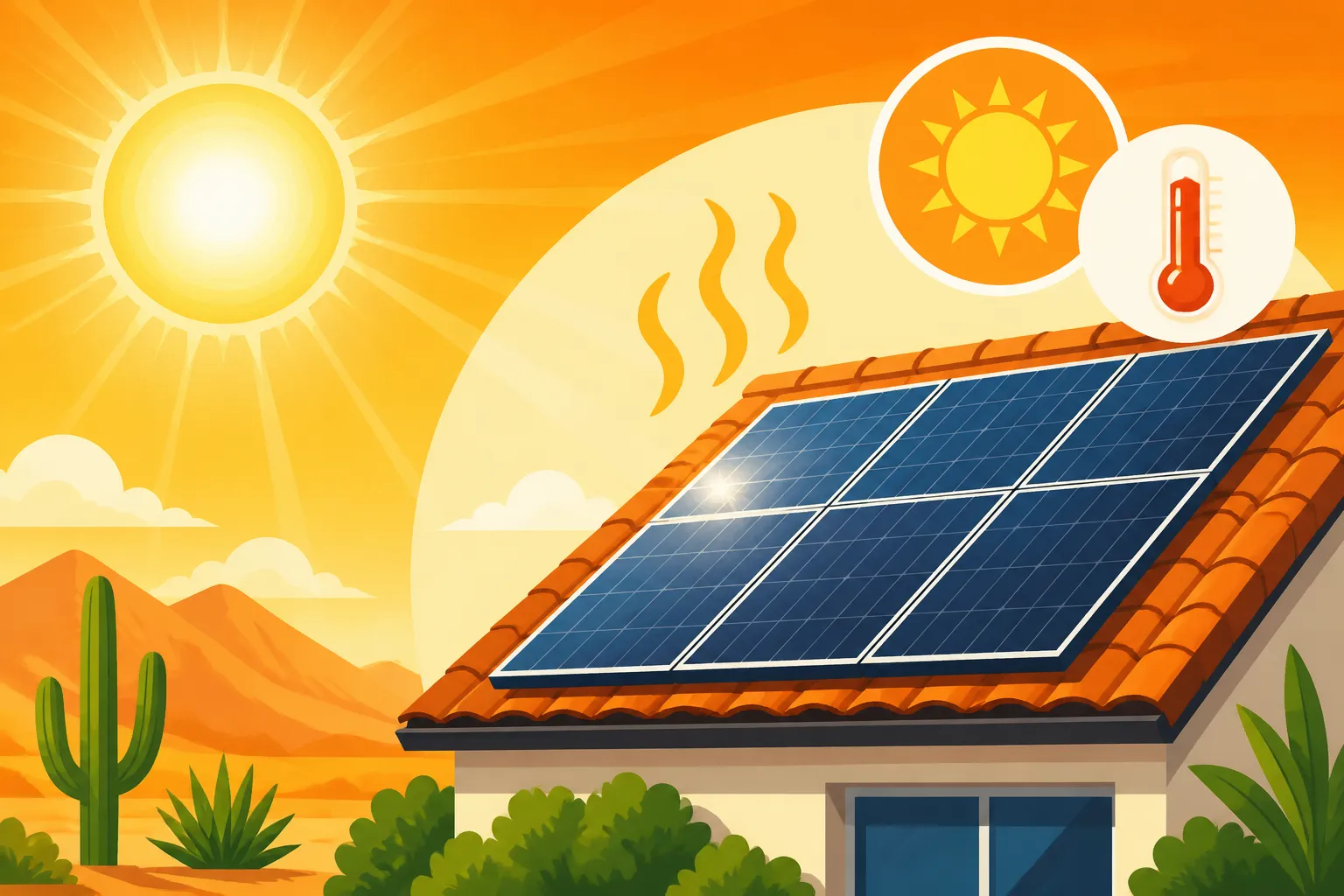
It’s a common misconception that more sun always equals more power for solar panels. While sunlight is certainly crucial, the temperature of the panels themselves plays a huge role in how efficiently they convert that sunlight into electricity. If you've ever felt the scorching heat radiating off a dark roof in places like Phoenix, Arizona, or Las Vegas, Nevada, you can imagine what those panels are up against. This isn't just a minor issue; it's a fundamental aspect of solar panel physics that needs to be addressed for optimal performance and long-term savings.
Understanding Temperature Coefficients and Performance
This is where the science gets a little bit geeky, but it's super important for homeowners in hot climates. Every solar panel has something called a "temperature coefficient," usually expressed as a negative percentage per degree Celsius. What this number tells you is how much the panel's power output will decrease for every degree Celsius that its temperature rises above 25°C (77°F). Think of 25°C as the ideal testing condition.
For example, a panel might have a temperature coefficient of -0.35% per °C. If the panel's operating temperature hits 55°C (which is quite common on a hot roof, even if the ambient air temp is lower), that's a 30°C increase above the standard test condition. In this scenario, the panel's power output would drop by roughly 30 * 0.35% = 10.5%. While 10.5% might not sound like a huge number, over a full day, or an entire summer in places like Southern California or Texas, those small percentage losses add up to significant reductions in your overall energy production and, ultimately, your savings. This is why paying close attention to this specification is non-negotiable for anyone considering solar in scorching regions.
The Impact of Heat on Panel Lifespan and Degradation
Beyond just daily performance dips, sustained high temperatures can actually accelerate the degradation rate of your solar panels over their lifetime. All solar panels degrade naturally over time, meaning their power output slowly decreases year after year. Most reputable manufacturers offer a performance warranty that guarantees a certain percentage of original output after 25 years, typically around 80-85%. However, excessive heat can push panels to degrade faster than this projected rate.
Think of it like any electronic device: constantly operating under extreme stress or heat will shorten its useful life. The materials within the solar panel – the silicon cells, the encapsulant that protects them, and the backsheet – are all subjected to thermal stress. This can lead to issues like delamination (where layers separate), micro-cracks in the cells, or yellowing of the encapsulant, all of which reduce efficiency and durability. Choosing panels specifically designed to resist these effects means your system will not only perform better on hot days but will also likely last longer and maintain its output closer to its original specifications, truly maximizing your Solar ROI & 25-Year Savings Breakdown. It's a critical factor when assessing How Long Do Solar Panels Last?
Key Features of Heat-Resistant Solar Panels
So, what makes a solar panel better equipped to handle the relentless summer sun? It's not just about slapping a "heat-resistant" label on a box. True resilience comes from thoughtful engineering, advanced material science, and innovative cell designs. When you're looking at solar panels for a hot climate, you need to understand the underlying technologies that make a real difference in performance and longevity.
Advanced Cell Technologies for Better Heat Tolerance
Modern solar panels aren't just one type of technology anymore. Manufacturers are constantly innovating to improve efficiency and durability, especially under challenging conditions like high heat. For hot climates, two cell technologies stand out:
- N-Type TOPCon (Tunnel Oxide Passivated Contact): This is a rapidly emerging N-type cell technology that is quickly becoming a favorite for its high efficiency and excellent performance, particularly in hot temperatures. N-type cells generally suffer less from light-induced degradation (LID) and potential-induced degradation (PID) compared to traditional P-type cells, which contributes to better long-term stability. TOPCon cells achieve lower temperature coefficients, meaning they lose less power as temperatures climb. For homeowners in scorching states like Arizona or Nevada, this translates directly into more kilowatt-hours generated on those 100-degree days. Brands like Jinko Solar and Qcells are heavily invested in TOPCon technology.
- HJT (Heterojunction Technology): HJT cells combine the best aspects of monocrystalline silicon with amorphous thin-film layers. This hybrid approach results in incredibly high efficiency and a significantly lower temperature coefficient than conventional cells. Because they handle heat so well, HJT panels maintain a higher power output when things really heat up. They also tend to have excellent bifacial properties, meaning they can capture light from both sides, which can be an advantage in certain installations. While they can be a bit more expensive upfront, the superior performance and durability in hot environments can justify the investment for many. Panasonic is a notable player in HJT technology.
Understanding these Solar Panel Technology: TOPCon, HJT & PERC distinctions can help you make a more informed decision, moving beyond just the advertised wattage to how that wattage actually performs when your roof is baking.
Superior Module Construction and Materials
It's not just the cells inside; the entire construction of the solar panel plays a vital role in its ability to withstand heat and time. Think about the components that make up a panel:
- Encapsulant: The material that seals the solar cells is crucial. Traditional EVA (ethylene vinyl acetate) can yellow and degrade over time with sustained heat and UV exposure, reducing light transmission and thus efficiency. Advanced encapsulants, often proprietary blends, offer better UV stability and heat resistance, preventing this "browning" and ensuring optimal performance throughout the panel's life.
- Backsheet: This is the rear protective layer of the panel. Higher quality backsheets, often made from multi-layered fluoropolymer composites, provide superior thermal performance, moisture barrier properties, and UV resistance. A cheap backsheet can become brittle, crack, and allow moisture ingress, leading to catastrophic panel failure, especially in climates with extreme temperature swings.
- Frame and Glass: While seemingly minor, the quality of the aluminum frame and the tempered glass (which is often anti-reflective and self-cleaning) also contributes to overall durability. Robust frames ensure the panel can withstand thermal expansion and contraction without compromising structural integrity, preventing stress on the cells within. The thickness and quality of the glass protect the cells from environmental factors and aid in heat dissipation.
When you invest in panels with superior construction, you're not just buying kilowatt-hours; you're buying peace of mind that your investment will endure the harsh conditions of a hot climate. This attention to detail in materials and manufacturing is a hallmark of the Best Solar Panels of 2026.
Top Solar Panel Brands Excelling in Hot Weather
When you're dealing with the intense sun and heat of places like Arizona, Florida, or the Central Valley of California, not all solar panels are created equal. You need brands that have specifically engineered their products for these demanding conditions. Let's dive into some of the top contenders that have proven their mettle when the mercury rises.
REC Solar Panels: Durability and Low Temperature Coefficients
REC Solar, a Norwegian company with strong manufacturing in Singapore, has long been a favorite in the solar industry for its high-quality, reliable panels. They are particularly well-regarded for their performance in varied climates, including hot ones. Their Alpha series, for instance, utilizes advanced N-type heterojunction cell technology, which is inherently more resistant to high temperatures.
One of REC's standout features is its consistently low temperature coefficients. Many of their panels boast coefficients in the range of -0.26% to -0.28% per degree Celsius. This is significantly better than the industry average of -0.35% to -0.40%, meaning when your roof hits those high temperatures, your REC panels will lose less power compared to many competitors. This translates into more energy production throughout the long, hot summers. Their TwinPeak and Alpha Pure-R series are often cited by installers for their robust construction and excellent performance under thermal stress. You can dive deeper into what makes them a strong choice in our REC Solar Panel Review.
Maxeon (formerly SunPower) Panels: High Efficiency in Heat
Maxeon Solar Technologies, born from the legacy of SunPower, has a reputation for producing some of the most efficient and durable solar panels on the market. Their panels consistently rank high in independent tests for real-world performance, especially in challenging environments. Maxeon's proprietary "back-contact" cell technology eliminates grid lines on the front of the cell, allowing more sunlight absorption and reducing internal resistance, which ultimately leads to higher efficiency.
More importantly for hot climates, Maxeon panels are engineered with a solid copper foundation, which makes them incredibly resistant to cracking and corrosion, common issues that can be exacerbated by extreme heat. This unique design also contributes to their very low degradation rates and excellent temperature coefficients, often around -0.29% per °C. While they might come with a higher upfront cost, their superior efficiency and remarkable durability, backed by an impressive 40-year warranty, often lead to a faster Solar Panel Payback Period Explained and greater long-term savings in hot, high-sun regions. Check out our detailed Maxeon Solar Panel Review for more info.
Qcells Panels: Robust Performance and Value
Qcells, a South Korean manufacturer with a strong global presence, including manufacturing facilities in the United States, offers a fantastic balance of performance, durability, and value. Their Q.PEAK DUO series, for instance, uses half-cut cells and multi-busbar technology, which are design choices that help mitigate the effects of shading and heat.
What makes Qcells a strong contender for hot climates is their commitment to rigorous testing and robust module construction. They often exceed standard industry tests for heat, humidity, and mechanical stress. Their temperature coefficients are competitive, typically in the -0.34% to -0.36% per °C range, which, while not as low as REC or Maxeon, is still very good for their price point. For homeowners looking for reliable performance without breaking the bank, Qcells panels offer a compelling proposition. Their American-made options also appeal to many consumers. You can learn more in our Qcells Solar Panel Review.
Jinko Solar Panels: Global Reach and Diverse Options
Jinko Solar is one of the largest solar panel manufacturers globally, known for its extensive range of products and continuous innovation. They've been at the forefront of adopting new technologies like N-type TOPCon cells, which we discussed earlier, making their newer panel lines very suitable for hot environments.
Jinko's N-type Tiger Neo series, for example, boasts impressive efficiencies and excellent temperature coefficients, often as low as -0.29% per °C. Their massive scale allows them to offer competitive pricing without sacrificing quality, making high-performance, heat-tolerant solar more accessible. If you're shopping for solar panels on platforms where you can compare many different brands, like perhaps even commercial wholesale sites on Amazon, you might see Jinko Solar prominently featured due to their market dominance. Their diverse product range means you can often find a Jinko panel that perfectly fits your specific needs and budget, even in the most challenging climates. Explore more details in our Jinko Solar Panel Review.
Here's a quick comparison of some leading panels for hot climates:
| Brand/Series | Cell Technology | Typical Efficiency Range | Temperature Coefficient (%/°C) | Key Benefit for Hot Climates | Warranty (Product/Performance) |
|---|---|---|---|---|---|
| Maxeon (SunPower) | Back-Contact (IBC) | 22.0% – 24.1% | -0.29% | Highest efficiency, extreme durability, copper foundation. | 40 Years / 40 Years |
| REC Alpha Pure-R | N-Type HJT | 21.9% – 22.3% | -0.26% | Excellent low temp coefficient, lead-free, robust. | 25 Years / 25 Years |
| Qcells Q.PEAK DUO | P-Type PERC Half-Cut | 20.8% – 21.7% | -0.34% | Good value, proven durability, reliable performance. | 25 Years / 25 Years |
| Jinko Tiger Neo | N-Type TOPCon | 22.0% – 23.2% | -0.29% | High power, excellent low temp coefficient, cost-effective. | 15-30 Years / 30 Years |
| Panasonic EverVolt | N-Type HJT | 21.6% – 22.2% | -0.26% | Very low temp coefficient, minimal degradation, strong warranty. | 25 Years / 25 Years |
Note: Efficiency and temperature coefficient values can vary slightly by specific model within each series.
How to Maximize Solar Panel Performance in Hot Climates
Choosing the right solar panels is a huge step, but it's only part of the equation when living in a hot climate. Even the most advanced, heat-tolerant panels can underperform if the entire system isn't designed and installed with your specific environmental challenges in mind. Maximizing your solar investment means paying attention to every detail, from how the panels are mounted to the technology managing their power output.
Optimizing Installation and Ventilation
How your solar panels are installed on your roof can dramatically impact their operating temperature and, consequently, their efficiency. It's not just about getting them up there; it's about giving them room to breathe.
- Mounting Height: Panels mounted directly flush with your roof might look sleek, but they often trap heat between the panel and the roof surface. A slight air gap underneath the panels allows for natural convection, letting hot air escape and cooler air circulate. Most reputable mounting systems are designed to provide this space, typically 4-6 inches. In extremely hot areas like Palm Springs, California, an installer might even suggest slightly higher standoffs to promote better airflow, though this must be balanced with aesthetics and wind load considerations.
- Roof Type and Color: The color and material of your roof can influence the ambient temperature around your panels. A dark asphalt shingle roof will absorb and radiate more heat than a light-colored, reflective metal or tile roof. While you're probably not replacing your roof just for solar, it's a factor your installer should consider. If your roof is particularly dark, ensuring excellent ventilation becomes even more critical.
- Tilt and Orientation: While a south-facing roof is generally ideal for maximum sun exposure, in some intensely hot regions, a slight tilt towards the east or west might be considered to shift peak production away from the absolute hottest part of the day, when efficiency losses are highest. However, this is a nuanced decision best made with a professional installer who can model your specific energy usage and sun path. Proper Roof Considerations for Solar Panels are key.
An experienced local installer in places like Miami, Florida, or Austin, Texas, will understand these nuances and design a system that optimizes for heat management, not just peak sunlight hours.
The Role of Inverters and Monitoring Systems
The inverter is the brain of your solar system, converting the DC electricity from your panels into AC electricity your home can use. In hot climates, the type and placement of your inverter system are paramount.
- Microinverters vs. String Inverters with Optimizers:
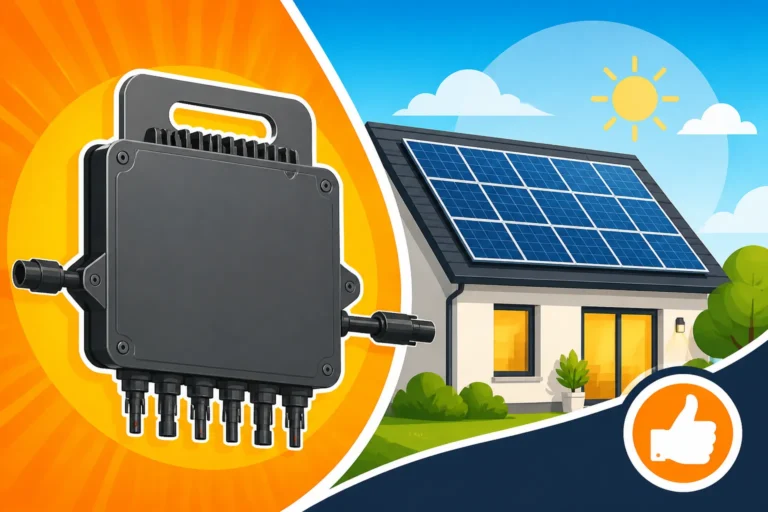
- Microinverters (like those from Enphase Energy): These are installed under each individual solar panel. They convert DC to AC at the panel level. A major advantage in hot climates is that they allow each panel to operate independently. If one panel gets hotter or is partially shaded, it doesn't drag down the performance of the entire string. They are also highly durable and designed to withstand the harsh conditions on the roof, often boasting impressive temperature ratings.
- String Inverters (like those from SolarEdge Technologies with power optimizers): A single string inverter usually sits on the side of your house or in your garage. Power optimizers are then installed on each panel. These optimizers condition the DC power and send it to the string inverter. This setup also allows for panel-level optimization, mitigating the impact of heat on individual panels. String inverters themselves, being larger electronic components, benefit from being installed in a cooler, shaded area to prevent thermal derating.
The debate of Enphase vs SolarEdge: Which Inverter Is Better? often comes down to individual system design and preference, but both offer significant advantages over traditional string inverters (without optimizers) in hot or partially shaded conditions. These advanced inverter technologies ensure that even if some panels are operating at reduced efficiency due to heat, the rest of your system can continue producing optimally. This really highlights why understanding Solar Inverters: String vs Microinverter vs Optimizer is so important for system efficiency.
Considering Local Factors and Installer Expertise
When you're making a significant investment like solar for your home, especially in climates where extreme heat can impact performance, who you work with matters just as much as what equipment you choose. Local knowledge and a reputable, experienced installer can be the difference between a system that delivers consistent savings and one that leaves you frustrated.
The Importance of a Local, Experienced Installer
Finding the right solar installer is crucial. A national company might offer attractive deals, but a local installer, deeply familiar with your specific region, brings invaluable expertise to the table. They understand:
- Local Climate Nuances: An installer in Sacramento, California, knows that summers bring weeks of triple-digit temperatures and smoky skies from wildfires. An installer in Orlando, Florida, is acutely aware of high humidity and hurricane-force winds. This local knowledge directly influences their recommendations for panel types, mounting systems, and even wiring choices to withstand specific environmental stressors. They’re less likely to overlook things like optimal panel ventilation, which is vital in hot climates.
- Permitting and Interconnection: Every city and utility has its own rules and regulations for solar. A local installer will have established relationships with your utility company (like Arizona Public Service or Florida Power & Light) and the local building department. They'll know the ins and outs of the Solar Permitting & Interconnection (PTO) Explained process, ensuring your project moves smoothly and avoids costly delays. This familiarity is something a national sales rep often lacks.
- Reputation and Service: When you choose a local company, their reputation in the community is everything. They rely on word-of-mouth and local reviews. This often translates to better customer service, more accessible support for maintenance, and a genuine commitment to ensuring your satisfaction for the long haul. It's easier to find reviews and talk to neighbors who have used them. When looking for "the one," ask your friends and check reviews online, even on platforms like Amazon for general contractor reviews, but specifically for solar installers, look at dedicated solar review sites.
Taking the time to research and choose a local, experienced installer is one of the best investments you can make for your solar project. Learn how to navigate this process effectively with our guide on How to Choose a Solar Installer.
State-Specific Considerations and Incentives in Hot Regions
While the federal solar tax credit (the Investment Tax Credit, or ITC) is a significant incentive nationwide, many states and even local municipalities offer additional programs that can make solar even more financially attractive, particularly in sun-drenched areas. These incentives often adapt to local energy demands and environmental goals.
- Net Metering Policies: In hot states where AC usage can lead to high electricity bills, strong net metering policies are crucial. Net metering allows you to send excess solar energy back to the grid for credits, which can then offset your consumption when your panels aren't producing (like at night or on extremely hot, less efficient days). However, these policies are constantly evolving. For instance, California's NEM 3.0 has significantly altered the value of exported solar, making batteries more crucial. Conversely, states like New Hampshire or Maryland still offer quite favorable net metering. Understanding Net Metering Explained: How It Works by State is vital.
- State-Specific Rebates and Tax Credits: Beyond net metering, states like New York with its NY-Sun program, or Massachusetts with its SMART program, offer specific incentives that can drastically reduce upfront costs. Even states not traditionally known for solar, like Georgia or South Carolina, may have smaller utility rebates or local property tax exemptions. These can significantly impact your Solar Panel Cost by State.
- Solar Property Tax Exemptions: Many states, including California, Texas, and Florida, offer property tax exemptions for solar installations. This means that while adding solar increases your home's value, it won't increase your property taxes. This is a huge financial perk, especially in areas with rapidly appreciating home values. It's worth investigating Solar Property Tax Exemptions by State to see how much you could save.
A knowledgeable local installer will be well-versed in all these State Solar Incentives: Complete 2026 Guide and can help you maximize every available program to make your solar project as cost-effective as possible.
Making the Right Investment: Long-Term Value in Heat
Deciding to go solar is a big financial and environmental decision. When you live in a hot climate, that decision takes on an extra layer of complexity. You’re not just buying solar panels; you’re investing in a system that needs to perform reliably under challenging conditions for decades. Understanding the long-term value means looking beyond the initial price tag to factors like warranties, degradation rates, and overall system resilience.
Evaluating Warranties and Long-Term Performance Guarantees
Solar panel warranties are a critical aspect of your investment, especially in hot climates where components face increased stress. There are typically two main types of warranties:
- Product Warranty (or Materials/Workmanship Warranty): This covers defects in manufacturing, materials, or workmanship. It guarantees that the physical panel itself will function as intended. For panels designed for hot climates, you want to see a strong product warranty, ideally 12-25 years. Maxeon, for example, offers an industry-leading 40-year product warranty, reflecting their confidence in their panel's durability. A longer product warranty signals that the manufacturer stands behind the integrity of their construction, which is paramount when dealing with intense heat and UV exposure.
- Performance Warranty (or Power Output Warranty): This guarantees that your panels will produce a certain percentage of their original power output after a specified number of years, usually 25. For example, a common performance warranty might guarantee 90% of original output after 10 years and 80% after 25 years. However, premium panels for hot climates often offer better performance warranties, promising 85-92% retention after 25 years, or even longer, like Maxeon's 40-year guarantee of 88.2% output. This superior guarantee is crucial because a panel with a lower temperature coefficient and better materials will degrade slower, meaning it will produce more energy over its lifetime. This directly impacts your long-term savings.
Always read the fine print of the Solar Panel Warranties Explained and choose panels from manufacturers with a strong track record and robust guarantees, especially if you're in a region where heat can be a constant challenge.
Balancing Cost, Efficiency, and Heat Resilience
It's tempting to go for the cheapest option or the panel with the highest advertised wattage. However, for hot climates, a balanced approach is far more beneficial.
- The "Sweet Spot" for Efficiency: While ultra-high efficiency panels are great, they often come at a premium. What's more important in a hot climate is how well that efficiency is maintained under real-world, high-temperature conditions. A panel with 22% efficiency and a -0.26% temperature coefficient might actually outperform a 23% efficiency panel with a -0.38% temperature coefficient on a scorching day. Focus on panels that combine high efficiency with excellent temperature coefficients. The most efficient panel isn't always the best value if it derates significantly in heat.
- Considering Total System Cost: Remember that How Much Do Solar Panels Cost? 2026 Guide includes not just the panels, but also inverters, mounting hardware, labor, permitting, and possibly batteries. Investing a bit more in high-quality, heat-resilient panels can lead to greater overall savings over the system's lifetime by maximizing production and minimizing the need for early replacements or extensive maintenance. It's about optimizing the entire system, not just one component. For example, if you're trying to compare options, even simple solar cleaning kits or accessories can be found on Amazon, which can give you an idea of related costs, but for the panels themselves, you're looking at specialized suppliers.
- Long-Term Savings vs. Upfront Investment: In the long run, paying a little more for panels that reliably perform in heat will usually yield a better return on investment. The consistent, higher energy production from heat-tolerant panels will offset your electricity bills more effectively and for a longer period, making your solar investment truly worthwhile. Don't be afraid to ask your installer for a detailed breakdown of estimated annual production and how temperature affects those numbers based on the panels they recommend. This proactive approach will help you understand the true value of heat-resistant solar for your home.
Disclaimer
The information provided in this article is for general informational purposes only and does not constitute professional advice. Solar system performance, costs, incentives, and regulations can vary significantly based on location, specific circumstances, and changes in policy. Always consult with qualified solar professionals and financial advisors for personalized recommendations and up-to-date information relevant to your specific situation.