How Long Do Solar Panels Last?
Many homeowners contemplating solar energy often grapple with a nagging question: "How long do solar panels really last?" It's a completely valid concern. After all, you're making a significant investment in your home, and you want to ensure it pays off over the long haul. This comprehensive guide is here to shed light on the true lifespan of solar panels, helping you understand not just the numbers, but also the nuances that contribute to their durability and how you can maximize your system's longevity.
What's the Real Lifespan of Solar Panels?
When you're looking into solar, you'll hear a lot about warranties. While important, the warranty period isn't necessarily when your panels "die." It's more about the guaranteed performance over time. Let's dig into what you can realistically expect from your solar energy system.
Average Expectations vs. Reality
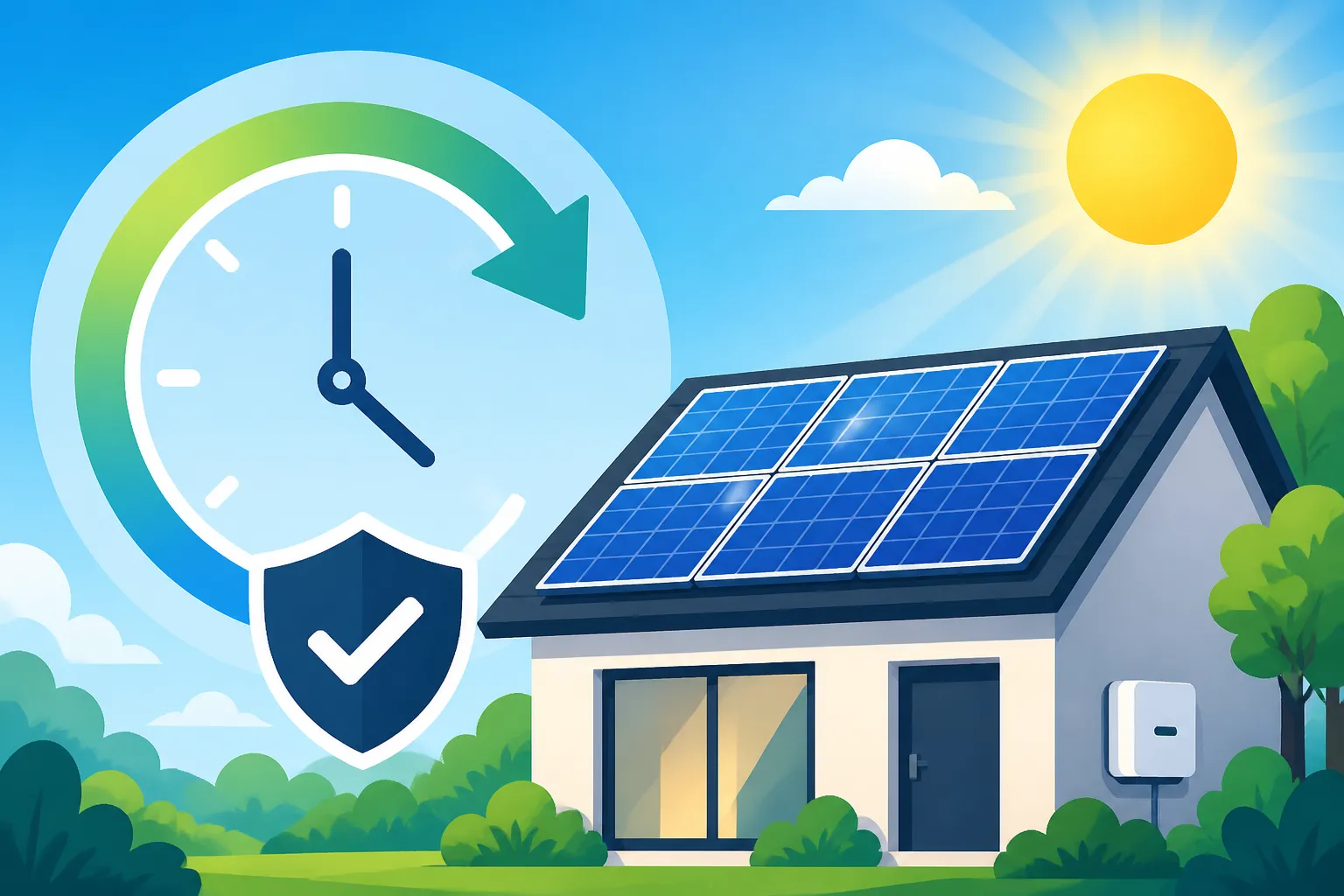
Most people hear about a 25-year performance warranty and assume that's the absolute limit of their solar panels' useful life. The truth, however, is far more optimistic. Modern solar panels are built to be incredibly resilient, designed to endure harsh environmental conditions for decades. While the industry standard often guarantees around 80-85% of original output after 25 years, the physical panels themselves are engineered to continue generating electricity for much longer.
Think of it akin to a car's powertrain warranty. Just because that warranty expires after a certain number of years or miles doesn't mean the car immediately ceases to function. It simply means that beyond that point, you're responsible for any repairs. In the solar world, panels continue to operate, albeit with a slight, predictable decrease in efficiency over time. It's truly remarkable how many early solar installations from the 1970s and 80s are still quietly generating power today, a testament to the robust and enduring nature of photovoltaic technology.
What Happens After 25-30 Years?
So, what truly happens when your solar panels reach or even surpass the quarter-century mark? It’s not a sudden, dramatic shutdown. Instead, you'll typically experience a gradual and predictable decline in power production. This phenomenon is known as the panel degradation rate, and for most high-quality panels, it averages around 0.5% to 0.8% per year. This means that after 25 years, your panels might be producing about 80% to 87.5% of their original output.
Even with this reduced efficiency, your solar panels are still a valuable asset, continuing to generate clean energy and provide substantial savings on your electricity bills. At this juncture, homeowners usually consider a few paths. Some might decide to replace a select few underperforming panels, especially if newer, more efficient models have become significantly more affordable and appealing. Others may simply choose to let their system continue to run, comfortably accepting the slightly lower output while still enjoying substantial energy independence compared to relying solely on traditional utility power. The choice often boils down to individual energy consumption needs, evolving financial priorities, and the specific performance metrics of their aging solar system. Understanding your expected Solar ROI & 25-Year Savings Breakdown can help guide these future decisions.
Factors That Influence Solar Panel Longevity
The impressive lifespan of solar panels isn't just a happy accident; it's a result of careful design, quality manufacturing, and proper care. However, several factors can influence just how long your specific system will truly last.
Manufacturing Quality and Materials
When it comes to longevity, not all solar panels are created equal. The quality of the materials used and the precision of the manufacturing processes play a pivotal role in determining a panel's lifespan. Premium panels, often categorized as "Tier 1 Solar Panels", typically feature high-grade silicon cells, resilient aluminum frames, and durable encapsulating materials like ethylene-vinyl acetate (EVA) or polyvinyl butyral (PVB). These materials meticulously protect the delicate cells from moisture ingress, UV radiation, and physical stress, ensuring lower degradation rates and significantly longer overall lifespans. Reputable brands such as Maxeon (formerly SunPower), REC, and Qcells are widely recognized for their stringent quality control and superior componentry, which directly translates into enhanced reliability.
In contrast, some lower-cost panels might compromise on material quality, utilizing less robust backsheets, thinner glass, or less precise cell assembly. Such compromises can leave panels more vulnerable to common issues like microcracks, delamination (where the protective layers separate), or the development of "hot spots," all of which can accelerate degradation and potentially lead to premature system failure. Investing a little more upfront in panels from established manufacturers with a proven track record can yield substantial long-term benefits in terms of system reliability, consistent performance, and extended operational life. This careful consideration of panel quality is a crucial step in ensuring your solar investment thrives for decades.
Environmental Conditions
Where your home is located has a tangible impact on the wear and tear your solar panels experience over time. While solar panels are engineered for remarkable toughness, sustained exposure to extreme environmental conditions can gradually take their toll. Regions that experience frequent hail storms, periods of heavy snowfall, or significant temperature extremes (like bitter winters followed by scorching summers) subject panel materials to greater stress than milder climates. For example, in sun-drenched states like Arizona, prolonged and intense heat can marginally accelerate the degradation rate, though modern panels incorporate excellent temperature coefficients specifically designed to mitigate this effect.
Furthermore, factors such as high levels of air pollution, persistent dust accumulation, or the corrosive effects of salty air in coastal areas can also influence both performance and longevity. While routine cleaning can effectively manage surface grime, continuous exposure to corrosive elements can, over many years, subtly degrade certain components. Nevertheless, the vast majority of high-quality panels are designed with robust seals and durable tempered glass to steadfastly endure these environmental challenges. Ultimately, while you can't control the weather, appreciating the robust engineering behind your solar system in the context of your local climate can offer significant peace of mind.
Installation Quality
This is arguably one of the most critical, yet frequently underestimated, factors influencing the long-term health and performance of your solar system. Even the highest-quality solar panels can be severely compromised by a subpar installation. Issues such as improperly secured racking, faulty electrical connections, or inadequate sealing of roof penetrations can lead to a cascade of problems over time, including roof leaks, panels shifting out of alignment, or dangerous electrical malfunctions. A solar energy system is fundamentally only as strong and reliable as its weakest component, and unfortunately, that weak link can often be traced back to the installation process itself. Getting a clear understanding of How Are Solar Panels Installed? Step by Step can help you ask the right questions.
Therefore, selecting a highly reputable and experienced solar installer is absolutely paramount. When researching potential providers, look for companies that employ certified technicians, possess a strong portfolio of local references, and offer comprehensive warranties on their workmanship. An installer who dedicates meticulous attention to detail, rigorously adheres to all local building and electrical codes, and utilizes top-tier mounting hardware ensures that your panels are securely anchored, correctly wired, and optimally positioned for both maximum energy harvest and extended longevity. Don't hesitate to inquire about their specific experience installing systems in your particular climate zone or on your specific roof type. This diligence in choosing your installer is an investment in your system's future.
Maintenance Habits
While solar panels are often lauded as "maintenance-free," a proactive approach to their care can significantly extend their operational lifespan and help them maintain peak performance over the decades. The reassuring news is that for most homeowners, "maintenance" is far from an arduous chore. The primary concern revolves around keeping the panel surfaces clean and clear of obstructions. Accumulations of dust, pollen, bird droppings, leaves, and general atmospheric grime can block incident sunlight, directly reducing the panels' efficiency.
In many regions, natural rainfall is sufficient to periodically wash panels clean, effectively doing much of the work for you. However, in drier climates, areas prone to high dust levels, or locales with significant bird activity, a gentle manual cleaning once or twice a year can be highly beneficial. This typically involves using a garden hose and a soft brush, often found on Amazon or at local hardware stores, avoiding harsh chemicals or abrasive materials. Beyond surface cleaning, it’s also wise to occasionally visually inspect your array from the ground for any physical damage that might occur after severe weather events, or to note new shading patterns caused by growing trees. While you should generally avoid climbing on your roof yourself, having a professional perform an inspection every few years can help identify and rectify minor issues before they escalate into costly repairs, thereby safeguarding your long-term investment. This simple attention to Solar Panel Maintenance & Cleaning can make a real difference.
Understanding Solar Panel Warranties
Solar panel warranties are more than just legal documents; they're a direct reflection of a manufacturer's confidence in their product's durability and performance. Grasping the distinctions between these warranties is key to understanding your long-term protection.
Product Warranties
The product warranty, sometimes referred to as the materials or equipment warranty, offers crucial protection for the physical integrity of your solar panels. This warranty specifically covers manufacturing defects, premature material degradation, and structural failures within the panel itself, encompassing the frame, glass, junction box, and the solar cells. Essentially, it's the manufacturer's guarantee that the panel will maintain its physical integrity and function as intended under normal operating conditions, free from faults in its construction.
Typical product warranties generally range from 10 to 25 years. However, certain premium manufacturers, like Maxeon (SunPower), sometimes extend these guarantees to an impressive 40 years, underscoring their exceptional confidence in their product's build quality. A longer product warranty is a strong indicator of a manufacturer's commitment to durability and quality control. Should a panel fail due to a covered defect within this stipulated period, the manufacturer is obligated to either repair or replace the affected unit. When you're comparing different solar quotes, it's absolutely vital to meticulously examine what specifically is covered under these terms and to understand the process for filing a claim, as these details can vary significantly.
Performance Warranties
Even more directly relevant to your long-term financial savings and energy production is the performance warranty, also known as the power output warranty. This critical guarantee assures you that your solar panels will continue to produce a minimum specified percentage of their original rated power output after a certain number of years. The industry benchmark typically promises at least 80% to 85% of the initial output after 25 years, directly addressing the natural, gradual degradation of solar cells over time.
For instance, a common performance warranty might stipulate 90% power output after 10 years and 82% after 25 years. If your panels demonstrably produce less than this guaranteed amount, the manufacturer is contractually obliged to either replace the underperforming panels or provide a financial compensation to offset the lost production. This warranty offers profound peace of mind, affirming that your significant investment will continue to deliver substantial energy savings and environmental benefits for decades. Understanding how this ties into other financial considerations, like how to claim remaining solar tax credit carryforward, is also important for holistic financial planning.
Typical Solar Panel Warranty Comparison
| Warranty Type | Coverage | Typical Duration | Key Benefit |
|---|---|---|---|
| Product | Manufacturing defects, material faults | 10-25 years (up to 40) | Protects against panel failure |
| Performance | Minimum power output over time (degradation) | 25-30 years | Guarantees long-term energy production |
| Workmanship | Installation errors (often by installer, not manufacturer) | 5-10 years (or more) | Covers issues from faulty installation |
Signs Your Solar Panels Might Be Degrading
Even with robust warranties and durable designs, it's wise to know what to look for that might signal an issue with your solar panels. Early detection can often prevent minor problems from becoming major headaches.
Visible Wear and Tear
While solar panels are generally incredibly resilient, certain visible signs of wear and tear can be indicators of underlying problems that may impact their longevity and performance. Keep a vigilant eye out for things like discoloration or the appearance of "snail trails" — thin, dark lines that can indicate moisture ingress, cell defects, or issues with the encapsulant material. Any visible cracks in the glass, no matter how hairline they might seem, can compromise the panel's protective seal and expose the internal components to further environmental damage. Delamination, where the protective layers of the panel visibly separate from the solar cells, is another serious red flag that can significantly accelerate degradation and reduce efficiency.
Furthermore, inspect the panel's aluminum frame and the mounting hardware for signs of corrosion, bending, or looseness. While purely cosmetic blemishes may not always affect performance, any issue that compromises the structural integrity of the panel or allows moisture to penetrate can lead to substantial drops in energy output and a shortened operational lifespan. Regular, safe visual checks from the ground, perhaps with a good pair of binoculars, or during a professional cleaning, can help you spot these issues promptly before they escalate into more significant and costly repairs.
Decreased Energy Production
The most reliable and often the earliest indicator of potential degradation or malfunction within your solar system is a noticeable and consistent drop in its energy production. Nearly all modern solar systems are equipped with sophisticated monitoring apps, often from providers like Enphase or SolarEdge, which allow you to meticulously track your system’s daily, weekly, and monthly energy output. If you begin to observe a significant and unexplained dip in production that cannot be attributed to external factors like prolonged periods of unusually cloudy weather, heavy snowfall, or new shading from growing trees, it should serve as a clear warning sign.
A sudden and sharp drop in output could indicate a specific component failure, such as an inverter malfunction or damage to an individual panel. Conversely, a gradual, yet faster-than-expected, decline might point towards accelerated panel degradation or widespread soiling that requires cleaning. Comparing your current production figures to historical data for the same time of year, or against the projected Solar Panel Cost Per Watt Explained and output, can help you accurately determine if your system is underperforming. Should you suspect an issue, the most prudent course of action is to contact your installer for a thorough diagnostic check.
Inverter or Wiring Issues
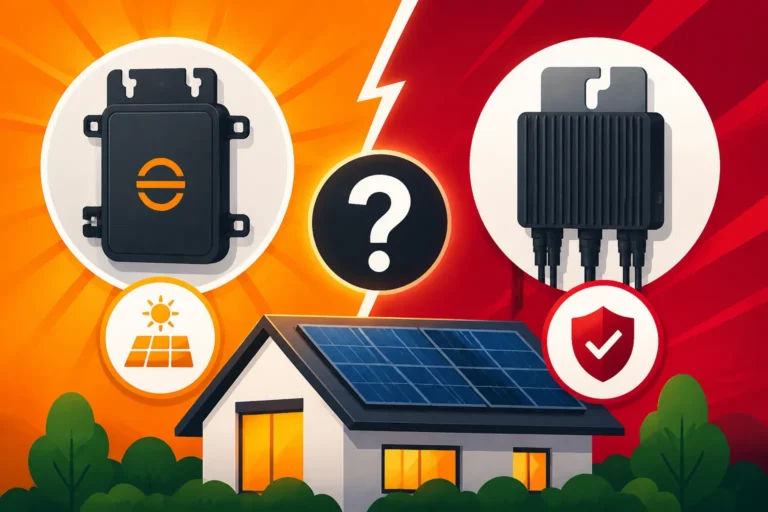
Sometimes, what appears to be a problem with the solar panels themselves actually stems from issues with other critical components of your solar energy system. The inverter, which is arguably the most complex electronic part of the entire setup, plays a crucial role by converting the direct current (DC) electricity produced by your panels into alternating current (AC) electricity that your home appliances and the utility grid can use. Traditional string inverters typically have a lifespan of 10-15 years, often requiring at least one replacement during the long life of your solar panels.
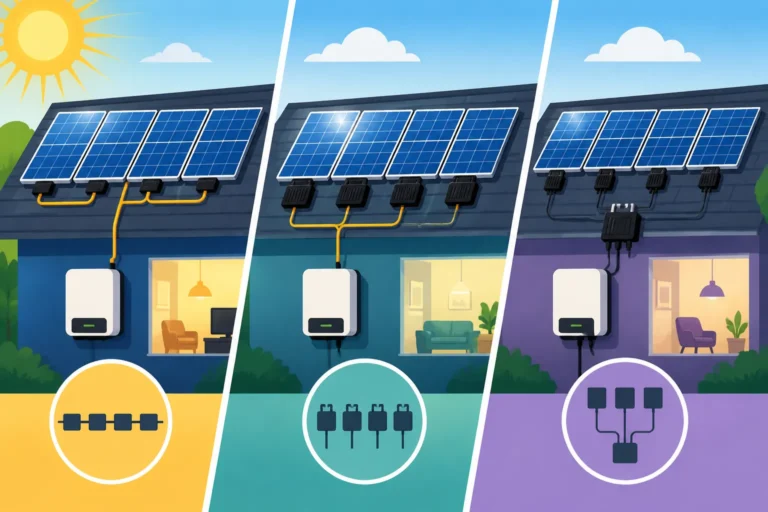
In contrast, microinverters, such as those from Enphase, and power optimizers (which are often paired with string inverters, like those offered by SolarEdge), are generally installed at each individual panel. Their decentralized architecture and advanced electronic design often contribute to longer lifespans, frequently aligning with the 25-year warranties of the panels themselves. Faulty wiring, loose electrical connections, or corrosion within the conduits can also interrupt the smooth flow of power and reduce the overall system's output. Modern monitoring systems are quite sophisticated and can often pinpoint the exact location of a problem – whether it’s a single microinverter failing, a specific string of panels underperforming, or a broader communication error within the system. While a malfunctioning inverter doesn't mean your panels are no longer viable, it does mean your system isn't operating at its full potential. Promptly addressing these component failures is essential to maintaining your system's overall health and ensuring your panels can continue to deliver optimal performance.
Maximizing Your Solar Panel's Lifespan
You've made a smart investment by going solar; now let's talk about how to protect that investment and ensure your system continues to save you money for as long as possible.
Regular Monitoring and Cleaning
One of the simplest, yet most impactful, ways to prolong the life of your solar panels and ensure they operate at peak efficiency is through consistent monitoring and occasional cleaning. Most modern solar systems come equipped with a user-friendly monitoring app that provides real-time data on your energy production. Make it a habit to check this app regularly, even if it's just a quick glance once a week. This routine allows you to quickly spot any unusual anomalies or sudden drops in production that could signal an emerging problem.
As for cleaning, the good news is that solar panels are largely self-cleaning. Natural rainfall often does an excellent job of washing away accumulated dust and dirt. However, if you reside in an area with high levels of pollen, persistent dust, or significant bird activity, a gentle manual cleaning a couple of times a year can prevent efficiency losses. You can easily find extendable brushes and specialized, eco-friendly cleaning solutions specifically designed for solar panels on platforms like Amazon or at your local hardware store. Always use just water and a soft brush, and it's best to clean on a cloudy day or in the early morning to prevent thermal shock to the panels. It's crucial to avoid abrasive materials or harsh chemicals, which can damage the panel's surface and potentially void warranties. For many, the low-maintenance aspect of solar is a significant draw, and with a little mindful attention, it genuinely holds true.
Professional Inspections
While the value of regular DIY monitoring and cleaning cannot be overstated, there’s simply no substitute for the expert assessment of a qualified professional. Scheduling a comprehensive professional solar system inspection every few years is a shrewd investment in your system’s long-term health and performance. During such an inspection, technicians delve far beyond a simple visual check of the panels. They meticulously inspect all electrical connections for any signs of wear, corrosion, or loosening, rigorously assess the integrity and stability of the mounting hardware, and perform a diagnostic check of the inverter’s operational health. They may even utilize thermal imaging technology to detect "hot spots" – areas on the panel that are overheating, which can indicate cell damage or poor internal connections.
These periodic, in-depth inspections are invaluable for catching minor issues in their nascent stages before they have the chance to develop into major, costly repairs. By proactively identifying and addressing these potential problems, you ensure that your system continues to operate safely, efficiently, and reliably for its maximum possible lifespan. Many solar installers offer preventative maintenance packages, or you can engage independent, certified solar technicians for this service. Think of it as preventative care for a vital home asset; much like routine car servicing, it’s a proactive measure that significantly extends the functional life of your investment. This approach can also positively influence your overall Solar Payback Period Explained.
Avoiding DIY Repairs
While certain aspects of solar ownership, such as routine surface cleaning, are perfectly manageable for a homeowner, any electrical repairs or structural modifications to your solar energy system should, without exception, be entrusted to certified professionals. Solar panels generate potent direct current (DC) electricity, and working with high voltages without the appropriate training, specialized tools, and stringent safety equipment poses extremely dangerous risks, including severe injury or electrocution. Attempting to fix wiring issues, replace internal components, or adjust mounting hardware yourself can not only be life-threatening but will also almost certainly void your valuable product and performance warranties.
If you suspect an issue that goes beyond superficial dirt or debris, your first step should always be to contact your original installer or a reputable local solar service company. They possess the necessary expertise, diagnostic tools, and safety protocols to accurately diagnose and safely rectify problems, ensuring that your system remains compliant with all relevant electrical codes and fully covered by its various guarantees. It is unequivocally safer and ultimately more cost-effective to rely on professional expertise when dealing with the complex, high-voltage electrical systems on your roof. This is a critical part of understanding What Happens After Solar Is Installed?.
Beyond the Panels: Other System Components
While solar panels themselves boast impressive lifespans, it’s crucial to remember that a complete solar energy system comprises several interconnected components, each with its own expected durability. Understanding the longevity of these other parts is vital for a comprehensive view of your long-term solar investment. The entire Solar Installation Timeline: What to Expect includes the lifespan of all these components.
Inverters and Optimizers
While your solar panels are designed to diligently produce power for many decades, other critical components within your solar ecosystem will have different expected lifespans. The inverter is arguably the most complex electronic part of your entire system. Its essential function is to convert the direct current (DC) electricity generated by your panels into the alternating current (AC) electricity that your household appliances use and that can be fed back into the utility grid. Traditional string inverters typically have an operational lifespan of 10-15 years and usually come with a matching warranty period. This means you should anticipate needing to replace your string inverter at least once, possibly twice, over the full lifespan of your solar panels.
On the other hand, microinverters, such as those produced by Enphase, and power optimizers (which are often paired with a central string inverter, like in SolarEdge systems) are installed at each individual solar panel. Their decentralized architecture and advanced electronics often afford them significantly longer lifespans, frequently aligning with the 25-year panel warranties. This extended durability often translates into fewer replacements and less maintenance hassle over the total system's lifetime. When you're weighing options like "Enphase vs SolarEdge", the expected longevity and associated warranty of the inverter technology should be a primary consideration. It's also wise to factor in potential inverter replacement costs when calculating your long-term solar savings.
Mounting Hardware and Wiring
The robust physical infrastructure that securely holds your solar panels in place—encompassing the racking, mounting brackets, and all associated hardware—is meticulously engineered for extreme durability. Constructed from high-strength materials such as aluminum, stainless steel, or galvanized steel, these components are specifically designed to withstand decades of relentless exposure to the elements. This includes enduring high winds, supporting heavy snow loads, and resisting the stresses of extreme temperature fluctuations. Consequently, the mounting hardware typically boasts a lifespan comparable to the solar panels themselves, often exceeding 25 years, and is usually backed by an extensive product warranty from the manufacturer or a comprehensive workmanship warranty from your installer.
Similarly, the intricate network of electrical wiring and the protective conduits that connect your solar panels to the inverter and then to your home's main electrical panel are also built for long-term resilience. High-quality, UV-resistant wiring, carefully encased within protective conduits, ensures that all electrical connections remain safe, reliable, and fully functional for the entire operational life of your system. While physical damage from unforeseen events or errors during the initial installation can compromise these components, with proper care and professional installation, they are expected to easily match the impressive lifespan of your solar panels.
Solar Batteries
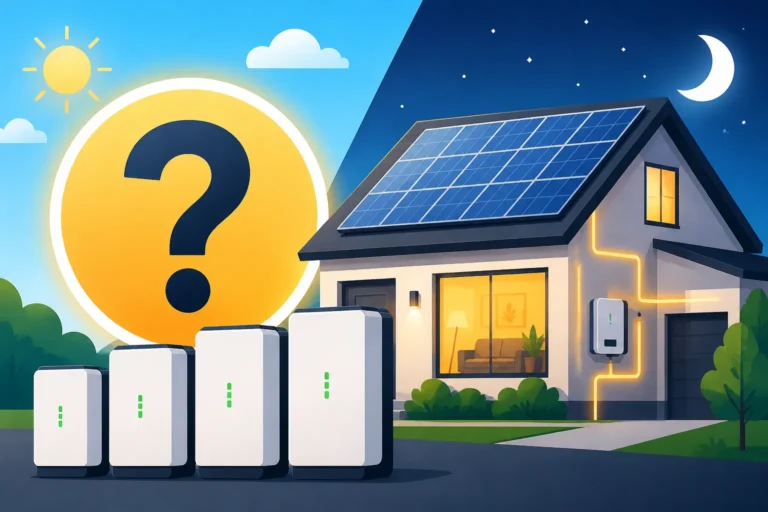
For a growing number of homeowners, integrating a solar battery, such as a Tesla Powerwall or an Enphase IQ Battery, has become a compelling choice for energy storage and reliable backup power. While incredibly beneficial, the expected lifespan of solar batteries is generally shorter than that of solar panels, though battery technology is rapidly advancing. Most contemporary lithium-ion solar batteries are typically warranted for 10-15 years, or for a specific number of charge/discharge cycles, whichever benchmark is reached first.
Much like the battery in your smartphone or laptop, a solar battery's performance will gradually degrade over time and with extensive use, leading to a reduction in its overall storage capacity. After their warranty period concludes, these batteries may still function, but with a diminished ability to hold a full charge. Replacing a comprehensive battery storage system can represent another substantial investment, making it crucial to incorporate these potential future costs into your long-term financial planning if you opt for energy storage. Many homeowners, however, find that the enhanced energy resilience, the ability to maximize self-consumption, and the availability of specific Solar Battery Incentives in 2026 make the investment well worthwhile, despite the shorter lifespan relative to the panels. Understanding the full financial picture of a "Solar Plus Battery Cost" system is a key part of this decision.
Disclaimer
The information provided in this article is for general informational purposes only and does not constitute professional advice. While we strive to provide accurate and up-to-date content, solar technology, incentives, and regulations can change rapidly. Always consult with a qualified solar professional or financial advisor for advice tailored to your specific situation.