Monocrystalline vs Polycrystalline Solar Panels
Monocrystalline and polycrystalline solar panels feature distinct manufacturing methods, appearances, and silicon crystal structures that affect efficiency.
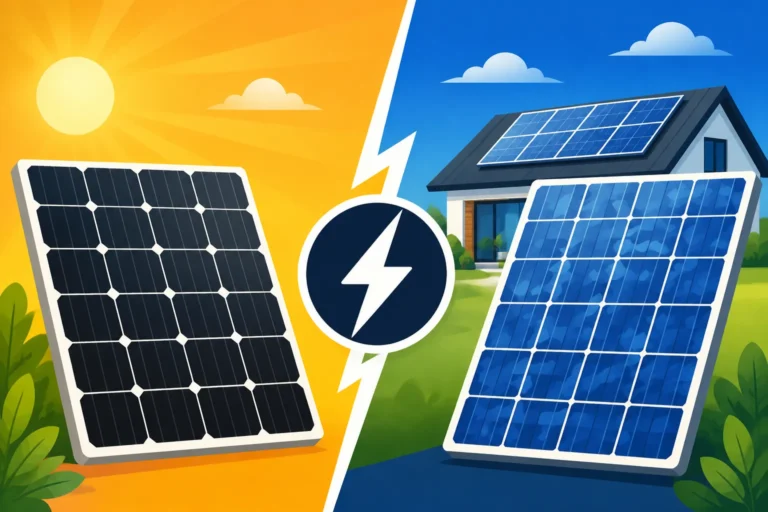
Monocrystalline and polycrystalline solar panels feature distinct manufacturing methods, appearances, and silicon crystal structures that affect efficiency.
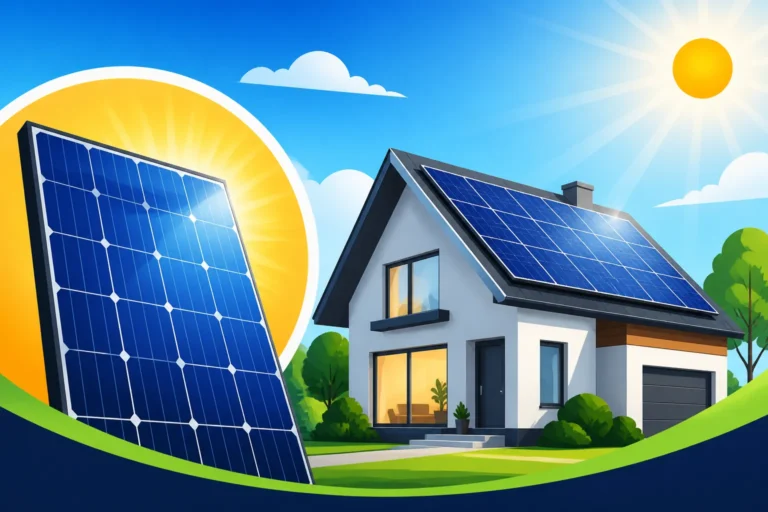
Solar panel efficiency ratings and temperature coefficients help homeowners evaluate brands and make informed long-term investments.
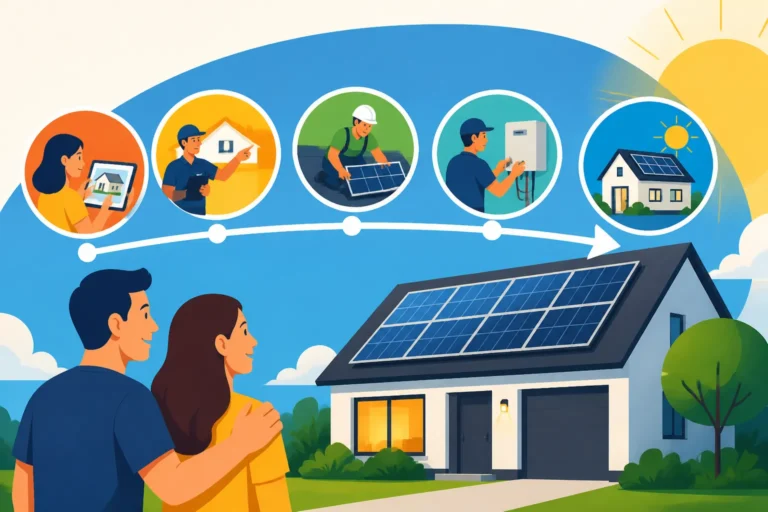
The home solar installation timeline, from researching reputable local installers and getting quotes to the site assessment.
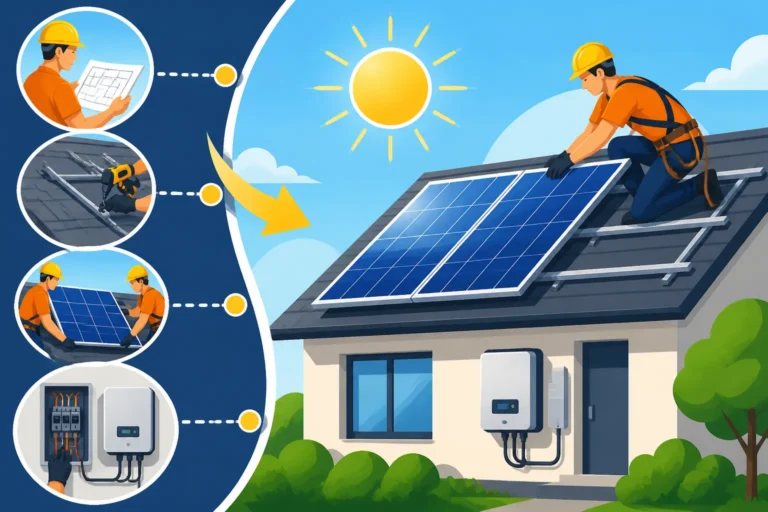
Solar panel installation steps explained through initial consultations, site surveys, utility bill reviews, and structural roof assessments.
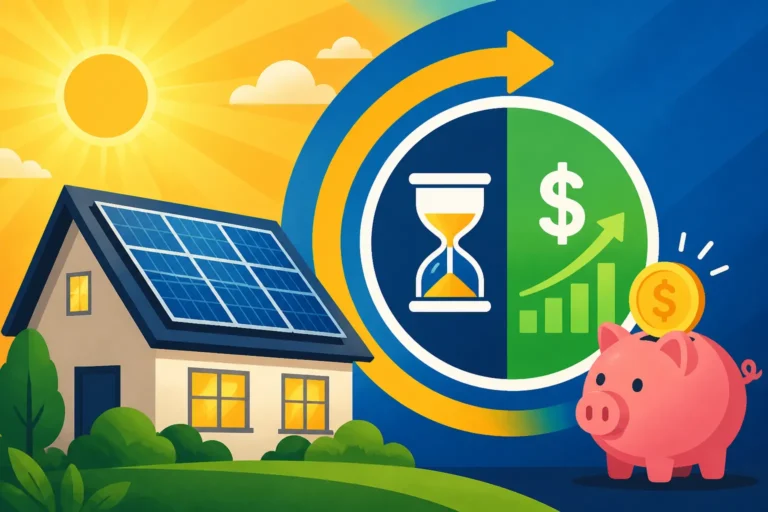
Solar panel payback period calculations use upfront installation costs, electricity savings, and financial incentives to determine return timelines.
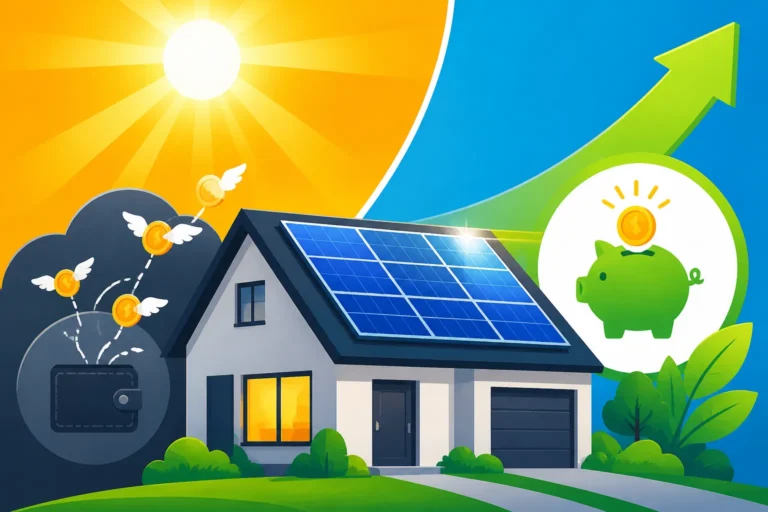
Solar panel installation costs and federal tax credit rules for 2026 help homeowners evaluate potential financial savings.
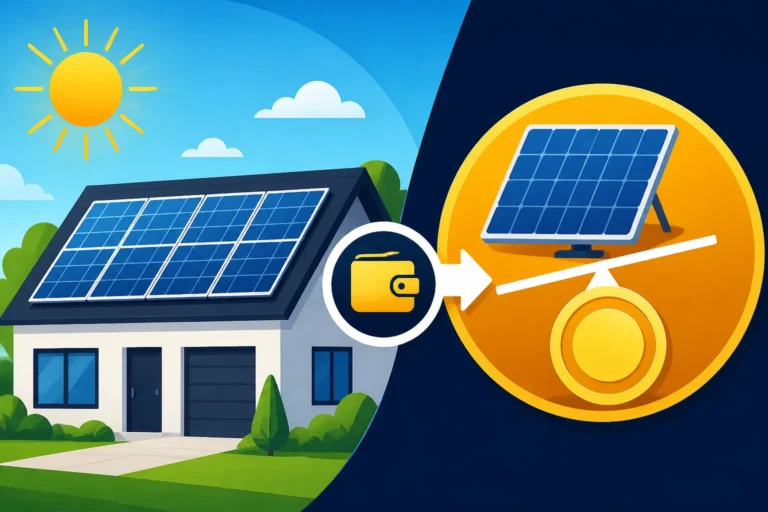
Solar panel price per watt helps homeowners compare competing installation quotes and evaluate actual equipment and labor costs.
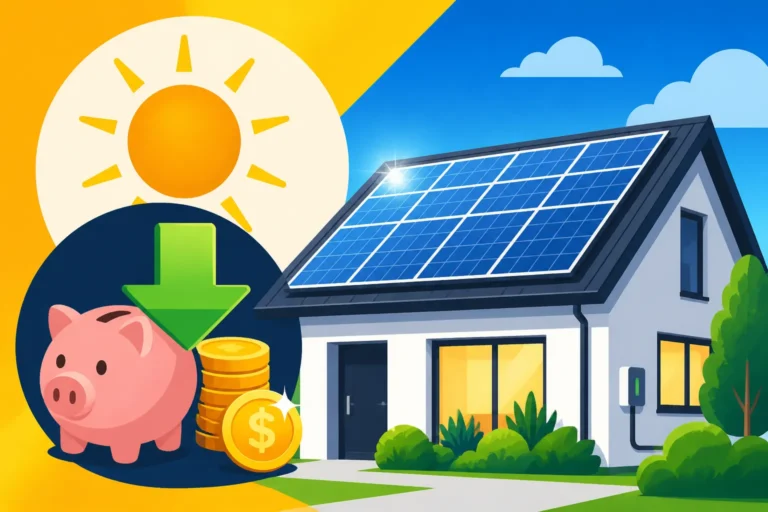
Residential solar systems cost between $15,000 and $35,000, with national average pricing between $2.50 and $3.30 per watt.

The Residential Clean Energy Credit offers homeowners a thirty percent federal tax deduction for solar installation costs through 2032.
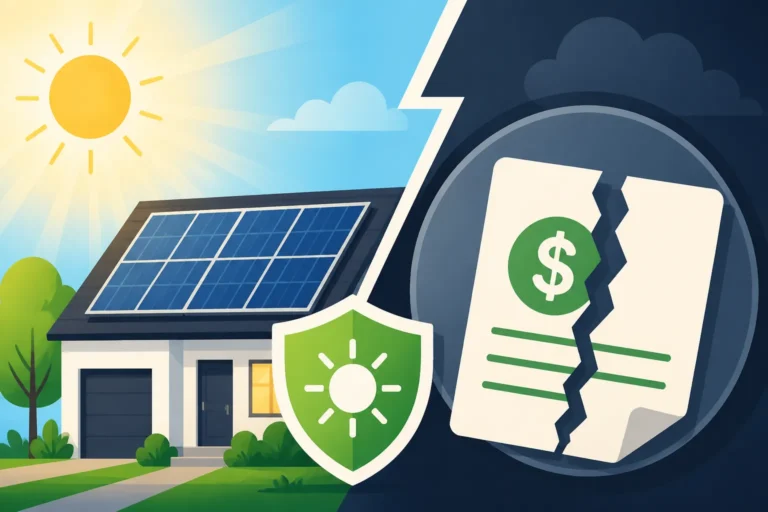
The federal solar tax credit provides homeowners with a thirty percent tax reduction for systems installed through 2032.

LG residential energy storage systems offer backup capacities ranging from 3.3 to 16 kilowatt-hours for home solar power.
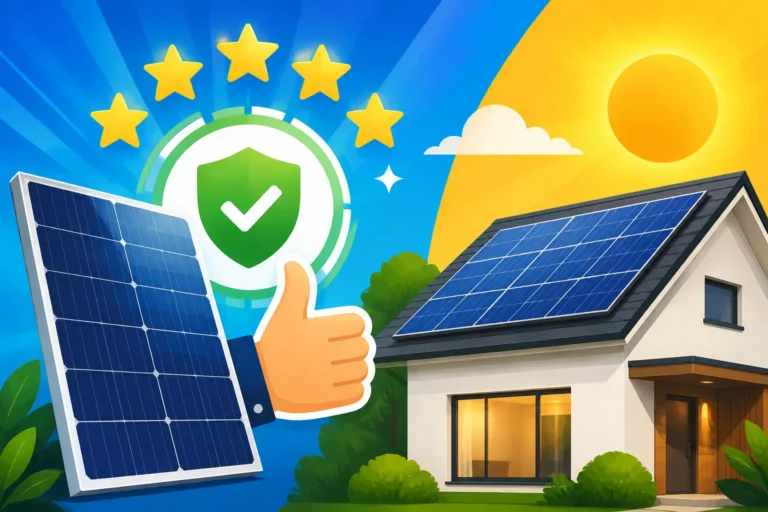
Trina Solar residential panels offer efficiency ratings from 19 to 22 percent and deliver reliable long term energy production.
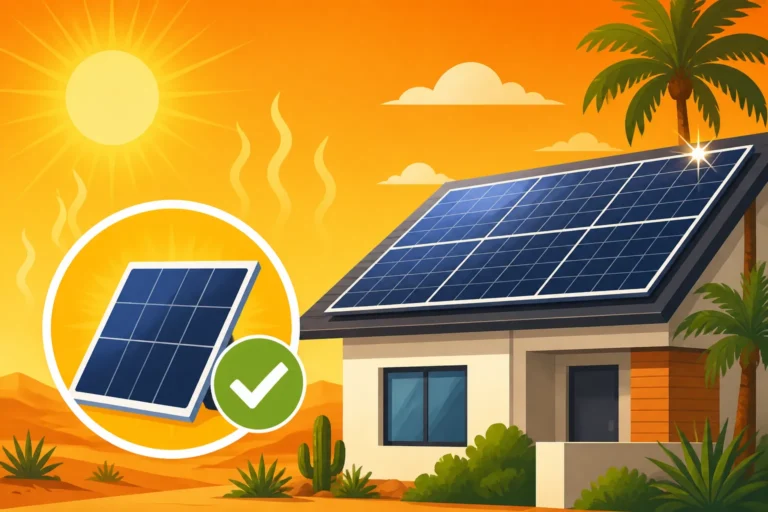
Temperature coefficient ratings and heat resistance explain how extreme temperatures reduce solar panel efficiency and power output.
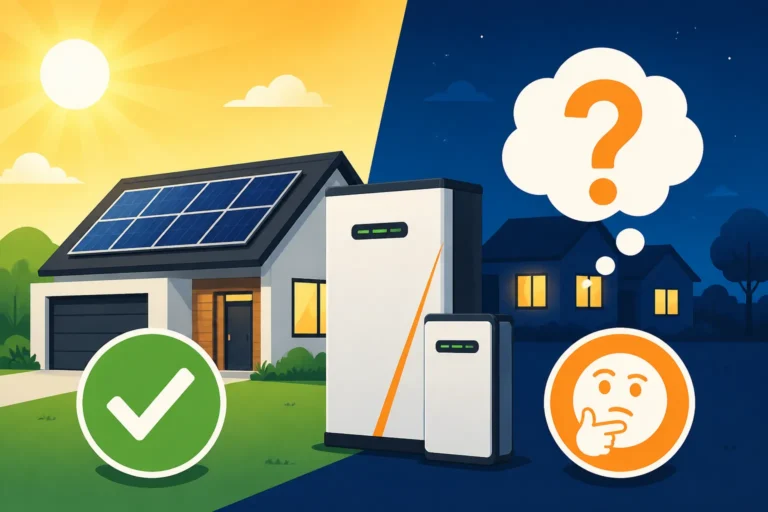
Generac PWRcell home energy storage systems provide backup power, solar integration, and improved grid independence for homeowners.
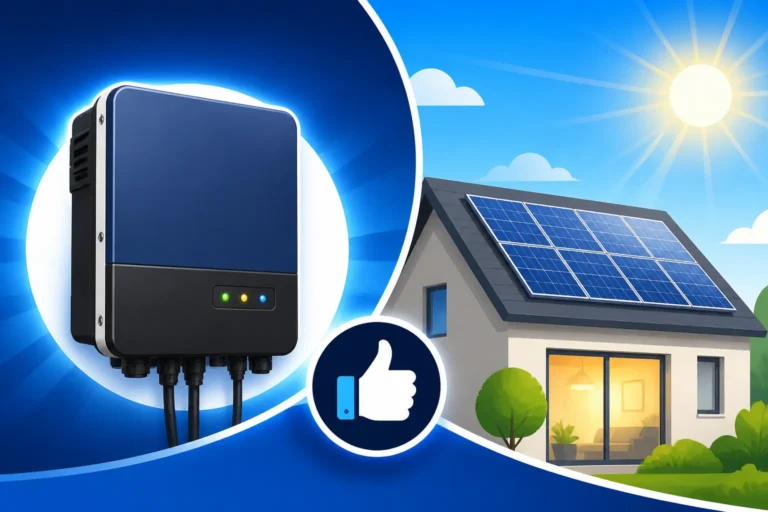
German manufacturer SMA Solar Technology produces Sunny Boy string inverters and hybrid battery systems established since 1981.
Canadian Solar panels feature monocrystalline, PERC, and TOPCon technologies to generate electricity for global residential and utility projects.
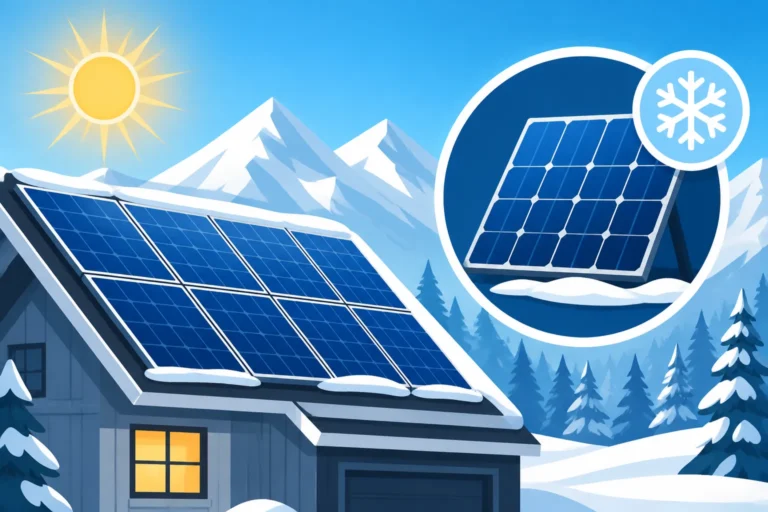
Solar panel performance in cold climates depends on temperature coefficients and snow management for winter energy production.
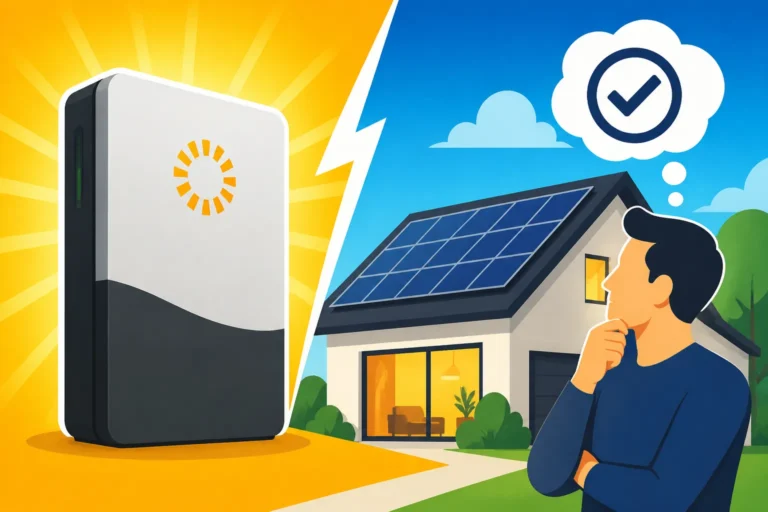
Sonnen home battery systems use lithium iron phosphate chemistry and smart software to manage solar energy and grid outages.
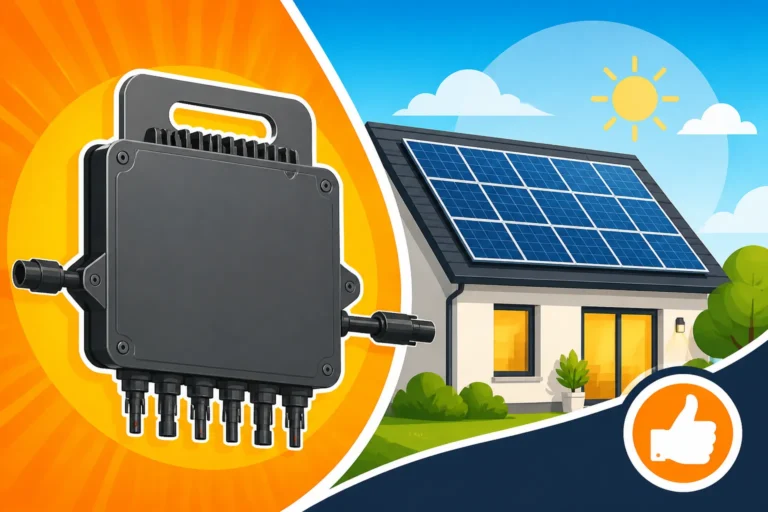
APsystems microinverters convert solar power at individual panels, reducing fire hazards and enabling detailed system performance monitoring.
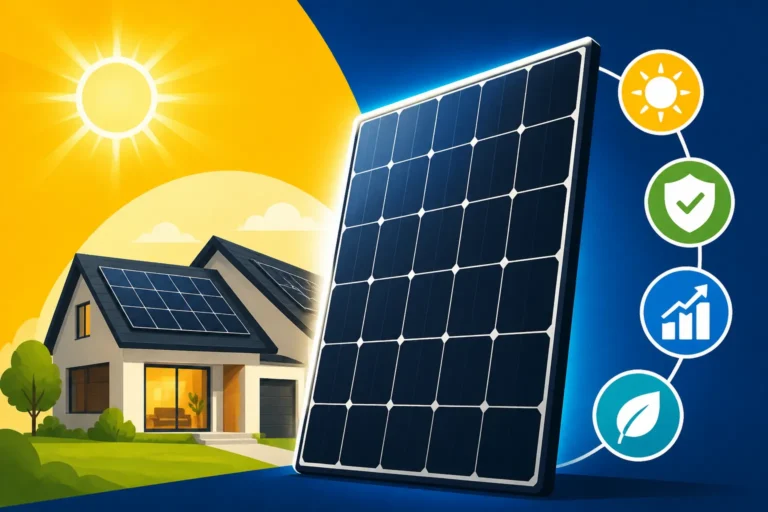
Silfab solar panels manufactured in Washington, South Carolina, and Ontario offer high efficiency and reliable residential energy performance.