APsystems Inverter Review
Choosing the right inverter for your home solar system can feel like navigating a maze, full of technical jargon and conflicting advice. It’s a critical decision because your inverter is the brain of your solar setup, converting the raw power from your panels into usable electricity for your home. If you're feeling overwhelmed by options, especially when considering microinverters, this comprehensive guide will help you understand APsystems inverters, so you can decide if they're the right fit for your energy goals.
What Are APsystems Inverters Anyway?
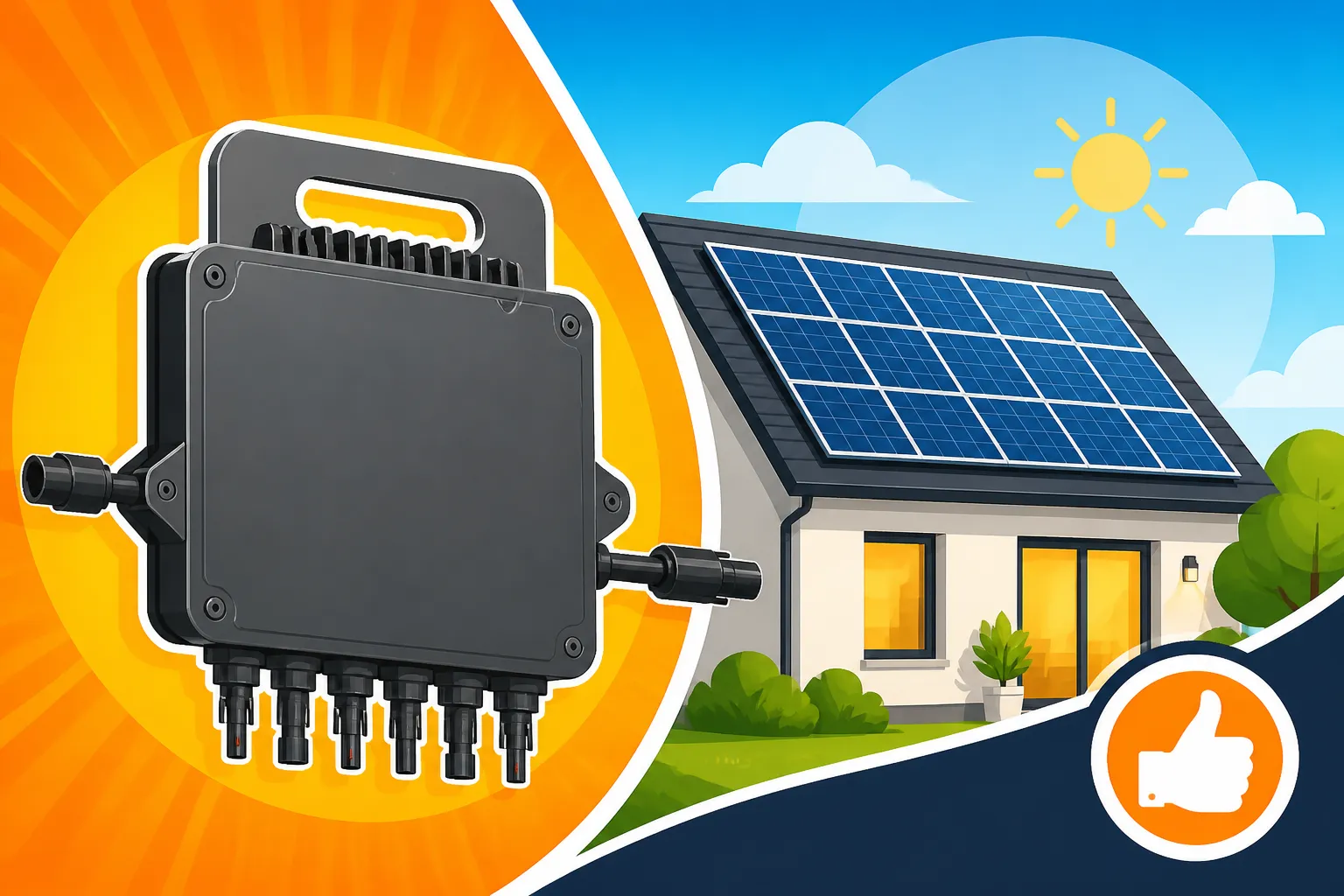
When you’re first looking into solar, you hear a lot about panels, but the inverter often gets less attention, yet it's just as vital. APsystems is a prominent name in the world of microinverters, offering a different approach to power conversion than traditional string inverters. Instead of one large inverter handling all your panels, APsystems provides a small, smart device for every two or four panels on your roof. This isn't just a technical detail; it profoundly impacts how your system performs, especially if your roof isn't perfectly sunny all day long.
Microinverter Technology Explained
Imagine your solar panels as a team. With a traditional string inverter, if one team member (a panel) underperforms due to shade, dirt, or a defect, it can drag down the performance of the entire string, like a weak link in a chain. This is where microinverters, like those from APsystems, truly shine. Each microinverter is attached to a pair of panels, or in some configurations, up to four panels, converting DC power to AC power right there on the roof. This means that if one panel is shaded by a tree branch or covered in leaves, only that specific panel (or pair of panels) will have its output affected, not the entire system. It’s like each team member works independently, ensuring that the rest of the team can still perform at their peak. This individual optimization can lead to significantly higher energy harvest over the lifetime of your system, which means more savings in your pocket. The technology also allows for easier expansion of your system down the line, should your energy needs grow.
Key Features and Benefits
APsystems microinverters come packed with features designed to maximize your solar investment and provide peace of mind. One of the standout benefits is enhanced safety. Since the DC power is converted to AC power at the panel level, there are no high-voltage DC lines running across your roof or through your home, significantly reducing potential fire hazards. This is a huge plus for homeowners and aligns with evolving safety codes. Another key feature is the incredible granularity of monitoring. With APsystems, you can monitor the performance of each individual panel (or paired panels) through their intuitive online platform. This isn't just a cool gadget; it means you can quickly identify and troubleshoot any underperforming panels, ensuring your system is always working at its best. If you ever notice a dip in production from a specific area of your roof, you can pinpoint the exact cause without guessing. These benefits often make them a compelling choice, especially for roofs with complex layouts or shading issues.
A Deep Dive into APsystems Product Lines
APsystems doesn't just offer a single microinverter; they have a range of products designed to fit different needs, from a cozy single-family home to larger commercial installations. Understanding these options will help you see where they fit into the broader solar landscape and whether their specific innovations align with your particular project. They are constantly innovating, bringing new models to the market that improve efficiency and ease of use.
Residential Offerings
For homeowners, APsystems offers several popular series that are often recommended by installers. Their DS3 series, for example, is a dual-module microinverter, meaning one unit handles two solar panels. These are known for their high power output and improved efficiency, capable of handling higher wattage panels that are common today. This design simplifies installation while maintaining the benefits of individual panel optimization. The newer EZ1 series is specifically designed for DIY or plug-and-play residential balcony solar systems, catering to a growing market of smaller, simpler installations that might even be suitable for renters or those with limited roof space. These residential units are designed with longevity in mind, often featuring robust casings and advanced thermal management to withstand harsh weather conditions. When considering a residential system, understanding the output capacity of the microinverter and how it matches your chosen solar panels is crucial for optimal performance, ensuring you're getting the most out of every ray of sunshine.
Commercial and Utility-Scale Options
While often associated with residential setups, APsystems also scales up its technology for larger projects. They offer quad-module microinverters, like those in their YC series, which connect to four panels, reducing the number of inverters and associated wiring needed for bigger arrays. This makes them a viable option for small to medium-sized commercial buildings, schools, or even larger multi-family housing complexes where the benefits of panel-level optimization and enhanced safety are still highly valued. For instance, a small business with a partially shaded roof might find the APsystems approach ideal for maximizing energy production from every available sun-facing surface. While utility-scale projects typically lean towards large central inverters, the distributed architecture of APsystems microinverters offers distinct advantages in specific commercial scenarios, especially where shade mitigation and system resilience are paramount.
Real-World Performance and Reliability
Beyond the technical specifications, what truly matters is how an inverter performs day in and day out, and whether it stands the test of time. A solar system is a long-term investment, so you need components that deliver consistently and reliably.
Efficiency Ratings and Energy Harvest
APsystems microinverters consistently achieve high efficiency ratings, typically in the 97-98% range. What this means in practical terms is that very little of the DC power generated by your solar panels is lost during the conversion to AC power for your home. However, the true "energy harvest" benefit of microinverters goes beyond just peak efficiency numbers. As we discussed, their panel-level optimization prevents single points of failure or shading from drastically reducing the output of your entire system. This is a significant advantage over string inverters where even a small amount of shade on one panel can impact an entire string, sometimes reducing overall system output by 20% or more on a cloudy day. In real-world scenarios, particularly in areas with fluctuating weather patterns or complex rooflines, this can translate to noticeably higher electricity production over the course of a year, ultimately leading to greater savings on your utility bills. It's often the cumulative effect of these small gains that really makes a difference over decades.
Durability and Warranty Coverage
When you're installing equipment on your roof that's meant to last for decades, durability and a solid warranty are non-negotiable. APsystems microinverters are designed to be robust, typically housed in durable, weather-resistant enclosures that can withstand extreme temperatures, rain, and snow. They undergo rigorous testing to ensure they can perform reliably in diverse environmental conditions across the country. In terms of warranty, APsystems typically offers a standard 10-year warranty, which is competitive in the microinverter market. Some regions or specific product lines might even extend this to 25 years. This warranty covers defects in materials and workmanship, providing reassurance that your investment is protected. It's always wise to review the specific warranty details with your installer, as factors like proper installation and maintenance can play a role. Understanding your Solar Panel Warranties Explained will also help you compare how the inverter warranty aligns with the panels themselves.
Installation and Monitoring Experience
The actual process of getting solar installed and then living with it day-to-day can vary greatly depending on the components chosen. APsystems has made significant strides in making both aspects as smooth as possible.
Ease of Installation for Homeowners and Installers
One of the often-touted advantages of microinverters, including APsystems, is their relatively straightforward installation process, especially compared to some string inverter setups. Because each microinverter handles a small number of panels and converts DC to AC right on the roof, the DC wiring runs are very short. This simplifies the wiring diagram and reduces the complexity of trenching or running conduit through attics for long DC runs. Installers often appreciate the modularity; if a microinverter ever needs servicing, it's typically much easier to replace a single unit under a few panels than to take down a large central string inverter. For the homeowner, this often translates to a quicker, less invasive installation day. Many installers, like local solar pros in Arizona, have become adept at quickly deploying APsystems setups due to their design. While DIY solar might seem tempting, it's generally best to rely on certified professionals for proper installation to ensure safety and system longevity. You can check out our guide on How to Choose a Solar Installer for more tips.
The APsystems Energy Monitoring Platform
Beyond installation, APsystems provides an intuitive and comprehensive monitoring platform that allows homeowners to keep a close eye on their solar production. This web-based or app-based interface provides real-time data on how much electricity each individual microinverter (and thus the associated panels) is generating. You can track daily, weekly, monthly, and yearly production, spot trends, and even receive alerts if there's an unexpected dip in performance. This level of transparency is incredibly empowering for homeowners. Imagine seeing exactly how much power your system generated on a sunny Tuesday in July versus a cloudy December morning. This detailed insight helps you understand your system's efficiency and allows you to quickly address any potential issues. It's a far cry from older systems where you'd only see a single number for your whole array or have to wait for your utility bill to understand your savings. Finding compatible products and accessories, like Wi-Fi range extenders for monitoring devices, can sometimes be found on platforms like Amazon if needed for optimal connectivity.
Pros and Cons of Choosing APsystems
Every technology has its strengths and weaknesses, and APsystems microinverters are no exception. Weighing these factors against your specific needs and priorities is key to making an informed decision.
Advantages for Specific Homeowners
APsystems microinverters are particularly advantageous for homeowners facing specific challenges or seeking certain benefits. If your roof has complex angles, multiple sections, or suffers from intermittent shading throughout the day (from trees, chimneys, or neighboring buildings), microinverters are a clear winner. Their panel-level optimization ensures that shade on one panel doesn't cripple your entire system. Homeowners who prioritize safety will also appreciate the reduced high-voltage DC wiring. Furthermore, the granular monitoring offered by APsystems provides unparalleled insight into your system's performance, allowing you to catch and address issues quickly. This level of detail also helps confirm your system is producing as expected, reinforcing your decision to go solar. If you're looking to expand your system in the future or simply desire a more resilient and flexible setup, APsystems offers a compelling solution. They also pair well with high-wattage panels, helping you maximize power output per square foot.
Potential Drawbacks to Consider
While there are many upsides, it's important to be realistic about potential drawbacks. Generally, microinverter systems, including those from APsystems, tend to have a higher upfront cost per watt compared to traditional string inverter systems. This is because you're purchasing multiple smaller inverters rather than one central unit. While the long-term energy harvest benefits can often offset this initial cost, it's something to budget for. Another point to consider is the number of components on your roof. With a microinverter for every few panels, there are more individual pieces of equipment installed directly on your roof. While they are built to last, some homeowners might prefer fewer components exposed to the elements. Servicing can also be a consideration; while individual unit replacement is often easier, if a microinverter fails, it requires someone to get on your roof to replace it. However, given the strong warranties and reliable performance, these events are relatively infrequent. It's always a good idea to discuss the specific Solar Panel Cost Per Watt Explained with your installer, including the inverter's impact on it.
Comparing Inverter Types
To really put APsystems in perspective, let's look at how microinverters stack up against the more traditional string inverter setup. This isn't about one being universally "better," but about which is better for your specific situation.
| Feature | APsystems Microinverters | Traditional String Inverters |
|---|---|---|
| Panel-Level Optimization | Yes, each panel (or pair/quad) optimized | No, one inverter optimizes entire string |
| Shade Performance | Excellent, minimal impact from partial shade | Good, but partial shade affects whole string |
| Safety | High, low-voltage AC on roof | Lower, high-voltage DC on roof and in home |
| Monitoring | Very granular, per-panel data | System-level data, sometimes string-level |
| System Expansion | Easy to add panels/inverters as needed | Can be more complex, may require new inverter |
| Upfront Cost | Generally higher per watt | Generally lower per watt |
| Durability | Robust, but more units on roof | One central unit, typically in garage/utility |
| Troubleshooting | Easier to pinpoint issues with specific panels | Can be harder to identify single panel issues |
As you can see, the choice between Microinverter vs String Inverter: Pros and Cons depends heavily on your roof's characteristics, your budget, and your priorities for monitoring and safety. For many homeowners, especially those with any degree of shading or complex rooflines, the benefits of microinverters like APsystems often outweigh the higher initial cost. If your roof is completely unshaded and perfectly south-facing, a string inverter might offer comparable performance at a lower price point.
The solar market is dynamic, with new technologies constantly emerging. APsystems is a strong contender in the microinverter space, offering advanced technology that maximizes energy harvest and enhances safety for homeowners. Understanding their offerings, from the residential DS3 series to their robust monitoring platform, can help you make a confident decision. Whether you're just starting your solar journey or looking to upgrade an existing system, considering APsystems' approach to power conversion is definitely worthwhile. Remember, a good installer will walk you through all these options, helping you select the best fit for your home. Don't hesitate to ask detailed questions about efficiency, warranties, and how a chosen system will perform on your unique roof. Learning about topics like What Is Panel Degradation Rate will also deepen your understanding of long-term performance.
Disclaimer
Please note that the information provided in this article is intended for general informational purposes only and does not constitute professional advice. Solar technology, incentives, and regulations can change rapidly. It is essential to consult with qualified solar professionals and financial advisors for advice tailored to your specific situation and location.