How to Choose a Solar Installer
Embarking on the journey to go solar feels like a huge step, and it absolutely is! One of the biggest hurdles, and frankly, one of the most anxiety-inducing parts for many homeowners, is figuring out who you can trust to install those panels on your roof. It feels like a minefield out there, with so many companies popping up, and it's tough to discern who truly has your best interests at heart. This comprehensive guide is here to cut through the confusion, offering a realistic, empathetic, and detailed roadmap to choosing a solar installer who will deliver a reliable, efficient, and long-lasting solar system for your home.
Why Choosing the Right Solar Installer Matters So Much
Let's be real: installing solar panels isn't like buying a new appliance. It's a significant home improvement project, a long-term investment that directly impacts your finances, your comfort, and even your home's value for decades to come. When you're making a decision this big, the company you choose to handle the installation is arguably as important as the panels themselves. A shoddy installation can turn your dream of energy independence into a nightmare of leaks, underperformance, and endless repair calls.
The Impact on Your System's Performance and Longevity
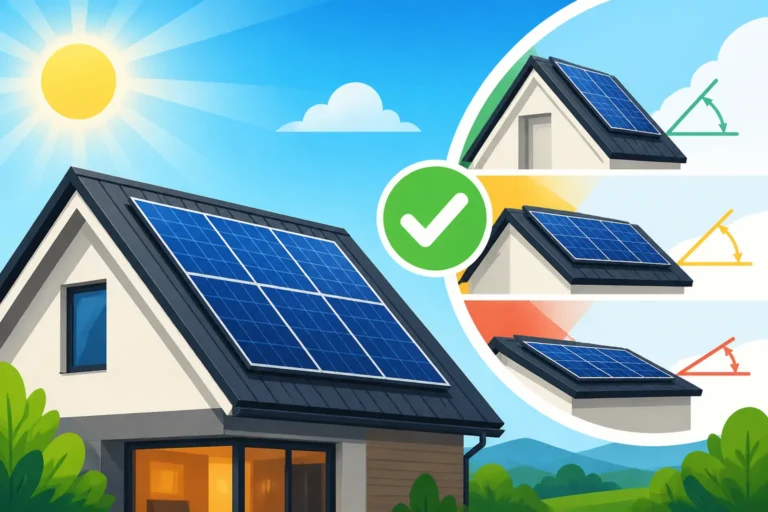
Think about it: your solar panels are designed to capture sunlight and convert it into electricity for 25, 30, or even more years. But that impressive lifespan and performance are heavily dependent on how they're installed. An experienced, detail-oriented installer understands the nuances of roof angles, shading, wiring, and structural integrity. They'll ensure each panel is optimally positioned, securely mounted, and properly wired to maximize energy production day in and day out.
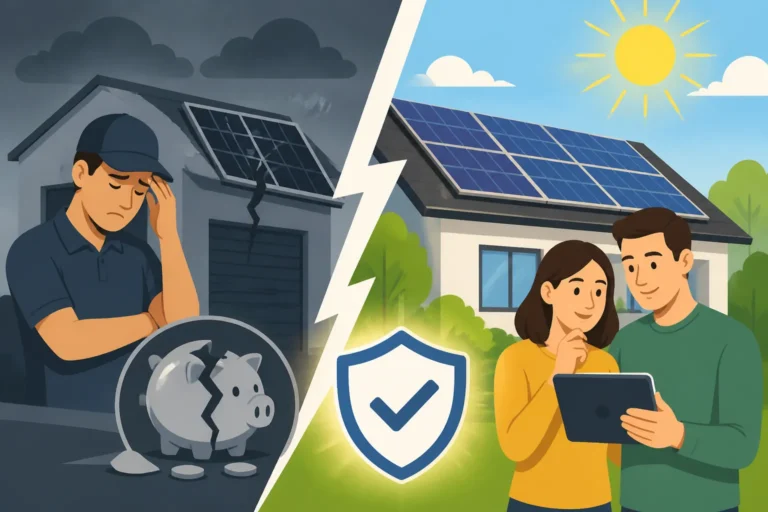
Conversely, a less reputable or inexperienced installer might cut corners. They might not account for subtle shading from nearby trees or chimneys, which can significantly reduce your system's output. They might use lower-quality mounting hardware that fails prematurely, or incorrectly seal roof penetrations, leading to leaks during the next big storm. The initial savings from a cheaper quote can quickly be overshadowed by diminished performance and costly repairs down the line, ultimately costing you more over the life of the system.
Furthermore, a well-installed system minimizes wear and tear on components, extending their useful life. Proper ventilation beneath panels, correct wiring practices, and adherence to manufacturer specifications all contribute to the overall health and efficiency of your solar array. This meticulous approach means your system not only works as advertised but also maintains its peak performance for many years, truly delivering on the promise of long-term savings.
Avoiding Costly Mistakes and Future Headaches
The last thing anyone wants after a major home improvement project is a persistent problem that nobody takes responsibility for. This is a common frustration with less scrupulous solar installers. If your system isn't installed correctly, you could face anything from a persistently low energy output to, in severe cases, electrical hazards or roof damage. Imagine getting your first electricity bill after solar installation and realizing you're still paying almost as much as before because the system isn't producing what it should.
Beyond performance, consider the regulatory and warranty aspects. A good installer navigates the complex world of permits, local building codes, and utility interconnection requirements seamlessly. They ensure your system is compliant, safe, and eligible for all available incentives. Without proper permitting and Permission to Operate (PTO), your system might not even be allowed to connect to the grid, or you could face fines and delays.
Moreover, reputable installers stand behind their work with solid warranties, covering both equipment and labor. If an issue arises years down the road—say, an inverter fails or a panel needs replacing—you want to know that the company you worked with will honor their commitments. Choosing a reliable installer from the start mitigates the risk of becoming a victim of "fly-by-night" operations that disappear once the check clears, leaving you to deal with problems on your own.
Researching Potential Solar Installers: Where to Start
Okay, so you're convinced that picking the right installer is crucial. But how do you even begin? The sheer volume of options can be overwhelming, and it's easy to feel lost in a sea of marketing jargon. The key is to start with a structured approach, gathering information from multiple sources to build a clear picture of each company's reputation and capabilities.
Online Reviews and Reputation Check
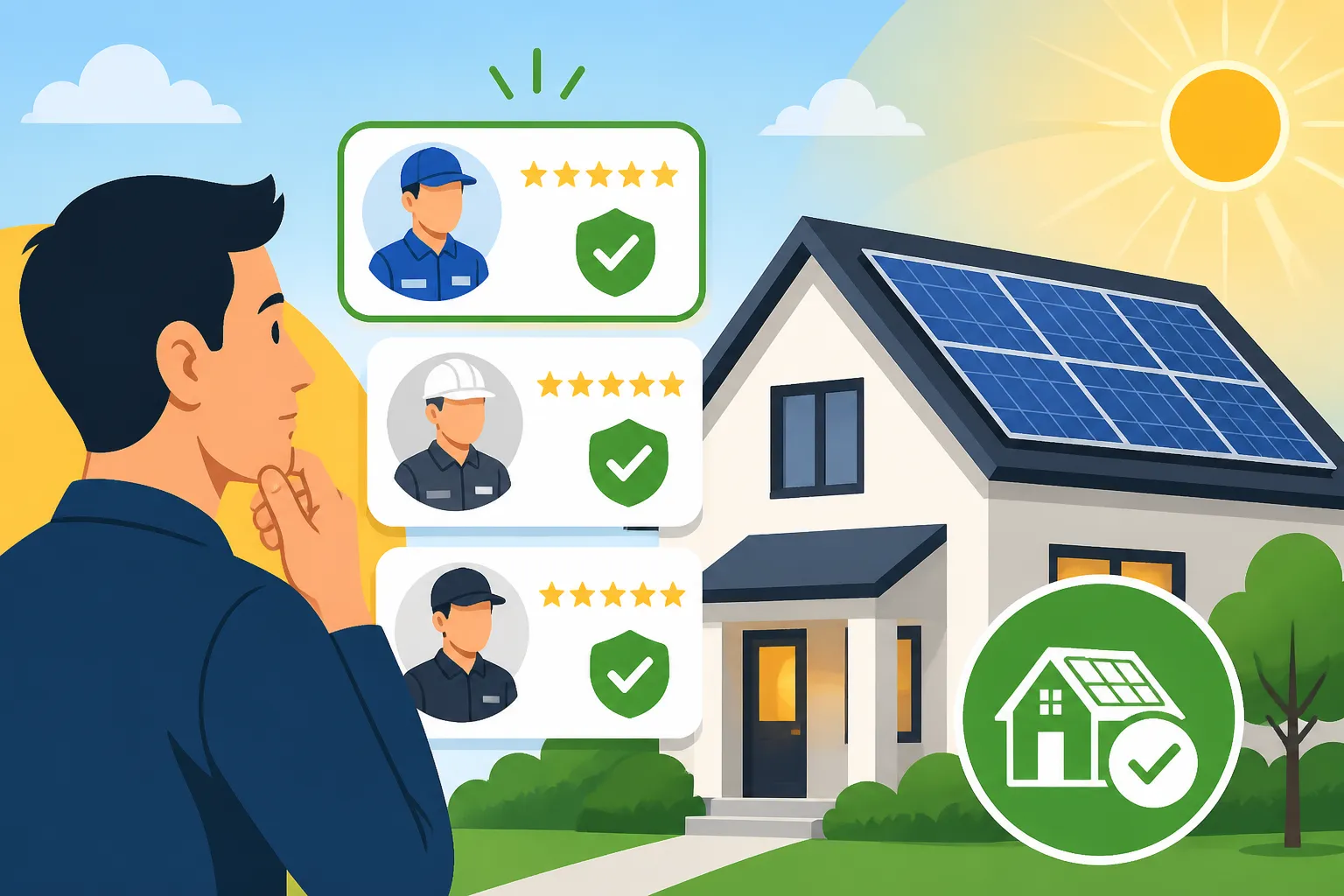
In today's digital age, online reviews are your first line of defense and an invaluable resource. Websites like Google Reviews, Yelp, and specialized solar platforms offer insights into other homeowners' experiences. Don't just look at the star rating; read through both positive and negative comments. Are there recurring themes? Do people praise their customer service, or complain about missed appointments and poor communication?
Be wary of companies with an unusually high number of generic, glowing reviews in a short period – sometimes these can be fabricated. Conversely, a few negative reviews aren't necessarily a dealbreaker, especially if the company has responded professionally and demonstrated an effort to resolve issues. What you're looking for is a pattern of consistent quality, responsiveness, and customer satisfaction. Platforms like the Better Business Bureau (BBB) can also reveal complaint histories and how they were addressed.
It's also a good idea to check industry-specific forums or local community groups online. Sometimes, you'll find very candid discussions about local installers that you won't see on commercial review sites. These can offer a more nuanced perspective, highlighting the specific pros and cons that matter most to homeowners in your area.
Certifications, Licenses, and Insurance
This step is non-negotiable. Any legitimate solar installer must be properly licensed and insured. Licensing requirements vary by state and even by municipality, but generally, you'll want to see a valid electrical contractor's license and sometimes a general contractor's license. These licenses ensure that the installer has met certain standards of competence and knowledge required to perform electrical work and construction safely.
Insurance is equally critical. Verify that the company carries comprehensive liability insurance, which protects you in case of accidental damage to your home or property during installation. They should also have workers' compensation insurance, which protects their employees and prevents you from being held liable if an installer is injured on your property. Don't hesitate to ask for proof of these documents; a reputable company will readily provide them.
Additionally, look for industry-specific certifications. The North American Board of Certified Energy Practitioners (NABCEP) offers highly respected certifications for solar installers and technical sales professionals. A NABCEP-certified installer indicates a commitment to professional excellence and adherence to best practices in solar PV design and installation. This kind of certification isn't always mandatory, but it's a strong indicator of an installer's expertise and dedication to quality.
Checking Local Business Directories and Referrals
Beyond online reviews, good old-fashioned referrals from friends, family, or neighbors can be incredibly valuable. If someone you trust had a positive experience with a local installer, that's a strong endorsement. Ask them about the entire process, from the initial consultation to the final inspection and beyond. Were there any unexpected issues, and how were they handled? This personal insight can provide a level of detail and trustworthiness that online reviews sometimes lack.
Don't forget to utilize local business directories. Organizations like your local Chamber of Commerce or even utility companies sometimes maintain lists of approved or preferred solar contractors. While these lists shouldn't be your only source, they can offer a starting point for finding established businesses in your community. Websites like Modernize can also connect you with pre-screened local solar professionals, helping to streamline the initial search process and ensure you're working with reputable companies from the get-go.
When you reach out to installers, pay attention to how they present themselves. Do they have a professional website? Do they answer the phone promptly and courteously? These initial interactions can tell you a lot about their general level of professionalism and customer service, which will be important throughout your project.
Understanding Solar Installer Business Models and Services
Not all solar installers operate the same way, and understanding these differences can significantly impact your experience and the long-term success of your solar project. From how they manage the installation to the types of equipment they offer, knowing what to expect from various business models will empower you to make an informed decision.
Full-Service vs. Subcontractors
One of the biggest distinctions you'll encounter is whether an installer is "full-service" or primarily relies on subcontractors. A full-service installer typically handles everything in-house: sales, design, permitting, installation, and often even post-installation monitoring and support. This streamlined approach means you're dealing with one company throughout the entire Solar Installation Timeline: What to Expect, which can lead to better communication, greater accountability, and a more consistent experience.
On the other hand, many solar companies, particularly larger national ones, frequently use subcontractors for parts of the installation process, especially the actual panel mounting and wiring. While this isn't inherently bad – many subcontractors are highly skilled – it can sometimes lead to communication gaps or a feeling of disconnect if you're not sure who to call when an issue arises. If an installer uses subcontractors, ask about their vetting process, how they ensure quality control, and who your primary point of contact will be for the entire project.
Understanding this distinction helps set your expectations. With a full-service provider, you might feel a stronger sense of partnership, as everyone involved is part of the same team. With a company that subcontracts, ensure they have robust project management in place to coordinate all the moving parts and maintain a single point of responsibility for you, the homeowner.
Equipment Offerings and Partnerships
The quality and type of solar panels, inverters, and batteries an installer offers can vary widely. Some installers are "brand agnostic," meaning they work with a wide array of manufacturers, allowing them to customize solutions based on your specific needs and budget. Others might have exclusive partnerships with one or two specific brands, such as LG, Enphase, or Tesla, which means they've likely developed deep expertise with those products.
When discussing equipment, don't be afraid to ask why they recommend certain brands. A good installer will explain the pros and cons of different panel technologies (like monocrystalline vs. polycrystalline, or high-efficiency models), inverter types (Solar Inverters: String vs Microinverter vs Optimizer), and battery solutions. They should be able to articulate how their chosen equipment aligns with your home's energy consumption, roof characteristics, and personal preferences, whether you're prioritizing maximum efficiency, durability, or cost-effectiveness.
It's also worth asking about their supply chain reliability. Are the panels readily available? What happens if a specific component is back-ordered? A transparent installer will provide clear answers and potentially offer alternatives if supply issues arise, demonstrating their proactive approach to project management.
Post-Installation Support and Warranties
The relationship with your solar installer doesn't end when the panels are on your roof. In fact, that's just the beginning of your solar journey. Post-installation support is crucial, especially for monitoring system performance, troubleshooting issues, and navigating warranty claims. Ask prospective installers about their monitoring services – do they provide an app for you to track your energy production, and do they proactively alert you to potential problems?
Equally important are the warranties. You'll typically encounter several types:
- Product Warranty: Covers the physical solar panels against defects, usually for 10-12 years.
- Performance Warranty: Guarantees that the panels will produce a certain percentage of their rated power output for 25-30 years.
- Inverter Warranty: Covers the inverter, often for 10-25 years depending on the type.
- Workmanship Warranty: This is the installer's guarantee on their labor and installation quality, typically ranging from 5 to 25 years.
A strong Solar Panel Warranties Explained package, especially a robust workmanship warranty, provides immense peace of mind. Discuss with your potential installer exactly what their workmanship warranty covers, its duration, and the process for making a claim. A long and comprehensive workmanship warranty is a strong indicator that an installer is confident in their work and committed to long-term customer satisfaction.
Key Questions to Ask Every Solar Installer
Once you've narrowed down your list of potential installers, it's time to get specific. Don't be shy about asking detailed questions. This is your investment, your home, and your future energy independence. The answers you receive will not only provide crucial information but also give you a sense of the installer's professionalism, transparency, and expertise. Asking the right What Questions to Ask a Solar Installer upfront can save you a lot of grief later.
Project Management and Communication
One of the most common frustrations homeowners experience during any major home improvement project is a lack of clear communication. Solar installation is no different. You'll want to understand the installer's communication protocols from the get-go. Who will be your main point of contact throughout the project? How often can you expect updates, and through what channels (phone, email, a dedicated portal)?
Ask them to walk you through the entire Solar Installation Timeline: What to Expect, step by step. This should include everything from the initial site visit and design, through permitting, procurement of equipment, actual installation, inspections, and finally, utility interconnection and [[Permission to Operate (PTO) Explained]]. A good installer will provide a clear, detailed timeline, even acknowledging that unforeseen delays (like permitting backlogs or weather) can occur. They should also explain how they manage these delays and keep you informed.
You might also ask about their internal processes for quality control. How do they ensure that their installation teams adhere to best practices and safety standards? Do they have regular inspections or checklists that their crews follow? Understanding these operational details can help you gauge their commitment to delivering a high-quality job, not just selling you a system.
Financing Options and Incentives Guidance
Navigating the financial side of solar can be incredibly complex, especially with the array of incentives available. A trustworthy installer won't just tell you about the benefits; they'll help you understand the various financing options and guide you through the process of securing incentives. Ask about the different ways to pay for solar: cash purchase, solar loans, power purchase agreements (PPAs), and leases. Each has its own pros and cons, and what's best for one homeowner might not be ideal for another.
Regarding incentives, ask them to clearly explain federal, state, and local programs that apply to your situation. This might include state tax credits, SRECs Explained: Selling Solar Renewable Energy Credits, Utility Solar Rebates: How to Find Yours, and Solar Property Tax Exemptions by State. They should also be able to explain how these incentives affect the overall cost and payback period of your system. Be cautious of any installer who seems to gloss over the details or pressure you into a specific financing option without fully explaining all alternatives.
It's also important to inquire about dealer fees if you're considering a loan. Some solar loans come with Solar Dealer Fees Explained (Hidden Loan Costs) that can significantly inflate the total cost of your system, even if the interest rate seems low. A transparent installer will disclose these upfront and help you understand their impact on your overall investment.
Installation Process and Timeline
Beyond communication, delve into the specifics of the installation itself. How long will the actual physical installation take on your roof? What preparations, if any, do you need to make beforehand? Will there be disruptions to your daily routine or power? What safety measures do they put in place to protect their crew and your property?
Ask about their approach to roof integrity. Will they assess your roof's condition and age before installation? Some roofs may need repairs or even replacement before solar panels can be safely and effectively installed, so it's critical to consider Roof Considerations for Solar Panels carefully. What materials do they use for mounting and sealing penetrations to prevent leaks? A good installer will explain their process for ensuring your roof remains watertight for decades to come.
Finally, discuss the post-installation phases. What happens immediately after the panels are mounted? When can you expect the final inspections to occur, and how long does it typically take to get Permission to Operate (PTO) from the utility company? Understanding these steps helps you anticipate when your system will officially go live and start generating electricity, allowing you to manage your expectations effectively.
Evaluating Quotes and Comparing Proposals
Once you've gathered information and asked your questions, you'll likely have several proposals in hand. This is where many homeowners feel overwhelmed. Solar quotes can be dense with technical jargon and financial figures, making it difficult to compare apples to apples. But take a deep breath – by focusing on a few key metrics and components, you can effectively How to Compare Solar Installer Quotes and make an informed decision.
Decoding the "Price Per Watt"
The "price per watt" is one of the most common metrics used to compare solar quotes. It's calculated by dividing the total system cost (before incentives) by the system's total DC wattage. For example, a 10,000-watt (10 kW) system costing $30,000 would have a price per watt of $3.00. This metric provides a standardized way to compare the relative value of different systems.
However, it's not the only thing to consider. A lower price per watt might seem attractive, but it could indicate cheaper, less efficient panels or a less comprehensive warranty. Conversely, a higher price per watt might be justified by premium equipment, advanced monitoring features, or a more extensive warranty package. When comparing, ensure you understand what's included in that price. Are permit fees, interconnection fees, and system monitoring all rolled into the total, or are there hidden costs that will pop up later?
Ask each installer to clearly break down their costs. This should include equipment costs, labor, permitting, design, and any other fees. A transparent breakdown allows you to see exactly where your money is going and to identify any discrepancies between quotes more easily.
Understanding System Components and Warranties
Don't just look at the total price; scrutinize the details of the proposed system. What specific brand and model of solar panels are they offering? What is their efficiency rating, temperature coefficient, and warranty? Some panels, like those from SunPower (Maxeon) or REC, are known for higher efficiency and better performance in less-than-ideal conditions, which might justify a slightly higher cost.
Pay close attention to the inverter technology as well. Are they proposing string inverters, microinverters (like those from Enphase), or power optimizers (like SolarEdge)? Each has distinct advantages and disadvantages regarding efficiency, monitoring capabilities, and performance in shaded conditions. For instance, microinverters often offer panel-level monitoring and can be more resilient to shading, but might come with a higher upfront cost.
Revisit the warranty information for each quote. Make a table comparing the product warranties for panels and inverters, and especially the workmanship warranty from the installer. A 25-year workmanship warranty from one company offers significantly more peace of mind than a 5-year warranty from another. This comparison ensures you understand your long-term protection, should any issues arise down the road.
What to Watch Out For: Hidden Costs and Red Flags
This is where you need to be particularly vigilant. Some installers might initially provide a deceptively low quote, only to pile on extra charges later. Be on the lookout for phrases like "optional upgrades" or "additional fees may apply" without clear explanations. Common hidden costs can include unexpected permit fees, additional electrical work required to meet code, or charges for system monitoring that wasn't initially disclosed.
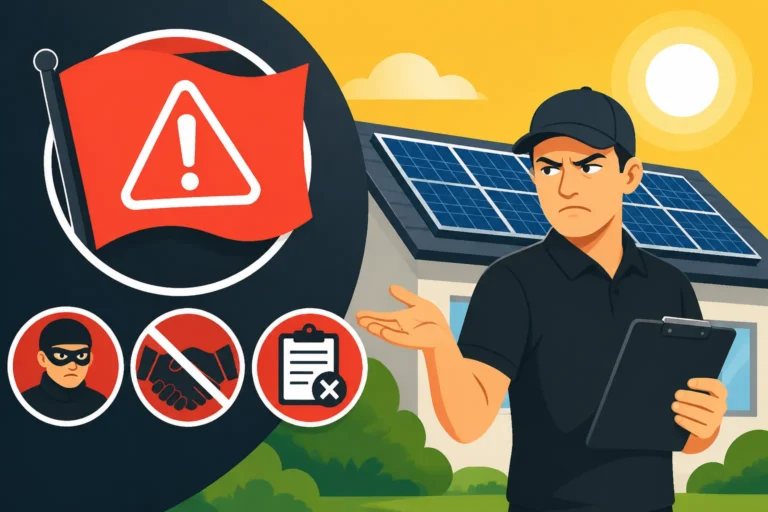
Be wary of high-pressure sales tactics. If an installer demands you sign a contract on the spot or insists that a special price is only available "today," consider that a major Solar Installer Red Flags to Watch For. Reputable companies understand that solar is a big decision and will give you ample time to review proposals and ask questions. They won't try to rush you into a commitment.
Also, compare the projected energy production. Does one quote promise significantly more electricity generation from a similar-sized system than others? While design and panel efficiency can play a role, a wildly optimistic projection without clear justification should raise a red flag. It's crucial that they explain how they calculated your How Many Solar Panels Do I Need for My Home? and the projected output, taking into account factors like your roof's orientation, local weather patterns, and shading.
The Importance of Local Expertise and Customer Service
While equipment specs and price tags are important, the human element of your solar project cannot be overlooked. Choosing an installer with strong local expertise and an unwavering commitment to customer service can make a world of difference in your experience, from the permitting process to long-term system maintenance.
Navigating Local Regulations and Permitting
Every city and county has its own specific rules and regulations when it comes to solar installations. These can include anything from aesthetic requirements (e.g., panels can't be visible from the street in some historic districts) to complex electrical codes and zoning ordinances. An installer with deep local experience will be intimately familiar with these nuances, significantly streamlining the permitting process. They'll know which forms to fill out, which departments to contact, and what to expect from local inspectors.
Imagine trying to navigate this bureaucratic maze on your own, or with an out-of-state company that treats every location identically. Delays are almost guaranteed, leading to frustration and extended timelines. A local installer, like one found through Modernize, often has established relationships with local utility companies and permitting offices, which can help ensure your project moves forward smoothly and efficiently. They understand the specific requirements for your area, whether it's the solar incentives for California Solar Incentives in 2026 or New York Solar Incentives in 2026, or the specific electrical codes in Phoenix or Philadelphia.
This local knowledge also extends to understanding regional weather patterns. An experienced local installer will know the best mounting techniques for high wind areas, how to optimize panel placement for maximum sunlight in areas with frequent cloudy days, or considerations for Do Solar Panels Work in Snow? in colder climates. This specialized insight ensures your system is designed and installed to perform optimally in your specific environment.
Responsive Communication and Problem Solving
Think about any home project: when things go wrong (and sometimes they do, it's just a reality of construction), prompt and clear communication is paramount. A local installer with a strong reputation in the community is far more likely to prioritize responsive customer service. They live and work in your area, and their business depends on positive word-of-mouth.
If you have a question about your bill, notice an anomaly in your system's performance, or need to schedule maintenance, you want to be able to reach someone easily and get a quick, helpful response. Look for installers who have a dedicated customer service team, not just a sales representative. Ask about their typical response times for service requests and how they handle emergencies. Do they offer a dedicated phone line, email address, or an online portal for support?
A good indicator of excellent customer service is how they handle hypothetical problems during the sales process. If you ask, "What if my system isn't producing as much as expected?" or "What if I discover a roof leak after installation?", listen for clear, reassuring answers that outline a transparent process for resolution, rather than vague assurances.
Long-Term Relationship and Maintenance
Going solar is a long-term commitment, and ideally, your relationship with your installer will be too. While solar panels require relatively low maintenance, occasional cleaning or troubleshooting might be necessary. Some installers offer optional maintenance packages, which can include regular inspections, performance checks, and cleaning services. This can be particularly beneficial for ensuring your system consistently operates at its peak efficiency.
Beyond maintenance, having a trusted local contact is invaluable if you decide to expand your system in the future, add a Solar Battery Incentives in 2026 like a Tesla Powerwall or Enphase IQ Battery, or need assistance if you sell your home. They'll already be familiar with your system and property, making any future interactions smoother. This continuity of service from a company that knows your installation inside and out provides significant peace of mind.
Remember, you're not just buying solar panels; you're investing in a partnership with the company that installs and supports them. Prioritizing local expertise and demonstrated customer service excellence often leads to a much more satisfying and stress-free solar ownership experience over the decades to come.
Making Your Final Decision with Confidence
After all the research, questions, and quote comparisons, it's time for the big moment: choosing your solar installer. This final step should be approached with confidence, knowing you've done your due diligence. It's about bringing together all the information you've gathered and making a choice that feels right for you and your home.
Trusting Your Gut and Verifying References
While data and numbers are crucial, don't underestimate the power of your gut feeling. How did you feel about the representatives you interacted with? Did they seem knowledgeable and trustworthy, or did you feel pressured or dismissed? Did they listen to your specific concerns and answer your questions thoroughly, or did they stick to a generic sales script? The best solar experiences often stem from feeling a genuine connection and trust with your chosen installer.
Before signing on the dotted line, consider asking for references – not just from their general pool, but potentially from customers in your immediate area or with similar roof types. Speaking directly with past customers can provide invaluable insights. Ask them about their overall experience, from the initial sales process to installation and post-installation support. Were they happy with the communication? Did the project stay on schedule and within budget? Would they choose that installer again?
It's also a good idea to perform one last check on their credentials. Double-confirm their licensing, insurance, and any relevant certifications. A final verification ensures that everything is in order and that you are working with a fully legitimate and qualified business. A company that stands up to this scrutiny is likely one you can rely on for years to come.
Reviewing the Contract Details Thoroughly
This is perhaps the most critical final step. Never sign a contract without reading every single clause, even the small print. A comprehensive solar contract should clearly outline:
- Total System Cost: The final price, including all equipment, labor, permits, and fees.
- Payment Schedule: When payments are due and under what conditions.
- Equipment Details: Specific brands, models, and quantities of panels, inverters, and any batteries.
- Energy Production Guarantee: If offered, what are the terms and conditions?
- Warranties: Explicit details on product, performance, and workmanship warranties, including duration and what they cover.
- Installation Timeline: Estimated start and completion dates.
- Permitting and Interconnection Responsibilities: Who handles these crucial steps.
- Cancellation Policy: Terms under which either party can terminate the agreement.
- Lien Waivers: Ensuring that once you pay, subcontractors can't place a lien on your property.
If anything in the contract is unclear or different from what was verbally promised, do not sign until it is clarified or corrected in writing. Don't be afraid to ask for explanations or to have certain terms adjusted. A reputable installer will be transparent and willing to ensure you understand every aspect of the agreement. If they resist clarifying or making reasonable adjustments, it's a significant red flag. You want to feel completely confident and informed before committing to such a substantial investment in your home's future energy.
Disclaimer
Please note that the information provided in this guide is intended for general informational purposes only and does not constitute professional advice. Solar incentives, regulations, and technologies are subject to change. We recommend consulting with qualified solar professionals, financial advisors, and tax experts to discuss your specific situation and to verify the most current and accurate information relevant to your location and circumstances.