Do Solar Panels Work in Snow?
One of the biggest questions I hear from folks living in regions that get real winters—you know, the kind with actual snow, not just a dusting—is, "Do solar panels even work when they're covered in white stuff?" It's a completely fair concern. You're investing in a system to generate power, and if it's going to be useless for a significant chunk of the year, that changes the whole equation. This guide will dive deep into how solar panels perform in snowy conditions, what factors influence their efficiency, and how homeowners can still maximize their solar output even when the snowflakes are flying.
The Reality of Solar Panel Performance in Snow
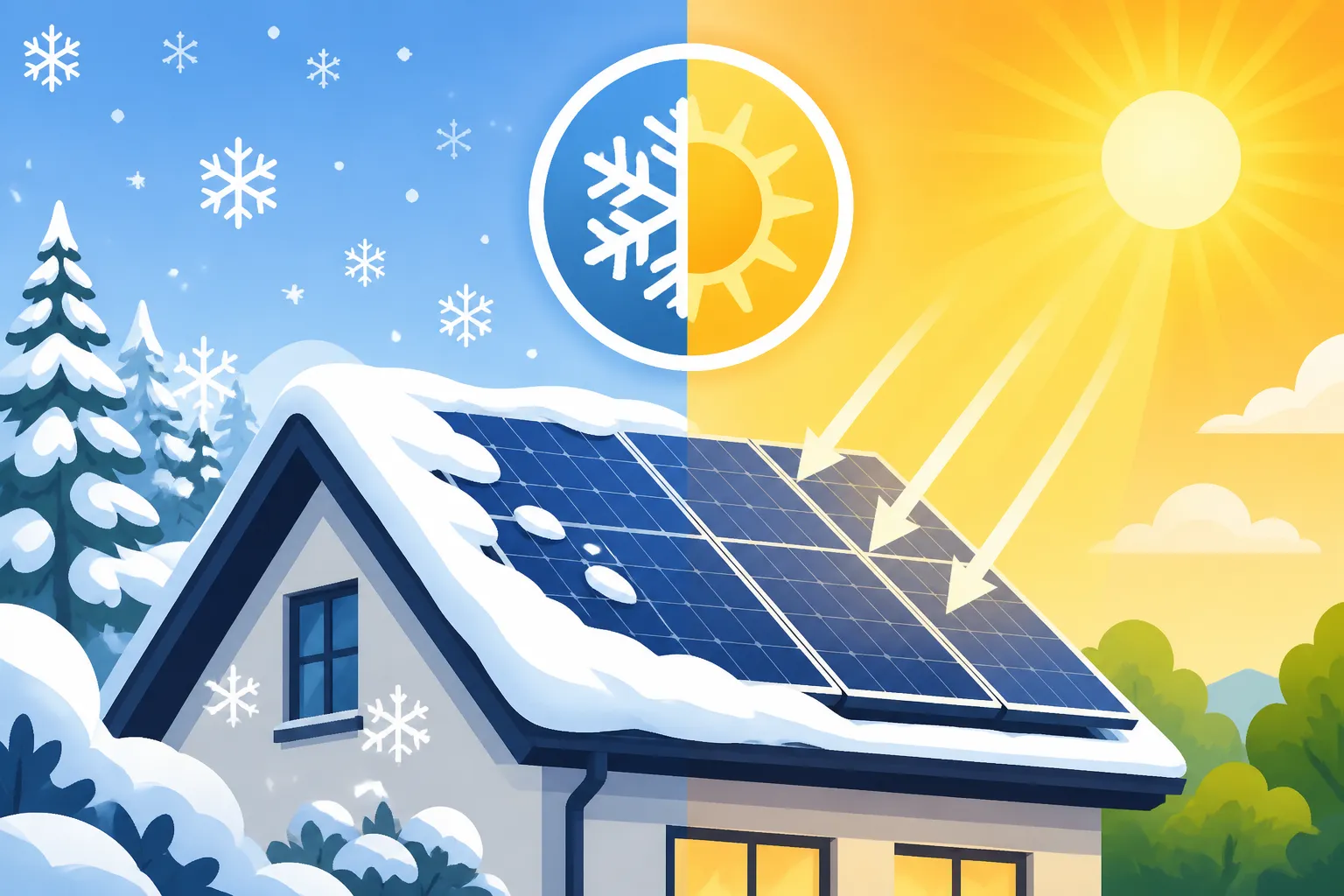
It's a common misconception that solar panels completely stop working the moment a snowflake lands on them. While heavy, persistent snow can significantly impact production, it's rarely a complete shutdown. Think about it: solar panels are designed to capture sunlight, and even on cloudy, overcast days, they still produce some electricity. Snow, however, introduces a direct physical barrier.
How Snow Obstructs Sunlight
When snow blankets your solar panels, it acts like a thick, opaque curtain, blocking the precious sunlight from reaching the photovoltaic cells. This is the primary reason for a dip in production. The amount of light that gets through depends on several factors:
- Snow Depth: A light dusting might only reduce output slightly, as some diffuse light can still penetrate, especially if the snow is fresh and fluffy. A heavy, wet blanket, however, will effectively stop production.
- Snow Type: Dry, powdery snow is easier for panels to shed than heavy, dense, or icy snow. The latter can cling to surfaces, create a stubborn layer, and even refreeze, making it much harder for natural shedding to occur.
- Panel Tilt and Angle: This is a huge one! Panels installed at a steeper pitch (common for roofs in snowy regions) are far better at shedding snow naturally. Gravity does a lot of the work. If your panels are nearly flat, or on a very low-pitched roof, snow can accumulate for longer periods. You might wonder, "What Roof Pitch Is Best for Solar?" and the answer often involves balancing year-round sun exposure with effective snow shedding.
The Silver Lining: Cold Weather Benefits
Here's a bit of a counter-intuitive truth: solar panels actually operate more efficiently in colder temperatures. While extreme heat can degrade a panel's performance slightly, the crisp, cool air of winter can actually boost efficiency if the panels are clear of obstructions. The semiconductor materials in solar cells convert light into electricity more effectively when they're cooler. So, if your panels shed their snow quickly after a storm, they might surprise you with robust production on clear, cold days. It’s like they get a little performance boost from the chilly air.
Natural Snow Shedding from Solar Panels
Fortunately, solar panels aren't just sitting there passively waiting for you to clear them. They have some built-in advantages that help them shed snow on their own, often quicker than you might think. This is a critical aspect when considering if "Do Solar Panels Work in Snow?" is a viable question for your region.
The Physics of Heat and Gravity
The dark surface of solar panels, especially when exposed even to weak sunlight, absorbs thermal energy. This slight warmth is often enough to create a thin layer of meltwater between the snow and the panel surface. Once this interface is created, gravity takes over. The smoother surface of the panel, combined with the slippery meltwater, allows the snow to slide right off, much like a sled on ice.
- Residual Heat: Even if the ambient temperature is below freezing, the panels themselves can generate a small amount of heat when they're producing electricity, or simply absorbing any available sunlight. This residual heat starts the melting process from the bottom layer of snow, right where it meets the panel.
- Melting and Sliding: The tilt of the panels then becomes crucial. A steeper angle ensures that once the bottom layer of snow starts to melt, the entire accumulation can easily slide down and off. This is why installers in snowy regions often recommend a slightly steeper tilt angle for optimal year-round performance.
Factors Influencing Natural Shedding Speed
While gravity and heat are universal, how quickly your panels shed snow can vary greatly:
- Panel Type and Surface: Some panel surfaces are designed to be smoother or have coatings that reduce friction, aiding in snow shedding. However, the differences are often marginal compared to the impact of tilt and temperature.
- Temperature Fluctuations: Days with clear skies following a snowfall, even if cold, allow the sun to warm the panels and melt the snow. If temperatures remain consistently below freezing for extended periods and skies are overcast, shedding will be slower.
- Wind: A good gust of wind can sometimes help clear lighter snow, especially if it's not sticking firmly. However, wind alone usually isn't enough to dislodge heavy, wet, or icy snow.
- Shading: Any tree branches or nearby structures that cast shade on your panels, even during winter, can hinder their ability to warm up and shed snow. This is why How Does Roof Shading Affect Solar? is an important consideration during the initial design phase.
Manual Snow Removal: To Clear or Not to Clear?
This is a hot topic among solar homeowners in snowy climates. The idea of carefully clearing snow off your panels to restore production sounds logical, but it comes with a significant set of considerations.
Risks and Safety Concerns
First and foremost, safety is paramount. Getting on a slippery, snow-covered roof, especially in freezing temperatures, is incredibly dangerous. The risk of falling is high, and no amount of solar production is worth a serious injury.
- Personal Injury: Ladders on ice, slick roof surfaces, and freezing hands can all contribute to dangerous situations. Unless you're a trained professional with proper safety gear, it's generally not recommended to clear your own roof-mounted panels.
- Panel Damage: Using improper tools, like shovels or even stiff brushes, can scratch the glass surface of your panels, impacting their efficiency and potentially voiding your warranty. Even walking on the roof could damage the racking system or the panels themselves if not done correctly. Remember, these panels represent a significant investment, and you don't want to compromise their integrity.
When Manual Clearing Might Make Sense
For most homeowners, especially those with residential rooftop systems, waiting for natural shedding is the safest and often most practical approach. However, there are a few scenarios where manual clearing might be considered, typically by professionals:
- Ground-Mounted Systems: If your solar panels are ground-mounted, clearing them can be much safer and easier. Using a soft broom or a specially designed solar panel snow rake (with a soft head!) from the ground can effectively remove snow without risk to yourself or the panels.
- Extended Heavy Snowfall: In areas prone to very long periods of heavy snow cover, where natural shedding is severely hampered, some homeowners might opt to hire a professional solar cleaning service that specializes in snow removal. These services have the equipment and training to do it safely.
- High-Value Production Periods: If you're nearing the end of your billing cycle and need to maximize every watt-hour, and you have accessible ground-mounted panels, a quick, safe clear might offer a noticeable boost.
Here's a quick comparison of clearing methods:
| Method | Pros | Cons | Recommended For |
|---|---|---|---|
| Natural Shedding | Safest, no effort, no cost, no panel damage | Can take time, zero production during heavy cover | Most rooftop systems |
| Solar Snow Rake | Relatively safe (from ground), effective | Risk of scratching panels if misused, requires purchase of tool | Ground-mounted systems |
| Soft Broom/Brush | Cheap, gentle | Limited reach, requires safe access to panels, still some scratch risk | Easily accessible ground-mounts |
| Professional Service | Safest for rooftop, effective, peace of mind | Costly, might not be available immediately after storm, still minor risk of damage if not reputable | Rooftop systems, deep snow |
It's truly a judgment call, but if in doubt, err on the side of caution and let nature do its thing.
Designing Your Solar System for Snowy Climates
If you live in a place like Buffalo, New York, or Flagstaff, Arizona, where significant snowfall is a given, careful planning and design can make a world of difference in your solar system's winter performance. This ties into larger decisions like "How Many Solar Panels Do I Need for My Home?" because oversizing slightly can compensate for winter dips.
Optimal Panel Tilt and Layout
This is perhaps the single most impactful design choice for snowy regions. When your solar installer, whether found through a service like Modernize or directly, performs a site assessment, they should be taking snow accumulation into account.
- Steeper Angles: Panels tilted at a steeper angle—ideally matching or exceeding your latitude plus 15 degrees for winter optimization—will shed snow much more effectively. Gravity simply has more pull. While this might slightly reduce peak summer production, the year-round benefit of snow shedding often outweighs that small summer loss.
- Avoiding Obstructions: Ensure the panel layout avoids any potential snow traps. For instance, if panels are installed too close to a chimney or a raised section of the roof, snow could accumulate in those areas and prevent shedding. Proper spacing and intelligent placement are key.
- Snow Drift Considerations: Installers should also consider where snow will drift off the panels. You don't want large amounts of snow sliding off and piling up against your windows, doors, or valuable landscaping.
Robust Racking Systems
Heavy snow adds extra weight to your roof and solar array. A reputable installer will always use a racking system that is engineered to withstand the anticipated snow load for your specific climate zone.
- Load Bearing Capacity: Your chosen racking system should have a high load-bearing capacity to safely support the weight of multiple feet of snow. This is a structural engineering consideration that good installers prioritize.
- Durability: The components of the racking system should be made from durable, corrosion-resistant materials (like aluminum or stainless steel) that can stand up to harsh winter conditions, including freeze-thaw cycles.
- Secure Attachment: The panels must be securely attached to the racking, and the racking system firmly anchored to your roof structure. This ensures the entire array remains stable and safe, even under significant snow and wind loads. This also plays into the question of "Can My Roof Hold Solar Panels?"—it's not just the weight of the panels, but the added weight of potential snow.
Boosting Winter Production and Resilience
Even with the best design, winter can bring cloudy days and periods of lower production. Modern solar systems offer solutions to help bridge these gaps and keep your energy flowing.
Solar Batteries for Energy Storage
This is where solar batteries truly shine in snowy or less sunny climates. A solar battery like a Tesla Powerwall or an Enphase IQ Battery can store excess energy generated on clear winter days, or during the sunnier months, for use when your panels are underperforming due to snow or short daylight hours.
- Offsetting Production Dips: When your panels are snow-covered, or when the sun sets early, your home can draw power directly from your battery instead of relying solely on the grid. This significantly reduces your reliance on utility electricity and helps maintain consistent energy savings throughout the winter.
- Backup Power: Beyond daily energy management, a battery also provides crucial backup power during winter storms that often bring power outages. While solar panels themselves generally don't work during a grid outage unless paired with a battery (due to safety mechanisms for utility workers), a battery system will keep your essential circuits running. This makes the question "Do Solar Panels Work During a Power Outage?" much easier to answer with a 'yes' if you have a battery.
- Optimizing Net Metering: In some states with less favorable net metering policies, or where the value of exported energy is lower, a battery helps you self-consume more of your generated power, maximizing the value of every kilowatt-hour. For more on this, you might explore "Net Metering Explained: How It Works by State" to understand your local rules.
Oversizing Your System and Monitoring
Sometimes, the simplest solution for winter dips is to plan for them from the start.
- Slightly Larger System: By installing a slightly larger solar panel system than you might need purely for sunny months, you can compensate for periods of reduced sunlight and snow cover in winter. This "oversizing" allows you to generate enough annual electricity to meet your needs, even with seasonal fluctuations. Your solar professional, perhaps found via Modernize, can help calculate the ideal size for your specific climate and energy goals.
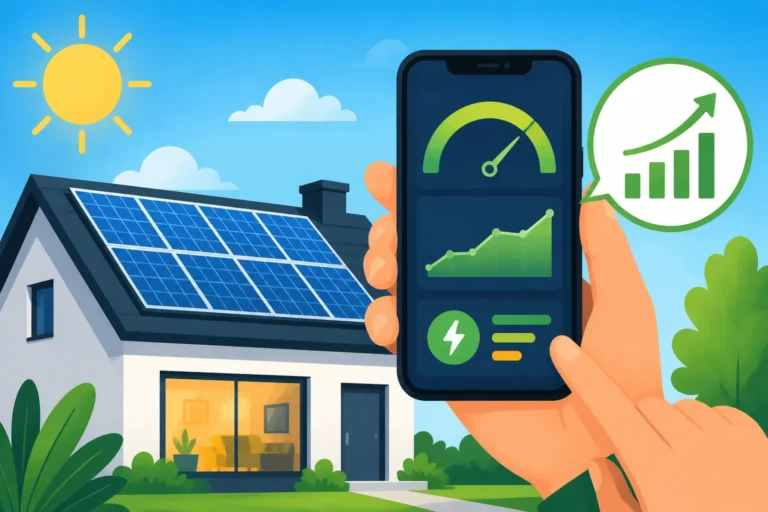
- Performance Monitoring: Modern solar systems come with sophisticated monitoring apps (from companies like Enphase, SolarEdge, or Tesla) that allow you to track your real-time production from your phone or computer. This helps you understand how well your panels are performing, even on snowy days, and can help you identify if snow is truly a long-term problem or just a temporary blip. You can see when panels naturally shed snow and when production resumes. This data is invaluable for understanding your system's efficiency year-round.
- Considering "Best Solar Panels for Snow & Cold": While all good quality panels perform well, some are designed with slightly better low-light performance, which can be beneficial on overcast winter days. Always check product warranties for performance in varied conditions.
Long-Term Outlook for Solar in Winter Climates
The landscape for solar in regions with significant winters is continuously evolving, and generally, it's a positive trend. As technology improves and more people adopt solar, installers gain more experience in optimizing systems for challenging conditions.
Advancements in Technology
Solar technology isn't standing still. We're seeing innovations that directly benefit performance in less-than-ideal conditions:
- Improved Low-Light Performance: Panels are getting better at capturing diffuse light, which is common on cloudy winter days. While they won't produce full power, they'll still be generating more than older generations of panels.
- More Efficient Batteries: Battery technology is advancing rapidly, offering higher capacities, faster charging, and more competitive pricing. This makes them an increasingly attractive complement to solar systems, especially where grid resilience and winter energy independence are priorities. You can learn more about "Solar Battery Incentives in 2026" which make these a more viable option.
- Smart Inverters and Optimizers: These components help maximize the output of individual panels, meaning if one panel is partially shaded or snow-covered, it won't drag down the performance of the entire array. This is especially helpful when only a portion of your array sheds snow quicker than others.
The Economic Case for Winter Solar
Even with seasonal variations in production, the overall economic benefits of solar in winter climates remain strong, particularly when viewed over the long term.
- Reduced Electricity Bills: While your winter electricity bill might still have a grid component due to lower solar production, your annual savings from solar will likely be substantial. The high production months of spring, summer, and fall will often offset the lower winter months.
- Long-Term Investment: Solar panels are a long-term investment, often lasting 25-30 years or more. Over this lifespan, they will significantly reduce or eliminate your electricity bills, provide protection against rising utility rates, and even increase your home's value. The "Solar Panel Payback Period Explained" is a calculation that takes into account these seasonal variations to give you a realistic timeline.
- Environmental Impact: Beyond the financial benefits, going solar means reducing your carbon footprint year-round, contributing to a cleaner, more sustainable future, even during the snowy months.
So, while a heavy snowfall will temporarily reduce your solar production, your panels are far from useless in winter. With thoughtful design, modern technology, and perhaps the addition of a battery, your home solar system can be a robust energy solution even in the chilliest, snowiest climates.
Disclaimer
The information provided in this article is for general informational purposes only and does not constitute professional advice. Homeowners should consult with qualified solar professionals for site-specific assessments, system design, and installation recommendations, especially concerning local snow load requirements and safety considerations. Local regulations and incentive programs can change, so always verify current information.