Can My Roof Hold Solar Panels?
It’s a totally valid concern many homeowners share: you're excited about the idea of going solar, envisioning those sleek panels soaking up the sun, but then a wave of worry hits. Can your roof actually handle the extra weight? Will it collapse? Is it too old, or is the structure just not strong enough? These aren't silly questions; they're essential ones that need solid answers before you even think about signing a contract. This comprehensive guide will walk you through everything you need to know about assessing your roof's capacity for solar, from understanding panel weight to identifying structural red flags and finding the right professionals to ensure a safe, successful installation.
Understanding Solar Panel Weight and Roof Loads
When you picture solar panels, you might just think of the panels themselves. But a complete solar energy system involves more than just the panels; there's racking, mounting hardware, wiring, and inverters, all contributing to the total load on your roof. It's crucial to understand these components and how they translate to weight and structural demands.
How Much Do Solar Panels Really Weigh?
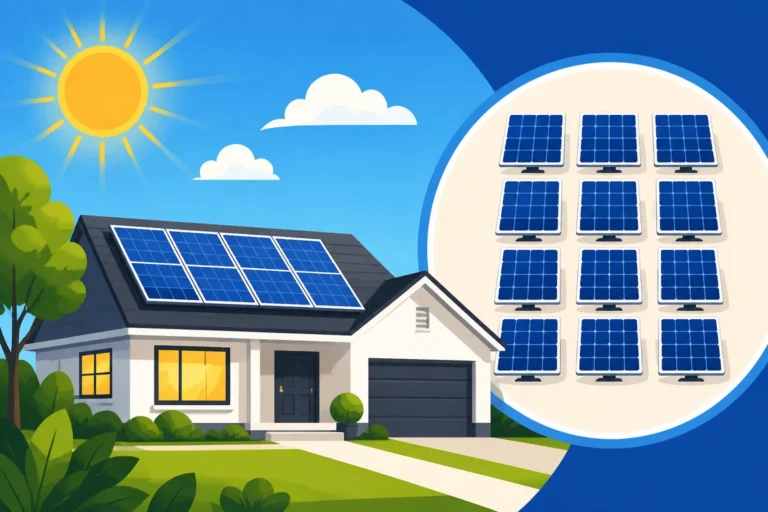
Let's talk numbers. An individual solar panel typically weighs between 40 to 50 pounds, although some can be heavier, especially commercial-grade or bifacial panels. For instance, a common residential panel like a Qcells Q.PEAK DUO ML-G10+ 400W panel usually clocks in around 48.5 pounds. Imagine you need 20 of these panels for your home – that's already close to 1,000 pounds.
But that's just the panels. The mounting hardware, rails, clamps, and possibly microinverters or power optimizers attached to each panel add a bit more. When fully installed, a typical residential solar system adds about 3 to 5 pounds per square foot to your roof. For a 6 kW system on an average 1,500 square foot roof that requires around 15-20 panels, the total added weight could easily be between 750 to 1,250 pounds. This might sound like a lot, but most modern roofs are designed to handle significant loads, often much more than just a few pounds per square foot. The real question is whether your specific roof, considering its age and construction, can handle it safely and for decades to come. If you're wondering how many panels you might need for your home, our guide on How Many Solar Panels Do I Need for My Home? can help you estimate.
Beyond Just Weight: Understanding Live Loads and Dead Loads
When engineers talk about roof capacity, they consider two main types of loads: dead loads and live loads.
- Dead Loads are the constant, stationary weight your roof supports, including the roofing materials themselves (shingles, tiles, decking), the roof structure (rafters, trusses), and anything permanently attached to it, like your chimney, HVAC units, or, yes, solar panels. So, when solar panels are installed, they become part of your roof's dead load.
- Live Loads, on the other hand, are temporary or variable weights. This includes things like snow accumulation, ice, wind pressure, and even people walking on the roof during maintenance. In areas prone to heavy snowfall, like Denver, Colorado, or windy coastal regions, live loads can be substantial. For example, a heavy snowfall can add 10 to 20 pounds per square foot or more, depending on the wetness and depth of the snow. Strong winds can create uplift or downward pressure that also needs to be accounted for.
Your roof’s structural integrity is designed to handle a combination of these loads. Building codes specify minimum dead and live load capacities based on your geographical location and climate. A home built in Florida, for instance, will have different wind load requirements than one built in Minnesota, which will prioritize snow loads. A professional solar installer, often working with a structural engineer, will always assess these factors to ensure your proposed solar system doesn't push your roof beyond its safe limits, especially when combined with local weather conditions. This comprehensive approach ensures that your solar investment is not only efficient but also structurally sound and safe for the long haul.
Key Factors Determining Your Roof's Suitability
Not all roofs are created equal when it comes to supporting solar. Several critical factors play a role in determining whether your specific roof is a good candidate for solar panels. Ignoring these details can lead to costly problems down the line, so it's essential to understand what makes a roof suitable or unsuitable.
Roof Age and Condition: Is Your Roof Too Old for Solar?
The age and overall condition of your roof are paramount. Solar panels are a long-term investment, often lasting 25 to 30 years or more. You wouldn't want to install a brand new solar system on a roof that's already halfway through its lifespan. The typical asphalt shingle roof, for example, lasts about 20-25 years. If your roof is already 10-15 years old, it's highly advisable to consider replacing it before installing solar. Our article on Roof Age: When to Replace Before Solar delves into this in detail.
Think about it: once solar panels are on, removing and reinstalling them for a roof replacement can add several thousand dollars to the cost. It's much more economical to do any necessary roof work beforehand. Beyond age, inspect your roof for signs of wear and tear: missing or curling shingles, widespread moss or algae growth, visible sagging, or water stains on your interior ceilings. These are all red flags that indicate a roof may not be robust enough for solar, or at least needs significant repairs first. A reputable solar installer will often recommend a thorough roof inspection and might even advise against installation if the roof's condition is poor, as they want their installation to last as long as the panels do. For more insights, you might find our guide on Do I Need a New Roof Before Solar? particularly helpful.
Roof Type and Material Compatibility
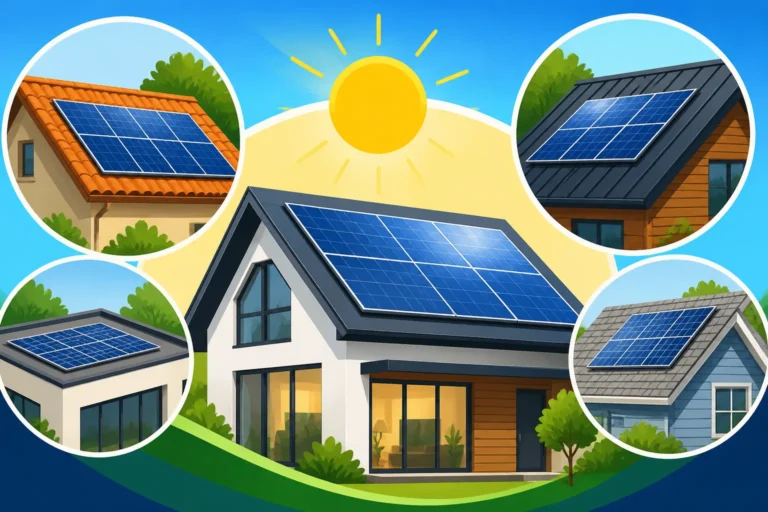
Different roofing materials have varying levels of compatibility and installation methods for solar panels.
- Asphalt Shingles: These are the most common and generally easiest for solar installation. Mounts are typically flashed and sealed directly into the roof decking, under the shingles, to prevent leaks.
- Metal Roofs: Standing seam metal roofs are excellent for solar. The clamps can attach directly to the seams without penetrating the roof, preserving its integrity. Corrugated metal roofs may require penetrations, but these are usually sealed effectively.
- Tile Roofs (Clay, Concrete): These can be more challenging. Tiles are fragile and often need to be carefully removed, replaced with a flashing, and then reinstalled or cut around. This can add complexity and cost to the installation, but it’s certainly doable with experienced installers.
- Flat Roofs: Commercial buildings often have flat roofs, but some residential homes do too. Solar can be installed using ballasted systems (where the array is weighted down, not penetrated) or tilted racking systems that create an optimal angle for sun exposure.
- Slate Roofs: These are beautiful and durable but incredibly delicate and expensive to repair. Many solar installers are hesitant to work on slate roofs due to the risk of breakage during installation, which can significantly drive up costs.
The choice of roofing material directly impacts the installation process and potential for roof damage if not handled correctly. An experienced solar installer will know the best mounting techniques for your specific roof type and should be able to explain them clearly. You can learn more about how different roofs are handled in our article How Are Solar Panels Attached to a Roof?.
Structural Integrity: Rafters, Trusses, and Support Systems
At the core of your roof's ability to support solar panels is its underlying structural integrity. This means examining the rafters, trusses, and sheathing that form the skeletal system of your roof.
- Rafters and Trusses: These are the primary load-bearing components. Standard residential roofs are typically built to handle about 40 pounds per square foot (psf) of live load (like snow) and 10-15 psf of dead load (the roof materials themselves). Given that solar panels add only about 3-5 psf of dead load, most well-built roofs can handle this without issue. However, older homes, homes with previous roof damage, or those with unusual roof designs might have compromised structural elements.
- Sheathing/Decking: This is the plywood or OSB layer that covers the rafters or trusses and supports the roofing material. It needs to be sound and free of rot or water damage.
- Signs of Weakness: Visible sagging in the roofline from the street, significant cracking in interior ceilings, or unusual creaking noises in your attic could all indicate underlying structural issues. If you notice any of these, it's paramount to get a professional evaluation before even considering solar.
A qualified solar installer will conduct a thorough assessment, often including an attic inspection, to check the condition and spacing of your rafters or trusses. If there's any doubt, or if local building codes require it, they will recommend a structural engineer's review to ensure your roof can safely accommodate the additional weight and wind loads for decades. This step is critical for your safety and the longevity of your solar investment.
The Solar Site Survey and Structural Assessment Process
So, how do you actually figure out if your roof is up to the task? This isn't a DIY job for the average homeowner. It requires specialized knowledge and tools, which is why a professional site survey and, sometimes, a structural assessment are standard parts of the solar installation process.
What to Expect During a Solar Site Survey
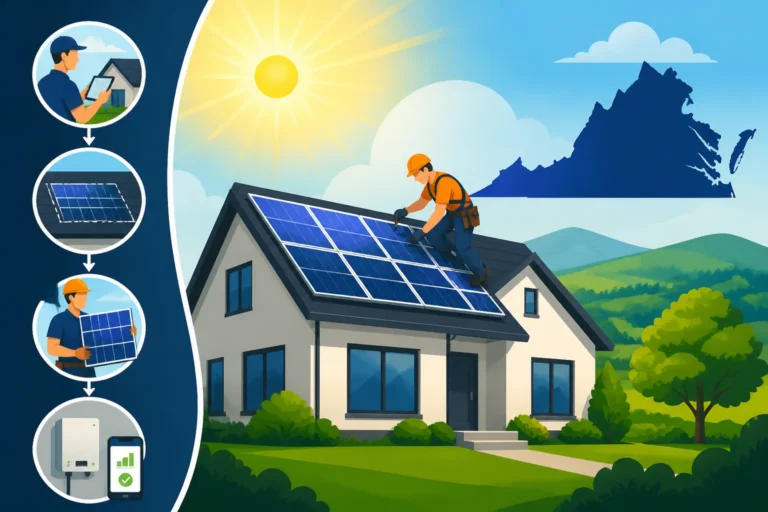
Once you’ve expressed interest in solar, a reputable company will schedule a detailed solar site survey. This isn't just about looking at your roof from the ground. This is the crucial step where the rubber meets the road. A solar professional will typically visit your home to:
- Measure Your Roof: They’ll get precise dimensions, including roof planes, angles (pitch), and cardinal directions. This helps determine how many panels can fit and how much sunlight each area receives.
- Assess Shading: They'll use specialized tools, sometimes even drone technology, to map out any shading from nearby trees, chimneys, or other buildings throughout the year. This is vital because even a small amount of shade on one panel can significantly reduce the output of an entire string of panels.
- Inspect Electrical Infrastructure: They'll check your main electrical panel, service entrance, and current wiring to ensure it can handle the new solar system and meet code requirements. This is where they determine if an electrical upgrade might be needed, which can add to the overall Solar Panel Cost.
- Evaluate Roof Condition: Most importantly for this discussion, they'll perform a visual inspection of your roof's surface for obvious damage, age, and material type. They will often go into your attic to inspect the rafters or trusses, looking for signs of water damage, rot, or insufficient support that might compromise the structure. This initial assessment helps them design a system that not only maximizes energy production but also ensures structural integrity. If you want to know more about this step, check out our guide on What Is a Site Survey for Solar?.
When a Structural Engineer's Review is Necessary
While the solar installer's site survey is comprehensive, there are specific situations where an independent structural engineer's report becomes a non-negotiable step:
- Older Homes: Houses built before modern building codes (say, pre-1980s) might have roof structures that weren't designed to handle the additional weight of solar panels, especially when considering snow and wind loads. An engineer can assess the original construction and recommend any necessary reinforcements.
- Visible Sagging or Damage: If the installer notices any signs of bowing, significant deterioration, or suspected water damage during their attic inspection, they will almost certainly call for an engineer to provide a detailed analysis.
- Complex Roof Designs: Multi-gabled roofs, roofs with dormers, or unusual architectural features can sometimes have more complex load distributions, necessitating an expert’s eye.
- Local Building Code Requirements: Some municipalities or homeowner associations (HOAs) specifically require a stamped structural engineering report for all solar installations, regardless of the home's age or apparent condition. This is particularly common in areas with strict seismic or hurricane codes.
An engineer's report provides peace of mind and, crucially, ensures your solar system is installed safely and to code, preventing potential issues down the road. They'll confirm that the proposed system won't exceed your roof's load-bearing capacity and identify any weak spots that need attention.
Addressing Potential Roof Reinforcements
If the structural assessment reveals that your roof needs a little extra muscle to safely support solar panels, don't despair! Reinforcement is often a straightforward process.
- Common Reinforcements: This typically involves adding additional lumber (like sistering new rafters next to existing ones), strengthening existing trusses, or adding new support beams in the attic. These measures distribute the weight more effectively across the roof structure.
- Cost Implications: Naturally, these reinforcements come with an added cost. The expense can vary widely depending on the extent of the work, but it's important to factor this into your overall solar budget. It's an investment in the long-term safety and stability of your home and solar system. A good solar installer will provide transparent quotes for any necessary structural work, or work with trusted partners. When thinking about overall costs, remember to also factor in things like Solar Permit & Interconnection Fees.
- Permitting: Any structural modifications will require additional permits from your local building department, which your solar installer or a general contractor should handle. This ensures the work meets local safety standards. While it might add a bit of time and expense to the Solar Installation Timeline: What to Expect, these steps are crucial for a safe and compliant installation. Remember, cutting corners here could lead to serious structural problems, not to mention voiding warranties or insurance. It’s always better to address these concerns proactively rather than dealing with catastrophic failures later.
Common Roof Challenges and Solutions for Solar Installation
Even if your roof isn't a perfect fit from the get-go, there are often smart solutions to overcome common challenges. The key is working with an experienced professional who can identify issues and propose viable, cost-effective remedies.
Dealing with Shading and Obstructions
One of the biggest enemies of solar panel efficiency is shade. Even partial shading on a single panel can drastically reduce the output of an entire string of panels in older systems.
- Identifying Shading Sources: During the site survey, the installer will meticulously map out any shading from trees, chimneys, dormers, satellite dishes, or even neighboring buildings.
- Tree Trimming/Removal: Often, the simplest solution for tree shading is to trim branches or, in some cases, remove the tree entirely. This is a homeowner's decision and cost, but it can significantly boost solar production.
- Microinverters or Power Optimizers: Modern solar systems frequently use microinverters (like those from Enphase) or power optimizers (like SolarEdge) which are installed at each individual panel. These devices allow each panel to operate independently. So, if one panel is shaded, the others continue to produce at full capacity, minimizing efficiency losses across the entire system. This technology is a game-changer for roofs with unavoidable shading.
- Panel Placement: Sometimes, the best solution is simply strategic panel placement. The installer might design the array to avoid heavily shaded areas entirely, even if it means installing fewer panels than initially planned. It's about maximizing output from the available unshaded space.
Understanding and mitigating shading is crucial for maximizing your solar investment. It ensures you get the most out of every ray of sunshine hitting your roof.
Roof Repair and Replacement Before Solar
As we touched on earlier, installing solar panels on an aging or damaged roof is generally a bad idea. It's like putting new tires on a car with a failing engine.
- Why Replace First? The main reason is logistics and cost. Solar panels are designed to stay on your roof for 25+ years. If your roof needs replacing in 5-10 years, you'll have to pay to have the panels removed, stored, and then reinstalled, which can easily add thousands of dollars to the total cost. Doing the roof replacement beforehand means the solar panels can be installed once and left undisturbed for their entire lifespan.
- Seamless Integration: Many solar installers also offer roofing services, or partner with local roofing companies. This can streamline the process, allowing for a single project plan and often a single point of contact. This ensures proper flashing and sealing are done from the ground up, minimizing the risk of leaks down the road. Addressing potential roof leaks is a valid concern for homeowners, and a properly installed system should never cause them. Our article, Do Solar Panels Cause Roof Leaks?, clarifies this common worry.
- Financing Options: Some solar loans or home improvement loans can even roll the cost of a new roof into the financing for your solar system, making it more manageable. This proactive approach ensures both your roof and your solar system are robust and ready for decades of performance.
Alternative Installation Options if Your Roof Can't Support Solar
What if, after all the assessments, it turns out your roof just isn't suitable, or the cost of reinforcement is too prohibitive? Don't give up on solar entirely! There are excellent alternative solutions:
- Ground-Mount Solar: If you have enough usable land on your property, ground-mount systems are a fantastic option. They can often be oriented more precisely to the sun's path and are easier to clean and maintain. They're also not constrained by roof age or structure. We explore this further in Ground-Mount vs Roof-Mount Solar.
- Solar Carports: These structures serve a dual purpose: providing shade and shelter for your vehicles while simultaneously generating electricity. They can be a great way to utilize space that might otherwise go unused, especially in sunny climates like Arizona or Florida.
- Community Solar: For those without suitable roof space or land, or who live in apartments or condos, community solar programs allow you to subscribe to a share of a larger, off-site solar farm. You receive credits on your electricity bill for the power generated by your share, effectively enjoying the benefits of solar without installing anything on your property. Our guide on Community Solar: How It Works & Who Qualifies offers more information.
These alternatives ensure that even if your roof isn't the ideal spot, you can still participate in the clean energy revolution and enjoy the long-term savings that solar provides.
Finding the Right Professionals to Evaluate Your Roof
Navigating the world of solar can feel daunting, especially when trying to figure out the technicalities of your roof. This is where partnering with knowledgeable and trustworthy professionals becomes invaluable. They'll be your guides through the entire process, ensuring every detail, including your roof's integrity, is handled correctly.
The Role of a Qualified Solar Installer
A reputable solar installer isn't just someone who puts panels on your roof. They are your primary point of contact and the orchestrators of your entire solar project. Their responsibilities extend far beyond the physical installation:
- Initial Consultations and Design: They'll discuss your energy needs, budget, and aesthetic preferences. Using this information, combined with satellite imagery and your utility bills, they'll design a preliminary system tailored to your home.
- Comprehensive Site Survey: As discussed, they'll perform a detailed site survey, including roof measurements, shading analysis, electrical assessment, and initial structural checks. They'll be looking to identify any red flags related to your roof's condition or capacity.
- Navigating Permits and Regulations: Solar installations require various permits (electrical, building, sometimes zoning) from local authorities. A good installer handles all the paperwork, ensuring your project complies with all local codes and regulations, including those related to structural integrity.
- System Sizing and Equipment Selection: They’ll recommend the appropriate number of panels and the best type of inverters (string, microinverters, or power optimizers) for your specific roof and energy goals. They'll also consider factors that affect overall cost, like What Affects the Cost of Solar Panels?.
- Project Management and Installation: From ordering equipment to scheduling the installation crew and coordinating with utility companies for interconnection (getting Permission to Operate), a qualified installer manages the entire process.
When choosing an installer, look for companies with strong local reputations, proper licensing, and certifications (like NABCEP). Ask for references and read reviews. Platforms like Modernize can connect you with pre-screened, reputable solar professionals in your area, helping you compare quotes and find the right fit. Our guide on How to Choose a Solar Installer offers more tips on making this critical decision.
Why a Roofing Professional Can Be Your Best Ally
While your solar installer will assess your roof, sometimes getting a separate, independent opinion from a dedicated roofing professional can provide an extra layer of confidence, especially if your roof is older or has visible issues.
- Independent Assessment: A roofing contractor specializes exclusively in roofs. They can provide an unbiased, detailed assessment of your roof's current condition, life expectancy, and any underlying structural problems that might be missed during a general solar site survey. They can confirm if your roof can indeed support the added load, giving you peace of mind about the foundation of your solar investment.
- Combined Projects: If your roof needs repairs or replacement before solar installation, a roofing professional can give you an accurate quote and timeline for that work. Many homeowners choose to combine their roof replacement and solar installation projects, as it can be more cost-effective and efficient in the long run. This ensures that when the solar panels go on, they’re sitting on a brand-new, robust surface that will last for decades.
- Warranty and Leak Prevention: A professional roofer can also provide specialized warranties on their work, separate from the solar installer's warranty. This is particularly important for preventing leaks, which are a top concern for homeowners considering rooftop solar. Knowing that both your roof and your solar system are covered by solid warranties from expert tradespeople is invaluable.
It’s about having the right experts in the right places. While your solar installer will manage the overall project, a roofing professional offers deep expertise specifically on the roof itself. Using a service like Modernize to find both solar and roofing contractors can streamline the process, allowing you to get multiple quotes and ensure all aspects of your project are handled by top-tier pros.
Disclaimer
Please note that this content is intended for informational purposes only and does not constitute professional advice. Solar system design, roof structural integrity, and local regulations vary significantly by location and individual property. Always consult with certified solar professionals and, if recommended, a structural engineer or licensed roofing contractor to obtain accurate assessments and advice tailored to your specific situation before making any decisions regarding solar installation.