Solar Installation Process in Virginia
Embarking on the solar journey in Virginia can feel like stepping into a maze of paperwork, regulations, and technical jargon, leaving many homeowners feeling overwhelmed and unsure where to even begin. It's a common frustration to want to embrace clean energy and save on electric bills, only to be met with a seemingly complex process that varies from one county to the next. This comprehensive guide is designed to demystify the solar installation process specifically for homeowners in the Old Dominion, breaking down each step from initial consultation to system activation, so you can confidently go solar.
Navigating Virginia's Unique Solar Environment
Virginia, with its diverse landscape ranging from coastal plains to the Appalachian Mountains, presents a unique set of considerations for solar power. Understanding the state's regulatory framework and the role of local utilities is crucial before you even start looking at panels. It's not just about sunshine; it's about how Virginia embraces and manages renewable energy.
Key State and Local Regulations
While the federal government offers significant incentives, the real nitty-gritty of going solar often comes down to state and local rules. In Virginia, the good news is that the state generally supports solar development, but the specifics can certainly vary. You’ll find that localities like Fairfax County, Loudoun County, or even Virginia Beach might have slightly different requirements for building permits, zoning ordinances, and even aesthetic guidelines for solar installations. This means that while the general process is consistent, the exact forms and timelines will differ depending on whether you're in Richmond, Roanoke, or a rural county.
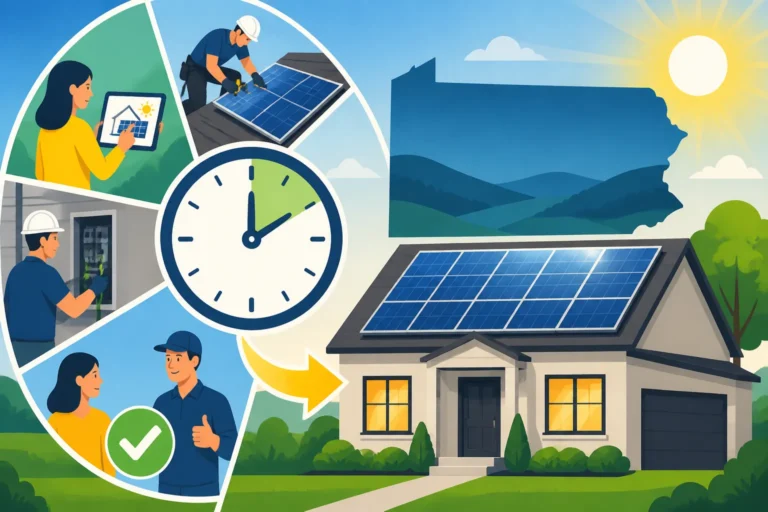
For instance, many Virginia localities offer some form of property tax exemption for solar energy equipment. This is a huge benefit, as it means your home's value might increase due to solar without an accompanying rise in your property taxes. However, it's not universal, so checking with your specific county or city's assessor's office is a vital early step. Your chosen solar installer should be well-versed in these local nuances, but it never hurts to be informed yourself. Understanding these local requirements is key to avoiding unexpected delays during the Solar Installation Timeline: What to Expect.
Energy Grid and Utility Companies
In Virginia, your utility company plays a massive role in your solar journey. The two largest investor-owned utilities are Dominion Energy and Appalachian Power, but many residents are also served by electric cooperatives like Rappahannock Electric Cooperative or municipal utilities. Each of these entities has its own set of rules and procedures for connecting your new solar system to their grid, a process known as "interconnection." This is where you really need to pay attention, because delays here can hold up your system from generating power, even after it's physically installed.
These utilities are responsible for managing the flow of electricity, and they need to ensure your solar setup is safe and won't negatively impact the grid. They'll have specific application forms, engineering review processes, and sometimes even their own fees. Critically, these utilities also administer Virginia's net metering policies. Net metering allows you to send excess electricity your panels produce back to the grid for credit on your electric bill. This is a game-changer for offsetting your energy costs, and understanding your utility's specific Net Metering Explained: How It Works by State policy is fundamental to calculating your potential savings.
The Step-by-Step Solar Installation Journey in Virginia
Going solar isn't an overnight process, but it's certainly a well-trodden path. Knowing what to expect at each stage can help you manage your expectations and ensure a smoother experience. Think of it like building a new addition to your home – it requires careful planning, permits, and skilled labor.
Initial Assessment and System Design
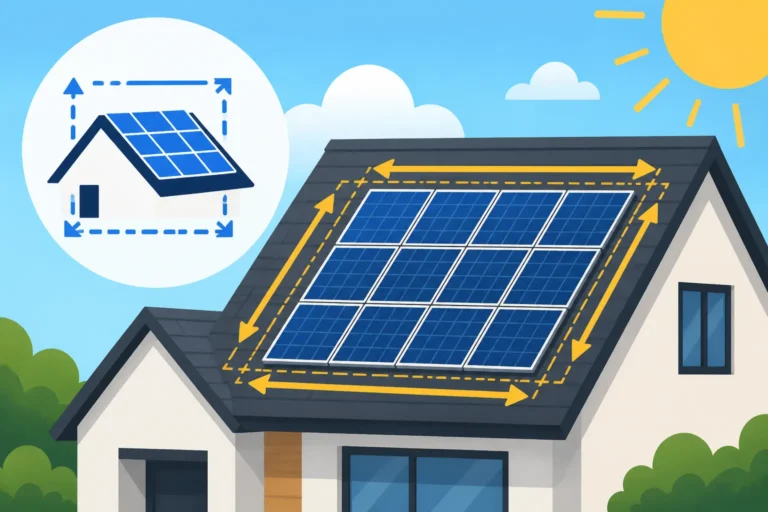
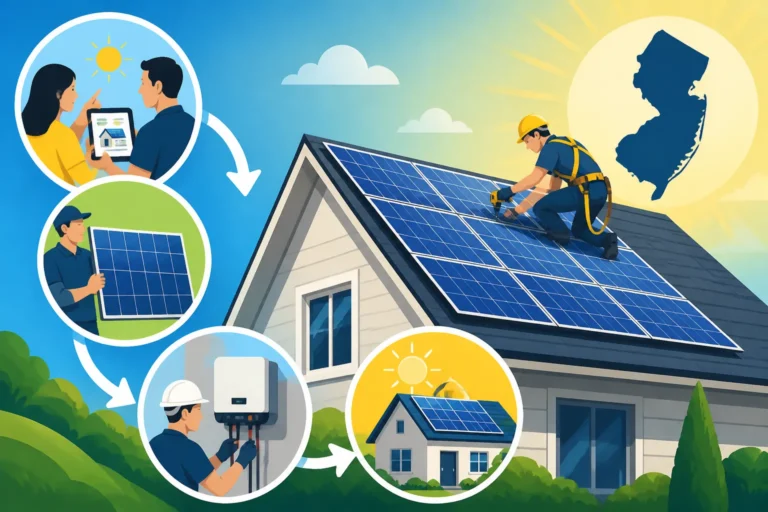
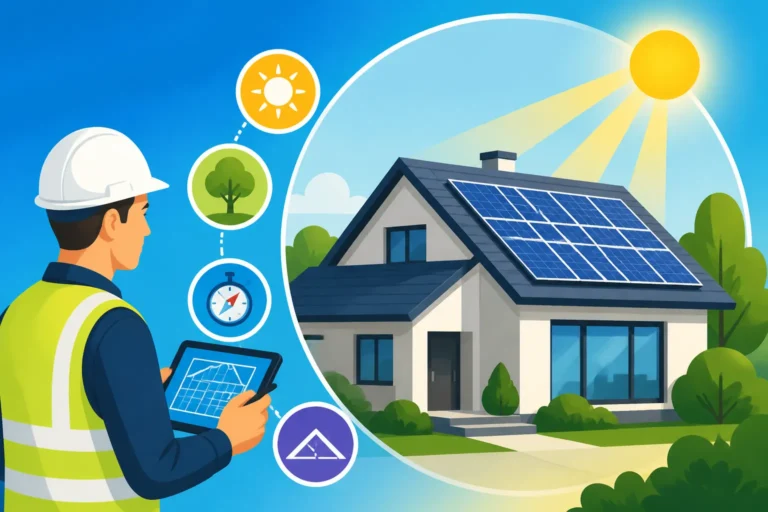
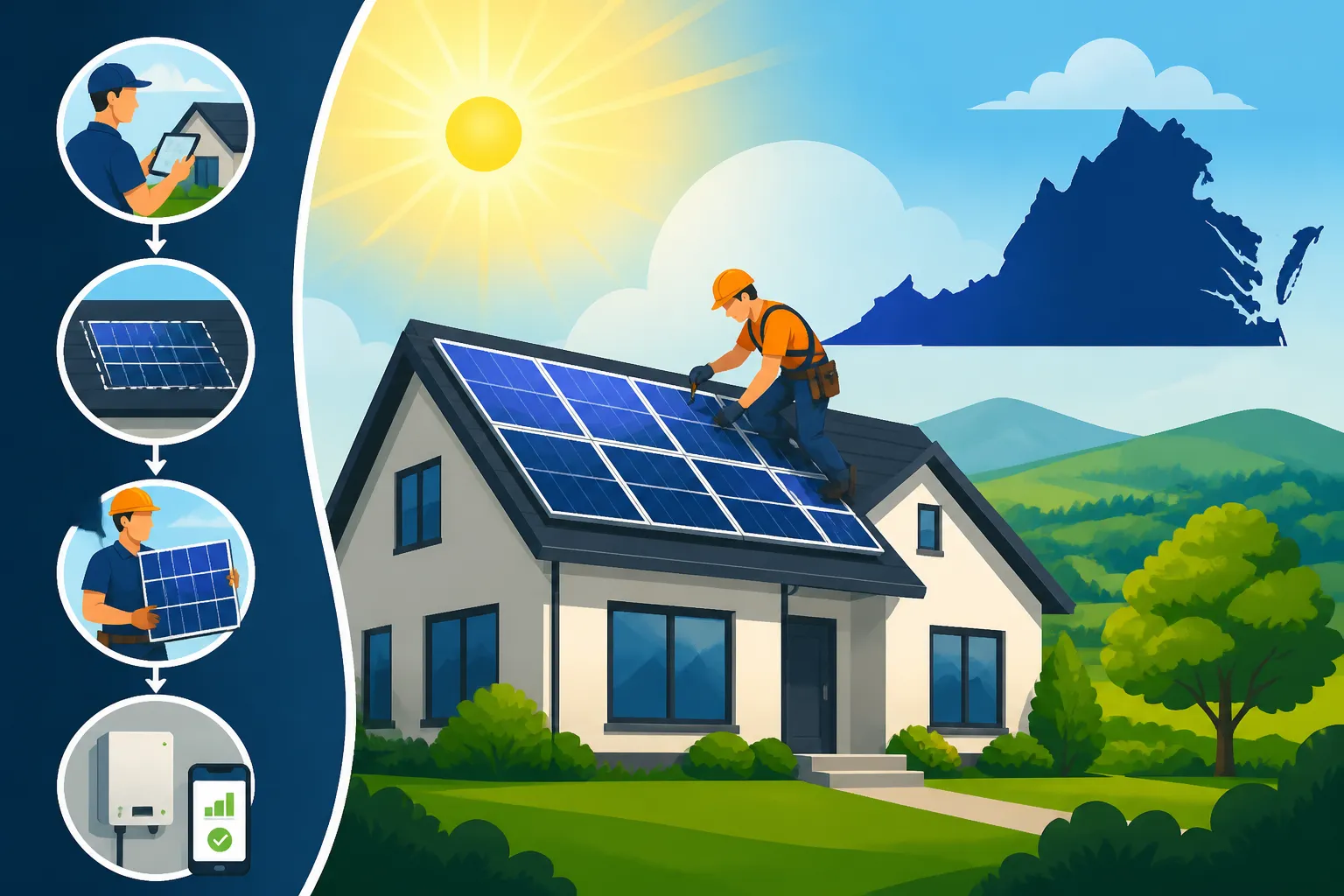
Your solar journey truly begins with a comprehensive assessment of your home and energy needs. A reputable solar company will start with a site survey, which might involve a physical visit to your property or a detailed remote analysis using satellite imagery. They'll examine your roof's condition, angle, and sun exposure, identifying any potential shading issues from trees or nearby structures. This is also where they'll consider your current electricity usage, usually by reviewing your past utility bills.
Based on this data, a solar design team will create a customized system for your home. This design isn't just about how many panels fit on your roof; it's about optimizing their placement for maximum sunlight capture throughout the day and year, considering factors like pitch and orientation. They’ll help you determine How Many Solar Panels Do I Need for My Home? to offset your energy consumption. They'll also consider your preferences, like whether you want battery storage to protect against outages, and recommend specific equipment, such as Best Solar Panels of 2026 and inverters. This detailed design forms the backbone of your project and is crucial for securing permits and ensuring efficient production.
Permitting and Interconnection Application
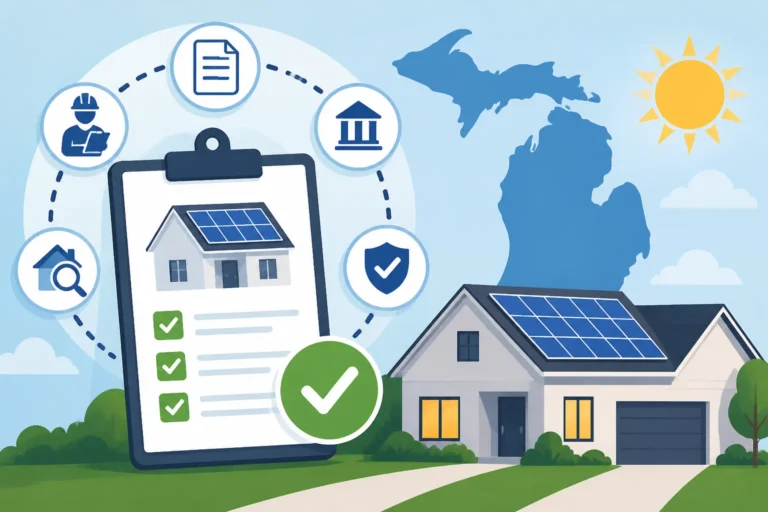
This is often the stage where homeowners feel the most anxiety, but a good installer will handle the heavy lifting. Once you've approved the system design and signed a contract, your installer will prepare and submit all the necessary applications. This includes obtaining local building permits from your county or city's planning department. These permits ensure that your solar installation meets local structural, electrical, and safety codes. The specific requirements can vary significantly. For instance, a home in rural Augusta County might have a different permitting process than one in bustling Arlington.
Simultaneously, your installer will also submit the interconnection application to your utility company (Dominion Energy, Appalachian Power, etc.). This application details your proposed system and requests permission to connect it to the grid. The utility will review the design to ensure it meets their technical standards and safety protocols. This step is critical because without the utility's approval, known as "Permission to Operate" (PTO), your system cannot legally generate power back to the grid. Patience is key here, as these administrative steps can often take several weeks, or even a few months, depending on the municipality and utility workload. Our guide on Solar Permitting & Interconnection (PTO) Explained offers more insight into this process.
Installation Day and System Activation
Once all permits and interconnection approvals are in hand, it’s time for the exciting part: installation! The actual physical installation of solar panels on your roof typically takes just a few days for most residential systems. A crew of certified installers will arrive to mount the racking system, attach the solar panels, install the inverters (which convert the DC power from your panels into usable AC power), and run the necessary electrical wiring. They'll connect everything safely and efficiently, ensuring your roof remains watertight and your home's electrical system is upgraded to handle the new power flow.
After the installation is complete, your local building department will conduct a final inspection to ensure everything was installed according to code. Once this passes, the utility company will perform its own final inspection and, if everything checks out, they will grant you Permission to Operate (PTO). This usually involves swapping out your old meter for a new net meter that can track both the electricity you draw from the grid and the excess electricity your solar panels send back. Only after you receive PTO can you flip the switch and start generating your own clean electricity and reaping the financial benefits! It's a truly satisfying moment when you see that meter start spinning backward (or at least showing net consumption) for the first time.
Important Considerations for Virginia Homeowners
While the process outlined above is fairly universal, a few Virginia-specific factors deserve special attention. Being aware of these can make a significant difference in your overall experience and the long-term performance of your solar investment.
Choosing the Right Virginia Solar Installer
Selecting the right solar installer is arguably the most critical decision you'll make in your solar journey. A good installer will guide you through every step, ensure quality workmanship, and be around for warranty support for years to come. In Virginia, you want an installer with a proven track record in the state, intimately familiar with local building codes, utility interconnection processes for companies like Dominion Energy or Appalachian Power, and any specific county regulations.
Don't just go with the first quote you get. Ask for multiple bids and compare them thoroughly. Check their licensing (Virginia requires contractors to be licensed), insurance, and references. Look for certifications like those from the North American Board of Certified Energy Practitioners (NABCEP). Read online reviews, especially from other Virginia homeowners. A good company like Modernize can help connect you with reputable local installers who understand the Virginia market. Ask What Questions to Ask a Solar Installer to ensure you’re making an informed decision. Remember, you're not just buying solar panels; you're buying a long-term relationship with the company that installs and supports them.
Here's a quick comparison of what to look for:
| Feature | Reputable Virginia Installer | Less Reliable Installer |
|---|---|---|
| Licensing & Insurance | Class A or B Virginia contractor license, full liability insurance | Unlicensed, minimal insurance, or out-of-state only |
| Local Knowledge | Familiar with Dominion Energy/Appalachian Power, local VA permits | Generic process, unaware of VA utility/county specifics |
| System Design | Custom design, detailed energy analysis, shading assessment | Cookie-cutter solutions, minimal understanding of your usage |
| Product Offerings | Wide range of quality panels (e.g., Qcells, REC), inverters | Limited, often push only one brand, potentially lower quality |
| Warranty & Support | Comprehensive product, performance, and workmanship warranties | Vague warranties, difficulty reaching support |
| Reputation | Strong local references, positive online reviews (BBB, Google) | Few local reviews, past complaints, high-pressure sales tactics |
Financial Incentives and Savings Specific to Virginia
While the federal solar tax credit (the Investment Tax Credit or ITC) has historically been a major driver for solar adoption across the U.S., including Virginia, it's essential to understand its status and other available incentives. For homeowners considering solar, the current federal incentives are still strong, offering a significant percentage off the total cost of your system. You can learn more about Federal Solar Incentives That Still Exist in 2026.
Beyond federal programs, Virginia homeowners should absolutely look into local incentives. As mentioned, many Virginia counties and cities offer Solar Property Tax Exemptions by State, meaning your home's value can increase due to solar without a corresponding rise in property taxes. This is a huge benefit that can save you thousands over the life of your system. Additionally, some local utilities might offer their own rebate programs or special rates for solar customers, though these are less common than in some other states. Always ask your installer, or check directly with your utility, about any unique programs you might qualify for. Understanding the full scope of available incentives will significantly impact your Solar Panel Payback Period Explained and overall financial return.
Common Roadblocks and How to Overcome Them
No major home improvement project is without its potential hiccups, and solar installation is no exception. Being forewarned about common challenges in Virginia can help you navigate them more smoothly.
Permitting Delays and Navigating Bureaucracy
One of the most frequent frustrations homeowners encounter is the unpredictable nature of permitting. While your solar installer will handle the paperwork, the actual processing times are often out of their hands. Building departments in Virginia's larger, more populated counties like Fairfax, Prince William, or Loudoun, might have a higher volume of applications, leading to longer wait times. Conversely, smaller, rural counties might have fewer staff, which can also cause delays. It's a delicate balance.
To overcome this, patience is certainly a virtue, but so is choosing an experienced installer. A seasoned Virginia solar company will have established relationships with local permit offices and understand their specific requirements, submitting complete and accurate documentation the first time. This reduces the chances of applications being sent back for revisions. You can also proactively engage by asking your installer for regular updates and understanding the specific contact person or department at your local government office. Sometimes, a polite follow-up can gently move things along.
Understanding Your Utility's Role
The utility interconnection process can sometimes be as challenging as permitting, largely due to the sheer size and bureaucracy of companies like Dominion Energy. After your system is installed and inspected by the locality, the utility still needs to give its final blessing (PTO) before you can power on and begin offsetting your electricity costs. This involves their own review, and often a site visit to verify the installation meets their standards and to install the net meter.
The key here is communication and clear expectations. Your installer should clearly outline the utility's specific timeline for interconnection in your area. For instance, in areas served by Dominion Energy, the process usually follows a set timeline, but unexpected backlogs can occur. Stay informed about Virginia's net metering rules and any potential changes – policies can evolve, and what's true today might be slightly different tomorrow. A good installer will keep you abreast of these changes and advocate on your behalf with the utility to ensure a smooth transition from installation to active power generation.
Disclaimer
The information provided in this guide is intended for general informational purposes only and does not constitute professional advice. Solar policies, incentives, and costs can change rapidly. Always consult with qualified solar professionals and local authorities to confirm the most current and accurate information for your specific situation in Virginia.