Solar Installation Process in New Jersey
Thinking about going solar in New Jersey? It's exciting, but the whole process can feel a bit overwhelming, right? From trying to understand state-specific programs like the SuSI incentive to navigating local permits in towns like Trenton or Newark, it’s easy to feel lost in a sea of jargon and timelines. This comprehensive guide is here to demystify the solar installation journey specifically for New Jersey homeowners, breaking down each step so you know exactly what to expect.
Understanding New Jersey's Solar Landscape
New Jersey has long been a leader in solar energy, thanks to its proactive policies and strong incentives. For homeowners, this means a generally favorable environment, but also a specific set of rules and programs to understand. It’s not just about slapping panels on your roof; it’s about plugging into a system designed to encourage renewable energy adoption.
Key Regulations and State Programs in the Garden State
When you decide to go solar in New Jersey, you're stepping into a state that has actively cultivated its solar industry. Historically, the state was known for its Solar Renewable Energy Certificates (SRECs), and while that program has evolved, the commitment to solar remains strong. Today, the state's main incentive program is the Successor Solar Incentive (SuSI) Program, which includes the Administratively Determined Incentive (ADI) for most residential projects and the Competitive Solar Incentive (CSI) for larger installations.
The SuSI program aims to provide long-term support for solar development, replacing the older SREC system with a more stable, fixed-price incentive. This means that for every megawatt-hour (MWh) of electricity your solar system generates, you earn a set value in what's called an "SREC-II" or "New Jersey SREC-II / SuSI Program Guide" credit. These credits are then bought by electricity suppliers who need to meet their renewable energy obligations. The value is often more predictable than the old SREC market, which can offer greater peace of mind about your long-term savings. Beyond SuSI, it's crucial to understand your utility's net metering policies. While not as robust as some historical programs, net metering still allows you to send excess solar electricity back to the grid for credits, significantly reducing your reliance on grid power. You can learn more about New Jersey Net Metering Rules in 2026 to see how this impacts your potential savings.
Why New Jersey is a Prime Spot for Solar
You might think of New Jersey as a densely populated state, perhaps not an obvious solar haven like sunny Arizona or California. However, you'd be surprised! New Jersey actually receives a decent amount of sunshine throughout the year, especially from spring through fall. What truly makes New Jersey shine for solar, though, are the robust state-level incentives and the high cost of electricity. When you combine these factors, the financial case for solar becomes incredibly compelling for many homeowners across the state, from the shores of Cape May to the suburbs of Bergen County.
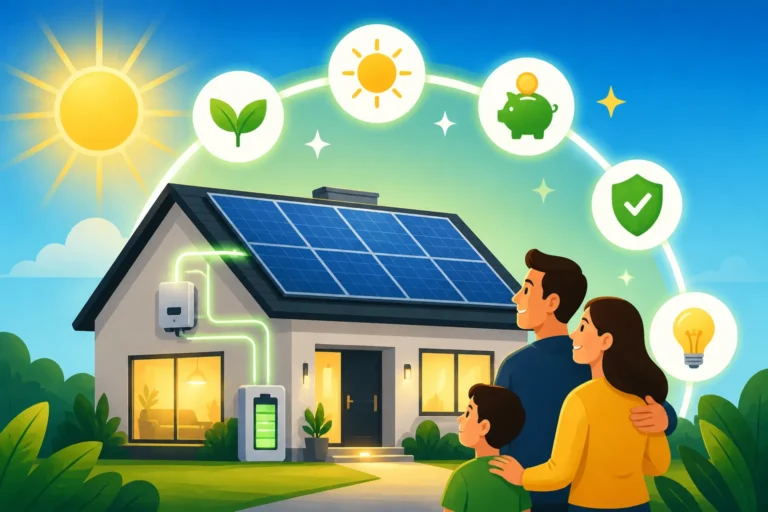
Furthermore, the rising awareness of climate change and the desire for energy independence motivate many New Jersey residents to make the switch. Imagine having control over your electricity bills, knowing you're contributing to a cleaner environment, and even increasing your home's value. These are tangible benefits that many homeowners are actively seeking. While the federal solar tax credit is a major boost nationwide, New Jersey's specific policies make it one of the "Best States for Solar Incentives in 2026", ensuring that your investment is well-supported.
The Step-by-Step New Jersey Solar Installation Process
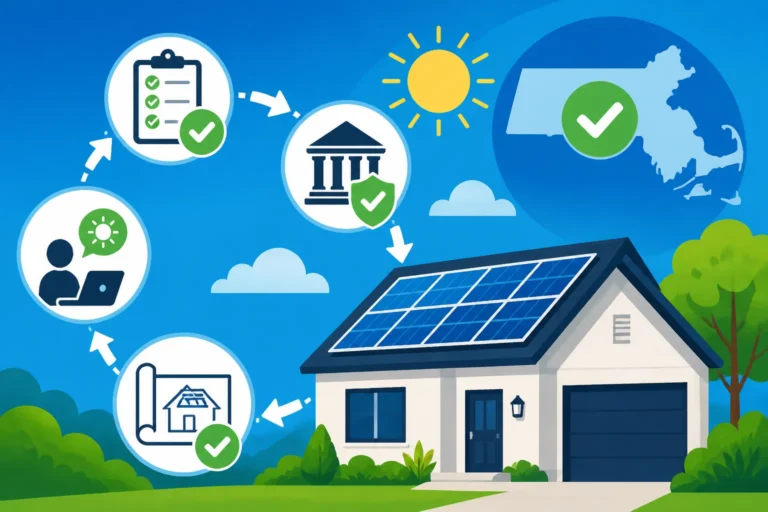
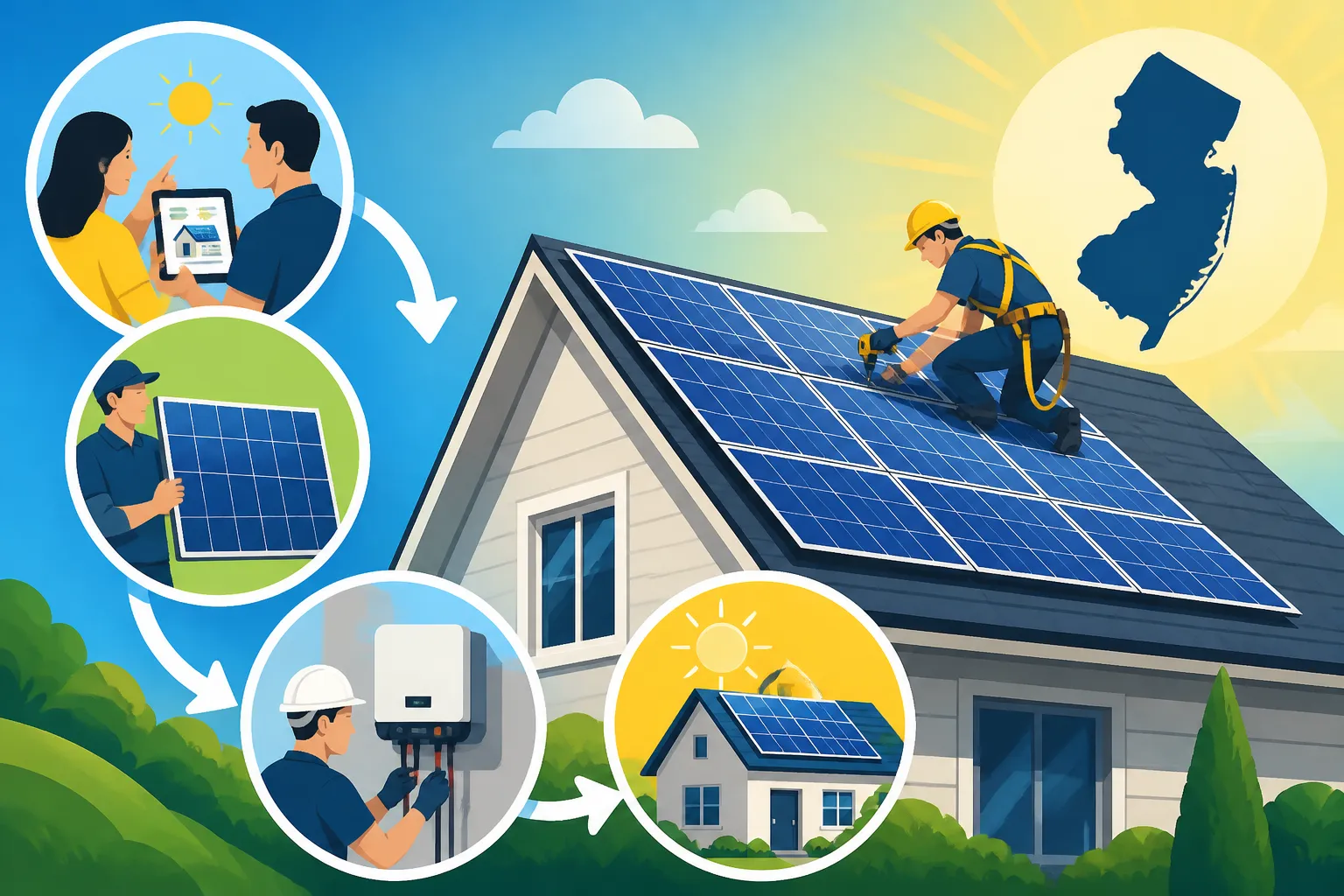
Going solar in New Jersey is a multi-stage process, but knowing each step ahead of time can make it much smoother. It's not just about the physical installation, but also the paperwork, approvals, and activations that precede and follow it.
Initial Consultation and Site Assessment
Your solar journey typically begins with an initial consultation. This is where you’ll chat with a solar professional about your energy needs, current electricity bills, and what you hope to achieve with solar. A reputable installer will then perform a detailed site assessment. This isn't just a quick glance at your roof; it's a thorough evaluation that takes into account several critical factors unique to your property.
During this assessment, the installer will look at your roof's condition, age, and material to determine if it's suitable for solar panels. They'll assess your roof's pitch, orientation (south-facing is generally ideal, but east/west can also be very effective), and any potential shading from trees or neighboring buildings. They'll also review your historical electricity usage to design a system that's appropriately sized for your household's demands. Companies like Modernize can help connect you with pre-screened installers who understand the nuances of New Jersey homes and can provide accurate assessments. This initial step is vital to understanding Roof Considerations for Solar Panels and figuring out How Many Solar Panels Do I Need for My Home?.
Design, Permitting, and Approvals
Once the site assessment is complete and you've decided to move forward, the real behind-the-scenes work begins. This is where your chosen installer designs a custom solar system for your home, taking into account your energy usage, roof characteristics, and any specific aesthetic preferences you might have. They’ll select the right panels, inverters, and mounting hardware, aiming for optimal energy production.
After the design is finalized, the permitting process kicks off, which can sometimes feel like the slowest part of the entire journey. Every municipality in New Jersey has its own specific requirements for solar permits. For example, getting approval in Jersey City might differ slightly from the process in Edison or Cherry Hill. Your installer will submit detailed plans to your local building department for electrical and structural permits. They'll also handle the interconnection agreement with your utility company (like PSE&G, Atlantic City Electric, or JCP&L), which is essential for connecting your system to the grid and benefiting from net metering. This entire phase involves a lot of paperwork and coordination, so choosing an installer with strong local experience is key. For more detail, refer to Solar Permitting & Interconnection (PTO) Explained.
Installation Day and System Activation
This is the day many homeowners eagerly anticipate! Once all permits and approvals are in hand, the physical installation can begin. While the total solar installation timeline can range from a few weeks to several months due to permitting, the actual panel installation on your roof typically takes just a few days, depending on the system's size and complexity.
A crew of certified installers will arrive at your home to mount the racking system, install the solar panels, wire them to your inverters, and connect everything to your electrical panel. After the physical installation is complete, there will be a series of inspections by local building officials and your utility company. Once these inspections pass, your utility grants "Permission to Operate" (PTO). This is the green light! At this point, your system can be officially activated, and you can start generating your own clean electricity and watching those electricity bills drop. It’s a moment of celebration, really, seeing that meter spin backward or slow down for the first time.
Navigating Challenges and Maximizing Your Solar Investment
While the New Jersey solar market is mature and supportive, there are still aspects you should be aware of to ensure your investment is successful and stress-free. Choosing the right partners and understanding your system post-installation are paramount.
Choosing the Right Installer in New Jersey
This is arguably one of the most critical decisions you'll make in your solar journey. A good installer isn’t just about putting panels on your roof; it’s about providing excellent customer service, accurate information, and reliable long-term support. In a state like New Jersey, with a competitive market, it's essential to compare multiple quotes and check references. Don't be swayed by the first offer that comes your way, especially if it sounds too good to be true.
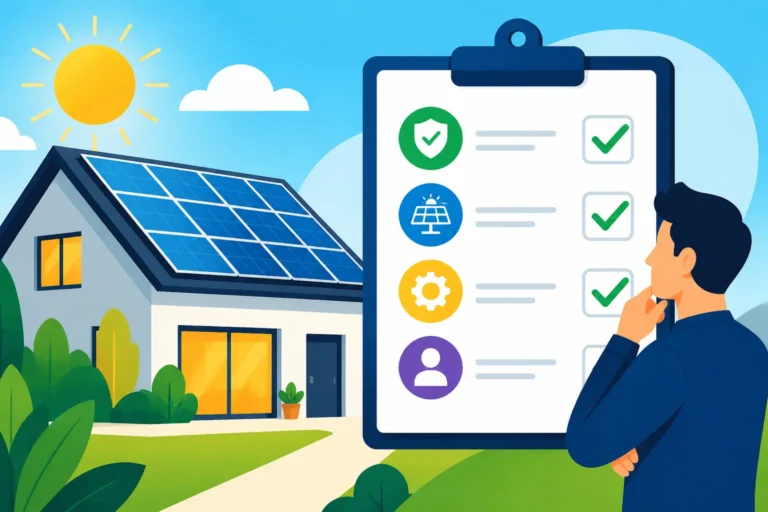
Look for installers with a strong local presence and a proven track record. Check their licensing, insurance, and customer reviews on independent platforms. Ask about their experience with New Jersey-specific permitting processes and utility interconnection requirements. A trustworthy installer will walk you through everything, from the initial site visit to explaining your Solar Panel Warranties Explained and managing the SuSI program application. Platforms like Modernize can be a great resource for finding reputable, pre-vetted installers in your area, helping you compare options and ensuring you're working with professionals who truly understand the local landscape. Don't hesitate to ask a lot of questions, including about their warranties and post-installation support. If you want to know more, explore How to Choose a Solar Installer.
Understanding Post-Installation Operations and Maintenance
Once your solar system is up and running, it mostly takes care of itself, which is one of the beauties of solar! However, understanding how to monitor its performance and what minimal maintenance might be needed is crucial for maximizing its lifespan and energy output. Most modern solar systems come with monitoring apps that allow you to track your energy production in real-time, often right from your smartphone. This helps you quickly identify any potential issues, though problems are rare.
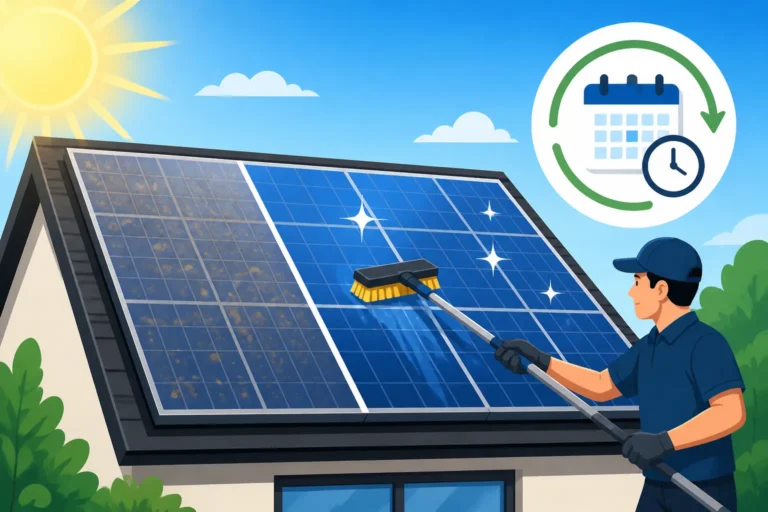
Maintenance for solar panels is generally low. In New Jersey, periodic cleaning might be beneficial, especially if dust, pollen, or bird droppings accumulate and noticeably impact performance. Rain often takes care of most of the cleaning for you, but a gentle rinse with a hose can sometimes be helpful. It’s also wise to keep an eye on any trees that might grow and start shading your panels over time. Your installer should provide guidance on how to monitor your system and what signs to look for that might indicate a need for service. Don’t forget to familiarize yourself with Solar Panel Maintenance & Cleaning practices to keep your system performing at its peak for years to come. Ultimately, your solar system is a long-term asset, and a little attention goes a long way in ensuring it delivers on its promise of clean, affordable energy.
Here’s a quick overview of the key phases in a New Jersey solar project:
| Phase | Description | Typical Duration (New Jersey) | Key Actions |
|---|---|---|---|
| Initial Assessment | Energy usage analysis, roof evaluation, shade analysis | 1-2 weeks | Site visit, detailed quote, financial projections |
| System Design | Custom system layout, equipment selection | 1-2 weeks | Engineering plans, component specification |
| Permitting & Utility | Local building permits, utility interconnection application & approval | 2-12 weeks (highly variable) | Submitting plans to municipality & utility (e.g., PSE&G, JCP&L), obtaining PTO |
| Installation | Physical mounting of panels, wiring, inverter setup | 2-5 days | Crew on-site, electrical work, system setup |
| Inspection & Activation | Final inspections by local authorities & utility, system startup | 1-3 weeks | Official sign-off, turning on the system, SREC-II program enrollment |
| Monitoring & Maintenance | Ongoing performance tracking, occasional cleaning | Ongoing (25+ years) | App monitoring, occasional roof rinse, tree trimming if needed |
Disclaimer
The information provided in this guide is intended for general informational purposes only and does not constitute professional advice. Solar policies, incentives, and regulations can change frequently. Readers should consult with qualified solar professionals, local authorities, and financial advisors to determine the most accurate and up-to-date information applicable to their specific situation in New Jersey.