Solar Panel Cleaning: How and How Often
You’ve invested in solar panels, watching your electricity bills shrink and feeling good about your carbon footprint. But then you look up at your roof, and what do you see? Not the sparkling, pristine black rectangles that first caught your eye, but panels covered in a dusty haze, a few bird droppings, or even a stubborn layer of pollen. It's a common concern for many homeowners: do solar panels really need cleaning, how often, and is it something you can even do yourself? This comprehensive guide will walk you through everything you need to know about keeping your solar array in top shape, ensuring it continues to deliver the maximum energy and savings you expect.
Why Cleaning Your Solar Panels is More Important Than You Think
When you first go solar, everyone talks about the savings, the incentives, and the technology. What often gets overlooked is the simple, yet crucial, act of keeping those panels clean. It might seem like a minor detail, but the reality is, dirty solar panels can quietly chip away at your system's performance and long-term value, leading to real frustration when your energy production isn't quite what you anticipated.
The Impact of Dirt and Debris on Efficiency
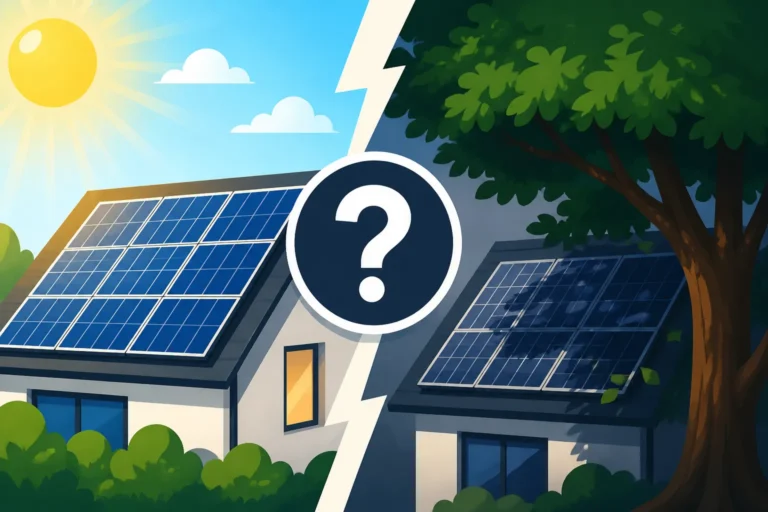
Think of your solar panels like tiny, sun-loving sponges. Their job is to absorb as much sunlight as possible and convert it into electricity. Now, imagine putting a dirty film over that sponge. It simply can't soak up as much as it could if it were clean, right? The same principle applies to solar panels. Dust, pollen, leaves, bird droppings, and even industrial soot can accumulate on the surface of your panels, blocking sunlight from reaching the photovoltaic cells. This blockage directly translates into a reduction in the amount of electricity your system can produce.
Studies and real-world data consistently show that dirty panels operate at a lower efficiency. While a light film of dust might only cause a minimal drop of 1-2%, heavy accumulation from sources like construction dust, agricultural activity, or prolonged dry spells can lead to losses of 10-20% or even more. Over a year, these small daily losses add up, meaning you're buying more electricity from the grid than you should be, effectively diminishing the financial benefits of your solar investment. It's a silent drain on your savings that you might not even notice until you check your monitoring app and see lower-than-expected production. If you want to understand more about how your system performs, exploring how to monitor solar panel performance is a great next step.
Protecting Your Investment and Warranty
Your solar panel system is a significant investment, often designed to last 25 years or more. Just like you wouldn't neglect oil changes for your car or regular maintenance for your HVAC system, your solar panels benefit from care. Regular cleaning isn't just about immediate efficiency; it's about preserving the physical integrity of the panels themselves. While modern panels are incredibly durable, excessive build-up of certain corrosive substances (like some bird droppings or industrial pollutants) can, over a very long time, potentially affect the panel surface.
Furthermore, some warranties, particularly for performance, might implicitly assume a certain level of maintenance. While it's rare for a warranty to mandate cleaning, a system that consistently underperforms due to neglect could lead to questions about whether you're getting the most out of your panels. Protecting your investment also means ensuring you get the maximum lifespan and energy production out of them, which cleaning certainly contributes to. Understanding your solar panel warranties explained will give you peace of mind regarding what is covered and for how long.
Visual Appeal and Home Value
Let's be honest, beyond the numbers and the efficiency, there's a certain pride in having a beautiful, well-maintained home. Sparkling solar panels, neatly arranged on your roof, contribute to that aesthetic. Conversely, panels caked in grime or covered in unsightly streaks can detract from your home's curb appeal. While this might seem superficial, it can have practical implications, especially if you're considering selling your home.
When potential buyers see solar panels, they often view them as an asset, a modern upgrade that saves money. However, if those panels look neglected, it can raise concerns about the overall maintenance of the property and the system's effectiveness. A well-cared-for solar array signals a responsible homeowner and a system that's likely performing optimally, potentially adding more value to your home. It’s not just about the tangible energy savings; it's about the perceived value and attractiveness of your property.
Determining Your Solar Panel Cleaning Schedule
One of the most common questions homeowners ask is, "How often do I really need to clean my solar panels?" The answer, frustratingly, isn't a simple one-size-fits-all. It really depends on a host of factors unique to your home and environment. There's no set calendar date that applies to everyone, but rather a flexible approach based on observation and local conditions.
Factors Influencing Cleaning Frequency
The truth is, solar panels don't usually need daily or even monthly cleaning for most homes. For many residential systems, a good cleaning once or twice a year is perfectly sufficient to maintain optimal performance. However, several elements can significantly alter this recommendation:
- Local Climate: If you live in an area with frequent heavy rainfall, nature might do a lot of the cleaning for you. Rain can wash away loose dust and pollen. Conversely, if you're in a dry, arid region like Arizona or parts of California, where dust storms are common and rain is scarce, you might need to clean more often.
- Proximity to Dirt Sources: Is your home near a busy construction site, an unpaved road, an agricultural area (especially during harvest or planting seasons), or an industrial zone that generates a lot of airborne particulates? These environments will deposit dirt onto your panels much faster than a quiet suburban street.
- Tree Coverage: While shade from trees is generally bad for solar production, trees also drop leaves, sap, and pollen, which can accumulate on your panels. Even if your panels are clear of shade, nearby trees can still contribute to debris build-up.
- Bird Activity: If your roof is a popular stop for local birds, their droppings can be particularly problematic. Not only are they unsightly, but they can be stubborn to remove and create significant "hot spots" of shading that reduce efficiency.
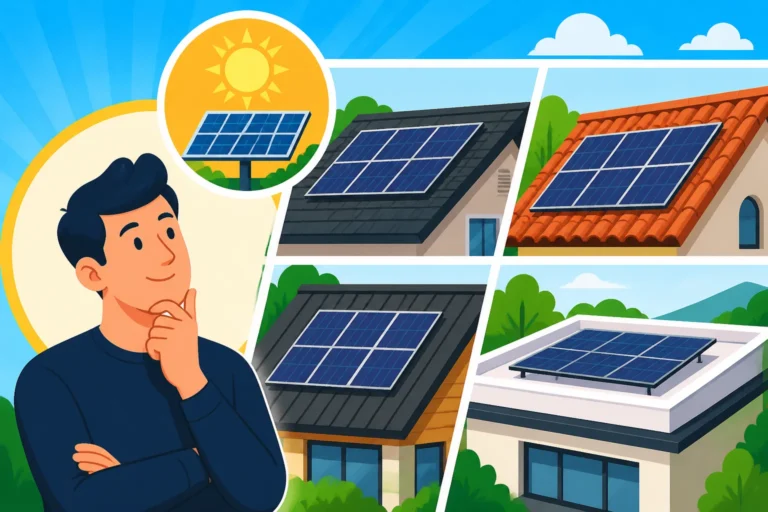
- Roof Pitch and Panel Angle: Panels installed at a steeper pitch might shed dirt and debris more easily with rainfall compared to flatter installations. This natural rinse can extend the time between manual cleanings.
Regional Considerations and Environmental Factors
Different parts of the country face distinct environmental challenges that affect solar panel cleanliness. For instance, in the agricultural heartland, homes might experience significant pollen and dust from fields, especially during spring and fall. In coastal areas, salt spray can build up, leaving a hazy film that's not easily washed away by light rain.
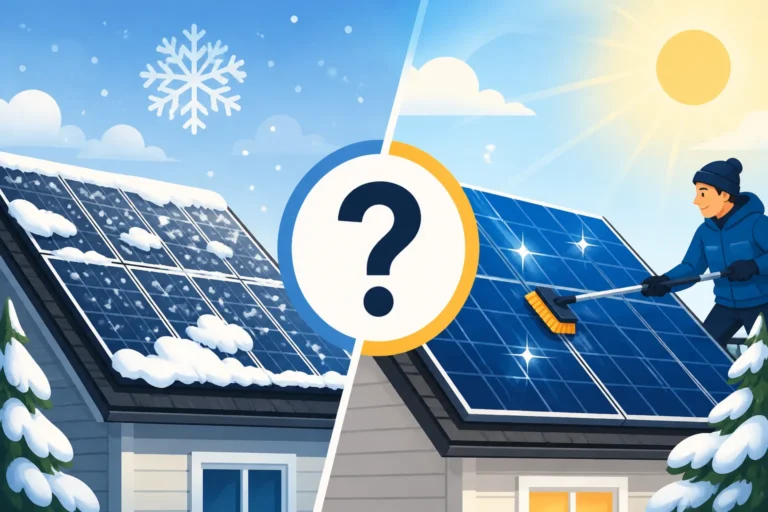
Consider a homeowner in Bakersfield, California, an area known for its dry climate and agricultural activity. Their panels will likely accumulate dust and agricultural residue much faster than someone in Seattle, Washington, where frequent rain helps keep panels cleaner. Similarly, a home near a major highway in Houston, Texas, might see more vehicle exhaust particulate matter than a home nestled in a quiet, forested area of Vermont. For Texans, even without abundant rainfall, considering their specific needs is important as solar buyback programs in Texas might rely on consistent production. If you're pondering whether solar panels work in snow, rest assured they do, but snow accumulation is a temporary blockage, not typically a "dirt" issue, and usually clears on its own or can be gently removed.
It's helpful to observe your local environment and how quickly dirt builds up on your car windshield or other outdoor surfaces as a rough indicator for your panels.
Monitoring Your System's Performance for Clues
The most effective way to determine your cleaning schedule is to listen to your solar system itself. Most modern solar arrays come with monitoring systems that allow you to track your daily, weekly, or monthly energy production. Many systems even have mobile apps that show you real-time data.
Here’s how to use it:
- Establish a Baseline: When your panels are brand new or freshly cleaned, note your typical daily production under clear skies. This is your benchmark.
- Watch for Dips: If you notice a consistent, unexplained dip in production compared to your baseline, especially on sunny days when you expect high output, dirty panels could be the culprit. Of course, factors like seasonal changes (shorter daylight hours in winter), temperature (panels are slightly less efficient in extreme heat), and shading from new tree growth can also affect production, so rule those out first.
- Compare with Neighbors: If you know someone with a similar-sized system in your immediate vicinity, a quick chat about their production numbers can offer additional insights.
- Spot Check: Every now and then, simply look up at your panels. If they visibly appear dusty, streaky, or have noticeable bird droppings, it’s probably time for a cleaning.
By combining an understanding of your local environment with vigilant monitoring, you can create a truly optimized cleaning schedule that keeps your panels performing their best without over-cleaning.
The Step-by-Step DIY Solar Panel Cleaning Process
Once you've decided it's time for a cleaning, many homeowners wonder if they can tackle the job themselves. For most single-story homes with easily accessible panels, DIY cleaning is absolutely possible and can save you money. However, safety should always be your number one priority. Never underestimate the risks of working on a roof.
Essential Tools and Safety Precautions
Before you even think about stepping onto your roof, gather your supplies and prepare for safety. This isn't a job for a flimsy ladder or slippery shoes.
Essential Tools:
- Soft-bristled brush or sponge: Avoid anything abrasive that could scratch the panel surface. A car wash brush with an extendable handle often works well.
- Hose with a spray nozzle: A standard garden hose is usually sufficient. Avoid high-pressure washers, which can damage panels or force water into seals.
- Mild, biodegradable soap (optional): Most of the time, plain water is enough. If you have stubborn grime, a tiny amount of dish soap can help, but ensure it's residue-free and won't leave streaks. Never use harsh detergents, abrasive cleaners, or anything meant for general household cleaning.
- Squeegee (optional): If you're aiming for a perfectly spotless, streak-free finish, a large window squeegee can be effective, especially if you have an easy reach.
- Bucket of clean water: For rinsing your brush or sponge.
- Safety gear: This is non-negotiable!
- Sturdy ladder: Make sure it's tall enough and rated for your weight plus equipment.
- Fall protection: If you're working on a steep roof or at a significant height, consider a safety harness and anchor. Even for lower pitches, non-slip footwear is critical.
- Gloves: To protect your hands.
- Eye protection: To prevent splashes or debris from getting into your eyes.
- Buddy System: Never work on a ladder or roof alone. Have someone spot you and be available in case of an emergency.
Safety Precautions to Keep in Mind:
- Pick the Right Time: Early morning or late afternoon on a cloudy day is ideal. Cleaning in direct midday sun, especially when panels are hot, can cause water to evaporate too quickly, leaving streaks and making the job harder. It also poses a risk of thermal shock to the panels if cold water hits very hot glass.
- Power Down (if unsure): While cleaning with water is generally safe as panels are designed to withstand rain, if you're using a lot of water or have any concerns about exposed wiring (which should never be the case in a properly installed system), consider switching off your solar inverter at the main breaker. Always consult your installer or owner's manual first. However, for most basic rinsing with a hose, this step is typically unnecessary. If you have questions about your system's post-installation checks, understanding what is permission to operate (PTO) can provide clarity on system safety guidelines.
- Mind the Edges: Be extremely careful near roof edges. Falls are the leading cause of injury during roof work.
Pre-Cleaning Inspection and Debris Removal
Before you start spraying water, take a moment to assess the situation. From a safe vantage point on your ladder, or even from the ground with binoculars, look for any large debris.
- Remove Large Debris: Gently sweep or pick off any large leaves, branches, or excessive bird droppings. Be very careful not to scrape the panels. If something is truly stuck, don't force it; let the water and soap loosen it up.
- Check for Damage: This is a great opportunity to quickly inspect your panels for any visible damage like cracks in the glass, loose wiring, or signs of pests (like rodent nests under the panels). If you spot any damage, do not proceed with cleaning and contact your solar installer immediately.
- Assess Panel Temperature: Briefly touch a panel (with gloves on!) to gauge its temperature. If it's scorching hot, wait until it cools down to avoid potential thermal shock.
Gentle Washing and Rinsing Techniques
Now for the actual cleaning! Remember, gentle is the name of the game.
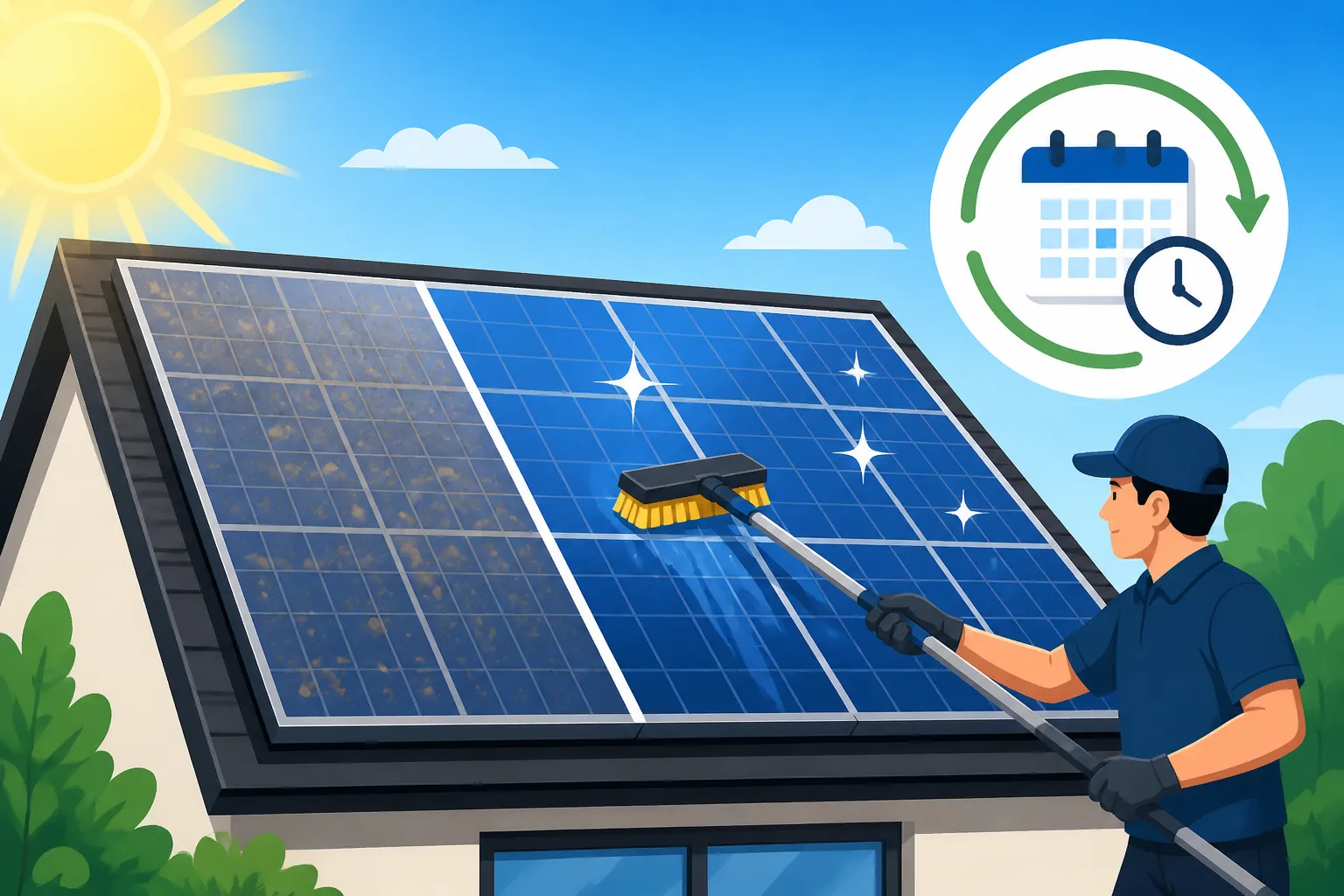
- Initial Rinse: Start by thoroughly rinsing the panels with your garden hose. The goal here is to dislodge loose dirt and debris. Let the water run over the panels for a few minutes. You might be surprised how much comes off with just water.
- Apply Soap (if needed): If stubborn grime remains, mix a small amount of mild, biodegradable soap (like a streak-free car wash soap) into a bucket of water. Dip your soft-bristled brush or sponge into the soapy water.
- Gentle Scrubbing: Carefully reach the panels and gently scrub them. Work from the top of the panel downwards, allowing gravity to help carry dirt away. Do not apply excessive pressure or use harsh scrubbing motions, as this can scratch the glass. Focus on areas with visible grime. If you can't comfortably and safely reach a panel, do not overextend yourself.
- Final Rinse: Once you've scrubbed all accessible panels, rinse them thoroughly with clean water from your hose. It's crucial to remove all soap residue, as dried soap can leave streaks and attract new dirt. Keep rinsing until the water runs clear.
- Squeegee (optional): For those seeking a perfectly streak-free finish, after rinsing, you can use a large squeegee. Start at the top and pull it down in even, overlapping strokes, wiping the squeegee blade clean after each pass. This is often more practical for smaller, easily reachable arrays.
Post-Cleaning Checks
After the panels are clean and dry, take one last look from the ground.
- Visual Inspection: Are there any streaks or remaining spots? If so, another light rinse or a quick wipe with a clean, soft cloth on an extension pole might be needed.
- System Monitoring: Over the next few days, keep an eye on your solar monitoring app. You should ideally see an uptick in energy production, especially on clear, sunny days, confirming the effectiveness of your cleaning efforts.
- Tool Storage: Clean and properly store all your tools and safety gear.
Remember, if at any point you feel unsafe, or if your panels are difficult to access, it’s always best to call in professionals. There are times when DIY Solar Panels: Is It Worth It? might lean towards "no" for the cleaning aspect due to safety or accessibility concerns.
When to Bring in the Professionals for Solar Panel Cleaning
While DIY cleaning is a viable option for many homeowners, there are definitely situations where bringing in the experts is not just convenient, but essential for safety and optimal results. Knowing your limits and understanding when to delegate is a hallmark of responsible homeownership, especially with something as valuable as your solar array.
Identifying Situations Beyond DIY Capabilities
It's tempting to save a few bucks by doing things yourself, but some tasks are simply too risky or complex for the average homeowner. Solar panel cleaning falls into this category if any of the following apply:
- Steep Roof Pitches: If your roof has a significant incline, walking on it, even with safety gear, can be extremely dangerous without professional training and equipment. A slight slip can lead to serious injury.
- High-Rise Homes or Multi-Story Buildings: Reaching panels on a second or third story is often impossible with standard ladders and poses an elevated risk of falls. Professionals have specialized ladders, lifts, and techniques for safe high-access work.
- Difficult Access or Obstructions: If your panels are located in a tricky spot, surrounded by obstacles, or require navigating around delicate roof features, it's safer to let experienced cleaners handle it.
- Fragile Roof Materials: Certain roofing materials, like slate or older tiles, can be brittle and easily damaged underfoot. Professionals are trained to walk on these roofs safely or use methods that avoid direct contact. Always consider your roof considerations for solar panels before planning any DIY work.
- Visible Damage or Malfunction: If you notice cracks, exposed wiring, or any signs that your system isn't functioning correctly, cleaning it yourself could be dangerous or exacerbate the problem. A professional will often include a quick visual inspection as part of their service and can advise you on next steps if damage is found.
- Lack of Proper Safety Equipment: If you don't own a sturdy, tall enough ladder, fall protection, or aren't comfortable using them correctly, don't put yourself at risk. The cost of professional cleaning is far less than a trip to the emergency room.
The Benefits of Professional Cleaning Services
Beyond safety, professional solar panel cleaners offer several distinct advantages that can make their service a worthwhile investment:
- Expertise and Experience: They know the best techniques for different types of dirt and debris, and they understand the nuances of various panel and roof types. They also know what products to use and, more importantly, what to avoid.
- Specialized Equipment: Professionals come equipped with long extension poles, specialized brushes, de-ionized water systems (which leave no mineral deposits or streaks), and appropriate safety gear (harnesses, ropes, stabilizers) for any roof type.
- Thoroughness and Efficiency: They can clean every panel thoroughly, even those in awkward spots, ensuring maximum light absorption across your entire array. They also complete the job quickly, minimizing any potential system downtime (though panels are usually only off for a short period, if at all, during cleaning).
- Reduced Risk: By hiring a professional, you eliminate the personal risk of falls or damaging your panels. Many services are insured, providing an extra layer of protection.
- Minor Inspection: Often, professional cleaning services will perform a quick visual inspection of your panels, racking, and wiring during the process. They might spot potential issues that you wouldn't notice, allowing for proactive maintenance. This ties into broader solar panel maintenance & cleaning best practices.
Vetting and Choosing a Reputable Cleaner
If you decide to go the professional route, don't just pick the first company you find. Do your homework to ensure you're hiring a reliable and competent service.
- Ask for Recommendations: Start by asking your solar installer (perhaps one you found through Modernize) if they offer cleaning services or can recommend a local provider. Neighbors with solar panels are another great source for referrals.
- Check Credentials and Insurance: Ensure the company is licensed (if required in your state for this type of work) and, crucially, carries liability insurance. This protects you in case of any damage to your property or injury to their workers while on your premises.
- Read Reviews: Look at online reviews on platforms like Google, Yelp, or industry-specific sites. Pay attention to comments about safety, thoroughness, professionalism, and customer service.
- Get Multiple Quotes: Contact at least two or three different companies for quotes. This will give you a sense of fair pricing in your area. Be wary of quotes that seem significantly lower than others, as they might cut corners.
- Inquire About Methods and Products: Ask what cleaning methods they use. Reputable cleaners will emphasize soft brushes, low-pressure rinsing, and streak-free, biodegradable cleaning agents (often just de-ionized water). They should explicitly state they avoid abrasive tools or harsh chemicals.
- Discuss Scheduling and Frequency: A good cleaner will discuss your specific environmental factors and suggest a cleaning frequency that makes sense for your home, rather than pushing unnecessary services.
When choosing a solar installer or a cleaning service, asking what questions to ask a solar installer or maintenance provider can help you make an informed decision and ensure you're getting quality service. Remember, professional help ensures your panels are safely and effectively cleaned, maximizing their output and lifespan.
Common Mistakes and Misconceptions About Solar Panel Cleaning
It’s easy to assume that cleaning solar panels is just like washing a window, but there are specific nuances and pitfalls to avoid. Many homeowners, with good intentions, can accidentally do more harm than good by falling for common myths or using inappropriate methods. Let's debunk some of these to keep your panels safe and efficient.
Harsh Chemicals and Abrasive Tools to Avoid
This is probably the most critical mistake you can make. Your solar panels are engineered with durable glass, but they are still susceptible to damage from the wrong cleaning agents or tools.
- Harsh Chemicals: Never use household detergents, abrasive cleaners, degreasers, or any chemical-based window cleaners. These products can:
- Leave a sticky residue that attracts more dirt, creating a cycle of needing more frequent cleaning.
- Contain corrosive elements that can etch the glass surface over time, reducing light transmission.
- Potentially damage the aluminum frames or the sealant around the panels, compromising their weatherproofing and voiding warranties.
- Be harmful to the environment when rinsed off and runoff into your garden or storm drains. Stick to plain water, or a very mild, biodegradable, residue-free soap specifically designed for solar panels or cars.
- Abrasive Tools: Avoid steel wool, scouring pads, stiff brushes, or anything that feels scratchy to the touch. Even seemingly minor scratches can:
- Reduce light transmission, leading to efficiency losses.
- Create micro-fractures in the glass that can worsen over time due to thermal expansion and contraction, potentially leading to larger cracks.
- Damage any anti-reflective coatings your panels might have, diminishing their performance.
Stick to soft sponges, soft-bristled brushes, or microfiber cloths.
The goal is to gently lift and rinse away dirt, not to scrub it off aggressively. If you're struggling with a stubborn spot, repeated gentle applications of water and mild soap are always better than brute force.
The Myth of Rain as a Sufficient Cleaner
"Doesn't the rain just wash them clean?" This is perhaps the most common misconception about solar panel maintenance. While rain does help, it's rarely enough to keep panels optimally clean, especially if you want to maximize your system's output.
Here's why relying solely on rain is problematic:
- Streaks and Spots: Rain often leaves behind mineral deposits and dirt streaks as it evaporates, especially in areas with hard water or after light showers where the dirt isn't fully washed away. Think about how your car looks after a rain shower – often spotted, not sparkling.
- Stubborn Grime: Bird droppings, tree sap, sticky pollen, or layers of fine dust that have been baked on by the sun are often too stubborn for rain alone to remove. They'll just sit there, blocking sunlight.
- Infrequent Rain: In many parts of the country, especially during dry seasons, rain simply isn't frequent enough to prevent significant buildup.
- Partial Cleaning: Rain only hits the top surface. It doesn't address dust or debris that might accumulate along the edges or under the frames, which, while not directly blocking cells, can contribute to overall system cleanliness issues over time.
While rain is certainly a helper, consider it a rinse, not a deep clean. For consistent, optimal performance, you need to supplement natural rainfall with manual cleaning, as detailed in the DIY section or by professionals.
Ignoring Safety Protocols
Rushing into cleaning without proper safety measures is not just a mistake; it's a dangerous oversight. Working at height carries inherent risks, and disregarding safety can lead to severe injury.
- No Fall Protection: Attempting to clean panels on a steep or high roof without a safety harness, anchor points, or a spotter is incredibly risky. Even experienced professionals use stringent fall arrest systems.
- Unstable Ladders: Using a wobbly, too-short, or improperly secured ladder is an accident waiting to happen. Ensure your ladder is on stable ground, extends at least three feet above the access point, and is properly angled.
- Slippery Surfaces: Panels themselves, and roof surfaces, become extremely slippery when wet. Wearing inappropriate footwear (like sneakers with worn treads) significantly increases the risk of falls. Always wear non-slip, closed-toe shoes.
- Working Alone: Having someone else present, even if they're not on the roof, is crucial for safety. They can hold the ladder, hand you tools, and, most importantly, call for help if an accident occurs.
- Ignoring Electrical Safety: While panels are designed to be weatherproof, improper handling or attempting to clean a visibly damaged system can pose an electrical shock hazard. As mentioned, if you have any doubts about the electrical safety of your system, contact your installer or a qualified electrician. Always check your system's status and ensure you have permission to operate (PTO) from your utility before any work, especially if you're unsure about safety precautions.
By understanding and avoiding these common mistakes, you can ensure your solar panel cleaning efforts are effective, safe, and contribute positively to the longevity and performance of your solar investment.
Long-Term Maintenance and Maximizing Your Solar Investment
Getting your solar panels cleaned is a great step, but it's just one piece of the puzzle when it comes to long-term solar ownership. Maximizing your investment means thinking holistically about maintenance, understanding your system, and being proactive rather than reactive. It’s about ensuring that for years to come, your solar energy system continues to generate power efficiently and reliably.
Integrating Cleaning into a Broader Maintenance Plan
Think of solar panel cleaning as part of a larger, ongoing dialogue with your home's energy system. It shouldn't be a one-off event but rather a component of a comprehensive approach to solar panel maintenance & cleaning.
- Annual or Bi-Annual Check-ups: Beyond cleaning, consider a professional check-up every year or two. This could be from your original installer (perhaps found through resources like Modernize) or another qualified solar service provider. These check-ups typically include:
- Electrical Inspection: Checking wiring, connections, and the inverter for wear, corrosion, or damage.
- Racking and Mounting Integrity: Ensuring all components holding your panels to the roof are secure and haven't loosened over time due to weather or natural settling.
- Performance Verification: Confirming that the inverter and individual panels are operating within expected parameters.
- Shading Analysis: Reassessing if any new tree growth or nearby constructions are creating unexpected shading.
- Tree Trimming: If you have trees near your solar array, incorporate regular trimming into your yard maintenance schedule. Even partial shade can significantly reduce solar panel efficiency and degradation.
- Pest Control: Keep an eye out for birds or rodents trying to nest under your panels. These can cause damage to wiring or create additional debris. Some installers offer critter guards as an add-on.
By integrating cleaning into this broader maintenance mindset, you're not just reacting to dirt; you're proactively safeguarding your entire system and ensuring its longevity.
Understanding Your System's Warranty and Cleaning Clauses
Your solar panels and inverter come with warranties, which are crucial for protecting your investment. While most warranties don't explicitly mandate cleaning, understanding their terms is still important. For example, some product warranties might become void if damage occurs due to improper maintenance or the use of harsh chemicals.
- Product Warranty: Covers defects in the manufacturing of the physical panels themselves. Damage from using abrasive cleaners would likely not be covered.
- Performance Warranty: Guarantees that your panels will produce a certain percentage of their original output after a set number of years (e.g., 80% after 25 years). While dirt isn't a "defect," consistent underperformance due to neglect could be seen as failing to properly maintain the system, although proving this is difficult. More importantly, consistent cleaning helps ensure your panels meet these performance targets over their lifetime, providing you with the maximum benefit. Understanding solar panel warranties explained can give you greater clarity on these terms.
- Workmanship Warranty: Covers the installation itself. If any part of the installation makes cleaning unduly difficult or unsafe due to poor design, this warranty might be relevant.
Always refer to your specific warranty documents. When in doubt about what's covered or about any specific cleaning agents, contact your installer first.
The Role of Regular Inspections
Beyond scheduled professional check-ups, regular visual inspections are a simple, free way to keep tabs on your system's health. You don't need to climb on the roof every week, but a quick glance from the ground with binoculars can reveal a lot.
- Monthly Visual Scan: Take a few minutes each month to look at your panels. Are they unusually dirty? Do you see any new bird nests or excessive leaf debris? Are there any visible cracks or chips that weren't there before?
- Inverter Check: Most inverters have indicator lights or digital displays. Periodically check these to ensure they're showing normal operation (usually a green light or a positive power output). If you see error codes, consult your manual or contact your installer.
- Monitoring App Review: As discussed earlier, your solar monitoring app is your best friend for understanding performance. Make a habit of checking it weekly or monthly to track production trends. If you see a sudden, unexplained drop that persists, it's a strong signal that something needs attention, whether it's cleaning or a technical issue.
By being observant and proactive, you can catch minor issues before they become major problems, ensuring your solar panels continue to be a valuable, high-performing asset for your home for decades to come.
Disclaimer
Please note that this guide provides general information about solar panel cleaning and maintenance. Always prioritize safety. If you are uncomfortable working on your roof, or if your solar panels are difficult to access, it is strongly recommended to hire a qualified professional. Consult your solar panel and inverter manuals for specific cleaning instructions and warranty information, and always check with your installer before performing any maintenance that may affect your warranty.