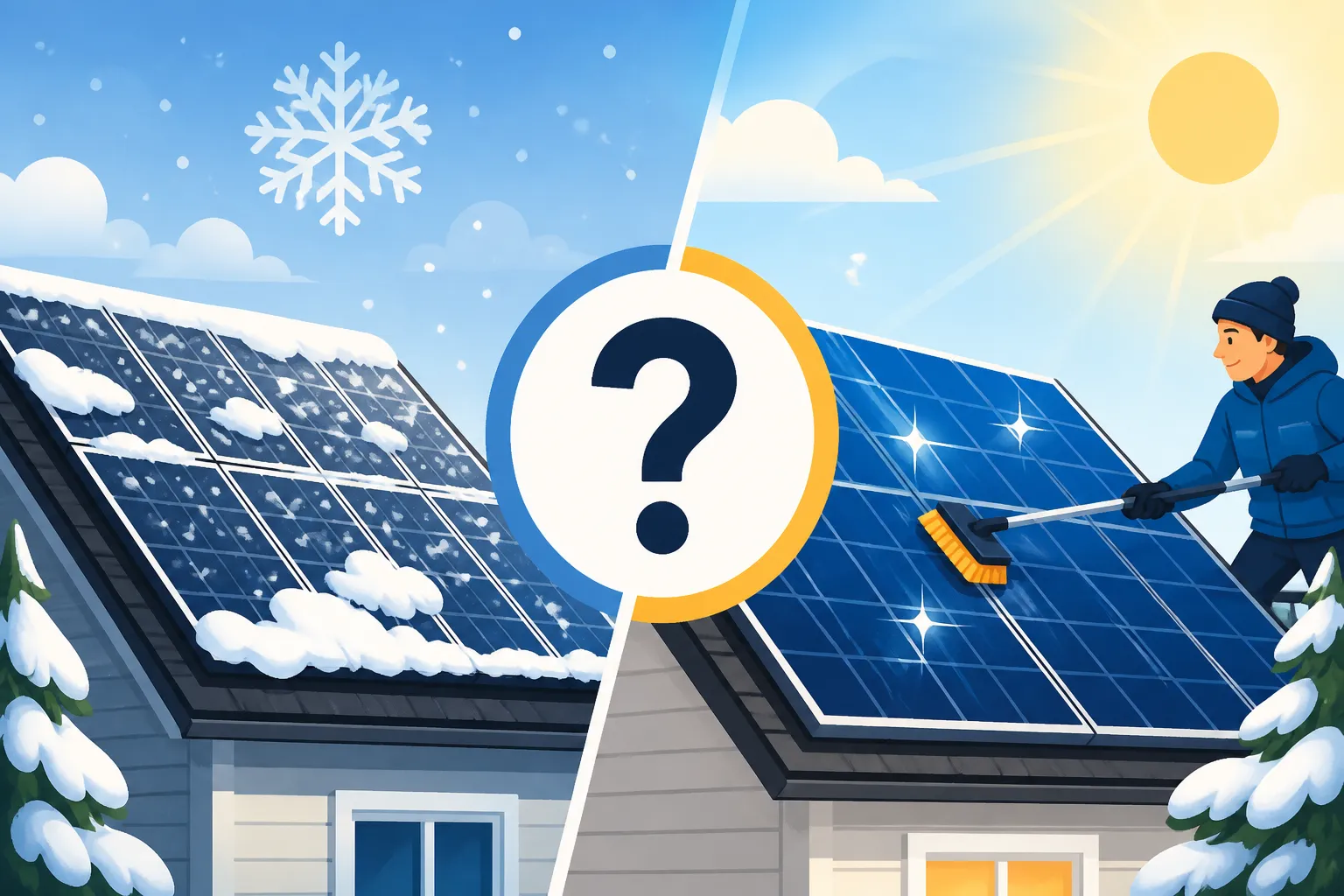
Do Solar Panels Need to Be Cleaned in Winter?
It's frustrating to look out your window after a heavy snowfall and see your beautiful solar panels completely covered in white, knowing full well they're not generating a single watt of power. You've invested in clean energy, and now winter feels like it's stealing your savings. This guide is here to walk you through exactly how winter weather impacts your solar array and whether or not you actually need to clear the snow off your panels, offering practical advice to maximize your solar production safely and effectively.
Understanding Winter's Impact on Solar Panels
When the colder months roll around, especially in regions that experience significant snowfall, many homeowners start to worry about their solar panels. The crisp, sunny winter days can be excellent for solar production, but what happens when Mother Nature throws a blanket of snow or a sheet of ice over your system? It's a common concern, and for good reason—your energy bills aren't taking a winter break, and neither should your solar panels, ideally.
The Myth of "Self-Cleaning" Panels in Winter
You might have heard that solar panels are "self-cleaning" because their smooth, angled surfaces allow rain to wash away most dirt and debris. While this is largely true for dust, pollen, and even light rain, it's a bit of a myth when it comes to persistent winter conditions like heavy snow or freezing rain. A light dusting of dry, powdery snow might slide off easily, especially on a warmer day or if the panels generate enough residual heat. But often, the reality is much more stubborn. Wet, heavy snow can cling, freeze, and stay put for days or even weeks. And don't even get me started on ice! It's an entirely different beast that laughs in the face of "self-cleaning" promises. The truth is, while rain and wind help a lot, heavy winter precipitation often requires a little extra help to get your panels back to peak performance.
How Snow and Ice Affect Production
The primary way snow and ice impact your solar panels is straightforward: they block sunlight. No sunlight, no electricity. It’s like putting a thick curtain over a window—the light just can’t get through. But it's not always an all-or-nothing situation. Even a partial covering of snow can significantly reduce output, especially if it covers the bottom row of panels. This is due to how solar panels are often wired. Many systems use string inverters, where a drop in performance on one panel can drag down the efficiency of an entire string. If even one panel is shaded or covered by snow, it creates a bottleneck, hindering the power output of all panels in that series.
Microinverter systems, like those from Enphase or SolarEdge's optimizers, can mitigate this somewhat because each panel operates independently. So, if one panel is covered, the others can still produce efficiently. However, even with these advanced systems, a full blanket of snow means zero production. Furthermore, the weight of heavy snow and ice can also put stress on your mounting system and roof, though reputable installers will always ensure your roof and system are designed to withstand local snow loads. Understanding these nuances is crucial when considering if and when to intervene. For more insight into system design, check out our guide on Roof Considerations for Solar Panels.
Should You Clean Your Solar Panels in Winter?
This is the million-dollar question for many solar homeowners. It's a balance between maximizing generation and ensuring safety. While the instinct might be to rush out and clear every snowflake, it's often not the best approach, especially considering the potential risks involved.
When Cleaning Might Be Necessary
There are definitely times when clearing snow from your solar panels can make a real difference to your energy production and peace of mind. If you live in an area with consistently low winter sun, like many parts of the Northeast, and your panels are buried under a foot of snow for days on end, then manually clearing them can make a noticeable impact on your utility bill. This is especially true if you have an electric vehicle or a high-energy-demand household where every kilowatt-hour counts. Think about a scenario where a heavy, wet snowstorm hits, coating your panels for a week straight, followed by bright, cold days. In such a situation, those sunny days could be prime generation time, and leaving the panels covered is simply leaving money on the table.
Another scenario is if your system is small and every bit of production is critical to offset your usage, or if you're trying to meet specific net metering targets. In states with favorable net metering policies, even a small increase in winter production can translate to credits on your spring and summer bills. However, this consideration needs to be weighed against the effort and potential risks. It's also worth noting that if you’re enrolled in a program like SRECs (Solar Renewable Energy Credits), consistent production, even in winter, contributes to the overall SREC generation you can sell. For more details on these programs, see our article on SRECs Explained: Selling Solar Renewable Energy Credits.
When to Let Nature Take Its Course
On the flip side, there are plenty of times when the best course of action is to simply let the snow melt naturally. For one, if you're in a region that gets occasional light dustings that melt off quickly with a bit of sun, the effort of cleaning isn't usually worth the minimal gain in production. Many modern solar panels are designed with dark surfaces that absorb sunlight, even diffuse light, and this can help warm them up enough for snow to slide off faster than it would from, say, a normal roof shingle. The inherent tilt of most roof-mounted panels (typically 18-35 degrees for optimal year-round production) also encourages snow to shed naturally once the sun hits them.
Safety is another huge factor. Climbing onto a slippery, snow-covered roof, or even working from a ladder in icy conditions, is incredibly dangerous. The risk of injury often far outweighs the financial benefit of a few extra days of solar production. If your panels are on a steep pitch or a second story, it's almost always safer to wait. Furthermore, harsh clearing methods like scraping or using abrasive tools can damage your panels, voiding warranties and leading to costly repairs. Sometimes, patience truly is a virtue, especially when a few sunny days are all it takes to clear the snow naturally.
Safe and Effective Winter Cleaning Techniques
If you've assessed the situation and decided that clearing your panels is the right move, it's crucial to do it safely and without damaging your valuable equipment. Safety should always be your number one priority, followed closely by protecting your investment.
Tools and Materials for Safe Snow Removal
Forget the rock salt and the metal shovel! When it comes to cleaning snow from solar panels, you need to be gentle. Your panels are durable, but they're not indestructible, and scratches or impacts can reduce their efficiency and lifespan. Here’s what you should consider:
- Soft-bristled brush or car wash brush with an extendable pole: This is often the safest option for reaching panels from the ground or a secure ladder. Look for brushes specifically designed for vehicles or solar panels to ensure they won't scratch the glass surface. The pole allows you to maintain a safe distance from edges and avoid climbing directly onto a potentially slippery roof.
- Roof rake with a soft head: These are commonly used for clearing snow from roofs to prevent ice dams. Choose one with a plastic or foam head to avoid scratching the panel surface. They can be incredibly effective for pulling snow off panels from the ground.
- Warm water (in a sprayer or bucket): For stubborn, frozen-on patches, a gentle spray of warm (not hot or boiling) water can help loosen snow and ice. However, be cautious not to create an immediate refreezing hazard on surrounding surfaces, and never spray very cold panels with hot water, as the sudden temperature change could potentially damage the glass.
- Safety gear: A sturdy ladder, non-slip boots, and a spotter are non-negotiable if you must get on a ladder or near the roof edge. For very high or steep roofs, consider professional help.
Remember, the goal is to gently persuade the snow off, not to forcefully remove it.
Step-by-Step Guide to Winter Panel Cleaning
Once you have your tools and are committed to safety, here’s a general approach:
- Assess the situation: Before you even grab a tool, look at the panels. How thick is the snow? Is it powdery, wet, or icy? What's the roof pitch? Is there any risk of icicles or snow falling on you?
- Ensure a safe footing: If you're working from the ground, make sure the area around you is clear of ice and tripping hazards. If using a ladder, ensure it's stable and securely placed on a non-slip surface. Have a spotter present.
- Start from the bottom: Gravity is your friend here. Begin gently pushing or pulling snow from the bottom edge of the lowest panels. As you clear a path, the snow above will have a place to go.
- Work your way up and across: Using your extendable brush or roof rake, gently sweep or pull the snow off. Avoid pushing up against the bottom edge of the panel, which could put undue stress on the frame or mounting.
- Be patient with ice: If you encounter ice, do not chip or pry at it. This is where warm water can be sparingly used, or it's best to simply wait for natural melting. Trying to force ice off can easily damage the panel's glass or frame.
- Clear surrounding areas: Once the panels are clear, ensure any snow you've removed isn't blocking vents, walkways, or creating new hazards on the ground.
It's a tedious process, but patience and care will protect your investment. Keep in mind that for a completely clear roof, sometimes it's best to consult with your original installer or a specialized maintenance company. Many homeowners also consider how much snow their panels typically need to shed when asking How Many Solar Panels Do I Need for My Home? to factor in potential winter losses.
What NOT to Do When Cleaning Solar Panels
This section is just as important as what to do, because improper cleaning can lead to serious damage or injury.
- Never climb onto a snowy or icy roof: This is incredibly dangerous. Even if you feel confident, a hidden patch of ice or a sudden gust of wind could lead to a fall. It's just not worth the risk.
- Do not use metal shovels, scrapers, or abrasive tools: These will scratch the anti-reflective coating on your panels, reducing their efficiency and potentially voiding your warranty. Stick to soft brushes or plastic/foam roof rakes.
- Avoid harsh chemicals or de-icing salts: These can damage the panel surface, frame, or surrounding roofing materials. Stick to plain water if you need a liquid aid.
- Don't use boiling hot water on frozen panels: The sudden, drastic temperature change can thermal shock the glass, potentially causing it to crack or warp. Use lukewarm water if needed.
- Don't ignore manufacturer guidelines: Always check your solar panel warranty and manufacturer recommendations regarding cleaning. Some warranties specify acceptable cleaning methods and materials. Our guide on Solar Panel Warranties Explained can offer more insights into what to look for.
- Don't spray water at high pressure: A powerful jet of water can potentially force water into seals or damage delicate wiring. A gentle spray is sufficient.
By avoiding these pitfalls, you can protect your solar investment and ensure its longevity.
The Role of Professional Solar Maintenance
Sometimes, despite your best intentions and careful planning, the winter weather or the complexities of your solar setup call for a professional touch. Don't feel bad about reaching out for help; it's a smart decision for safety and optimal system performance.
Benefits of Professional Winter Cleaning
Hiring a professional for winter solar panel cleaning, particularly for snow and ice removal, offers several distinct advantages. First and foremost is safety. Professional solar maintenance companies have the right equipment, training, and insurance to work safely on roofs, even in challenging winter conditions. They understand roof types, pitches, and the safest access points, minimizing the risk of falls or damage to your property. If your home has a particularly steep roof, multiple stories, or difficult access points, a pro is almost always the best choice.
Beyond safety, professionals know how to clean panels effectively without causing damage. They use appropriate tools and techniques to remove snow and ice without scratching the glass, stressing the frames, or affecting the system's wiring. They can also inspect your system for any potential issues that might arise during winter, like loosened wiring from high winds or minor damage from falling debris. This proactive approach can catch small problems before they become big, expensive ones, safeguarding your Solar Panel Efficiency & Degradation Explained.
Finding a Reputable Solar Service Provider
When you're looking for professional help, choosing the right solar service provider is key. You want someone knowledgeable, experienced, and reliable. Start by asking your original solar installer if they offer winter cleaning or maintenance services. They already know your system inside and out. If not, ask them for recommendations.
Another excellent resource is online platforms designed to connect homeowners with trusted contractors. For instance, services like Modernize can help you find local solar professionals who specialize in maintenance and cleaning. These platforms often vet contractors, and you can read reviews from other homeowners to ensure you're getting a reputable company. Look for companies that are licensed and insured, especially for roof work. Don't hesitate to ask for proof of insurance and references. Get multiple quotes, just like you would for a new installation. A professional company will provide a clear scope of work and a transparent pricing structure. Don't shy away from asking about their experience with winter cleaning specifically, and what methods they employ to ensure both panel integrity and worker safety. Our guide on How to Choose a Solar Installer provides excellent tips that also apply to selecting a maintenance provider.
Preventing Snow and Ice Buildup
An ounce of prevention is worth a pound of cure, right? While you can't stop it from snowing, you can take steps to minimize how much snow and ice accumulates on your solar panels, potentially reducing the need for manual cleaning.
Consider Panel Tilt and Installation Angles
The angle at which your solar panels are installed plays a significant role in how well they shed snow. Panels installed at a steeper pitch are more likely to shed snow naturally than those on a very shallow angle. Most residential solar arrays are installed with a tilt that matches the roof's pitch, which is often around 18 to 35 degrees, offering a good balance for year-round energy production and snow shedding. However, if you live in a region with consistently heavy snowfall, some homeowners opt for a slightly steeper tilt, if structurally feasible, during the initial installation to optimize for winter shedding, even if it slightly reduces summer output. This is a conversation you should have with your installer during the design phase. They can model different tilt angles to show you the trade-offs in annual production and snow shedding capabilities.
For ground-mounted systems, there's often more flexibility. You might be able to adjust the tilt seasonally to maximize sun exposure and snow shedding in winter, then optimize for summer in the warmer months. This dynamic adjustment isn't usually practical for roof-mounted systems, but it’s a powerful advantage for ground arrays. When considering a new system, discussing how Ground-Mount vs Roof-Mount Solar impacts snow shedding is a crucial part of the decision-making process.
Snow Guards and Other Mitigation Strategies
While you can't entirely prevent snow, you can certainly try to deter it or manage its accumulation. Snow guards, for example, are common fixtures on roofs in snowy climates, primarily designed to prevent large sheets of snow and ice from sliding off abruptly and potentially injuring people or damaging property below. While they don't prevent snow from accumulating on the panels themselves, they can control where the snow goes once it leaves the panels, potentially preventing it from piling up against lower panels or blocking access points.
Another less common but innovative approach involves small, panel-mounted heating elements that can be activated to melt snow. These are typically an add-on and come with their own energy consumption, so their cost-effectiveness depends on your local electricity rates and the frequency of heavy snowfall. They are often more popular in commercial settings but are available for residential use. In extreme cases, some homeowners consider specialized coatings that are designed to be superhydrophobic, making it even harder for snow and ice to stick. However, the effectiveness and durability of these coatings, as well as their impact on panel warranties, should be thoroughly researched. While these methods exist, many homeowners find that simply understanding Do Solar Panels Work in Snow? and waiting for natural melt or occasional gentle cleaning is the most practical approach.
Winter Solar Panel Cleaning Considerations
Here's a quick look at the factors to weigh when deciding on winter cleaning:
| Factor | Consider Cleaning | Let Nature Take Its Course |
|---|---|---|
| Snow Type | Heavy, wet snow that adheres for days; persistent ice. | Light, dry, powdery snow; snow that melts quickly with sun. |
| Climate | Consistently low winter sun; frequent, heavy snowfall. | Mild winters; occasional snowfall followed by clear days. |
| Safety | Panels easily accessible from ground; low-pitch roof; hiring professionals. | Steep or high roof; icy conditions; working alone. |
| Energy Needs | High energy demand; EV charging; critical for net metering credits or SREC generation. | Moderate energy use; sufficient energy credits from other seasons. |
| System Type | String inverter system (where one covered panel reduces string output significantly). | Microinverter or optimizer system (panels operate more independently). |
| Cost/Benefit | When projected energy gains significantly outweigh the time, effort, or professional cleaning cost. | When the cost/risk of cleaning outweighs the minimal energy gains. |
Disclaimer
Please remember that the information provided in this guide is for general educational purposes only and should not be considered professional advice. Always consult with certified solar installers, roofing professionals, and local authorities before performing any work on your roof or solar system. Safety should be your utmost priority.