How Do Solar Panels Connect to the Grid?
It’s easy to get excited about the idea of solar panels soaking up the sun’s rays, converting that beautiful sunlight into electricity for your home. But then the big question hits: how does all that power actually get into your outlets, and what happens to any extra energy your system produces? Understanding how solar panels connect to the larger electrical grid can feel a bit like deciphering a complex wiring diagram, but it's crucial for any homeowner considering the switch. This guide will walk you through the entire process, demystifying the journey from rooftop sunlight to a fully powered home and explaining exactly how your solar system interacts with your utility company.
The Foundations of a Grid-Tied Solar System
When we talk about solar power for homes, what most people are really looking at is a "grid-tied" system. This isn't just a fancy term; it's the core of how residential solar works for the vast majority of us. Connecting to the grid means you're not entirely isolated – you're still part of the bigger electrical picture, which has some pretty significant benefits and implications.
What "Grid-Tied" Really Means
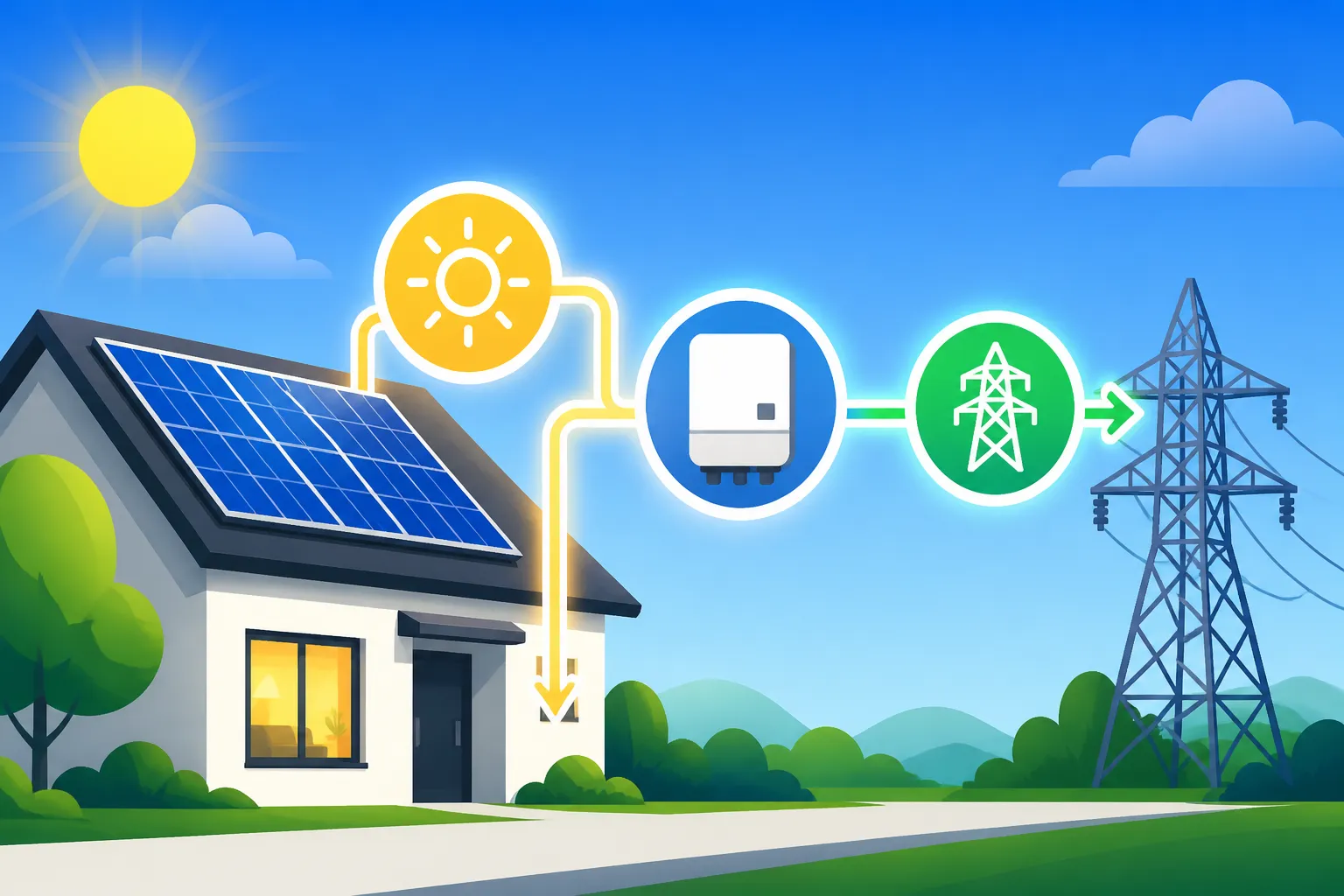
Being "grid-tied" essentially means your solar panel system is connected to your local utility company's electrical grid. Think of it like a two-way street for electricity. When your solar panels are generating more power than your home is using, that excess electricity doesn't just disappear; it flows out of your home and onto the utility grid, powering your neighbors' homes or other parts of the community. Conversely, when your panels aren't producing enough power – like at night, on very cloudy days, or during periods of exceptionally high usage – your home seamlessly draws electricity from the grid, just as it always has.
This constant back-and-forth flow is a huge part of what makes residential solar so practical. You don't need massive battery banks to store all your power, which would dramatically increase the overall cost of your system and its complexity. Instead, the utility grid acts like a giant, infinitely scalable battery, taking your excess and supplying you with power when you need it. It’s a symbiotic relationship that ensures you always have electricity, regardless of what your panels are doing at any given moment.
Key Components in a Grid-Tied System
Before we dive into the connection process itself, it's helpful to understand the main players in a grid-tied solar setup. Each component has a specific job, working together to efficiently capture sunlight and convert it into usable electricity. If you're wondering how many solar panels do I need for my home?, understanding these components helps you grasp the full system design.
First, you have the solar panels themselves, usually mounted on your roof. These are the workhorses, absorbing photons from the sun and generating direct current (DC) electricity. Think of DC power as a one-way flow, which is great for small electronics, but not what your home appliances or the grid use.
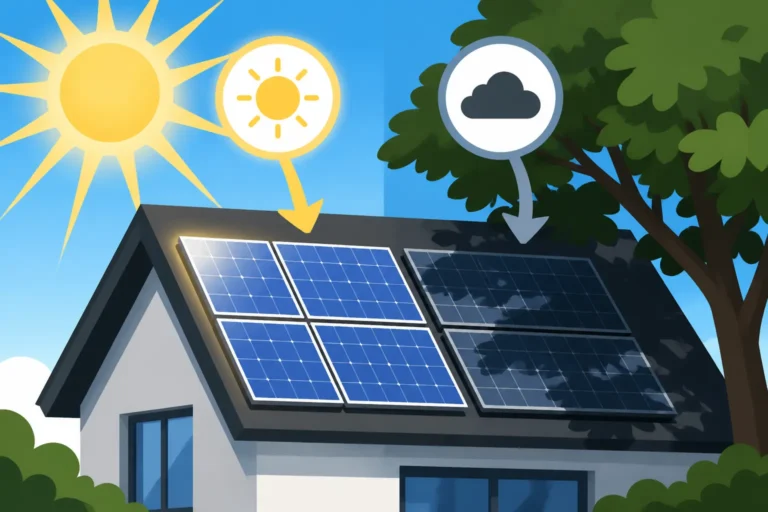
Next comes the inverter. This is arguably the most crucial piece of equipment after the panels. Its job is to take that DC electricity from your panels and convert it into alternating current (AC) electricity, which is the type of power your home appliances run on and what the utility grid accepts. There are a few different types of inverters, like string inverters, microinverters, and power optimizers, each with their own advantages depending on your roof's specific conditions and shading.
After the inverter, the AC power flows to your main service panel (also known as your breaker box or electrical panel). This is the central hub of your home's electrical system, where power is distributed to all your lights and appliances. From here, a special meter, often called a net meter, tracks the flow of electricity in both directions – both what you pull from the grid and what you send back. Finally, a direct connection from this meter to the utility grid completes the loop, allowing your system to seamlessly integrate with your local power infrastructure.
The Step-by-Step Connection Process
The magic of solar power isn't just about harnessing the sun; it's about seamlessly integrating that power into your daily life and the broader electrical grid. This involves several critical steps, from the initial conversion of sunlight to the final handshake with your utility company.
From Sunlight to AC Power
The journey of electricity in a grid-tied solar system begins, predictably, on your roof. When sunlight hits your solar panels, the photovoltaic (PV) cells within them absorb the energy and knock electrons loose, creating an electric current. This current is direct current, or DC. While powerful, DC electricity isn't directly compatible with most modern home appliances or the vast majority of the utility grid, which operates on alternating current (AC).
This is where the inverter steps in. The inverter is essentially the brain and brawn of your solar system, taking the raw DC power from your panels and transforming it into usable AC power. This conversion is vital. Without it, the electricity generated by your panels would be effectively useless for your home's needs. Depending on your system design, you might have one central string inverter that handles all your panels, or you might have individual microinverters installed under each panel, like those from Enphase, or power optimizers paired with a central inverter, such as a SolarEdge system. These different configurations impact efficiency, monitoring capabilities, and how your system performs under partial shading, but their ultimate goal is the same: to deliver clean AC power.
Integrating with Your Home's Electrical Panel
Once the inverter has done its job and converted the DC power to AC, that electricity needs a pathway into your home's electrical system. This pathway leads directly to your main service panel, often located in your garage or basement. Think of this panel as the central command center for your home's electricity, where incoming power from the grid is routed to all your various circuits and outlets.
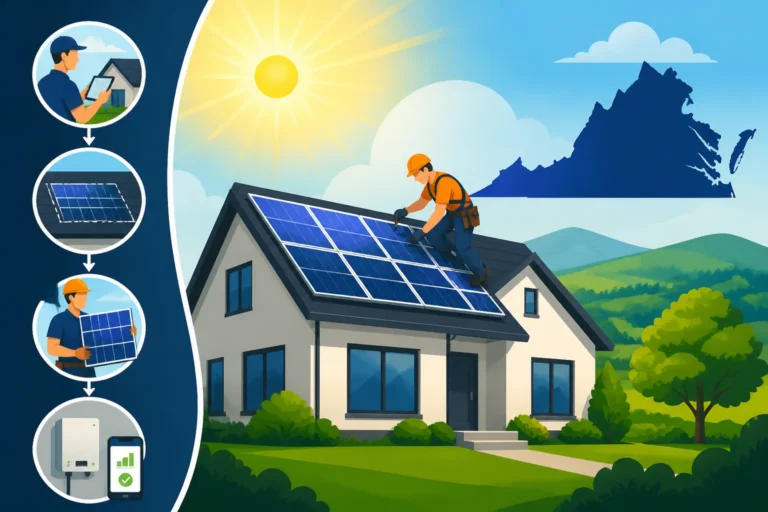
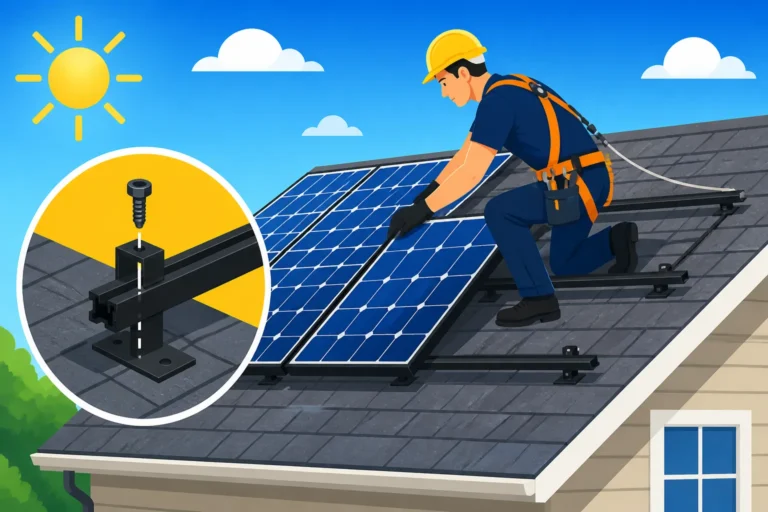
Your solar system is connected to this main service panel through a dedicated circuit breaker. When your panels are producing power, that AC electricity flows into your service panel. If your home is using less power than your panels are generating, the excess then flows out of your home, through your electric meter, and onto the utility grid. If your home is using more than your panels are generating, the difference is automatically drawn from the grid. This seamless interaction happens constantly, without you ever having to flip a switch. Safety is paramount here; your system will include rapid shutdown capabilities to quickly de-energize the panels in an emergency, protecting first responders. The entire installation process, including this critical wiring, is handled by certified professionals. You can learn more about the overall solar installation timeline: what to expect.
The Crucial Utility Grid Connection
The final, and perhaps most defining, step in connecting your solar panels to the grid involves the utility company itself. Before your system can even start sending power back to the grid, you need their official blessing, known as "Permission to Operate," or PTO. This permission is granted after a series of inspections by local building departments and, crucially, by the utility company. They need to ensure your system meets all safety standards and interconnection requirements to prevent issues that could affect the stability of their grid or the safety of their workers.
Once PTO is granted, the utility will often install a net meter (or reprogram your existing one) if you're not using smart meters. Unlike traditional meters that only measure electricity flowing into your home, a net meter is bidirectional. It measures both the electricity you draw from the grid and the excess electricity your solar panels send back to it. This tracking is critical for calculating your utility credits and understanding your overall energy savings. The physical connection point is usually right where your home's existing electrical service connects to the utility lines – a simple but highly regulated interface that truly makes your solar system a part of the larger power infrastructure. For more detailed insights, exploring topics like solar permitting & interconnection (PTO) explained can be very helpful.
Understanding Net Metering and Exported Energy
One of the most compelling reasons homeowners go solar, beyond environmental benefits, is the financial advantage. A huge part of that advantage comes from how your excess solar power is handled by the utility. This brings us to the concept of net metering, a system that essentially pays you for the electricity you generate and don't use yourself.
How Net Metering Works
Net metering is an agreement between you and your utility company that allows you to send excess solar electricity back to the grid in exchange for credits on your utility bill. Here's a common scenario: imagine it's a sunny afternoon, and your solar panels are generating more power than your home needs because everyone is at work or school. Instead of that energy going to waste, it flows out of your home, through your bidirectional net meter, and onto the utility grid. The utility credits your account for this exported energy, often at the full retail electricity rate.
Later, perhaps at night when your panels aren't producing, or on a cloudy day, your home will draw power from the grid. These kilowatt-hours (kWh) are deducted from your accumulated credits. If you use more electricity than your panels produced over the billing period, you simply pay the utility for the net difference. If you produce more than you use, those credits can often roll over to the next month or be cashed out annually, depending on your state and utility's specific net metering policy. Policies can vary wildly, though. For example, California transitioned from NEM 2.0 to NEM 3.0 (California Net Billing), which significantly changed how credits are valued and how much you save. It's crucial to understand your local rules, which can be found in resources like Net Metering Explained: How It Works by State. Some utilities might offer "avoided-cost rates" where they buy back your power at a lower rate than what they charge you, so knowing the specifics for your area, perhaps by searching "does my utility offer a solar rebate?", is key.
What Happens When the Grid Goes Down?
This is a question many homeowners have, and it’s a really important one. You might assume that if you have solar panels, you’ll be immune to power outages. Unfortunately, that's generally not the case for standard grid-tied systems without a battery backup. The reason lies in a crucial safety feature called "anti-islanding."
When the utility grid experiences an outage, whether it's due to a storm, equipment failure, or planned maintenance, utility workers need to know that the power lines they're working on are completely de-energized. If your solar system were allowed to continue feeding power onto a downed grid, it would create an "island" of energized wires, posing a serious electrocution risk to utility personnel. To prevent this, grid-tied inverters are designed to automatically shut down within milliseconds of detecting a grid outage, a process known as anti-islanding. This means your home, even with solar panels, will go dark just like your neighbors' homes during a blackout.
If you want your home to remain powered during a grid outage, you'll need to incorporate a solar battery into your system. Batteries, like the Tesla Powerwall or Enphase IQ Battery, store your excess solar energy. When the grid goes down, these batteries can then seamlessly power your critical loads, creating a safe, isolated microgrid for your home. This capability often adds to the overall solar plus battery cost, but for many, the peace of mind is well worth the investment. You might be interested in knowing Do I Need a Battery With Solar? to decide if this is the right option for you.
The Benefits and Considerations of Grid Connection
Deciding to connect your home solar system to the utility grid is a choice with many advantages, but also a few important considerations. It’s about striking a balance between energy independence and leveraging existing infrastructure.
Advantages of Being Grid-Tied
The primary benefit of being grid-tied is the reliability it offers. You get the best of both worlds: clean, renewable energy from your solar panels, backed up by the unwavering stability of the utility grid. This means you never have to worry about running out of power, even if your panels aren't producing on a particularly gloomy week or during periods of unusually high energy demand. The grid is always there to supplement your needs.
Another significant advantage is the potential for cost savings and financial incentives. Through net metering, you can effectively use the grid as a virtual battery, storing your excess solar production as credits on your bill. This can substantially reduce, or even eliminate, your monthly electricity charges. Many states and local utilities also offer additional incentives like Solar Renewable Energy Credits (SRECs) or performance-based incentives (PBIs) which reward you for the clean energy your system produces. Being grid-tied also often simplifies your system design compared to off-grid solutions, as you don't need to purchase and maintain a massive, expensive battery bank to cover all your potential energy needs. This can affect how much do solar panels cost? 2026 guide and your overall solar panel payback period explained.
Finally, grid-tied solar systems contribute to the broader goal of clean energy integration. When your system sends excess power to the grid, it reduces the demand on fossil fuel power plants, contributing to a more sustainable energy mix for your entire community. This is a powerful, often overlooked, benefit that extends beyond your own home.
Potential Challenges and Regulations
While the benefits are clear, there are indeed some challenges and considerations that come with connecting to the grid. The most significant is navigating the utility approval process and evolving regulations. Every utility company has its own set of rules, technical requirements, and paperwork for interconnection. This can sometimes be a lengthy and complex process, involving engineering reviews, safety inspections, and legal agreements. Delays are not uncommon, and it's one of the reasons why choosing a reputable solar installer is so important; they are experts at handling these procedures.
Net metering policies are also subject to change. As more homeowners adopt solar, utility companies and state regulators sometimes revise these policies, occasionally making them less favorable to new solar owners. California's NEM 3.0 is a prime example, significantly impacting solar savings for new installations compared to previous policies. It's vital to research the current policies in your area before investing in solar to ensure you have a realistic understanding of your potential savings.
Furthermore, there might be interconnection fees or other charges levied by the utility for connecting your system to their grid. These fees vary by utility and location and can add to your initial installation costs. While usually a small percentage of the total project cost, they are an important factor to consider in your overall budget. A good installer, like those found through Modernize, will be transparent about these potential costs and guide you through every step, ensuring you understand the complete picture of what to expect when your solar panels connect to the grid.
Disclaimer
Please remember that the information provided in this article is intended for general guidance and informational purposes only. Solar technology, incentives, and regulations are constantly evolving and can vary significantly by location and utility provider. Always consult with certified solar professionals and your local utility company for the most accurate and up-to-date information regarding your specific solar project.