What Is PTO (Permission to Operate) in Solar?
You've had your beautiful new solar panels installed, shimmering on your roof, ready to start churning out clean energy. You're practically itching to flip that switch and watch your electric meter spin backward. But then you hear it – "Permission to Operate," or PTO – and suddenly, you're in a holding pattern, wondering why your system isn't live yet. It's a common source of frustration for many eager homeowners, and this guide is here to demystify what PTO means in solar, why it's absolutely necessary, and how you can navigate this final, crucial step to officially energize your home.
Understanding Permission to Operate The Final Hurdle
Imagine buying a brand new car, parking it in your driveway, but not being allowed to drive it off your property until the DMV gives you a final, official stamp of approval. That's essentially what "Permission to Operate" (PTO) is for your solar energy system. It's the critical, often final, approval from your local utility company that grants you legal permission to connect your solar system to the electrical grid and begin producing power for your home, and potentially sending excess energy back to the utility.
What PTO Really Means for Homeowners
For homeowners, PTO is the official "green light" from your utility company. It means they've reviewed your installed system, confirmed it meets all their safety and interconnection standards, and are now allowing it to contribute power to the grid. Until you have that official document, your solar panels, while physically installed, are essentially dormant or only partially active for internal testing. You might have even seen your installer testing the system, or panels producing power, but without PTO, it's not legally interconnected for full operation and net metering benefits. It’s the final piece of the puzzle that often feels like the longest wait, making many homeowners feel like they're just watching their investment sit idle.
The Importance of PTO Before Flipping the Switch
Operating your solar system without PTO isn't just a minor technicality; it's a significant safety and legal issue. First and foremost, safety is paramount. The utility company needs to ensure that your system is installed correctly and safely, especially for their own line workers. An improperly connected system could feed power back into the grid unexpectedly during an outage, creating a dangerous situation for utility crews working to restore power. This is often referred to as "backfeeding."
Beyond safety, there are legal and financial implications. Without PTO, your utility won't recognize your system as a legitimate power producer. This means you won't get credit for any excess electricity your panels generate and send back to the grid. For homeowners relying on programs like net metering, this is a huge deal. Your meter likely won't be configured to track both your consumption and your export accurately, meaning any power you generate that exceeds your immediate home use would simply be "given away" to the utility without compensation. Furthermore, operating without proper authorization could lead to fines, disconnection, or even voiding your solar equipment warranties if an issue arises due to unauthorized operation. You definitely want to ensure you have your official authorization before you start generating power for keeps.
The Step-by-Step Path to Receiving Your Solar PTO
The journey to solar PTO involves several stages, each requiring specific approvals and documentation. While it can feel complex, your solar installer usually handles the lion's share of this process, acting as your advocate and guide. Many homeowners find it helpful to choose a reputable installer that has a track record of efficiently navigating these regulatory waters. Platforms like Modernize can help connect you with experienced professionals who understand the nuances of local permitting and utility requirements.
The Initial Site Survey and Design Phase
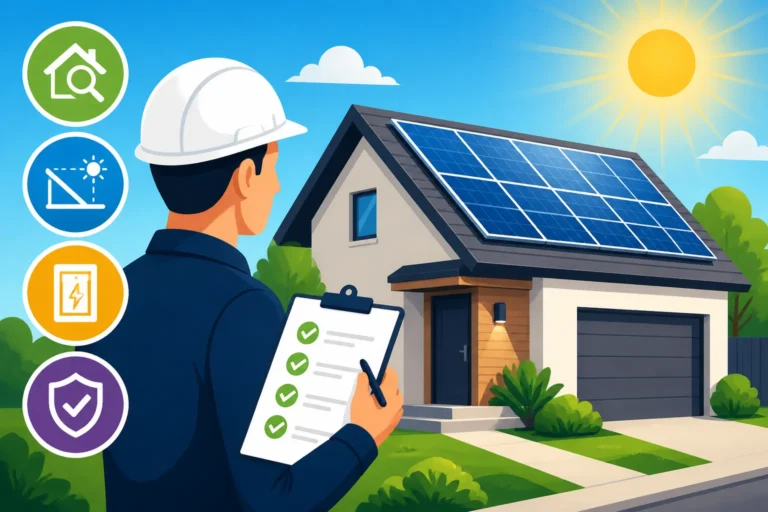
Before any physical installation, your solar journey begins with a detailed site survey. This is where a solar professional visits your home to assess your roof's condition, orientation, shading, and structural integrity. They'll also evaluate your electrical panel and current energy usage. Based on this, a custom solar system design is created, outlining the number and type of panels, inverter selection (like an Enphase microinverter system or a SolarEdge string inverter setup), and how it will all integrate with your home's existing electrical system. This design forms the basis for all subsequent applications and permits. Without a solid, compliant design, the entire process can hit roadblocks right from the start, emphasizing why this initial step is so critical.
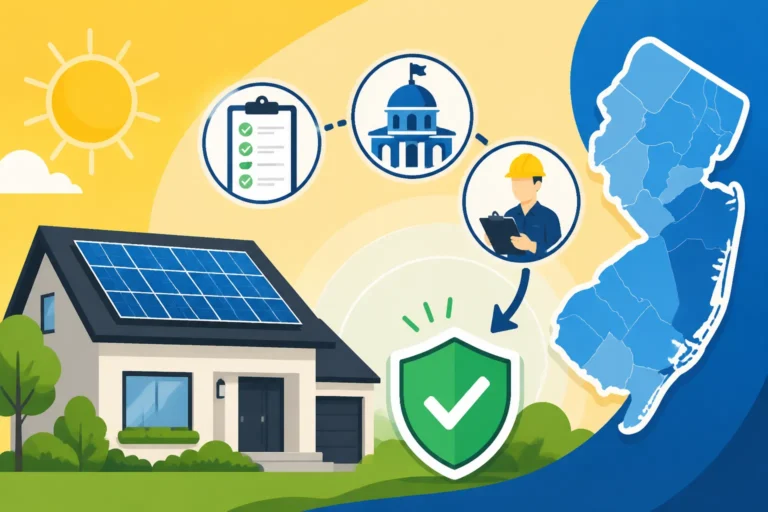
Permitting: Local Authority Approval
Once your system design is finalized, your installer will typically apply for local building and electrical permits from your city or county. This step ensures that your solar installation adheres to all local building codes, fire safety regulations, and electrical standards. These permits are crucial because they signal to the local authorities that the planned work has been reviewed and approved according to established safety and construction guidelines. The complexity and timeline for obtaining these permits can vary significantly depending on your specific municipality. Some cities, like Portland, Oregon, have streamlined online processes, while others, particularly smaller towns, might require more manual submissions and longer review periods. Navigating the nuances of local solar permit processes can be quite a task, and your installer's experience here is invaluable.
Installation Completion and Rough-In Inspection
After the permits are secured, the physical installation of your solar panels and associated equipment can begin. This includes mounting the racking, securing the panels, installing the inverters, and running all the necessary wiring. Once the major components are in place but before everything is sealed up (e.g., walls closed, junction boxes covered), a "rough-in" inspection might be required by local building authorities. This inspection allows officials to check wiring, conduits, and structural attachments before they become inaccessible. It’s an important checkpoint to ensure everything behind the scenes meets code, preventing costly rework later on. For instance, an inspector might check if the conduit connecting your solar array to your main electrical panel is properly secured and grounded.
Final Inspections by Local Authorities and Utilities
After the rough-in (if required) and the full installation is complete, two primary inspections typically follow:
- Local Building Department Final Inspection: A city or county inspector will perform a thorough review of the entire system to ensure it matches the approved plans, meets all local building and electrical codes, and is installed safely. They'll check everything from the panel mounting to the labeling of electrical components and emergency shut-off mechanisms. Any discrepancies or safety concerns found during this inspection will result in a "failed" inspection, requiring your installer to make corrections and reschedule. This is often where homeowners experience their first significant delay if issues are found, reinforcing the importance of a quality installation.
- Utility Company Interconnection Inspection: This inspection is often separate from the local building department's check and is conducted by a representative from your electric utility. Their primary focus is to ensure the system can be safely interconnected to their grid. They'll verify that the system's inverters meet their technical specifications, that the required disconnect switches are in place and accessible, and that the new net meter (if applicable) is installed correctly. This is the crucial step where the utility assesses the safety of their grid and personnel once your system goes live. They want to ensure that your solar setup won't cause any disruptions or hazards to their infrastructure or other customers.
Documentation Submission and Utility Review
Once all inspections are successfully passed, your solar installer will compile all the necessary documentation – including the passed inspection reports, signed permits, and a formal interconnection application – and submit them to your utility company. This packet officially requests "Permission to Operate." The utility then reviews everything internally. This review ensures all administrative requirements are met and that the system's design and operational characteristics align with their grid management protocols. This phase can take anywhere from a few days to several weeks, depending on the utility's specific procedures, current workload, and how organized the submitted paperwork is. During this time, the utility might also be updating their billing systems to reflect your new solar installation and net metering agreement.
Why the PTO Process Can Feel Like an Endless Wait
Many homeowners describe the period between installation completion and receiving PTO as the most frustrating part of going solar. It's like waiting for the final act of a play you've been eagerly anticipating, but the curtain just won't rise. There are legitimate reasons for these delays, and understanding them can help manage expectations.
Common Reasons for Delays
There are a few key culprits that frequently extend the PTO timeline:
- Incomplete Paperwork or Application Errors: This is a big one. Even minor mistakes, missing signatures, or outdated forms in the initial application or inspection submission can send the whole process back to square one. Imagine a building permit application rejected because a specific diagram was missing or an address was slightly off. This means resubmitting, waiting for review again, and losing precious time. A diligent installer is crucial here to ensure everything is perfect the first time.
- Failed Inspections and Rectification: If either the local building inspection or the utility interconnection inspection finds issues, your system won't get immediate approval. Common reasons for failed inspections include:
- Wiring Errors: Incorrect sizing, improper conduit installation, or unsecure connections.
- Labeling Deficiencies: Not having clear, accurate labels for disconnects, conduits, and hazards. This is vital for first responders and utility workers.
- Component Placement Issues: For example, a disconnect switch not being in an easily accessible location.
- Ground Faults: Issues with the grounding of the system that could pose a shock hazard.
When an inspection fails, your installer must fix the issues, and then a re-inspection needs to be scheduled. This adds days, if not weeks, to the overall timeline. You can explore topics like Solar Installation Timeline: What to Expect to get a broader view of the entire process.
- Utility Backlogs and Communication Gaps: Let's be honest, utility companies aren't always known for their lightning-fast bureaucracy. They often deal with a massive volume of interconnection applications, especially in popular solar states like California or Massachusetts. A surge in solar installations can lead to significant backlogs, meaning your completed application might just sit in a queue for weeks. Sometimes, communication can also be a challenge, making it hard for installers (and thus homeowners) to get updates or clarify specific requirements.
Navigating Utility Backlogs and Communication Challenges
Dealing with utility backlogs requires patience, but it doesn't mean you're powerless. Your solar installer should be actively tracking your application status. They often have dedicated channels or contacts within the utility company to follow up. It's a good idea to establish clear communication expectations with your installer upfront. Ask them how often they'll provide updates and what their typical experience is with your local utility's PTO timelines. While you can call the utility yourself, often your installer's specialized team is better equipped to speak their language and push things along. Some utilities also have online portals where you can track the status of your interconnection application, offering a bit more transparency.
The Role of Your Solar Installer in Expediting PTO
A great solar installer acts as your project manager for the entire process, including the sometimes-stressful PTO phase. Their experience with specific local permitting offices and utility requirements is invaluable. They know what paperwork is needed, how to fill it out correctly, and what inspectors typically look for. A good installer will also have a dedicated team for permitting and interconnection, constantly following up on applications and proactively addressing any issues that arise. They should keep you informed at every stage, managing your expectations and providing transparent updates. When choosing an installer, don't hesitate to ask about their average PTO timelines and their process for handling potential delays. You can learn more about How to Choose a Solar Installer to ensure you select a reliable partner.
Life Before and After Solar PTO
The wait for PTO can feel interminable, especially when you're eager to start saving money. Understanding what you can and can't do, and what comes next, can help alleviate some of that anxiety.
What You Can (and Can't) Do While Awaiting PTO
While your solar panels are sitting pretty on your roof, you generally cannot turn on the system and operate it fully before receiving PTO. The main reason, as discussed, is safety for utility workers and the integrity of the grid. Your installer might briefly activate the system for testing purposes during installation or inspections, but they will typically leave the system in an "off" or "safe" mode where it's not exporting power to the grid.
What you can do is continue to monitor your installer's progress and ensure all final details are being addressed. You can also use this time to educate yourself on how to read your new utility bill and understand your Net Metering Explained: How It Works by State agreement, if applicable. Some homeowners even use this downtime to start thinking about Solar Panel Maintenance & Cleaning routines, although minimal cleaning is often needed. It's a great opportunity to get all your ducks in a row for when the system finally goes live.
Preparing for Your First Solar Utility Bill
Once PTO is granted and your system is energized, your billing will change. You'll likely see a new type of meter installed by the utility — often called a bi-directional or net meter. This meter tracks both the electricity you consume from the grid and the electricity your solar panels export to the grid. Your bill will reflect this net usage. For instance, if your panels produce more than you use in a month, you might see a credit. If you use more than your panels produce (common in winter or high-usage months), you'll pay for the difference. It's wise to review sample bills from your utility or discuss billing cycles and net metering reconciliation with your installer. This will help you avoid sticker shock and understand the true financial impact of your solar investment.
Understanding Post-PTO Responsibilities
Once your system is officially online, your responsibilities shift to monitoring its performance and ensuring its longevity. Most modern solar systems come with monitoring apps (like those from Enphase or SolarEdge) that allow you to track your daily, weekly, and monthly energy production from your phone or computer. Regularly checking this data helps you ensure your system is performing as expected. If you notice a significant drop in production, it could indicate an issue that needs attention from your installer or service provider.
You’ll also want to familiarize yourself with your system's warranty information – both for the equipment (panels, inverters, battery) and the installation itself. Knowing who to call if there’s a problem is crucial. While solar panels require relatively little maintenance, occasional checks for debris, shading, or loose connections can be beneficial. Understanding your long-term savings and return on investment also becomes clearer once your system is consistently producing power.
Maximizing Your Solar Investment with a Smooth PTO
The PTO process, while a necessary administrative step, shouldn't deter you from going solar. A smooth and efficient PTO is largely dependent on proactive planning and choosing the right partners.
Choosing the Right Installer for a Stress-Free Process
The single most impactful decision you'll make regarding a smooth PTO process is your choice of solar installer. A reputable, experienced installer will:
- Have deep knowledge of local regulations: They'll understand the specific permitting requirements for your city and county, and the interconnection rules of your utility company. They'll know precisely what documents are needed and how to submit them correctly.
- Employ skilled installation teams: High-quality installation reduces the likelihood of failed inspections due to technical issues. This saves both time and the frustration of re-inspections.
- Maintain strong relationships with utilities and permitting offices: While they can't magically speed up bureaucracy, established installers often have efficient communication channels and a good rapport with these entities, which can sometimes help streamline interactions.
- Provide clear communication: They should keep you informed throughout the entire process, from initial design to final PTO, and manage your expectations regarding timelines.
When getting quotes, don't just ask about the How Much Do Solar Panels Cost? 2026 Guide; inquire specifically about their PTO process, average timelines for your area, and how they handle potential delays. Ask about their communication strategy and who your point of contact will be. For example, some homeowners have found excellent service from companies like Sunrun or Vivint Solar who manage the entire process from start to finish, including all permitting and interconnection.
Asking the Right Questions Before Signing a Contract
Before you sign on the dotted line, empower yourself with information. Here are some key questions related to PTO that you should ask any prospective solar installer:
- "What is your typical PTO timeline for installations in my specific zip code or utility service area?"
- "What permits and inspections are required in my area, and who is responsible for scheduling and passing them?"
- "How will you keep me updated on the status of my permits and PTO application?"
- "What happens if an inspection fails? What is your process for rectification and rescheduling?"
- "Will you submit the net metering application on my behalf, and when can I expect the new meter to be installed?"
- "What are the estimated Solar Permit & Interconnection Fees in my area, and are they included in my quote?"
By asking these detailed questions, you'll gain a clearer understanding of the process and the installer's capabilities, helping you avoid common pitfalls and ensure a more predictable path to enjoying your solar energy system. This proactive approach will help ensure your entire solar journey, including the critical PTO phase, is as smooth and transparent as possible.
Solar PTO Process Overview
To help visualize the journey to getting your solar system online, here's a table summarizing the typical stages involved in the Permission to Operate process:
| Stage | Description | Estimated Timeframe (Post-Contract) | Primary Responsible Party |
|---|---|---|---|
| Site Survey & Design | Detailed assessment of home, energy needs, and custom system design. | 1-3 weeks | Solar Installer |
| Permitting | Application for local building and electrical permits. | 2-8 weeks (varies by municipality) | Solar Installer |
| Installation | Physical mounting of panels, inverters, wiring, and electrical work. | 1-5 days (depending on system size) | Solar Installer |
| Local Inspections | City/county building and electrical inspections (may include rough-in and final). | 1-3 weeks (including re-inspections) | Local Authority |
| Utility Interconnection App. | Submission of all permits and inspection approvals to the utility, application for PTO. | 1-2 weeks | Solar Installer |
| Utility Inspection | Utility company inspects system for grid safety and interconnection standards. | 1-3 weeks | Utility Company |
| PTO Grant & Meter Install | Utility grants Permission to Operate, installs bi-directional meter if needed. | 1-4 weeks | Utility Company |
| System Activation | Your solar system is officially turned on and begins producing power. | Immediate (after PTO) | Homeowner/Solar Installer |
Remember, these timeframes are estimates and can fluctuate significantly based on your location, the specific utility, and installer efficiency. While the waiting game can be frustrating, the reward of energy independence and lower utility bills is well worth the effort.
Disclaimer
The information provided in this guide is intended for general informational purposes only and does not constitute professional advice. Solar policies, incentives, and regulations, including those related to Permission to Operate (PTO), can vary significantly by state, local municipality, and utility company. Homeowners should consult with qualified solar professionals and their local utility provider for the most accurate and up-to-date information pertaining to their specific situation.