How Do I Know if My Roof Is Good for Solar?
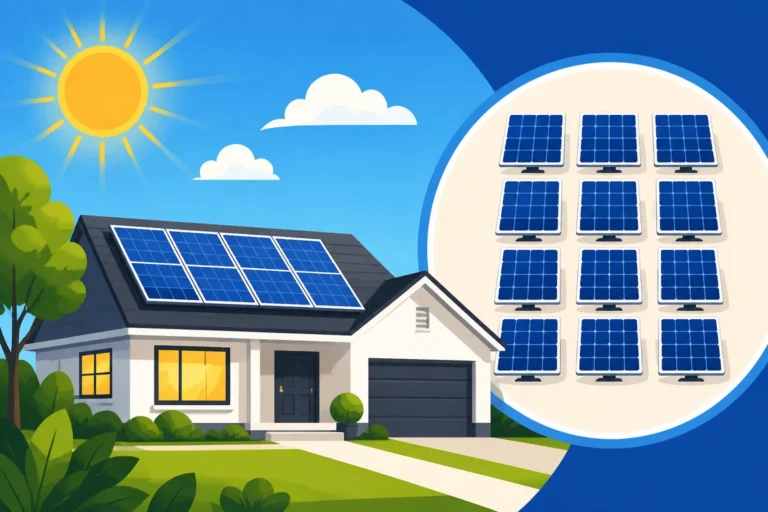
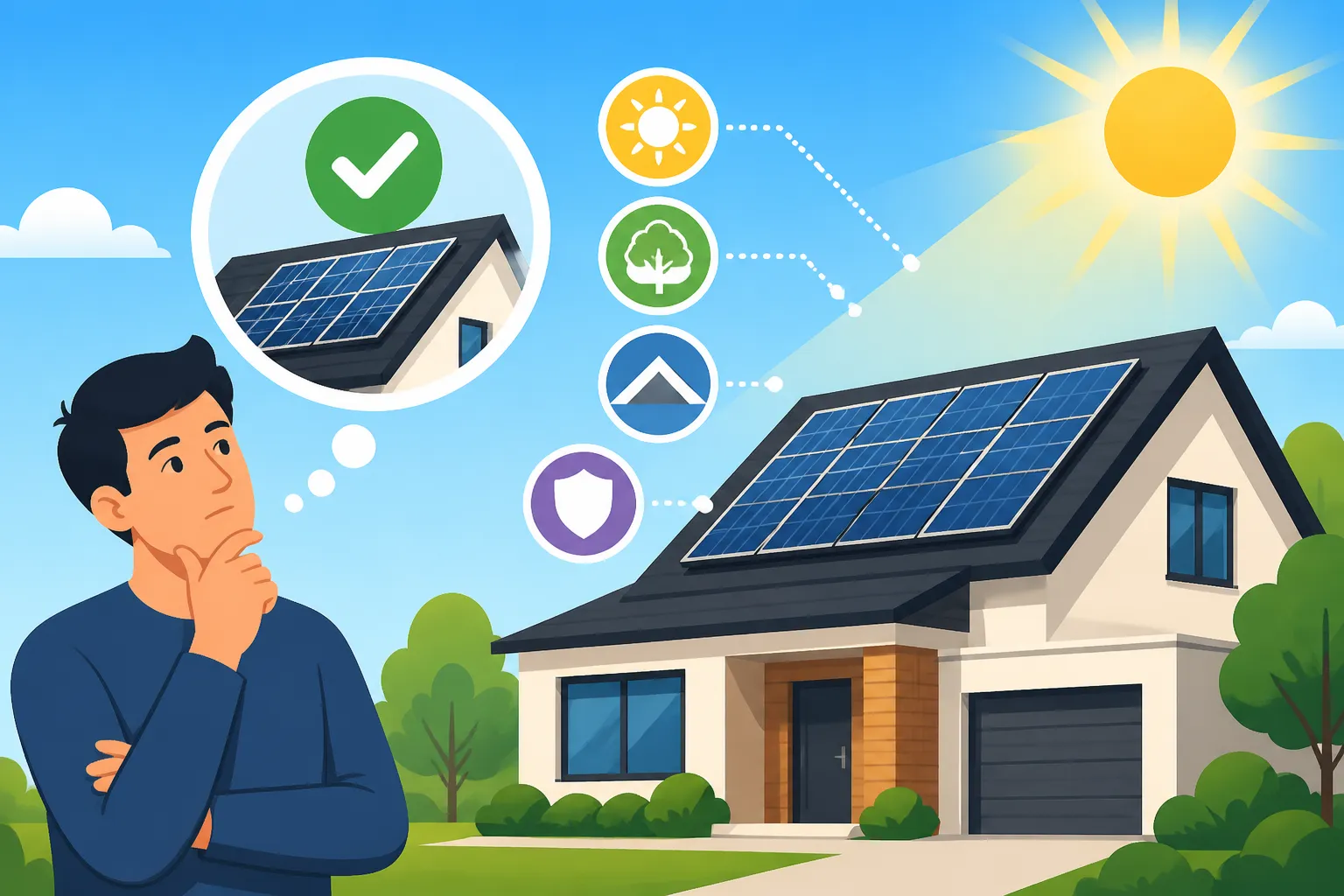
Thinking about going solar is exciting! You’re picturing lower electricity bills, energy independence, and a greener footprint. But then, a practical question hits: is your roof even right for solar panels? It’s a common worry, and one many homeowners face, wondering if their home's biggest asset is ready for such a significant upgrade. This guide will walk you through exactly how to assess your roof's suitability for solar, covering everything from its age and material to sun exposure and orientation, so you can confidently take the next steps.
Understanding Your Roof's Age and Current Condition
Before you even think about specific solar panels or how much they might cost, the absolute first thing you need to evaluate is the health of your existing roof. Think of it like building a house – you wouldn't start framing on a crumbling foundation, right? Solar panels are a long-term investment, often lasting 25-30 years, and you want them to be installed on a roof that can last just as long, if not longer.
Why Roof Age and Lifespan Matter for Solar
Imagine installing a beautiful new solar system only to find out a few years later that your roof needs replacing. That's a huge headache and an unexpected expense. Removing and reinstalling solar panels can cost thousands of dollars, easily ranging from $2,000 to $6,000 or more, depending on the system size and complexity. This is why it’s critical to address your roof’s age upfront. Most asphalt shingle roofs, for example, have a lifespan of 20-30 years. If your roof is already 15-20 years old, it might be wise to consider replacing it before going solar.
A good rule of thumb is this: if your roof has less than 10-15 years of estimated life left, seriously consider a replacement. It’s far more cost-effective to combine a new roof installation with your solar project. Many solar installers even offer roofing services or can coordinate with a trusted roofing partner. This ensures that when your solar panels go up, they're sitting on a sturdy, fresh surface that won't need major work anytime soon. You can find more specific advice on this topic in our guide on whether you need a new roof before solar.
Signs of a Healthy Roof Versus One Needing Attention
A healthy roof looks exactly like you’d expect: uniform, free of obvious damage, and with a good seal. The shingles should lie flat, without curling, cracking, or missing granules. Look for any signs of water damage, both on the exterior (stains, moss, or algae growth) and on the interior (water spots on ceilings, damp insulation in the attic). Excessive moss or algae can trap moisture, accelerating shingle deterioration.
Conversely, a roof that's seen better days will show clear signs of wear. Granules might be missing in patches, exposing the asphalt layer underneath. Shingles could be curling at the edges, lifting, or even completely missing. You might see streaks or dark spots that indicate algae, mold, or rotting. If you notice any sagging in the roofline, this is a major red flag that indicates structural issues, and you should have a professional roofer inspect it immediately, regardless of solar plans. Ignoring these signs could lead to costly repairs down the line, and putting solar panels on a compromised roof is simply not a good idea.
Evaluating Your Roof's Material and Structural Integrity
Beyond age, the actual material your roof is made of and its underlying structure play a significant role in determining its solar readiness. Some materials are much easier and safer to work with than others.
Compatibility of Different Roofing Materials with Solar Panels
The good news is that most common residential roofing materials are compatible with solar panel installations. Here's a quick rundown:
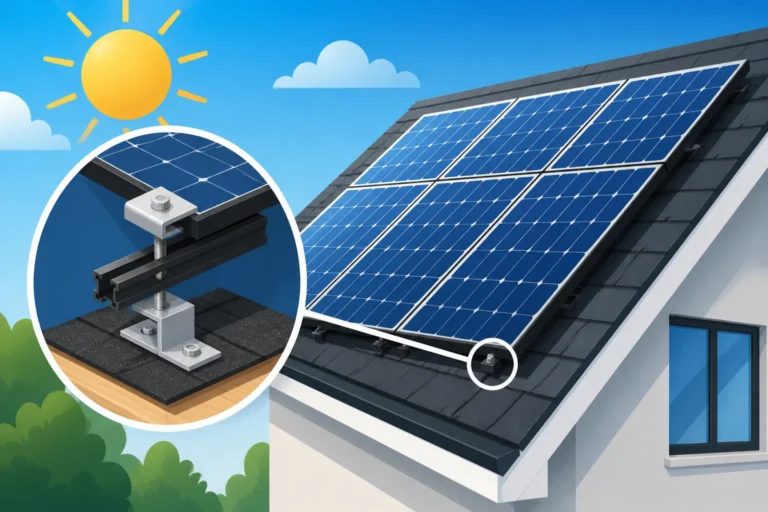
- Asphalt Shingles: This is by far the most common roofing material in the U.S. and generally poses no issues for solar installation. Installers use flashing to ensure watertight seals where the mounting hardware penetrates the shingles.
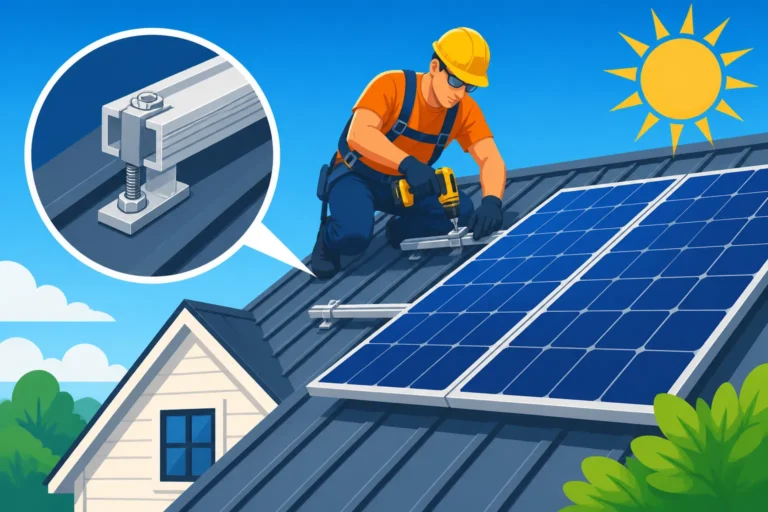
- Metal Roofs (Standing Seam): Metal roofs are fantastic for solar. Standing seam metal roofs, in particular, often allow for clamp-on mounting systems that don't require penetrating the roof surface, which can preserve the roof's warranty and integrity. This is a huge benefit for homeowners.
- Tile Roofs (Clay, Concrete): Tile roofs can definitely host solar, but they require a more specialized installation process. Tiles often need to be carefully removed, mounting hardware installed, and then the tiles either re-laid or cut around. This can add to labor costs. Concrete tiles are generally more robust, while older, more brittle clay tiles require extreme care.
- Flat Roofs: While not as common for residential homes, flat roofs are perfectly viable for solar. Panels are typically mounted on racking systems that tilt them to an optimal angle, often using ballasted systems that don't require roof penetration.
- Wood Shake/Shingle, Slate, and Composite Shake: These materials are generally more challenging. Wood shake roofs can be difficult to seal effectively around penetrations and may not offer a stable, long-term base. Slate is very brittle and expensive to repair, making installers cautious. While not impossible, these types of roofs often mean higher installation costs and careful planning. You can learn more about which roofs are best for solar panels in our detailed guide.
Here's a quick comparison of common roofing materials and their solar suitability:
| Roofing Material | Solar Compatibility | Considerations |
|---|---|---|
| Asphalt Shingles | Excellent. Most common, straightforward installation. Flashing used for weatherproofing. | Ensure shingles are in good condition and have adequate lifespan remaining (10-15+ years). |
| Standing Seam Metal | Excellent. Often allows for non-penetrating clamp mounts, preserving roof integrity and warranty. Long lifespan of metal roofs complements solar. | Ideal for solar. Ensure the metal is not corroded or damaged. |
| Exposed Fastener Metal | Good. Requires penetrations where fasteners are located, similar to asphalt. Good lifespan matches solar. | Ensure proper sealing at penetration points. |
| Concrete Tile | Good. More durable than clay tile. May require tile removal, mounting, and re-installation or cutting around. | Increased labor costs due to specialized installation. Risk of tile breakage is lower than clay but still present. |
| Clay Tile | Moderate to Good. Visually appealing but can be fragile. Requires careful removal, mounting, and re-installation or cutting. | Higher labor costs due to delicate nature. Risk of breakage during installation is higher, and replacement tiles might be needed. |
| Slate | Moderate to Difficult. Very durable but extremely brittle and expensive to repair/replace. Most installers prefer to avoid penetration if possible. | Significantly higher installation costs. Finding experienced installers familiar with slate is crucial. Potential warranty issues if not installed correctly. |
| Wood Shake/Shingle | Difficult. Can be challenging to seal effectively around penetrations. Lifespan might be shorter than solar panels, leading to early re-roofing needs. Fire risk concerns sometimes. | Most installers recommend replacing wood shake roofs before solar installation due to fire safety concerns, lifespan mismatch, and difficulty sealing. |
| Flat Roof (Membrane) | Good. Panels are mounted on tilted racking systems. Ballasted systems (weighted down) can avoid penetrations. | Ensure roof membrane is in excellent condition to prevent leaks. Proper drainage is essential. Consider the weight of ballasted systems. |
Assessing Your Roof's Structural Soundness for Solar Panels
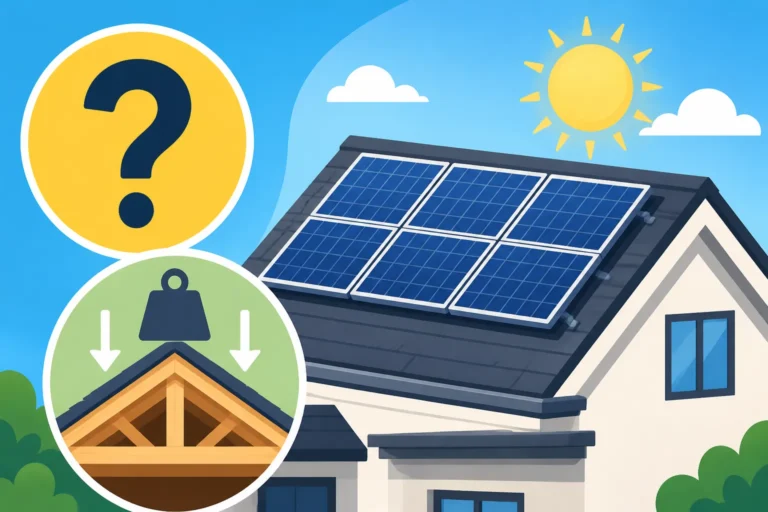
It’s not just about the material; it’s about what’s underneath. Solar panels, along with their mounting hardware and inverters, add weight to your roof. While a typical residential solar system isn't usually so heavy that it causes structural failure on a properly built and maintained home, it's still a factor to consider.
Most modern homes are built to handle the weight of snow loads, which can be considerable, especially in northern states. However, older homes or those with known structural issues might need an inspection. A good solar installer will always include a structural assessment as part of their site survey. They'll send an engineer or qualified professional to examine your attic rafters and roof trusses to ensure they can safely support the added weight. If your home needs minor reinforcement, they can usually include that in the project plan, though it will add to the overall cost. Never skip this step; it’s a critical part of a safe and long-lasting installation. For more on what's involved, check out our guide on how solar panels are installed step by step.
Maximizing Sun Exposure and Minimizing Shading
Once your roof's physical condition is good to go, the next, and perhaps most crucial, factor for solar efficiency is how much sunlight it actually gets throughout the day and year. Even the most advanced solar panels won't produce much electricity if they're constantly in the shade.
Ideal Roof Orientation and Pitch for Solar Production
In the Northern Hemisphere, a south-facing roof is generally considered the holy grail for solar panels. This orientation maximizes exposure to the sun's path throughout the day, leading to the highest energy production. However, don't despair if your roof isn't perfectly south-facing!
- East-facing roofs can capture excellent morning sun, which can be beneficial if your household uses more electricity earlier in the day.
- West-facing roofs are great for capturing afternoon sun, which can align well with peak energy demand and higher electricity prices in many utility areas.
- North-facing roofs are typically not recommended for solar panels due to significantly reduced sunlight exposure, unless they have a very shallow pitch or are part of a ground-mount system.
The pitch, or angle, of your roof also plays a role. Generally, a pitch between 30 and 45 degrees is considered optimal in many parts of the U.S., allowing the panels to capture sunlight efficiently year-round and encouraging snow and debris to slide off. However, panels can be mounted on various pitches, and installers will calculate the best angle for your specific latitude and energy needs. If you're curious about this, our article on whether a south-facing roof is best for solar delves deeper.
The Impact of Trees, Chimneys, and Other Obstructions
Shading is the ultimate enemy of solar production. Even partial shading on just one panel can drastically reduce the output of an entire string of panels if you're using a string inverter system. This is where microinverters or power optimizers really shine, as they allow each panel to operate independently, minimizing the impact of shading. Brands like Enphase (with their microinverters) or SolarEdge (with their optimizers) are designed to mitigate shading issues.
When you're looking at your roof, consider everything that could cast a shadow:
- Trees: Are there large, mature trees that shade your roof for significant portions of the day? Remember, leaves grow in spring, and shadows change with the seasons and the sun's path. Sometimes, selective trimming can make a big difference, but removing large, healthy trees just for solar might not be worth it.
- Chimneys and Dormers: These permanent structures can cast surprisingly long shadows. Installers will design your system to avoid these shaded areas as much as possible.
- Neighboring Buildings: Tall buildings or even two-story homes next door can cast shadows, especially in the morning or late afternoon.
- Utility Poles/Lines: Less common, but sometimes poles or wires can create small, persistent shadows that need to be accounted for.
A professional solar assessment, often offered for free by companies like Modernize, will use specialized software to analyze your roof's sun exposure throughout the year, taking into account all potential shading elements. This helps them design a system that maximizes your energy production and savings. Our guide on how roof shading affects solar provides more detailed information.
Practical Considerations and Next Steps for Homeowners
So you’ve looked at your roof, considered its age, material, and sun exposure. What now? It's time to get down to the practicalities and engage with the experts.
Getting a Professional Solar Assessment
While a DIY preliminary check is great for a general idea, nothing beats a professional solar assessment. This is a crucial step that every reputable solar installer will perform. During this assessment, an expert will:
- Conduct a detailed site visit: They'll physically inspect your roof, check for structural integrity from the attic, and verify electrical panel capacity.
- Perform a shade analysis: Using specialized tools and software, they'll precisely map out how sunlight hits your roof throughout the day and year, identifying any persistent shadows.
- Assess your energy needs: They'll review your past electricity bills to understand your average consumption, which is essential for determining how many solar panels you need for your home.
- Discuss local regulations: They’ll be familiar with local permitting requirements, HOA restrictions, and utility interconnection standards, all of which can vary significantly by location.
This comprehensive assessment will give you a clear picture of your roof's solar potential and help the installer design a system specifically tailored to your home. It's also a great opportunity to ask all your questions, from financing options to warranty details. Don't hesitate to ask about their experience with specific roof types, like if they have expertise in installing solar panels on a tile roof, for example.
The Role of Permitting, HOAs, and Local Regulations
Navigating the bureaucracy can be one of the trickiest parts of going solar. This is where a good solar installer truly earns their keep. They typically handle all the necessary paperwork, but it's good for you to be aware of what's involved:
- Building Permits: Most solar installations require a local building permit to ensure the system meets safety and structural codes. The requirements can vary significantly from one city or county to another.
- Electrical Permits: Beyond building permits, electrical work related to solar often requires separate electrical permits and inspections.
- Homeowners Associations (HOAs): If you live in an HOA community, you'll almost certainly need their approval. Many states have "solar rights" laws that prevent HOAs from outright banning solar, but they can still impose reasonable restrictions on placement, aesthetics, or screening. It's always best to check your HOA's specific bylaws early in the process.
- Historic Districts: If your home is in a designated historic district, there might be additional aesthetic guidelines or restrictions on visible modifications, including solar panels. These typically require special approval processes.
Your chosen solar installer, especially one that regularly works in your area, should be intimately familiar with these local requirements. They should guide you through every step, ensuring all permits are secured and regulations are met, minimizing potential delays or issues. Companies like Modernize can help connect you with reputable local installers who understand these nuances.
Moving Forward: Getting Quotes and Choosing an Installer
Once you have a good understanding of your roof's solar potential, the next step is to start getting actual quotes. Don't settle for just one! I always recommend getting at least three different quotes from reputable installers. This allows you to compare system designs, equipment (like specific panel brands or inverter types), warranties, financing options, and pricing.
When comparing quotes, look beyond just the bottom-line price. Consider:
- Total system size and estimated production: Does it meet your energy needs?
- Equipment brands and quality: Are they offering reliable, high-efficiency panels and inverters?
- Warranties: What kind of product, performance, and workmanship warranties are included?
- Installer reputation: Check reviews, references, and their track record.
- Customer service: How responsive and transparent are they during the sales process?
Asking detailed questions about everything, including how many solar panels do I need for my home and what affects the cost of solar panels, will empower you to make an informed decision. Remember, going solar is a long-term commitment, and choosing the right installer is just as important as having a suitable roof.
Disclaimer
Please note that this article provides general information and recommendations. The suitability of your roof for solar panels and the specific requirements for installation can vary greatly based on your exact location, local building codes, utility regulations, and the unique characteristics of your home. Always consult with certified solar professionals and licensed structural engineers for a thorough assessment and personalized advice before making any decisions about installing solar panels.