How Long Does Solar Installation Take in Georgia?
Deciding to go solar in Georgia is a big step, and if you’re anything like the homeowners I talk to, one of your first burning questions is probably, "How long is this whole thing really going to take?" It's not like ordering a pizza; there are quite a few moving parts, and the timeline can stretch out longer than you might initially expect. This guide is here to walk you through every stage of the solar installation journey specifically for Georgia residents, helping you understand the typical duration and what might cause delays.
The Full Solar Journey: From Idea to Energy Production in Georgia
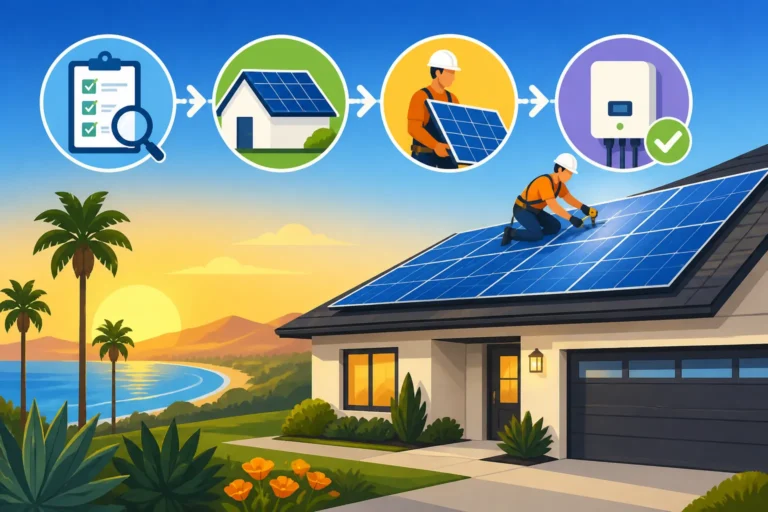
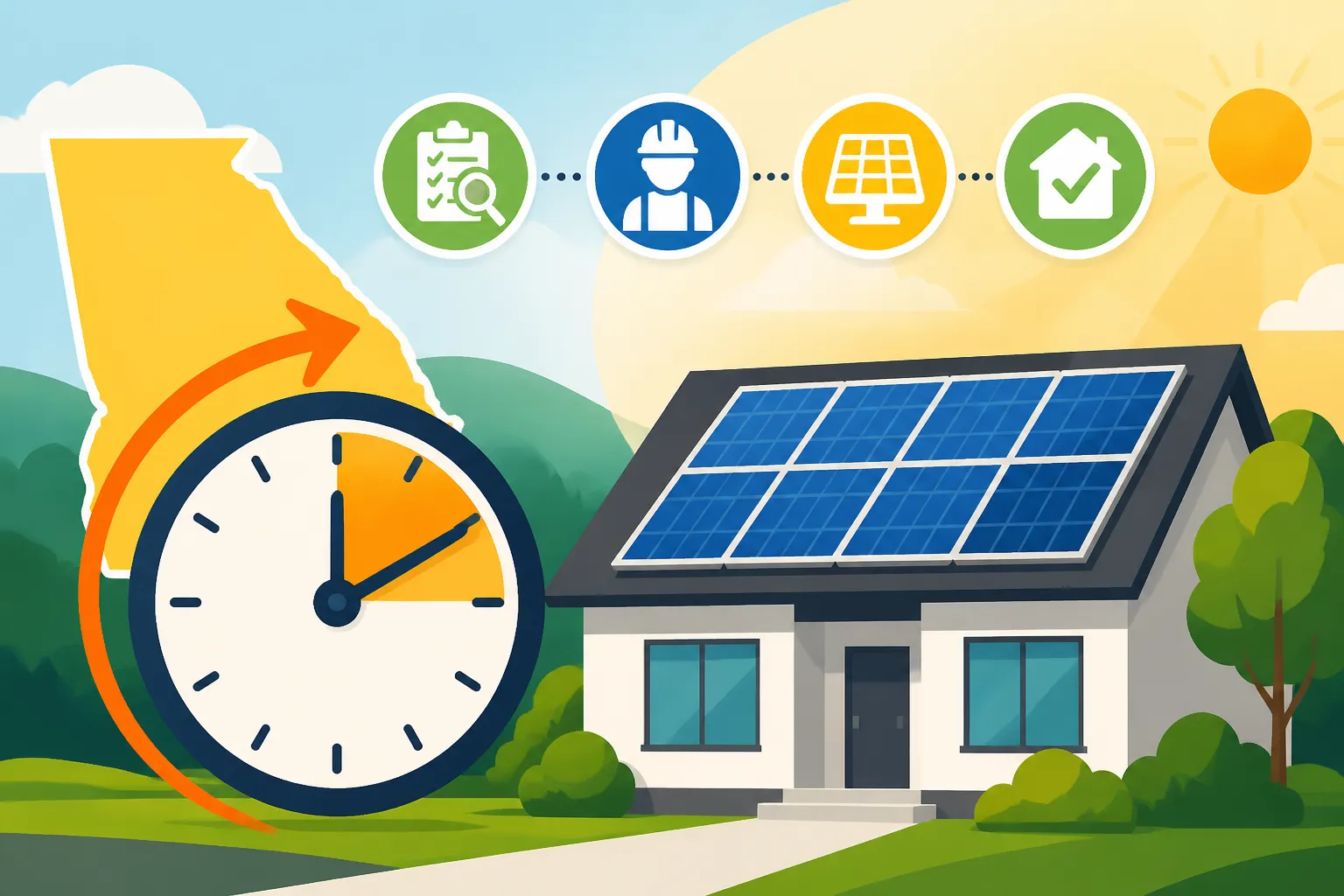
When you decide to install solar panels on your Georgia home, you're not just signing a contract and waiting a week for them to appear. The entire process, from your first serious inquiry to finally getting "Permission to Operate" (PTO) from your utility company and producing your own clean energy, typically spans several months. It's a phased approach that involves various professionals, local government offices, and your utility provider. Expect anywhere from 2 to 6 months, and sometimes even a bit longer, depending on a host of factors we'll explore. This timeframe might seem daunting, especially when you're eager to start seeing those electricity savings, but understanding each step can help alleviate some of that waiting anxiety.
Initial Consultations and Design Phase
The very beginning of your solar journey is all about gathering information and making informed decisions. This usually starts with reaching out to a few solar installers. You might use a service like Modernize to connect with pre-vetted local companies, which can save a lot of time in the initial search.
Getting Quotes and Site Assessments
Once you've found a few reputable solar companies, they'll want to gather information about your home and energy usage. This typically involves an initial phone consultation, followed by a detailed site assessment. During this assessment, a solar professional will visit your home in person or conduct a virtual assessment using satellite imagery and your utility bills. They'll evaluate your roof's condition, angle, and sun exposure, look at your electrical panel, and discuss your current and projected energy needs. This step usually takes a few days to a week per installer, as you wait for appointments and then for them to compile their proposals. It's really important to compare at least three different quotes to ensure you're getting the best value and understanding your options fully.
System Design and Proposal Review
After the site assessment, the solar installer's design team gets to work. They'll create a customized solar system design for your home, specifying the number and type of panels, inverters (like those from Enphase or SolarEdge), and where everything will be placed. They'll present you with a detailed proposal, outlining the system’s size, estimated energy production, cost, and projected savings. This back-and-forth process of design, revision, and contract signing can take anywhere from 1 to 3 weeks. It's crucial to ask all your questions during this stage, making sure you fully understand the equipment, warranties, and financial aspects before committing. For more details, you might want to read about how to choose a solar installer to ensure you pick the right partner.
Permitting and Interconnection Paperwork
This phase is often cited as the longest and most unpredictable part of the solar installation timeline, especially here in Georgia. It involves navigating local government bureaucracy and utility company requirements.
Local Permitting in Georgia
Once you've signed a contract, your chosen solar installer will handle all the necessary permitting. This includes submitting detailed engineering plans to your local jurisdiction – be it the City of Atlanta, Cobb County, Gwinnett County, or a smaller municipality. Each local government has its own review process and timeline. Some areas are more streamlined than others. For instance, a permit in a smaller town like Athens might be processed quicker than in a densely populated area with a larger building department, such as Savannah or Columbus. This permit approval process can take anywhere from 4 to 8 weeks, but sometimes even longer if there are revisions requested or a backlog at the permitting office. Understanding the nuances of the local "Solar Permit Process in Georgia" can help manage expectations here.
Utility Interconnection Applications
Simultaneously, your installer will submit an interconnection application to your local utility company. In Georgia, this could be Georgia Power, or one of the many electric cooperatives like Cobb EMC, Jackson EMC, or Sawnee EMC. This application outlines your system's design and requests permission to connect it to the grid. The utility company needs to review these plans to ensure your system meets their safety and technical requirements. This step can often take as long as, if not longer than, the local permitting process, frequently adding another 4 to 8 weeks to the overall timeline. The specific requirements and review times can vary significantly between different utility providers. It's a critical step that culminates in receiving official "Permission to Operate (PTO)", a non-negotiable before you can start producing electricity.
Equipment Procurement and Installation
Once all the permits and interconnection approvals are in hand, the physical work can begin. This is often the most exciting part for homeowners because it's when you actually see progress on your property.
Ordering and Delivery of Equipment
After permits are approved, your installer will order all the necessary equipment: solar panels, inverters, racking, and electrical components. While most reputable installers keep common equipment in stock or have reliable supply chains, unexpected delays can still occur. Global supply chain issues, specific panel models being backordered, or shipping logistics can add anywhere from 2 to 6 weeks to this phase. If you've opted for a popular battery storage system like a Tesla Powerwall or Enphase IQ Battery, those sometimes have longer lead times as well. Your installer should keep you updated on the expected delivery dates.
Physical Installation of the Solar System
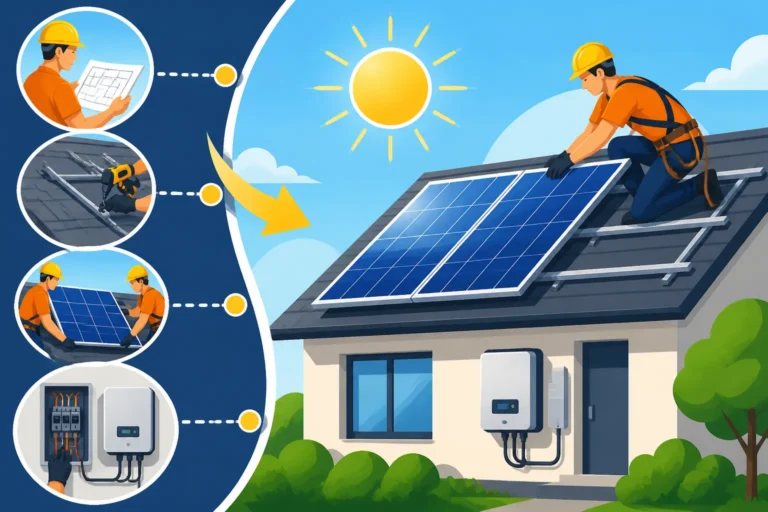
The actual physical installation of the solar panels on your roof is surprisingly fast compared to the preceding administrative steps. For most residential systems, a team of installers can complete the work in just 1 to 3 days, sometimes up to a week for larger or more complex installations. This includes mounting the racking, securing the panels, installing the inverters, and running the necessary electrical conduits. Factors like the complexity of your roof (e.g., multiple angles, steep pitch), adverse weather conditions, or unexpected structural issues can extend this timeframe slightly. It’s always good to talk to your installer about "Roof Considerations for Solar Panels" beforehand to mitigate potential surprises. For a full breakdown, check out our guide on the "Solar Installation Process in Georgia".
Final Inspections and System Activation
You're almost there! Once the physical installation is complete, there are a few final hurdles to clear before you can power your home with sunshine.
Local Building Inspections
After the solar system is physically installed, your local building department will conduct a final inspection. This inspector will verify that the installation complies with all local building codes, electrical codes, and the approved plans from your permit. They’ll look for proper wiring, secure mounting, and overall safety. This inspection typically occurs within 1 to 2 weeks after installation. If the inspector finds any issues, your installer will need to address them, and a re-inspection may be required, adding a few more days or weeks to the timeline.
Utility Interconnection and Permission to Operate (PTO)
This is the finish line! After your local inspection passes, your installer will notify your utility company. The utility will then perform its own final check, which might involve installing a new net meter if you don't already have one compatible with solar. Once satisfied, they will officially grant you "Permission to Operate (PTO)". Only after receiving PTO can you legally turn on your system and begin sending excess electricity back to the grid. This final utility process can take another 1 to 4 weeks. It’s a moment of great anticipation, and once you get that green light, you’re officially a solar-powered household! For more information on what comes next, you can explore "What Happens After Solar Is Installed?".
Factors That Can Influence Your Solar Installation Timeline
While the general framework for solar installation is fairly consistent, several factors can either speed up or slow down your specific project in Georgia. Understanding these can help you manage your expectations and even proactively address potential issues.
Geographic and Local Regulatory Differences
Georgia is a large state, and what holds true for solar installation in one area might be different in another. As mentioned, permitting processes can vary significantly between different counties and cities. Larger, more bureaucratic cities like Atlanta or Augusta might have longer permit review times than rural areas in North Georgia. Furthermore, different utility companies, whether it's Georgia Power or a specific EMC, might have varying backlogs for interconnection approvals or different procedures for their "Net Metering Explained: How It Works by State" programs. An experienced local installer, especially one that has completed many projects in your specific county, will be better equipped to navigate these local nuances efficiently.
Installer Efficiency and Responsiveness
The solar company you choose plays a massive role in how quickly your project moves forward. A highly organized installer with dedicated teams for permitting, design, and installation will generally have a smoother process. Conversely, an installer that's understaffed, disorganized, or slow to respond to requests from permitting offices or utilities can introduce significant delays. This is another reason why it’s so important to "How to Compare Solar Installer Quotes" and choose one with a strong local reputation. Some homeowners find success using platforms like Modernize to easily compare multiple reputable installers in their area, which can help streamline the early stages of vetting.
Homeowner Responsiveness and Site Specifics
Believe it or not, you, the homeowner, can also impact the timeline! Being readily available to answer questions, approve designs, or schedule appointments can help keep things moving. Delays on your end, such as slow responses or multiple design changes, can add weeks to the process.
Site-specific challenges can also contribute to delays. For example:
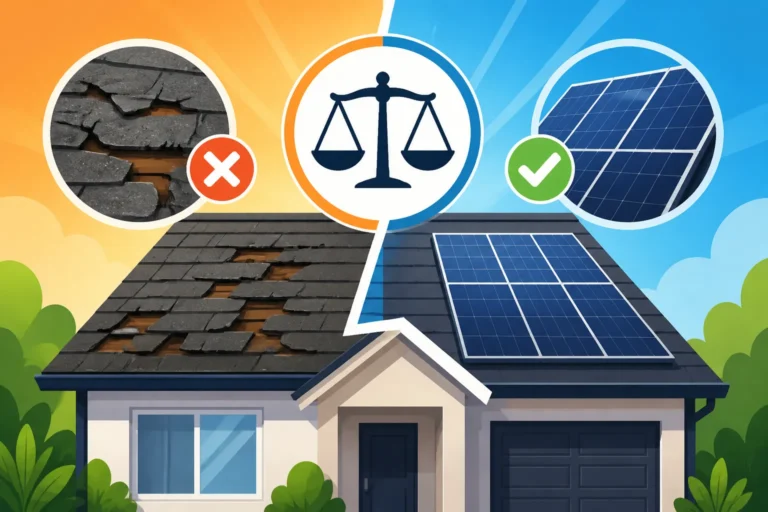
- Roof condition: If your roof needs repairs or replacement before solar installation, that will add significant time.
- Electrical panel upgrades: Older homes in Georgia might require an upgrade to their electrical panel to handle the new solar system, which adds another layer of permitting and work.
- Homeowners Association (HOA) approvals: If your community has an HOA, you’ll need to secure their approval, which can sometimes be a lengthy process with its own set of rules and design guidelines.
Weather and Seasonal Considerations
Georgia's weather is generally favorable for solar, but Mother Nature can still throw a wrench in outdoor work. Heavy rain, thunderstorms, or even extreme heat warnings can cause installation crews to postpone work for safety reasons. While these delays are usually short-term (a few days here and there), they can collectively add up. Generally, installers try to work around the weather, but safety always comes first.
Table: Typical Solar Installation Timelines in Georgia
To give you a clearer picture, here's a table summarizing the typical duration for each major phase of a residential solar installation in Georgia:
| Phase | Typical Duration (Georgia) | Potential Factors for Delay |
|---|---|---|
| Initial Consult & Design | 1-3 Weeks | Homeowner responsiveness, multiple quotes, design revisions |
| Permitting (Local) | 4-8 Weeks | Local government backlogs, plan revisions, complex zoning |
| Interconnection (Utility) | 4-8 Weeks | Utility review backlogs, specific technical requirements |
| Equipment Ordering & Delivery | 2-6 Weeks | Supply chain issues, specific equipment availability |
| Physical Installation | 1-5 Days | Weather, roof complexity, crew availability, system size |
| Inspections (Local) | 1-2 Weeks | Inspector availability, re-inspection requirements |
| PTO (Utility Activation) | 1-4 Weeks | Utility scheduling, net meter installation |
| Total Estimated Timeframe | 2-6+ Months | All factors combined, can vary widely |
Tips for a Smoother and Faster Solar Installation Process
Navigating the solar installation process in Georgia doesn't have to be overly stressful. By being prepared and proactive, you can help ensure things move along as smoothly and efficiently as possible.
Prepare Your Home and Documentation
Before even reaching out to installers, take some time to gather information that will be vital to their assessment. This includes at least 12 months of your utility bills. These bills give installers a clear picture of your energy consumption, allowing them to accurately size your system. Also, if you know the age and condition of your roof, that information is helpful. Consider any large trees that might shade your roof at different times of the day, as this will impact solar production. Knowing these details upfront can significantly speed up the initial design and proposal phase.
Communicate Clearly with Your Installer
Choose an installer that prioritizes clear and consistent communication. Once you've selected a company, establish a clear line of communication and don't hesitate to ask for regular updates on the progress of your project. Ask for estimated timelines for each phase and what potential roadblocks might exist. A good installer will proactively communicate with you, but you should also feel comfortable reaching out if you have questions or concerns. Reputable installers often use project management software that allows you to track progress. If you're looking for an installer, remember services like Modernize can connect you with providers who understand the local Georgia market and its specific challenges.
Be Prompt with Responses and Approvals
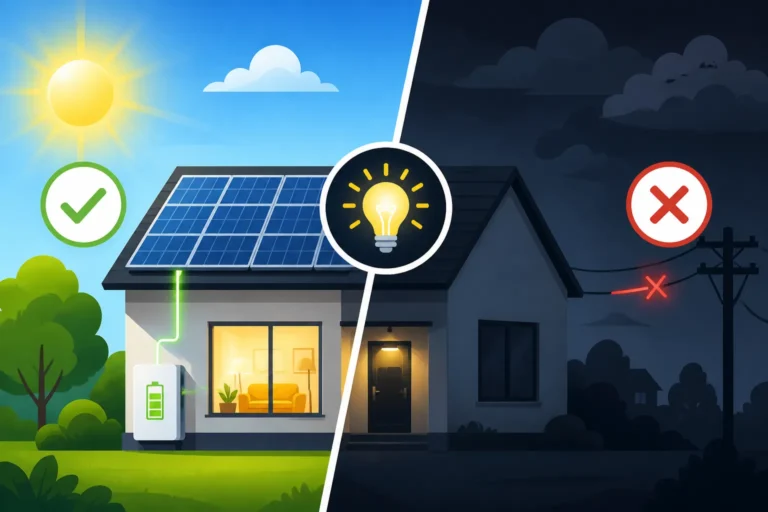
As a homeowner, your responsiveness is key. When your installer sends you documents to review, design plans to approve, or asks for information, respond as quickly as you can. Delays on your end, even a few days here and there, can add up and push back subsequent steps. The sooner the installer has your approval, the faster they can submit permits or order equipment. Think of yourself as a vital part of the project management team, and your timely input keeps the whole process flowing. It's often during the waiting period for interconnection that homeowners start wondering about other aspects of their solar setup, like "Do I Need a Battery With Solar?", which can be discussed with your installer, but make sure it doesn't hold up the main installation process.
Disclaimer
Please remember that the information provided in this article is for general guidance only and does not constitute professional financial, legal, or energy advice. Solar incentives, regulations, and costs can change rapidly. Always consult with qualified solar professionals, tax advisors, and local authorities to get the most accurate and up-to-date information for your specific situation.