How Long Does Solar Installation Take in North Carolina?
The thought of going solar is exciting, isn't it? Imagining those lower power bills and the satisfaction of clean energy. But then reality sets in, and you start wondering, "Okay, this sounds great, but how long is this whole process actually going to take?" It's a valid concern! Nobody wants to be stuck in limbo with half-installed panels or endless paperwork. For homeowners in North Carolina, understanding the typical solar installation timeline can help manage expectations and ensure a smoother journey. This guide will walk you through each phase, from initial inquiry to flipping the switch, giving you a realistic picture of what to expect in the Tar Heel State.
Unpacking the North Carolina Solar Installation Timeline
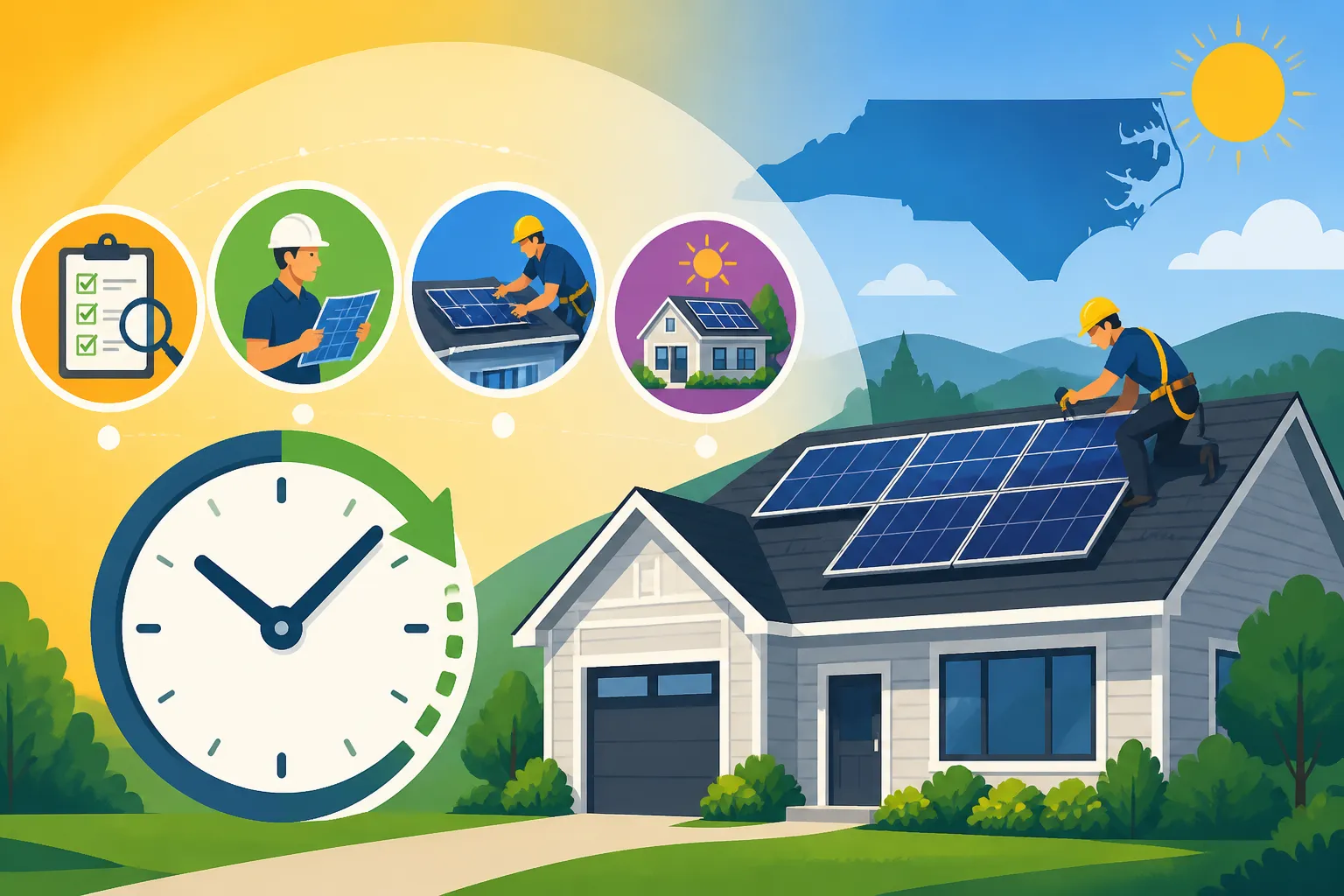
When you're first considering solar, you might think it's just a matter of slapping some panels on the roof. Oh, if only it were that simple! The reality is, a successful solar installation is a multi-step process, each with its own specific timeframes, and many of them happen before anyone even sets foot on your roof. For North Carolina homeowners, the entire journey, from that first curious click to producing your own power, can typically range from 2 to 4 months. Let's break down where that time goes.
From Inquiry to System Design
This initial stage is all about gathering information and getting your personalized solar plan. It's often the most exciting part, as you start to see your solar dream take shape.
Initial Consultations and Site Assessment
It all starts with curiosity. You reach out to a solar provider, perhaps through a service like Modernize, to get some quotes. This usually involves an initial phone call or virtual meeting where they ask about your energy usage, your roof, and your goals. If things look promising, the next step is a detailed site assessment. A solar professional will visit your home in North Carolina to physically inspect your roof's condition, orientation, shading, and measure its dimensions. They'll also check your electrical panel to ensure it can handle the new solar system or identify if an upgrade is needed. This might involve looking at your utility bills, observing the sun's path across your roof throughout the day, and assessing any potential obstructions like large trees. This phase is crucial for an accurate design and typically takes 1 to 2 weeks to complete, including scheduling the visit and getting the initial data compiled. Sometimes, they might even use drone technology for quicker, more accurate roof measurements.
Engineering and System Design Approval
Once all the site data is collected, the magic of engineering begins. The solar company's design team takes into account your specific energy needs, the local sunlight conditions in North Carolina, and any roof limitations to create a custom solar panel layout. They'll select the right panels, inverters (like those from Enphase or SolarEdge), and mounting hardware. You'll then review these detailed plans, including the expected energy production and aesthetic considerations. This is your chance to ask questions and request adjustments before anything is finalized. This design phase, including revisions and your final approval, generally adds another 2 to 4 weeks to the overall timeline. It's a critical step to ensure your system is optimized for your home and maximizes your long-term savings.
The Paperwork Gauntlet: Permitting and Interconnection
Ah, paperwork. It's often the part that homeowners find most frustrating and mysterious, but it's absolutely essential. These approvals ensure your system is safe, up to code, and legally connected to the grid.
Local Building Permits
Before any construction can begin, your solar installer needs to secure building permits from your local North Carolina municipality. This isn't a one-size-fits-all process. The requirements and processing times can vary significantly from one county or city to another. For example, getting a permit in a large city like Charlotte might follow a different track or have a different wait time than in a smaller town in the mountains or along the coast. The solar company will prepare all the necessary blueprints and documentation, but the waiting game is largely out of their hands. This permitting phase typically takes 4 to 8 weeks, though some jurisdictions can be faster or, unfortunately, much slower depending on their workload and specific regulations. You can learn more about the complexities of "Solar Permitting & Interconnection (PTO) Explained" by checking out our dedicated guide.
Utility Interconnection Agreement
In addition to local permits, you'll need approval from your utility company – most commonly Duke Energy in North Carolina, or perhaps Dominion Energy, or a smaller municipal utility or electric cooperative. This is called the interconnection agreement, and it gives you permission to connect your solar system to their grid and potentially benefit from programs like net metering, if available in your area. The utility reviews your system design to ensure it meets their safety and technical standards. This process can be quite detailed and usually takes 3 to 6 weeks on its own. It involves submitting applications, sometimes engineering reviews, and finally getting the green light to proceed with installation and eventually, operation. Without this, you can't legally send excess solar power back to the grid.
The Big Day: System Installation
This is what most people picture when they think about going solar – the actual construction on their roof. Compared to the preceding administrative phases, the physical installation is surprisingly quick!
Panel Mounting and Electrical Wiring
Once all permits and agreements are in hand, the actual installation can be scheduled. The first step involves mounting the racking system onto your roof, which will securely hold the solar panels. This is followed by placing the panels themselves. Concurrently, the electrical work is done, connecting the panels to your inverters, and then integrating the inverter with your home's main electrical panel and the utility meter. Installers work diligently to ensure everything is secure and wired correctly according to strict safety codes. While it looks like a lot of work, for a typical residential system, this entire process usually takes 1 to 3 days of active work on your property. Of course, larger or more complex systems, or homes requiring significant electrical upgrades, might take a bit longer. Factors like roof considerations for solar panels also play a significant role in how smoothly this phase proceeds.
Final Inspections and Permission to Operate
After the physical installation is complete, there's one more round of checks. First, your local building department will conduct a final inspection to ensure the system was installed according to the approved permits and local building codes. Then, your utility company will perform its own inspection to verify the system meets their interconnection standards and is safe to connect to their grid. If all passes, the utility will grant you "Permission to Operate" (PTO). This is the final, glorious step where you can officially turn on your system and start generating your own clean electricity! This inspection and PTO phase can take an additional 2 to 4 weeks after installation is finished. It's the last hurdle, but once cleared, you're officially a solar homeowner.
Here's a quick summary of the typical timeline phases:
| Phase | Estimated Duration (North Carolina) | What Happens |
|---|---|---|
| Initial Consultation & Site Assessment | 1-2 weeks | Energy analysis, roof evaluation, electrical inspection. |
| System Design & Approval | 2-4 weeks | Engineering, panel layout, equipment selection, homeowner review. |
| Permitting (Local) | 4-8 weeks | Application submission, local government review and approval. |
| Interconnection (Utility) | 3-6 weeks | Application submission, utility review and approval for grid connection. |
| System Installation (On-Site) | 1-3 days | Mounting racks, installing panels, electrical wiring, inverter setup. |
| Final Inspections & Permission to Operate | 2-4 weeks | Local building inspector review, utility safety check, final activation. |
| Total Estimated Time | 8-16 weeks (2-4 months) | Note: This does not include initial research or financing approval which can vary. |
Factors That Can Influence Your Solar Timeline in North Carolina
While the average timeline gives you a good baseline, several factors can either speed up or slow down your solar journey. Understanding these can help you better prepare and avoid surprises.
Local Permitting Authority Specifics
As we touched on, not all towns are created equal when it comes to permits. Some North Carolina municipalities have streamlined processes for solar, recognizing its environmental and economic benefits. Others might have smaller planning departments with fewer resources, leading to longer review times. For instance, a homeowner in Asheville might experience a different permit processing time than someone in Wilmington or a rural county. It's also worth noting that the complexity of your system, or if your home is in a historic district, can add extra layers of review. Your installer, especially if they are experienced in your specific region of North Carolina, should have a good grasp of the local permitting landscape and can often provide more accurate estimates based on their recent projects.
Utility Company Processes
North Carolina's utility landscape, dominated by Duke Energy (both Duke Energy Carolinas and Duke Energy Progress), means most homeowners will deal with their specific interconnection requirements. Each utility has its own set of rules, application portals, and review queues. While they strive for efficiency, high demand or internal backlogs can sometimes extend the waiting period for interconnection approval. It's not uncommon for utilities to request additional information or modifications, which adds to the timeline. For those wondering about their specific utility, our article on "Utility Solar Rebates: How to Find Yours" can offer more insight into local programs and processes.
System Complexity and Home Readiness
The size and specific details of your solar installation play a big part in the timeline. A large, complex system designed to offset 100% of your energy usage on a multi-faceted roof will naturally take longer to design and install than a smaller, simpler system on a straightforward roof.
Roof Condition and Electrical Upgrades
Before solar panels can even be considered, the integrity of your roof is paramount. If your roof is old or in need of significant repairs, your installer will likely recommend addressing those issues before installing solar. This could mean a full roof replacement, which adds considerable time and cost to your overall project. Similarly, your home's existing electrical panel might need an upgrade to safely handle the new solar electricity. If the panel is outdated or too small, this electrical work needs to be completed and inspected, which adds extra steps to the timeline. These necessary home readiness tasks can easily add weeks or even months to your project. Consider reading "Do I Need a New Roof Before Solar?" for more details.
Custom Design Elements and Equipment Availability
If your solar system requires custom mounting solutions (e.g., a ground-mount system instead of a roof-mount), or if you've opted for specific, less common equipment that needs to be special-ordered, these factors can extend the timeline. While most standard solar panels and inverters are readily available, occasional supply chain hiccups or the popularity of a new battery storage system, like a Tesla Powerwall, could lead to minor delays in getting all components on site. A good installer will keep you updated on equipment lead times.
Weather and Other Unforeseen Delays
Even with the best planning, Mother Nature and unexpected issues can throw a wrench in the works.
Inclement Weather
North Carolina experiences its fair share of diverse weather, from humid summers with frequent thunderstorms to occasional winter storms. Installing solar panels requires dry, safe conditions. Heavy rain, high winds, lightning, or even extreme heat can all cause work delays. Installers prioritize safety, so they will halt operations if conditions are hazardous, which is absolutely the right call, even if it pushes back your project by a few days. These weather-related pauses are typically minor but can accumulate, especially during peak storm seasons.
Unexpected Site Discoveries
Sometimes, during the installation process, an installer might uncover an unforeseen issue with your roof or electrical system that wasn't apparent during the initial site assessment. This could be anything from rotten decking under the shingles to outdated wiring that needs to be brought up to code. These discoveries, while rare with thorough assessments, require immediate attention and can lead to temporary pauses while solutions are found and implemented. While frustrating, addressing these issues ensures the long-term safety and performance of your solar system.
Expediting Your North Carolina Solar Journey
While many parts of the solar installation timeline are beyond a homeowner's direct control, there are definitely things you can do to help keep things moving along as smoothly as possible.
Choosing the Right Solar Partner
This might be the single most impactful decision you make. A reputable and experienced solar installer can make all the difference in navigating the complexities of permits, utility approvals, and efficient installation.
Importance of Local Expertise and Reputation
An installer with deep roots and a strong track record in North Carolina will understand the local permitting nuances in cities like Raleigh, Greensboro, or Fayetteville, and will have established relationships with Duke Energy and other utility providers. They know the specific requirements, common pitfalls, and how to proactively address potential delays. Look for installers who are well-reviewed and have a good reputation for transparent communication. Don't be afraid to ask for references or examples of projects in your area. A service like Modernize can help you connect with vetted, local solar professionals who understand North Carolina's specific requirements. Remember to also ask "What Questions to Ask a Solar Installer" during your initial calls.
Clear Communication and Project Management
A professional solar company will have dedicated project managers who keep you informed every step of the way. They should provide clear timelines, communicate any potential delays, and proactively handle all the necessary paperwork, from permit applications to interconnection agreements. They should also be transparent about the "Solar Installation Timeline: What to Expect" and set realistic expectations from the outset. Don't underestimate the value of an installer who communicates effectively; it can significantly reduce your stress and the chances of unexpected delays.
What Homeowners Can Do to Help
You're a vital part of this partnership! Your active participation can help prevent unnecessary holdups.
Being Responsive and Prepared
When your installer asks for documents, signatures, or access to your home for inspections or site visits, respond as quickly as possible. Delays on your end, even small ones, can cascade and push back the entire project. Make sure your property is accessible on scheduled installation days – clear any obstacles, ensure gates are unlocked, and provide a clear path for the crew and their equipment. Having your past utility bills ready during the initial consultation can also jumpstart the design process.
Understanding the Process and Asking Questions
The more you understand each stage of the solar installation process, the better equipped you'll be to track progress and anticipate next steps. Don't hesitate to ask your project manager questions if you're unsure about something. Knowing what's happening and why can alleviate anxiety and help you feel more in control of your solar journey. For example, understanding how Net Metering Explained: How It Works by State will affect your energy bill is crucial. You might also want to look into Solar Property Tax Exemptions by State to see how solar impacts your home value and taxes.
Beyond Installation: What Happens Next in North Carolina
Getting your PTO isn't the absolute end of your solar journey; it's just the beginning of your energy independence.
Monitoring Your System's Performance
Once your system is up and running, most modern solar setups come with monitoring software that allows you to track your energy production in real-time. This can be accessed via a mobile app or a web portal. It's incredibly satisfying to see how much electricity your panels are generating and how much you're saving. Regularly checking your system's performance allows you to ensure it's operating optimally and can help you quickly identify if there are any issues that need addressing. You'll want to keep an eye on your energy production, especially in different seasons, to understand how factors like weather patterns in North Carolina affect output.
Maintenance and Warranties
Solar panels are remarkably durable and require minimal maintenance. Generally, you'll want to keep them relatively clean to ensure maximum efficiency. In North Carolina, rain often takes care of most of the cleaning, but occasional hosing down might be beneficial, especially if pollen or dust accumulate. Beyond that, regular checks by your installer, typically every few years, can ensure everything is working as it should. Your solar panels and inverters come with extensive warranties, typically covering equipment performance for 20-25 years. Understanding your Solar Panel Warranties Explained is important for long-term peace of mind. Issues are rare, but it's good to know you're covered.
Leveraging Financial Benefits
After installation, you'll start to see the financial benefits immediately through reduced electricity bills. Don't forget about any remaining state or local incentives in North Carolina you might be eligible for. While the federal solar tax credit is a major incentive, states often have their own programs. You can explore topics like State Solar Incentives: Complete 2026 Guide or Solar Sales Tax Exemptions by State to ensure you're maximizing your savings. Even if the installation took a bit longer than you initially hoped, these long-term savings often make the wait well worth it.
Disclaimer
Please note that the information provided in this article is for general guidance only and should not be considered professional financial, tax, or legal advice. Solar incentives, regulations, and installation timelines can vary significantly based on location, utility company, and specific project details. It is always recommended to consult with qualified solar professionals, tax advisors, and local authorities to get the most accurate and up-to-date information for your individual situation.