Can My Roof Support the Weight of Solar Panels?
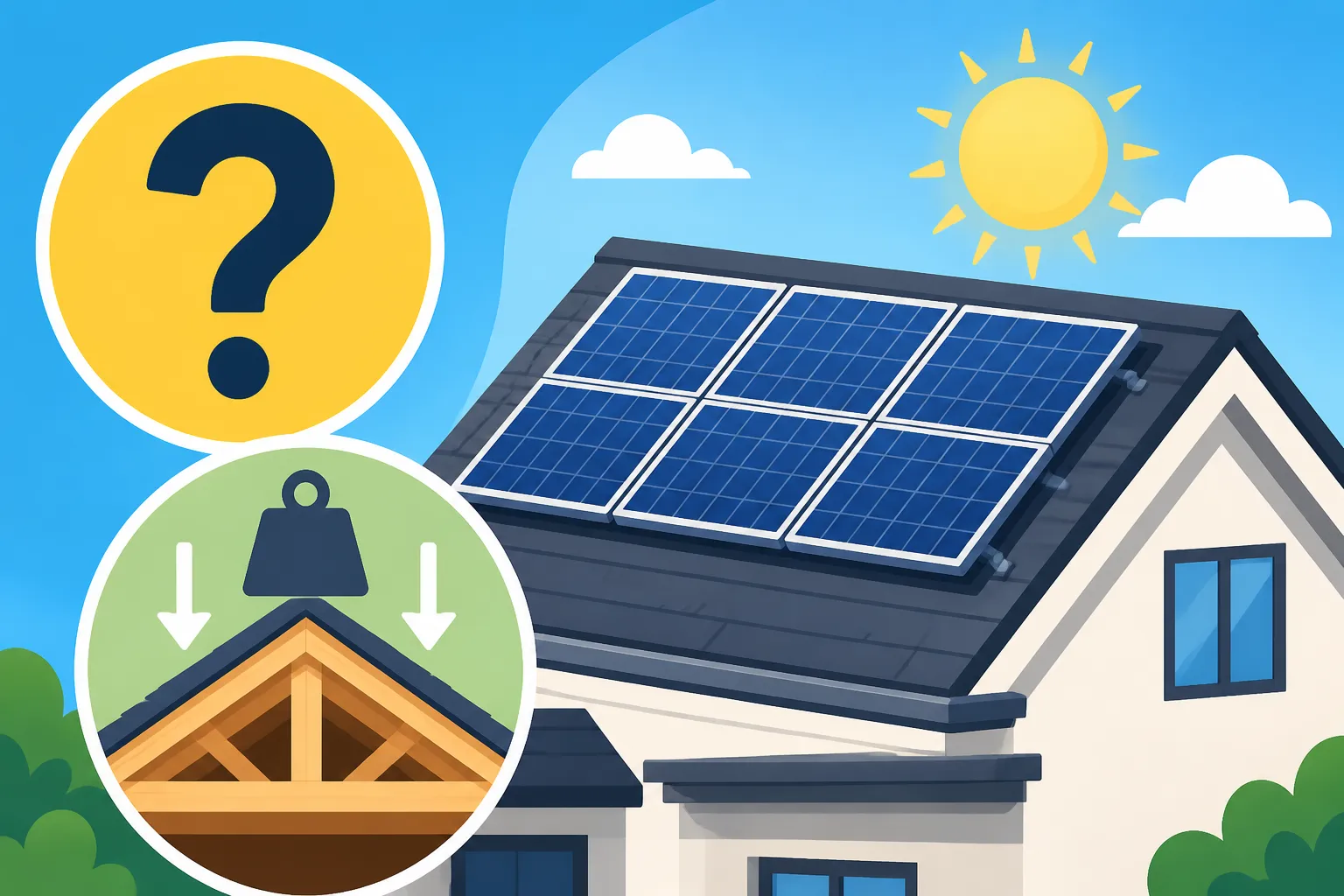
It's a common worry, isn't it? You're dreaming of slashing those utility bills and embracing clean energy, but then the practical side kicks in: "Can my roof actually handle the extra weight of all those solar panels?" It’s a perfectly valid concern, and one that homeowners often grapple with before making the leap to solar. This comprehensive guide is here to put those fears to rest, detailing exactly how solar professionals assess your roof's capacity and what you need to know about ensuring its structural integrity for a solar installation.
Understanding the Weight of Solar Panels and Equipment
When you picture solar panels, you might just imagine a sleek, flat surface. But there's more to it than that, and understanding the total weight involved is key to addressing your concerns. It's not just the panels themselves, but all the essential components that go along with them.
Average Weight of Solar Panels
A standard residential solar panel typically weighs somewhere between 40 to 50 pounds. This can vary a bit depending on the specific panel size, manufacturer, and technology (like monocrystalline vs. polycrystalline). For example, a 60-cell panel (a common residential size) from brands like Qcells or Jinko Solar might be closer to the 40-pound mark, while larger, more powerful 72-cell panels could push towards 50 pounds or even slightly more. When you consider a typical home installation might involve 15-25 panels, that adds up quickly. For a 20-panel system, you're looking at an additional 800 to 1,000 pounds distributed across your roof, which is roughly equivalent to a few adult men standing on your roof.
Weight of Mounting Hardware and Inverters
Beyond the panels themselves, you've got the mounting system, which includes rails, clamps, and attachments that secure everything to your roof. This hardware is designed to be sturdy and durable, able to withstand wind and weather, and it adds its own weight. While individual components are light, collectively, they can add another 2-5 pounds per panel. Then there are the inverters. If you're using a string inverter, it's usually mounted on a side wall or in your garage, not on the roof. However, if your system utilizes microinverters (like those from Enphase) or power optimizers (like SolarEdge), these small devices are attached directly underneath each panel. Each microinverter might only weigh 2-3 pounds, but multiply that by 20 panels, and you're adding another 40-60 pounds to the roof. It’s these cumulative weights that really prompt the need for a thorough structural review.
Considerations for Solar Batteries
More and more homeowners are choosing to add a solar battery to their system, especially for backup power or to maximize savings under different net metering policies. While a battery is a fantastic addition, it's crucial to remember that these units are heavy. A single Tesla Powerwall, for instance, weighs over 250 pounds. Other popular options like the Enphase IQ Battery or FranklinWH aPower battery are similarly substantial. While most batteries are installed on a solid foundation, like a garage floor or an exterior wall, some innovative solutions are being developed for more compact integration. If you're considering a battery, your solar installer will assess the proposed location's ability to bear this significant load, ensuring proper installation and safety. You can learn more about specific options in our guide on the Best Solar Batteries of 2026.
Assessing Your Roof's Current Condition and Structural Integrity
You wouldn't put a heavy bookshelf on a floor joist that's clearly bowing, right? The same principle applies to your roof and solar panels. Before any installation begins, a critical step is to understand the current health and structural capabilities of your roof. Skipping this could lead to costly problems down the line, compromising your investment and potentially your home's safety.
Factors Affecting Roof Load Capacity
Several factors determine how much weight your roof can safely hold. First, the original design and construction play a huge role. Older homes, especially those built before modern building codes, might have less robust framing than newer constructions. The type of roofing material also matters – a sturdy asphalt shingle roof, for example, might have different load-bearing characteristics than a tile or metal roof. The pitch of your roof, the spacing and size of your rafters or trusses, and the overall condition of the wood or steel framing all contribute to its load capacity. Don't forget, roofs are designed to handle not just their own weight and the occasional person, but also environmental loads like heavy snow accumulation or strong wind uplift.
Signs of a Weak or Damaged Roof
Before you even call a solar installer, you can do a preliminary check for signs that your roof might need some TLC. Look for sagging areas in your roofline, both from the outside and, if possible, from your attic. Water stains on your ceiling or in the attic are major red flags, indicating potential leaks and rot which can severely compromise structural integrity. Missing or damaged shingles, cracked tiles, or loose flashing can also point to underlying issues. If you notice any unusual creaking or popping sounds from your attic during windy days, that’s another sign worth investigating. A roof in poor condition is not only a bad candidate for solar but might also need immediate attention for your home's safety. Our article on Do I Need a New Roof Before Solar? has more details on this.
The Role of a Professional Roof Inspection
While your homeowner's eye can catch obvious issues, a professional roof inspection is non-negotiable for a solar project. A qualified roofing professional or a structural engineer will go beyond a visual check. They'll assess the condition of your decking, rafters, and trusses, look for rot, pest damage, or structural weaknesses, and measure key dimensions to determine the load capacity. They’ll also check the remaining lifespan of your roof. Many solar companies, including those you might connect with through services like Modernize, will coordinate or perform this structural assessment as part of their initial evaluation process. This step ensures that your roof is not only sound enough to support the panels but also has enough life left to last through the solar panels' 25+ year warranty period, preventing you from having to remove and reinstall panels for a new roof down the line.
How Solar Installers Evaluate Roof Strength
When you get a quote from a reputable solar installer, their process includes much more than just figuring out how many panels you need. A significant portion of their work involves ensuring your home can safely support the entire system. This often brings in specialists and adherence to strict guidelines.
Structural Engineering Assessment
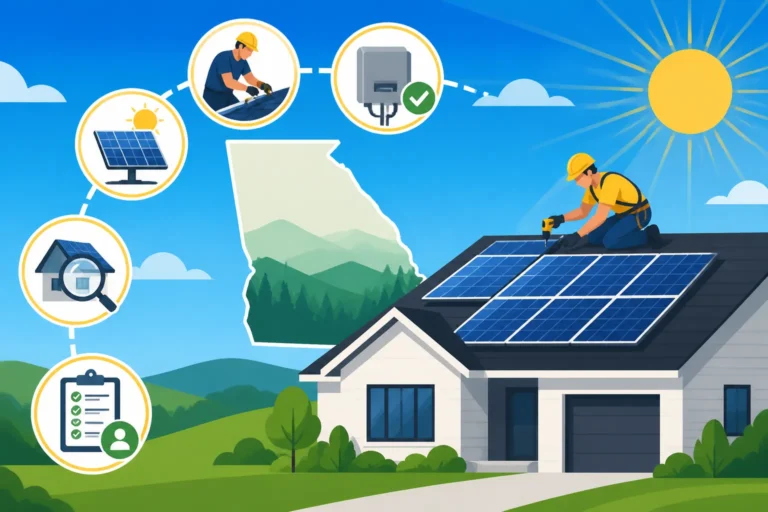
This is arguably the most crucial step. Once you've decided to move forward with a solar installation, your installer will likely arrange for a structural engineer to perform a detailed assessment of your roof. This isn't just a quick glance; the engineer will examine your home's blueprints (if available), inspect the attic framing, evaluate the condition of rafters and trusses, and measure their dimensions and spacing. They'll consider the existing dead load (the weight of the roof structure itself and materials), the live load (potential snow, wind, and seismic forces), and then add the proposed solar system's weight to determine if your roof can handle the combined load according to local building codes. If there are any concerns, the engineer will recommend specific reinforcements, such as adding sister joists or bracing, to bring the roof up to code.
Permitting and Local Building Codes
Every solar installation requires permits, and a big part of that permitting process involves proving structural integrity. Local building departments, whether in sunny Phoenix, Arizona, or snowy Boston, Massachusetts, have specific requirements for roof loading and structural calculations. Your solar installer is responsible for submitting detailed plans, including the structural engineer's report, to the city or county for approval. This ensures that the installation meets all safety standards before construction even begins. This rigorous process is designed to protect homeowners and prevent any unsafe installations. It's why working with an experienced installer who understands these local nuances is so vital. You can explore more about this process in our guide on Solar Permitting & Interconnection PTO Explained.
Reinforcement Options
What happens if the structural engineer finds that your roof isn't quite up to par? Don't panic! This doesn't necessarily mean solar is off the table. Often, minor structural reinforcements can solve the problem. These might include adding additional framing members (like strengthening existing rafters or installing new blocking), reinforcing key load points, or sometimes even repairing small sections of weakened wood. These modifications are usually straightforward and can be incorporated into the overall solar installation project by your chosen contractor. It's a small investment that ensures the safety and longevity of your solar system and your home.
Factors That Influence Your Roof's Ability to Support Solar
Beyond just the raw weight calculations, several other environmental and practical factors come into play when determining if your roof is solar-ready. These elements can significantly influence the stress on your roof over the decades your solar panels will be producing power.
Roof Age and Material
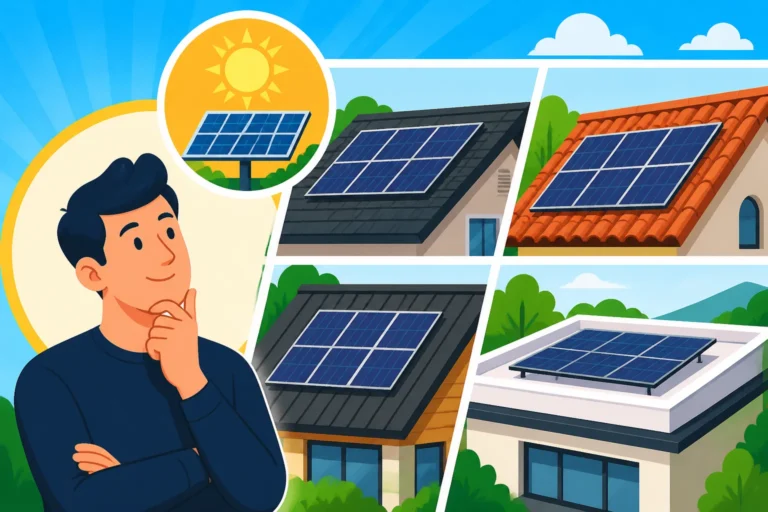
The age of your roof is a big one. An older roof, say one that's already 15-20 years into its lifespan, might be approaching the end of its useful life. Even if it's structurally sound today, replacing it soon after installing solar would mean paying to remove and reinstall your panels – a costly endeavor. Most installers will recommend a new roof if yours has less than 10-15 years of life left. The material matters too:
- Asphalt Shingles: Very common, generally robust, and easy for solar panel attachment.
- Metal Roofs: Excellent for solar due to their durability and long lifespan. Specific clamping systems are used that don't penetrate the metal.
- Tile Roofs: Can be a bit more complex. Tiles are brittle and can break during installation, often requiring a specialized mounting system that lifts the panels above the tiles, or strategic tile removal and replacement.
- Flat Roofs: While not as common for residential, flat roofs require a ballasted system (weights to hold panels down) or a tilted racking system, adding different weight distribution considerations.
You can find more specific details in our article on What Roofs Are Best for Solar Panels?.
Climate and Environmental Loads (Snow, Wind)
It’s not just the weight of the panels; it’s what nature throws at them. In regions with heavy snowfall, like parts of Colorado or New England, your roof has to contend with the weight of snow on top of the solar panels. This can add dozens of pounds per square foot. Similarly, areas prone to high winds, such as coastal regions in Florida or the plains states, demand robust mounting systems that can resist uplift forces. Building codes in these areas will have stricter requirements for structural integrity to prevent panels from becoming projectiles. Your solar installer must design the system to account for these local environmental loads, ensuring it can withstand the worst that nature can deliver over its lifetime.
Local Building Codes and Regulations
As mentioned, building codes are paramount. These aren't just suggestions; they're legal requirements designed for safety. Every city, county, and state has its own set of codes that govern everything from acceptable roof loading capacities to how solar equipment must be grounded and wired. These codes are continually updated, so what was permissible five years ago might have changed. A professional solar company will be intimately familiar with the specific codes in your area. For instance, California has unique seismic requirements, while Florida has strict hurricane resistance codes. Compliance ensures your system is safe, passes inspection, and will be covered by insurance. You can often find localized information, such as California Solar Incentives in 2026, which will also touch on local regulations.
Next Steps: What to Do If Your Roof Needs Work
Discovering your roof needs attention before going solar isn't a dead end. In fact, it can be an opportunity to tackle two home improvement projects at once, often making your home more energy-efficient and valuable in the long run.
Roof Repair vs. Replacement Before Solar
If your structural assessment reveals issues, you'll need to decide between repair and replacement.
- Minor Repairs: If it's just a few weak rafters, some localized rot, or a section needing reinforcement, repairs can be a cost-effective solution. These are typically integrated into the solar installation timeline, performed by either your solar installer's crew (if they have roofing expertise) or a sub-contracted roofer. This keeps your overall project moving forward without significant delays or additional major expenses.
- Full Replacement: If your roof is old, extensively damaged, or nearing the end of its lifespan, a full replacement is usually the smarter choice. While it's a larger upfront cost, it's far more economical to replace the roof before solar panels are installed rather than after. Tearing off a roof with panels on it, replacing the roof, and then reinstalling the panels can add thousands of dollars to the cost of a new roof. Plus, a new roof provides a fresh, sturdy foundation, ensuring your solar panels have a reliable home for their entire 25+ year lifespan. Many homeowners choose to roll the cost of a new roof into their solar financing, making the entire project more manageable.
Exploring Ground-Mount Options
For some homeowners, a roof might just not be suitable for solar, no matter how much reinforcement is considered. Perhaps the roof is too old, too shaded, or simply not strong enough. This is where ground-mount solar systems become an excellent alternative. Instead of being on your roof, the panels are installed on a dedicated rack system in your yard or on your property. This option offers several advantages:
- Optimal Orientation: Ground mounts allow you to perfectly angle and orient your panels for maximum sun exposure, regardless of your roof's direction or pitch.
- Easier Maintenance: Cleaning and maintenance are often simpler with ground-mounted panels since they are easily accessible.
- No Roof Impact: You completely bypass any concerns about roof weight, age, or potential leaks.
- Flexibility: You can usually install more panels with a ground-mount system if you have sufficient space, leading to greater energy production.
Of course, ground mounts require adequate yard space and might have higher installation costs initially due to trenching and additional structural components, but they are a fantastic solution for homes with unsuitable roofs. You can delve deeper into this option in our article comparing Ground-Mount vs Roof-Mount Solar. Many solar providers, including those you might find through Modernize, offer both rooftop and ground-mount solutions, allowing you to choose the best fit for your property and needs.
| Roof Condition Aspect | Optimal for Solar Installation | Potential Issue for Solar Installation | Recommended Action |
|---|---|---|---|
| Age of Roof | 10-20 years or newer (asphalt shingles) | >15 years for asphalt shingles, visible wear | If less than 10 years of life left, consider replacing before solar to avoid costly removal/reinstall later. |
| Structural Integrity | Strong, level, no visible sagging or damage, properly sized framing | Sagging sections, visible water damage/rot, undersized rafters/trusses | Obtain a structural engineer's assessment. Reinforce weak areas or replace compromised sections. |
| Roof Material | Asphalt shingles, metal, composite shingle | Clay/concrete tiles (brittle), slate (fragile, heavy) | Tile roofs may require specialized mounting or careful tile removal/replacement. Flat roofs need specific ballasted or tilted racking systems. |
| Shading | Minimal to no shading from trees or adjacent buildings | Significant shading for large parts of the day | Trim trees or consider ground-mount solar if shading cannot be resolved. Efficiency can drop significantly with shade. |
| Load Capacity | Meets or exceeds local building codes for combined dead and live load | Insufficient load capacity per structural engineering report | Structural reinforcements (e.g., sistering rafters, adding bracing) or consider a ground-mount system. |
| Permitting | Plans approved by local authorities | Permits denied due to structural non-compliance | Work with your installer to address all building code requirements and resubmit plans. A qualified installer will handle this process seamlessly. |
Ultimately, while the concern about your roof's ability to support solar panels is absolutely valid, it's also a highly manageable aspect of the solar installation process. Reputable solar installers have robust procedures in place to assess, and if necessary, mitigate any structural concerns. By understanding the factors involved and working with experienced professionals, you can ensure your home is perfectly prepared to harness the power of the sun for decades to come.
Disclaimer
Please note that this article provides general information and recommendations. The suitability of your roof for solar panels depends on specific factors unique to your home and location. Always consult with qualified and licensed solar installers, structural engineers, and roofing professionals for a comprehensive assessment and personalized advice before making any decisions about solar installation.