How Often Do Solar Panels Need Maintenance?
It’s a common worry among homeowners considering solar: how much extra work will I have to do to keep these panels running smoothly? The truth is, many people overestimate the burden of solar panel maintenance, fearing it’ll be another chore added to an already busy schedule. This guide will thoroughly break down exactly how often your solar panels need maintenance, what kind of care is truly essential, and when it’s time to call in the professionals, helping you understand the real, surprisingly low-effort commitment involved.
Understanding the "Hands-Off" Nature of Modern Solar Panels
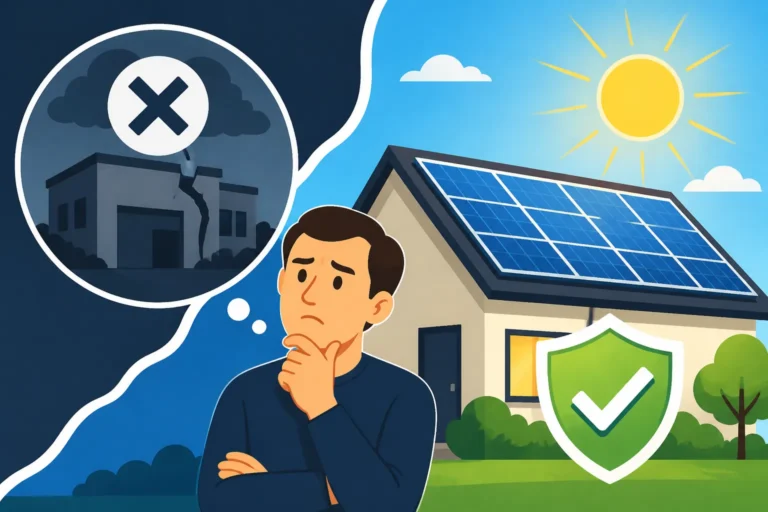
One of the biggest misconceptions about going solar is that it requires constant fussing. You might imagine yourself up on the roof with a hose every weekend, or scheduling expensive repairs every few months. The reality, thankfully, is far less demanding. Modern solar panel systems are designed for durability and self-sufficiency, often running beautifully for years with minimal intervention. This "set it and forget it" aspect is a huge part of their appeal, and it's a testament to how far solar technology has come.
Why Solar Panels Are Generally Low-Maintenance
The inherent design of solar panels contributes significantly to their low maintenance needs. Think about it: they're static objects, with no moving parts to wear out or break down. This is fundamentally different from, say, a car engine or a complex appliance. The main components – the photovoltaic cells, tempered glass, and aluminum frames – are built to withstand harsh weather conditions, from scorching summer sun to heavy winter snow and even hailstorms. Manufacturers understand that these systems will be exposed to the elements 24/7, so they engineer them accordingly.
The materials themselves are robust. The glass surface is non-porous, meaning it doesn't easily absorb dirt or pollutants. This smooth surface, combined with the angle at which panels are typically installed, often allows rain to act as a natural cleaning agent. When it rains, much of the dust, pollen, and light debris simply washes away. This passive cleaning mechanism significantly reduces the need for manual intervention, especially in areas with regular rainfall. For more on keeping your system clean, you might want to read our article on Do Solar Panels Need Cleaning?.
The Minimal Routine Checks You Can Do Yourself
While professional maintenance is rarely a frequent necessity, there are a few simple routine checks you can perform yourself to ensure everything is in order. These aren't strenuous tasks and don't require any special tools or expertise. Think of them more as observational checks to catch potential issues early.
Firstly, a visual inspection from the ground can go a long way. Take a walk around your property periodically, perhaps once a month or after a significant weather event, and look up at your panels. Are there any obvious signs of damage, like cracked glass, loose wiring, or visible debris accumulation? Sometimes, a stray branch or excessive bird droppings can be easily spotted. If you see anything concerning, it’s a good idea to note it.
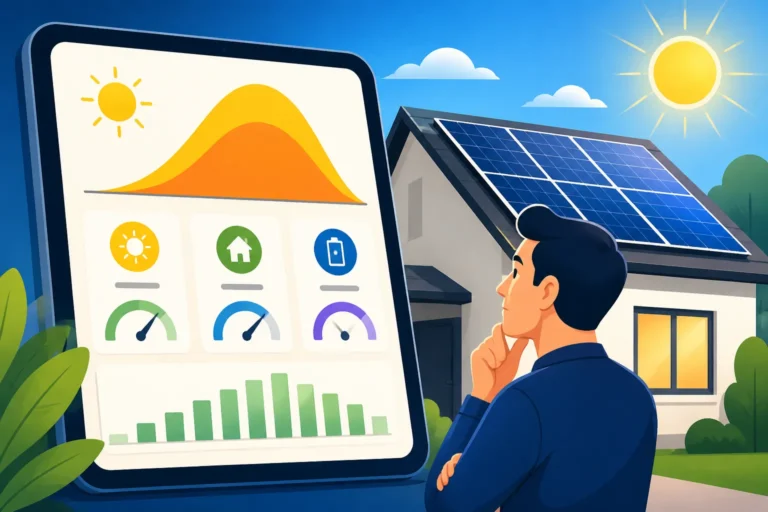
Secondly, keep an eye on your system's performance monitoring. Most modern solar installations come with an app or an online portal that allows you to track your energy production in real-time. This is perhaps the most powerful self-maintenance tool you have. If you notice a sudden, inexplicable drop in energy output that doesn't correspond to cloudy weather or shorter daylight hours, it could be an indicator of an issue. This could range from a malfunctioning inverter to an accumulation of dirt that needs addressing. Many homeowners find this monitoring fascinating, watching their home generate clean energy day by day.
When Professional Maintenance Becomes Necessary
Even with the impressive durability of solar panels, there are times when bringing in a professional is the smart — and often essential — move. These aren't necessarily frequent occurrences, but knowing when to call for help can prevent minor issues from escalating and ensure your system maintains peak performance and longevity.
Identifying Signs Your Solar System Needs a Pro
The key to knowing when to involve a professional often comes down to recognizing specific warning signs. As mentioned, your monitoring app is your best friend here. A consistent, unexplained dip in energy production compared to historical data or expected output for the season is a major red flag. For instance, if your panels were consistently producing 25 kWh per day in July last year, and this July, with similar weather, they're only hitting 18 kWh, that warrants a closer look.
Beyond the numbers, physical signs can also point to a problem. If you notice any visible damage to the panels themselves, such as shattered glass, bent frames, or loose mounting hardware, it's definitely time to call in an expert. These aren't DIY fixes. Critters like birds, squirrels, or even raccoons can sometimes chew through wiring or nest under panels, causing damage. Keep an eye out for signs of animal activity. Additionally, if you see any flickering lights in your home that weren't there before, or hear unusual buzzing sounds coming from your inverter (which is typically located near your electrical panel or outside), it's best to have a qualified technician assess the situation immediately.
Common Issues Professionals Address
When you do call in a professional, they're equipped to handle a range of issues that go beyond what a homeowner can safely or effectively tackle. One of the most common reasons for professional intervention is a problem with the inverter. Whether you have a string inverter, microinverters, or power optimizers, these are complex electronic components that convert the DC electricity from your panels into usable AC electricity for your home. Issues like component failure, wiring problems, or even software glitches can impact performance. Experts can diagnose and replace or repair these critical parts. For a deeper dive into inverter types, check out Solar Inverters: String vs Microinverter vs Optimizer.
Another area where professionals shine is with electrical connections. Over time, due to weather exposure or minor shifting, connections can loosen or corrode, leading to reduced efficiency or even safety hazards. Technicians have the specialized tools and training to safely inspect, tighten, and repair these connections. They also look out for hot spots on panels using thermal imaging, which can indicate failing cells or diodes that are not visible to the naked eye. In some cases, localized damage to individual panels might necessitate replacement, a task that definitely requires professional expertise for safety and proper integration.
The Role of Professional Inspections and Cleaning
While the low-maintenance nature of solar means you won't need annual professional check-ups like you do for your HVAC system, many homeowners opt for a professional inspection every few years – perhaps every 3-5 years. These inspections are comprehensive, going beyond what you can see from the ground. Technicians will get up on the roof (safely!) to examine each panel, the mounting system, wiring, and the inverter. They'll check for signs of degradation, micro-cracks, or issues with the racking that secures the panels to your roof. They might also use specialized equipment to test individual panel performance, ensuring everything is operating within optimal parameters.
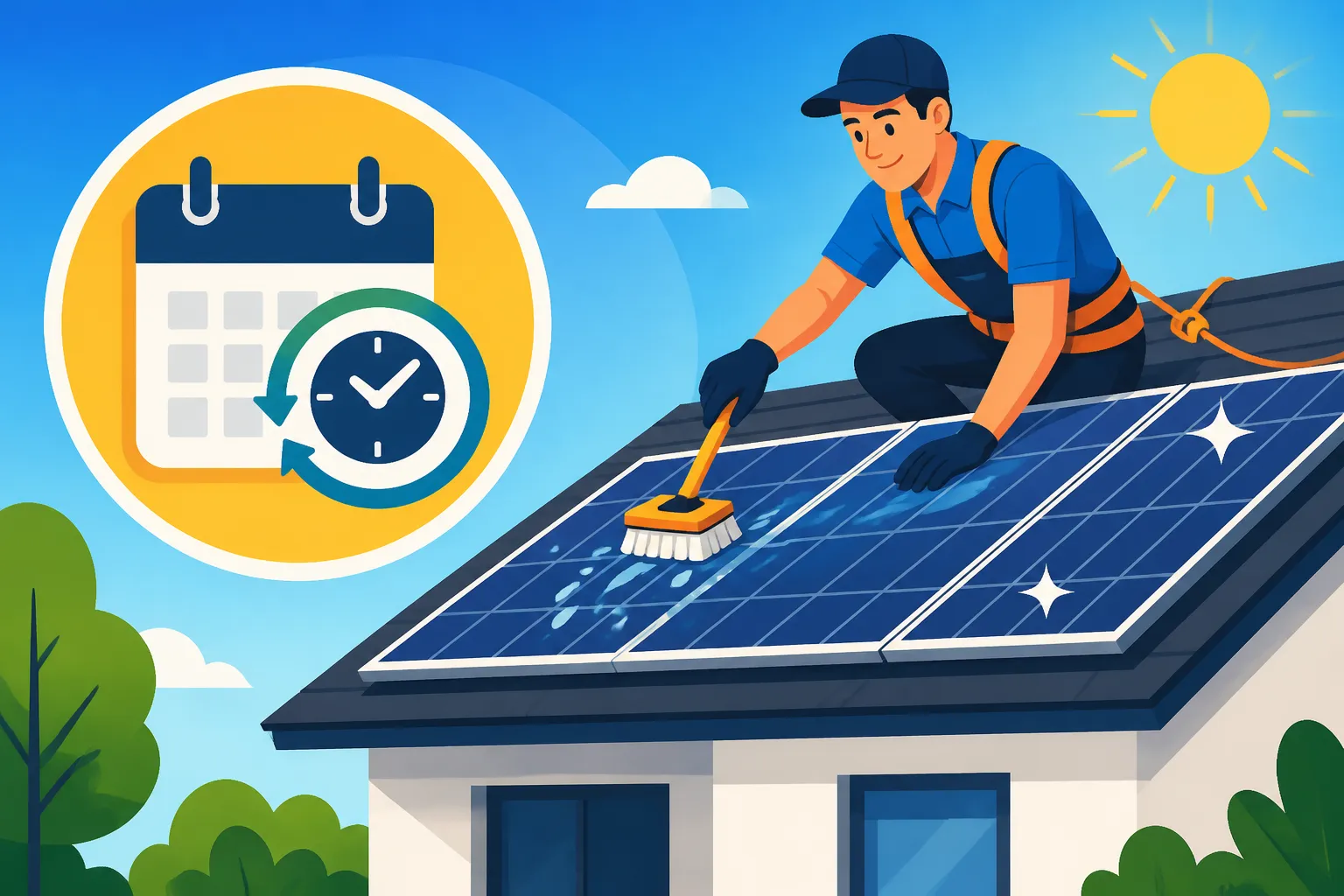
When it comes to cleaning, professional services are usually only required if there's a significant buildup of grime that natural rain hasn't managed to clear. This could be due to heavy pollution, sap from nearby trees, or persistent bird droppings. While you can clean panels yourself with a soft brush and distilled water on a cool day, many people prefer to leave it to the pros, especially for multi-story homes or steeply pitched roofs, where safety is a major concern. Professional cleaners use specialized, non-abrasive tools and often purified water to ensure no streaks or mineral deposits are left behind that could impede sunlight. For advice on choosing a reliable installer who also offers maintenance, you might find our guide on How to Choose a Solar Installer helpful.
Factors That Influence Your Maintenance Needs
It's not a one-size-fits-all situation when it comes to solar panel maintenance. Several factors can influence how frequently you might need to perform checks or call in a professional. Understanding these variables will help you tailor a realistic maintenance plan for your specific situation.
Environmental Conditions and Their Impact
Where you live plays a significant role in how much attention your solar panels might need. Take, for instance, dusty environments. If your home is located near an unpaved road, an agricultural area, or a construction site, you're likely to experience more dust accumulation on your panels. This fine layer of dust, if not washed away by rain, can reduce sunlight absorption and, consequently, your energy production. In such cases, more frequent visual checks and perhaps a light rinse might be beneficial.
Similarly, consider areas prone to heavy pollen during certain seasons, like the spring. Pollen can form a sticky film that regular rain struggles to remove entirely. Homes in coastal regions might also experience salt spray buildup, which can leave a haze on panels. Conversely, if you live in a rainy climate with minimal airborne particulates, your panels might rarely need more than what nature provides. Nearby trees can also be a factor, not just for shading but also for dropping leaves, sap, or attracting birds whose droppings can accumulate. Understanding your local climate and immediate surroundings helps set realistic expectations for your Solar Panel Maintenance & Cleaning schedule.
System Type and Equipment Quality
The type and quality of your solar system components can also influence long-term maintenance needs. Reputable brands that use high-quality materials and offer robust warranties often require less hands-on care over their lifespan. Think about panels with advanced anti-reflective coatings that naturally shed dirt better, or inverters known for their reliability. When you invest in a system from a trusted manufacturer like Qcells, Maxeon, or REC, you're buying into a track record of durability and performance.
The inverter type is also worth considering. Systems with microinverters, like those from Enphase, mean that each panel has its own inverter. If one microinverter fails, only that single panel's production is affected, making troubleshooting more precise. With a single string inverter, a failure can bring down the entire system's production. While microinverters might have a higher upfront cost, their distributed nature can sometimes simplify diagnosis if an issue arises. Generally, quality equipment simply lasts longer and performs better with less intervention, leading to fewer unexpected maintenance calls. The average lifespan of solar panels, often 25-30 years, is a testament to this inherent quality, as detailed in How Long Do Solar Panels Last?.
Warranty Considerations and Service Agreements
Your solar panel warranties are your shield against unexpected maintenance costs. Most solar panels come with two types of warranties: a product warranty (covering defects in materials and workmanship, usually 10-25 years) and a performance warranty (guaranteeing a certain level of power output over time, typically 25-30 years). Your inverter will also have its own warranty, often 10-25 years depending on the brand and type. Understanding these is crucial. Our guide on Solar Panel Warranties Explained offers a comprehensive look.
When an issue arises, knowing your warranty terms means you’re clear on what costs the manufacturer or installer will cover. Many installers also offer service agreements or extended maintenance plans. These can be particularly appealing if you live in an area with high debris or are simply looking for maximum peace of mind. Such agreements might include annual check-ups, regular cleanings, and priority service calls. While an added expense, for some homeowners, the convenience and assurance of having a professional regularly tend to their system outweigh the cost. When looking for quotes, feel free to leverage platforms like Modernize to connect with reputable installers who can discuss these service options.
Creating a Realistic Solar Maintenance Schedule
Given that solar panels are largely hands-off, the idea of a "schedule" might seem daunting, but it's really about being smart and proactive without overdoing it. A well-thought-out approach balances minimal effort with maximum system performance, saving you stress and potential costs down the line.
A Simple DIY Checklist for Homeowners
For the average homeowner, a simple, non-intrusive DIY maintenance checklist is all you really need. Here’s a pragmatic approach:
- Monthly Visual Check (from the ground): Take a few minutes to look at your panels from different angles. Are there any obvious accumulations of leaves, dirt, or bird droppings? Do you see any visible damage like cracks or loose wiring? This quick glance can catch a potential problem before it becomes serious.
- Monthly Performance Monitoring Review: Log into your solar monitoring app or portal. Glance at your daily or weekly production trends. Is everything consistent with previous periods, accounting for weather and seasonal changes? A sudden drop without clear explanation warrants a closer look. If you just had your solar system installed, it's worth understanding What Happens After Solar Is Installed? to familiarize yourself with monitoring.
- Seasonal Rinse (if needed): If you notice a significant buildup of dust, pollen, or other grime that hasn't washed away after a rainstorm, a simple rinse with a garden hose (on a gentle setting) can do wonders. Do this on a cool day, preferably in the early morning or late evening, to avoid thermal shock to the panels. Never use abrasive cleaners or high-pressure washers, as these can damage the panel surface or seals.
- After Major Weather Events: Following heavy storms, high winds, or significant snowfall, it’s a good idea to perform an extra visual check for any dislodged panels, wiring issues, or debris.
This minimal engagement keeps you informed without adding a burden to your lifestyle.
When to Budget for Professional Service
While DIY checks cover most bases, budgeting for professional service is a different matter. It's not about frequent, scheduled appointments, but rather having a plan for those less common, more critical needs.
Typically, most solar systems don't require professional cleaning unless a specific, heavy accumulation of dirt or grime is consistently impacting production and isn't removed by rain or a simple hose rinse. This might happen every few years, or perhaps not at all, depending on your environment. If you do opt for professional cleaning, you're generally looking at costs ranging from $150 to $350 for an average residential system, varying by location and system size.
For comprehensive inspections, many experts suggest a professional check-up every 3 to 5 years. This allows technicians to thoroughly evaluate all components, verify electrical connections, inspect for subtle degradation, and ensure everything is functioning optimally. The cost for a professional inspection can range from $200 to $500, but this can often be bundled with a cleaning service for a slightly reduced rate. These inspections are proactive and help confirm the long-term health of your system, ensuring you continue to get maximum value from your investment. When looking for service, always ensure you contact a reputable solar professional or your original installer. Many use services like Modernize to find qualified local providers for such specialized tasks.
Here's a quick overview of typical maintenance frequencies:
| Maintenance Task | Recommended Frequency | Who Performs It? | Notes |
|---|---|---|---|
| Visual Inspection (ground) | Monthly / After major weather | Homeowner | Look for debris, damage, or obvious issues. |
| Performance Monitoring | Weekly / Monthly | Homeowner | Check app/portal for consistent production. |
| Light Rinse (with hose) | As needed (if noticeable dirt/pollen) | Homeowner | Use gentle pressure, cool water, on a cool day. Avoid harsh chemicals. |
| Professional Cleaning | As needed (heavy grime, persistent drop) | Professional cleaner/installer | For stubborn dirt not removed by rain, or for safety on high roofs. |
| Comprehensive Inspection | Every 3-5 years (proactive) | Certified Solar Technician | Checks wiring, mounting, inverter, panel degradation, and system optimization. |
| Component Repair/Replacement | As needed (faulty parts, wiring issues) | Certified Solar Technician | Covered by warranty in many cases. Triggered by performance drops or physical damage. |
Ultimately, going solar is an investment in long-term savings and energy independence. By understanding these realistic maintenance expectations, you can enjoy the benefits of your system with confidence, knowing you’re doing just enough to keep it running efficiently for decades to come.
Disclaimer
Please note that this content is intended for informational purposes only and does not constitute professional advice. Always consult with certified solar professionals and review your specific product warranties and local regulations for the most accurate and up-to-date guidance regarding your solar panel system maintenance.