What Happens if My Solar Company Goes Out of Business?
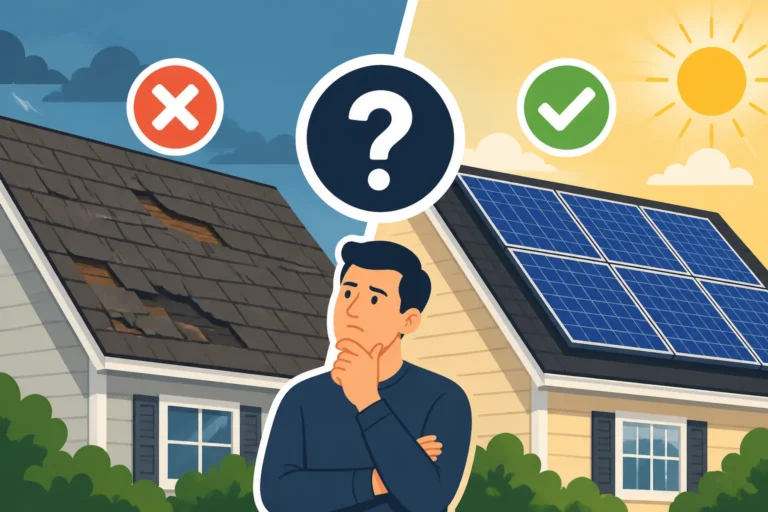
It's a scary thought, isn't it? You’ve invested in a fantastic home solar system, enjoying the energy independence and lower utility bills, when suddenly you hear that your solar installer has gone out of business. This isn't just an abstract fear; it's a real and growing concern for many homeowners. When the company that put those beautiful panels on your roof vanishes, it can leave you feeling stranded, wondering who will service your system, honor your warranties, or even finish an ongoing installation. This guide is here to walk you through exactly what happens if your solar company folds and, more importantly, what concrete steps you can take to protect your investment.
Understanding Why Solar Companies Fail
Just like any other business, solar companies can face a variety of challenges that lead to their closure. It's not always a reflection of the solar industry as a whole, but rather specific vulnerabilities within individual companies or shifts in the market. Understanding these can help you spot potential issues, though it’s often impossible to predict.
Common Reasons for Business Closure
One of the most frequent reasons solar installers go out of business is market saturation combined with overly aggressive competition. The solar industry has seen incredible growth, attracting many new players. While this is great for consumers in terms of choice, it can also lead to price wars and unsustainable business models. A company might offer prices that are simply too low to cover their operational costs, labor, and overhead, eventually leading to their downfall. They might be trying to gain market share quickly, but without a solid financial foundation, this strategy can backfire dramatically.
Another significant factor can be poor business practices or mismanagement. This could involve anything from insufficient cash flow management to taking on too many projects without the necessary resources, or even widespread quality control issues that lead to expensive callbacks and repairs. Sometimes, a company expands too rapidly, stretching its resources thin and failing to maintain the quality of service that initially drew customers in. Economic downturns or sudden shifts in government incentives, like changes to federal solar incentives that still exist in 2026 or state-level programs, can also hit smaller, less resilient companies hard, making it difficult for them to stay afloat.
Signs to Watch For Before They Go Under
While you can't always predict the future, there are often subtle cues that a solar company might be in trouble. Keeping an eye out for these signs can give you a head start if you suspect something is amiss, potentially allowing you to take proactive measures. For instance, have you noticed a sudden deterioration in customer service? Perhaps calls go unanswered, or appointments are repeatedly rescheduled without clear explanations. This often points to staffing issues or a breakdown in internal operations, both of which are red flags.
Another indicator can be a surge in negative reviews online, particularly those citing unaddressed issues, delayed installations, or poor communication. While every company gets a bad review now and then, a consistent pattern of similar complaints across multiple platforms, especially about projects that are dragging on for months beyond the promised timeline, should raise an eyebrow. High employee turnover, particularly among sales staff or project managers, can also signal deeper problems within the company's financial health or management structure. If your assigned contact keeps changing, or you hear rumors of staff layoffs, it might be time to start documenting everything and preparing for potential issues. You might even use a service like Modernize to cross-reference their reputation or find alternative installers if you're in the early stages of planning.
Immediate Steps When Your Solar Company Folds
Discovering your solar installer has ceased operations can feel like a punch to the gut. The immediate panic is understandable, but it's crucial to act systematically. Your first priority should be gathering all essential documents and understanding the different layers of protection you might still have.
Securing Your System Documentation
The absolute first thing you need to do is gather every piece of paper and digital file related to your solar system. Think of these documents as your system's lifeblood, providing proof of purchase, installation details, and vital warranty information. This includes your original contract with the solar company, which should outline the scope of work, payment terms, and any specific guarantees they offered. You'll also need copies of your system design and specifications, including the make and model of your solar panels, inverters, and any batteries. Knowing your inverter type, whether it’s a string inverter, microinverter, or power optimizer, is particularly important for troubleshooting.
Furthermore, ensure you have all warranty certificates. Solar panel warranties explained, along with inverter warranties and any specific workmanship guarantees, are critical. While your installer's workmanship warranty might be void if they're gone, the product warranties from the actual manufacturers of the panels and inverters are often still valid. Finally, collect all permitting documents and your "Permission to Operate (PTO)" from your utility company. These prove your system was installed legally and is properly interconnected to the grid, which is vital if you ever need to sell your home or deal with utility issues. Without these documents, proving ownership or seeking manufacturer support becomes significantly harder, creating unnecessary roadblocks down the line.
Contacting Manufacturers for Warranty Claims
This is where having those product warranty documents truly pays off. One of the biggest misconceptions when a solar installer goes out of business is that all warranties are automatically void. Fortunately, that’s rarely the case for the actual equipment. The solar panels themselves, manufactured by companies like Qcells, REC, Jinko, or Maxeon, come with their own product and performance warranties, often lasting 25 years or more. Similarly, your inverter, whether it's an Enphase microinverter, a SolarEdge power optimizer and string inverter system, or a traditional string inverter from SMA, will have its own warranty directly from the manufacturer, typically ranging from 10 to 25 years.
Your responsibility now is to contact these specific manufacturers directly. They have dedicated customer service departments and warranty claim processes designed to handle situations where the installer is no longer available. You'll need your system documentation, including serial numbers for panels and inverters, and proof of installation date. They will guide you through filing a claim for any defective equipment. While they won't cover installation labor (that was the installer's workmanship warranty), they will typically replace faulty components, sending them to your location. You'll then need to find a new, reputable local solar company to perform the replacement installation, a service you would likely pay for out-of-pocket unless you had a very rare third-party insured workmanship warranty.
Checking for Existing Workmanship Warranties
The trickiest part when an installer disappears is the workmanship warranty. This warranty covers the labor and quality of the installation itself – things like proper wiring, roof penetrations, and system mounting. Most installer workmanship warranties range from 5 to 25 years, but they are typically tied directly to the company that performed the installation. If that company no longer exists, their direct workmanship warranty usually goes with them.
However, there's a small chance you might be covered by a third-party warranty or an installer that offered an insured workmanship warranty. Some larger, more forward-thinking installers might purchase insurance policies that protect homeowners even if the installer goes out of business. This is not standard practice, so you’ll need to meticulously review your original contract for any mention of such an arrangement. If you find one, immediately contact the insurance provider or third-party guarantor. Even if you don't have this, don't despair. Many general contractors or roofers are qualified to inspect and repair solar installations. You’ll just need to secure bids for these services from other companies.
Finding a New Service Provider
When your original solar company is no longer around, the immediate question becomes: who can I call if something goes wrong? This is where finding a new, trustworthy service provider becomes absolutely essential to keep your system running smoothly and efficiently.
Vetting New Solar Companies for Support
Finding a new solar partner requires careful due diligence, perhaps even more so than when you first went solar. You're not just looking for someone to install new panels; you need a company that can diagnose, repair, and maintain an existing system they didn't put in. Start by seeking out companies with a strong local presence and excellent customer reviews that specifically mention their service and repair capabilities. Look for installers who have been in business for a significant amount of time, as longevity often indicates stability and reliability. A good starting point is a platform like Modernize, which can connect you with pre-vetted local solar installers who are equipped to handle existing systems and support issues.
When interviewing potential new service providers, ask specific questions: Do they service systems installed by other companies? What are their rates for diagnostics and repairs? Do they have experience with your specific brand of panels and inverters? How do they handle warranty claims with manufacturers on your behalf? Make sure they are properly licensed and insured in your state (e.g., California, Texas, Florida), and ask for references from customers for whom they’ve provided similar service. Remember that getting multiple solar quotes is always a good practice, even for service work, to ensure you're getting a fair price and a comprehensive understanding of what they offer. A reputable company will be transparent about their processes and pricing, helping alleviate some of the stress caused by your original installer's departure.
Understanding Costs for Out-of-Warranty Repairs
Without your original installer's workmanship warranty, you'll likely be responsible for the labor costs associated with any repairs or maintenance. This can include anything from a simple service call to diagnose an issue to more complex tasks like replacing an inverter or re-securing loose panels. The cost for these services can vary widely depending on the complexity of the job, the parts needed, and the labor rates in your area. For example, a basic diagnostic visit might cost a few hundred dollars, while an inverter replacement could run into the thousands, especially if it's a specialty inverter that requires specific expertise.
It's absolutely crucial to get detailed, written estimates from any potential service provider before authorizing work. These estimates should clearly itemize parts, labor, and any other associated fees. Don't be afraid to ask for explanations of charges or to understand why certain repairs are necessary. While it's an added expense you might not have anticipated, viewing these costs as an investment in the continued performance and longevity of your system can help. Regular solar panel maintenance and cleaning can also help prevent larger, more costly issues down the road, and a new service provider can set up a maintenance schedule with you.
Legal and Financial Considerations
The fallout from a solar company going out of business isn't always just about physical repairs. There are often financial and legal threads that need to be unraveled, particularly concerning how you paid for your system.
Dealing with Solar Loans and Leases
Perhaps the most pressing financial concern for many homeowners is what happens to their solar loan or lease. The good news is that these financial agreements are almost always separate from the solar installer. If you financed your system with a solar loan, you have a contract directly with a third-party lender, such as Mosaic, Sunlight Financial, or a local credit union. Your obligation to repay this loan continues regardless of your installer's status. The loan terms remain the same, and missing payments can negatively impact your credit score, just like any other loan. If you have questions about your loan, contact your lender directly. They are primarily concerned with getting their payments and generally aren't involved in the installation or maintenance of the system itself.
For those with a solar lease or a Power Purchase Agreement (PPA), the situation is slightly different but usually well-defined. In these arrangements, you don't own the system; the leasing company or PPA provider does. They are responsible for the system's performance, maintenance, and typically hold all warranties. If the original installer was just a subcontractor for the leasing company, another one will be appointed to service your system. You'll need to contact your leasing or PPA provider immediately to understand their plan for continued service. Review your lease vs PPA vs buy contract carefully; it should outline their responsibilities and what happens if their chosen service provider (your original installer) defaults.
Exploring Consumer Protection and Legal Avenues
While it might feel overwhelming, you do have avenues for recourse, especially if you had an incomplete installation or significant, unaddressed issues before your solar company went bust. Your first step should be to contact your state's Consumer Protection Agency or Attorney General's office. They often have resources and processes in place to assist consumers affected by defunct businesses and can offer guidance on your rights. Additionally, depending on the severity of the issue, you might consider reaching out to your local building department or state contractors board. If your installer was licensed, these boards might have bonds or recovery funds that consumers can tap into when a licensed contractor defaults on their obligations.
In cases where you have suffered significant financial losses, such as needing to pay for substantial repairs that were under a valid workmanship warranty or dealing with an unfinished system, consulting with an attorney specializing in consumer law or construction disputes might be a necessary step. They can help you understand whether you have a case for small claims court or if a larger legal action is feasible. While pursuing legal action can be time-consuming and expensive, it's an option, especially if multiple homeowners were impacted by the same company's failure. Thoroughly documenting everything, from communications to expenses, will be vital for any legal pursuit.
Comparing Warranty and Service Responsibilities
To help clarify who is responsible for what, here's a quick breakdown of common solar system components and whose warranty or service obligation typically applies when an installer goes out of business.
| Component / Service Type | Who Typically Warrants/Covers | What Happens if Installer Folds |
|---|---|---|
| Solar Panels | Manufacturer (e.g., Qcells, REC, Jinko) | Manufacturer's product & performance warranty usually remains valid. Contact them directly. |
| Inverters | Manufacturer (e.g., Enphase, SolarEdge, SMA) | Manufacturer's warranty typically remains valid. Contact them directly. |
| Solar Batteries | Manufacturer (e.g., Tesla Powerwall, Enphase IQ Battery, FranklinWH) | Manufacturer's warranty typically remains valid. Contact them directly. |
| Workmanship (Labor) | Original Installer | Generally void. Unless an insured third-party warranty was purchased, you'll need to hire a new company for labor. |
| System Monitoring | Installer (often via manufacturer's platform) | May continue if tied to manufacturer's platform. New service provider can help set up/manage. |
| Repairs/Maintenance | Original Installer | You'll need to find and pay a new, reputable solar service provider. |
| Solar Loan Repayment | Third-party Lender | Your loan agreement is with the lender, not the installer. Payments continue as scheduled. |
| Solar Lease/PPA | Leasing/PPA Provider | The provider owns the system and is responsible for its maintenance. They will typically assign a new service company. |
This table illustrates the critical difference between product warranties, which are generally safe, and workmanship warranties, which are often the most impacted by an installer's closure. Understanding these distinctions is key to navigating the situation effectively.
Final Thoughts and Moving Forward
It's a tough situation when your solar installer disappears, leaving you with questions and potential service gaps. But it's important to remember that your investment in solar energy is still a valuable one. The panels are on your roof, generating clean electricity. The key is to be proactive, organized, and persistent in seeking out new support.
The landscape of solar incentives, technologies, and financing options is always evolving. For instance, knowing about options like the federal solar incentives that still exist in 2026 or understanding the nuances of net metering explained: how it works by state can still greatly benefit you. By carefully gathering your documents, reaching out to manufacturers, and thoroughly vetting new local solar companies – perhaps even using a service like Modernize to simplify your search for reputable providers – you can ensure your system continues to deliver savings and peace of mind for years to come. Don't let one company's misfortune deter you from the long-term benefits of home solar.
Disclaimer
This article is intended for informational purposes only and does not constitute financial, legal, or professional advice. While we strive to provide accurate and up-to-date information, individual situations may vary. It is always recommended to consult with qualified professionals for advice tailored to your specific circumstances.