Should I Install Solar Myself or Hire a Pro?
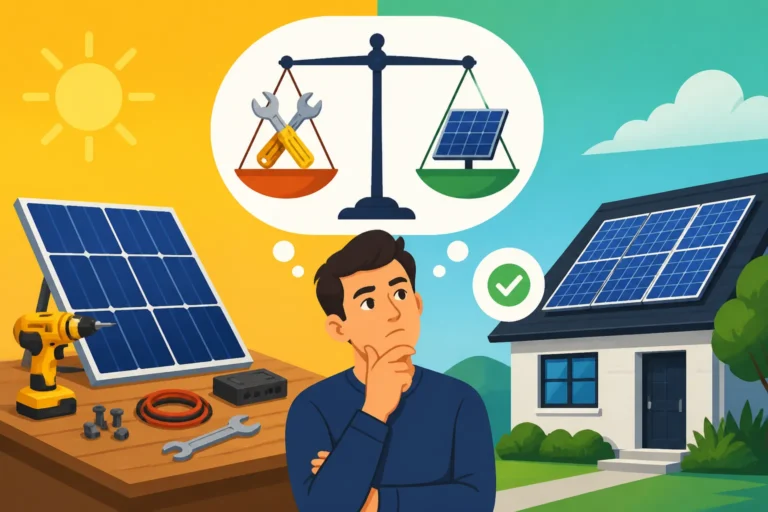
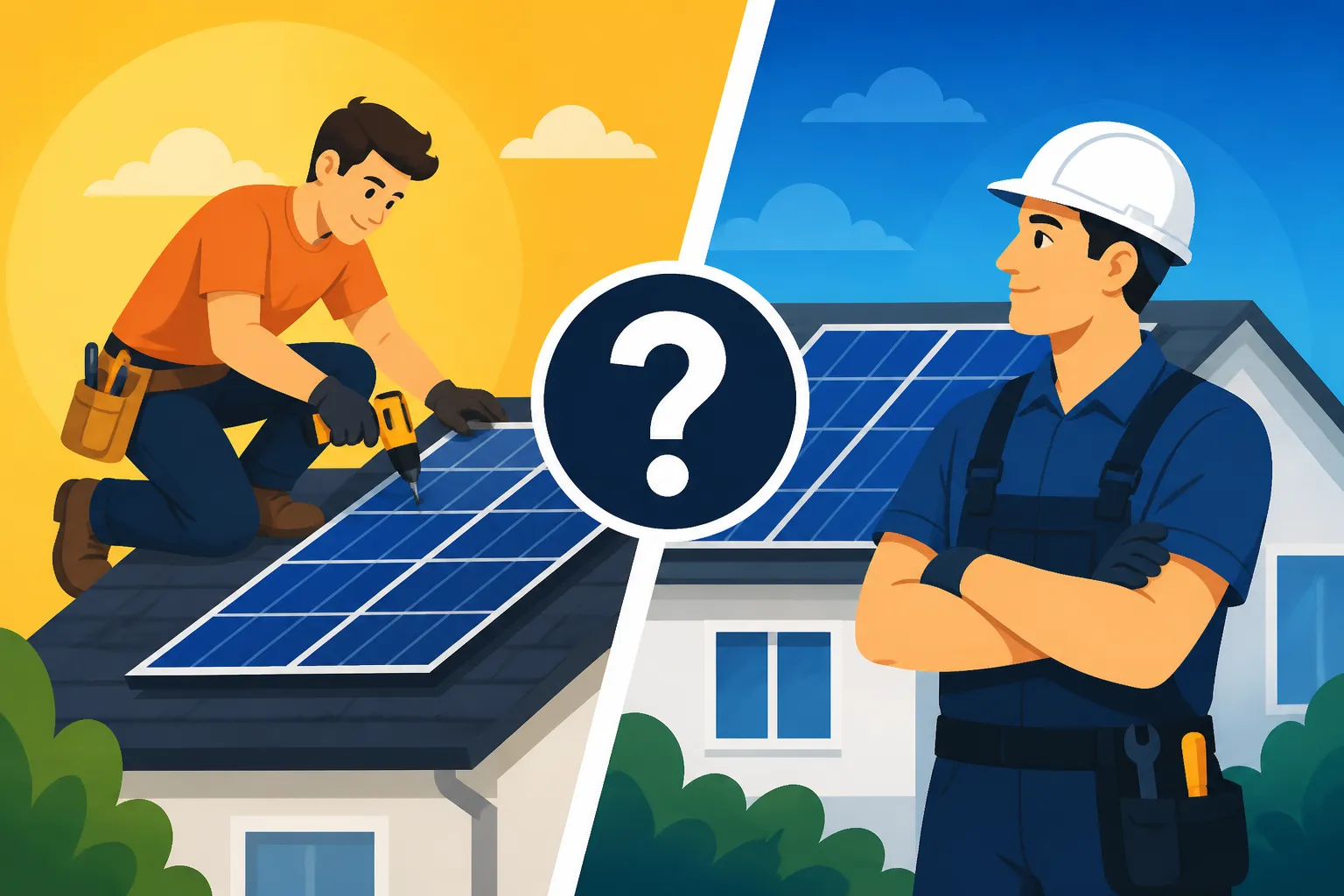
Deciding whether to take on a solar installation project yourself or hand it over to the pros is a big quandary for many homeowners. On one hand, the idea of saving money and the satisfaction of a DIY accomplishment is incredibly appealing. On the other, solar is a complex system that touches on electrical, structural, and regulatory components, making many wonder if they’re truly equipped for the task. This guide will walk you through the realistic ins and outs of both options, helping you weigh the time, skills, costs, and potential headaches involved so you can make an informed decision for your home.
The Allure and Reality of DIY Solar Installation
The thought of installing your own solar panels can be incredibly exciting. visions of significant savings, complete control over the project, and the pride of generating your own clean energy might dance in your head. And for some niche applications, it can absolutely be a viable path. However, the reality of a full home solar installation is often far more complex and demanding than many first imagine, stretching beyond just assembling parts.
What Goes Into a DIY Solar Project?
When you consider a do-it-yourself residential solar installation, you're not just thinking about mounting a few panels on your roof. You're essentially becoming the project manager, engineer, electrician, roofer, and permitting specialist all rolled into one. This isn't a weekend warrior project like painting a fence; it's a significant construction and electrical undertaking that requires a deep understanding of multiple disciplines.
First, you'll need to meticulously plan your system. This involves calculating your home's energy needs to determine How Many Solar Panels Do I Need for My Home?, assessing your roof's structural integrity, pitch, and shading, and designing an efficient layout. Then comes sourcing all the components: the solar panels themselves (which brand, wattage, efficiency?), the racking system to secure them to your roof, the inverters (string, micro-inverters, or optimizers?), and all the necessary electrical wiring, conduits, circuit breakers, and disconnect switches. You'll also need specialized tools, some of which are expensive and might only be used once, like torque wrenches for racking, conduit benders, and proper electrical testing equipment. Every connection, every wire, and every bolt has to be up to code and perfectly executed for safety and efficiency, and that requires a level of detail and knowledge that most homeowners simply don't possess.
The Hidden Challenges and Risks of Going It Alone
While the upfront cost savings of DIY solar can seem attractive, there's a host of hidden challenges and significant risks that homeowners often overlook. These aren't just minor inconveniences; they can lead to costly mistakes, dangerous situations, and even voided warranties.
One of the biggest hurdles is safety. Working on a roof, especially with heavy, bulky panels, poses a significant fall risk. Then there's the high-voltage DC electricity generated by the panels and the AC electricity of your home's grid. Mishandling electrical components can lead to electrocution, fire, or severe damage to your home's electrical system. Beyond personal safety, there's the structural integrity of your roof. Proper racking installation is crucial to ensure panels can withstand high winds, snow loads, and seismic activity without damaging your roof or flying off. A botched installation could lead to leaks, structural damage, or even a complete system failure.
Another massive headache for DIYers is permitting and interconnection. Every city and county has its own specific building codes, electrical codes, and zoning regulations that solar installations must adhere to. Obtaining permits can be a Byzantine process involving detailed system designs, engineering stamps, and multiple inspections. After installation, you need to get "Permission to Operate" (PTO) from your utility company to connect your system to the grid and take advantage of programs like Net Metering Explained: How It Works by State. This often requires specific documentation, inspections, and adherence to utility-specific standards. If you don't navigate this correctly, your system might not even be allowed to operate, rendering all your hard work useless.
Finally, consider warranties and insurance. Most solar panel and inverter manufacturers offer impressive warranties, but these typically cover product defects. They often explicitly state that damage due to improper installation is not covered. If you make a mistake, you're on the hook for repairs or replacements. Furthermore, your homeowner's insurance might not cover damages resulting from a self-installed, unpermitted, or improperly installed solar system. This could leave you vulnerable to massive financial losses if something goes wrong.
When DIY Might Actually Make Sense
Despite the extensive challenges, there are rare scenarios where a DIY solar project could be a realistic undertaking. These usually involve homeowners with a very specific set of skills, an extremely limited scope of work, or a comfort level with substantial risk.
For instance, if you're looking to power a small, off-grid structure like a shed, a detached garage, or a remote cabin that isn't connected to the main utility grid, the permitting and interconnection complexities are significantly reduced. In these cases, you might only be dealing with low-voltage DC systems, which are less dangerous than grid-tied AC systems. The scale is smaller, the components are fewer, and the potential impact of an error is less catastrophic for your primary residence.
Another niche where DIY might work is for homeowners who are themselves licensed electricians, structural engineers, or experienced general contractors with a deep understanding of solar technology. These individuals already possess many of the required skills and knowledge to navigate the technical and regulatory aspects of the project. However, even for professionals in related fields, the specific nuances of solar design and installation codes can still present a steep learning curve. For the vast majority of homeowners, especially those looking to power their main residence and connect to the utility grid, the complexities strongly favor professional installation. You can learn more about this by reading about DIY Solar Panels: Is It Worth It?.
The Benefits and Considerations of Hiring a Professional Solar Installer
For most homeowners, bringing in a professional solar installer isn't just a convenience; it's a strategic decision that often leads to a more efficient, safer, and ultimately more cost-effective solar system in the long run. The value they bring extends far beyond simply mounting panels on your roof.
Expertise and Experience: Beyond Just Bolting Panels
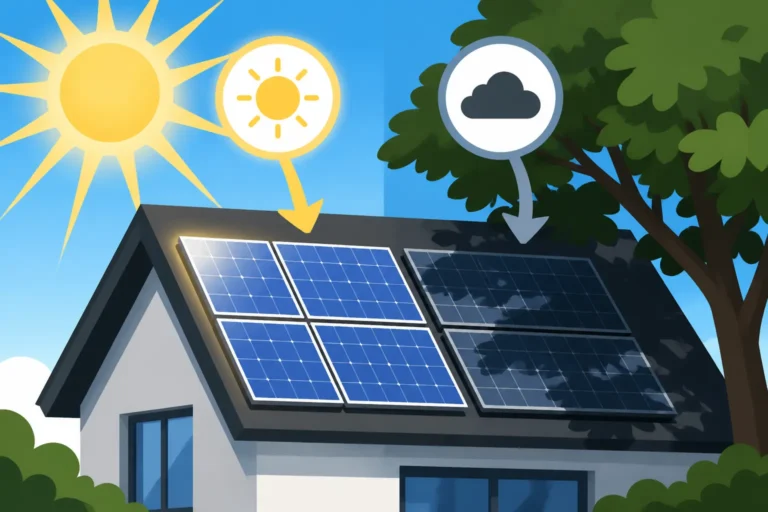
Professional solar installers offer a depth of knowledge and practical experience that is incredibly difficult for an individual homeowner to replicate. They live and breathe solar, from the latest panel technologies like TOPCon and HJT to the intricacies of different inverter types (micro-inverters vs. string inverters). Their expertise begins with a thorough site assessment, understanding how factors like roof orientation, pitch, and shading will impact your system's performance. They'll know if your roof needs repairs or replacement before installation – a critical question addressed in discussions like Do I Need a New Roof Before Solar?.
Beyond the physical installation, they are skilled in system design and engineering. A well-designed system maximizes energy production, ensures optimal sizing for your home's unique consumption patterns, and integrates seamlessly with your existing electrical infrastructure. They use sophisticated software to model sun paths and shading, ensuring every panel is placed for maximum efficiency. Furthermore, professional installers are up-to-date on all local building codes and electrical standards, ensuring your system is compliant and safe. This level of comprehensive planning and execution prevents costly errors and ensures your solar investment performs as expected for decades.
Navigating Permitting, Interconnection, and Incentives
One of the biggest stressors for DIYers is the bureaucratic labyrinth of permits, utility interconnection agreements, and incentive applications. This is where professional installers truly shine, often saving homeowners countless hours of frustration and potential missed opportunities.
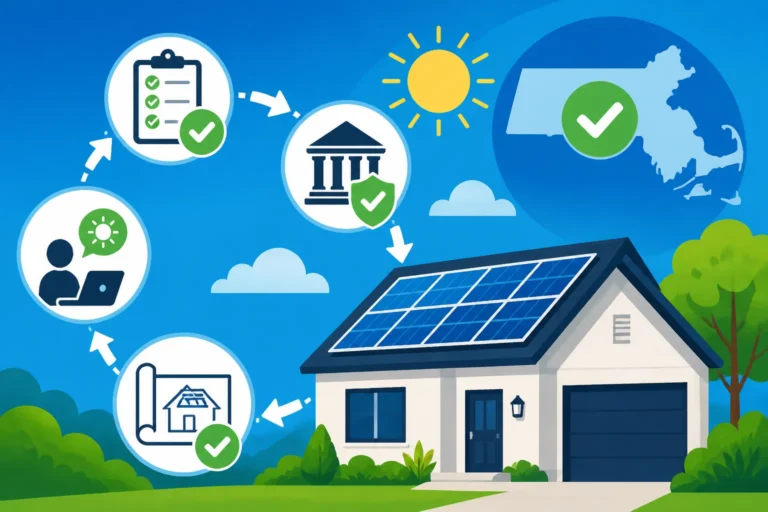
A reputable solar company handles the entire permitting process, from drafting detailed blueprints and submitting applications to coordinating inspections with local building departments. They understand the specific requirements for Solar Permitting & Interconnection (PTO) Explained in your area, whether you're in a city with strict historical preservation guidelines or a rural county with different rules. More importantly, they manage the interconnection process with your local utility provider. This involves submitting applications, ensuring your system meets the utility's technical specifications, and facilitating the final meter swap and "Permission to Operate" that allows your system to feed excess energy back to the grid.
Furthermore, professionals are well-versed in the complex landscape of solar incentives. They can help you identify and apply for various programs, including federal, state, and local rebates, tax credits, and Renewable Energy Credit (SREC) programs. For example, they'll know about crucial opportunities like those listed in a State Solar Incentives: Complete 2026 Guide or specific utility rebates. Many homeowners find the process of securing these financial benefits overwhelming, but installers incorporate them directly into their proposals, making sure you don't leave money on the table. Services like Modernize can help you connect with installers who are experts in navigating these complex incentive structures.
Warranties, Insurance, and Long-Term Support
When you hire a professional solar company, you're not just paying for installation; you're investing in peace of mind, comprehensive protection, and long-term support. This is a crucial distinction from DIY, where you assume all the risk yourself.
Most reputable solar installers provide a robust set of warranties. This includes the manufacturer's warranty on the panels and inverters (which can be 25 years or more for panels), but also a crucial workmanship warranty that covers the installation itself. This means if anything goes wrong due to their installation error, they're obligated to fix it. Understanding these protections is vital, as detailed in any guide to Solar Panel Warranties Explained. In contrast, a DIY installation typically voids workmanship warranties and may even jeopardize manufacturer warranties if the equipment isn't installed to their specifications.
Beyond warranties, professional installers carry comprehensive insurance that protects both their workers and your property during the installation process. If an accident occurs, such as a panel dropping or a technician falling, you're not liable. This is a massive relief compared to the potential personal and financial exposure of a DIY project. Many companies also offer maintenance plans and ongoing customer support, monitoring your system's performance and being available for troubleshooting or repairs down the line. If you're looking for help connecting with qualified installers in your area, platforms like Modernize can facilitate getting quotes from vetted professionals who offer these critical protections. This long-term relationship ensures your investment remains productive and problem-free for decades.
Cost Comparison: DIY vs. Professional Installation
The perception that DIY solar is always significantly cheaper is a common one, but it's a simplification that often overlooks many variables, hidden costs, and potential long-term losses. While you might save on labor, the overall financial picture is far more nuanced.
Breaking Down the Upfront Costs
For a DIY solar installation, your primary upfront costs will include purchasing the solar panels, inverters, racking, electrical components, and any specialized tools you might need to buy or rent. You'll also pay for permits, which can range from a few hundred to over a thousand dollars depending on your location and the complexity of your system. While you avoid labor costs directly, you need to factor in your own time, which can be considerable. A comprehensive guide on Solar Panel Cost Per Watt Explained can give you a better idea of component pricing.
With professional installation, the initial quote will naturally be higher because it includes the cost of equipment, labor, design, engineering, project management, permitting, and interconnection services. However, this consolidated price often comes with efficiencies of scale for equipment procurement, and crucially, access to various financing options like Solar Loans: Complete Guide that might not be available for DIY projects. Many homeowners find that while the sticker price for a professional job is higher, the process is streamlined, and the value of expertise and guarantees is well worth the investment. To get an accurate picture, it's always recommended to get multiple quotes from professional installers through services like Modernize.
Long-Term Savings and Potential Pitfalls
The real financial difference between DIY and professional solar often emerges over the long term, impacting your overall return on investment (ROI). A professionally installed system is designed for maximum efficiency and longevity, translating into greater energy production and higher savings on your utility bills over 25+ years. Their expertise in placement, wiring, and component selection can squeeze every last bit of power out of your panels.
In contrast, a DIY system, if not optimally designed or installed, might underperform, leading to lower energy savings than anticipated. Think about a slight miscalculation in panel tilt or orientation, or wiring that creates small inefficiencies – these add up over two decades. Furthermore, as discussed, DIY installations often lack the robust warranties of professional jobs. If a component fails or an issue arises due to installation error, you bear the full cost of diagnosis and repair. These unforeseen expenses can quickly erode any initial savings you gained by avoiding labor costs. Moreover, a properly installed and warranted system adds significant value to your home, a benefit that might be diminished or complicated if your solar array is self-installed without proper documentation and guarantees.
Making the Right Decision for Your Home
Choosing between DIY solar and hiring a pro isn't about one option being universally "better." It's about finding the right fit for your specific situation, skill set, risk tolerance, and long-term goals.
Assessing Your Skills and Resources
Before you commit to either path, take a brutally honest inventory of your capabilities. Do you have a strong background in electrical work, roofing, and general construction? Are you comfortable with heights and working with heavy equipment? Do you understand complex electrical diagrams, local building codes, and utility interconnection requirements? Do you have access to or are willing to invest in specialized tools?
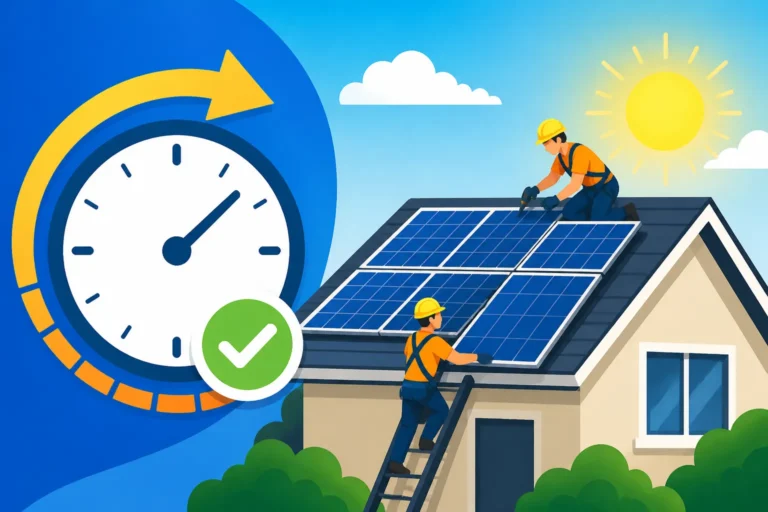
Beyond skills, consider your most valuable resource: time. Permitting alone can take weeks or months of back-and-forth, not to mention the actual physical labor and troubleshooting. If you have a demanding job or limited free time, a DIY project could stretch out indefinitely, delaying your energy savings. If you're honest with yourself and realize that your expertise or available time doesn't quite match the complexity of a full residential solar installation, then leaning towards professional help is likely the wiser choice. This is where getting detailed proposals from reputable installers, perhaps through services like Modernize, becomes invaluable.
The Value of Peace of Mind and Professional Guarantees
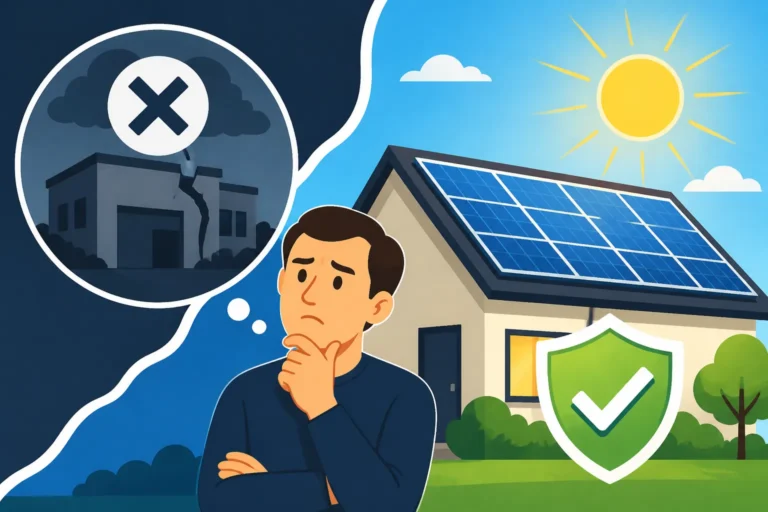
Ultimately, for many homeowners, the deciding factor comes down to peace of mind. Knowing that your solar system was designed, installed, and warranted by experienced professionals offers a level of security that's hard to put a price on. This includes the assurance that your system is safe, up to code, performing optimally, and backed by comprehensive warranties for both equipment and workmanship.
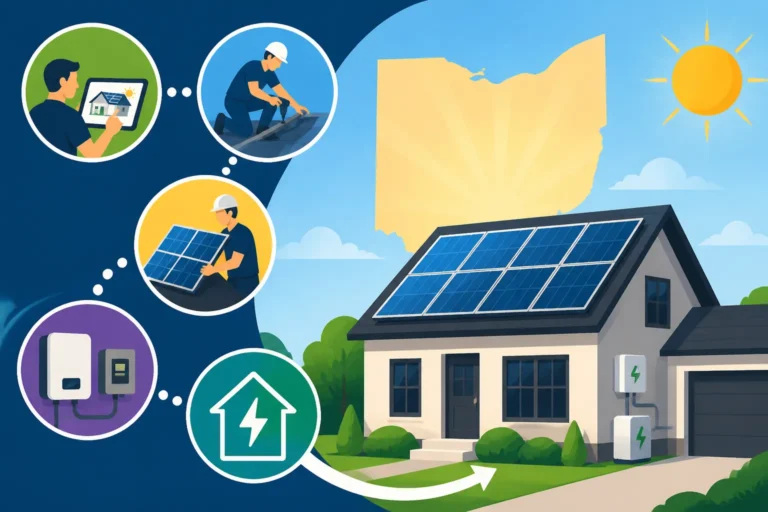
When you hire a professional, they handle the entire process from start to finish, including the often-frustrating steps of permitting and utility interconnection, as well as securing all applicable incentives. This allows you to avoid potential costly mistakes, dangerous electrical hazards, and the headache of navigating complex regulations. While the upfront investment for professional installation may be higher, the long-term benefits of efficiency, reliability, safety, and guaranteed performance often provide a superior return on investment and a far less stressful experience.
Here’s a quick overview to help you visualize the comparison:
| Feature | DIY Solar Installation | Professional Solar Installation |
|---|---|---|
| Upfront Cost | Potentially lower (no labor fees) | Higher (includes labor, design, permits, etc.) |
| Labor | You provide all labor | Provided by certified, experienced technicians |
| Expertise Required | High (electrical, roofing, structural, code knowledge) | None (handled by installer) |
| System Design | Requires homeowner to plan and engineer | Professional design and engineering to maximize efficiency |
| Permitting & Utility | Homeowner responsible for all applications & inspections | Handled entirely by installer |
| Warranties | Manufacturer equipment warranty only; no workmanship | Manufacturer equipment, plus workmanship & performance warranties |
| Insurance/Liability | Homeowner assumes all risk | Installer is insured, protecting homeowner from liability |
| Time Investment | Significant research, planning, installation time | Minimal homeowner time required post-contract |
| Safety Risks | High (working with electricity, on roofs) | Low (handled by trained professionals) |
| Access to Incentives | Requires homeowner to research & apply for all | Installer guides through or handles incentive applications |
| Long-Term Performance | Variable, dependent on installation quality | Optimized for maximum performance and longevity |
| Home Resale Value | Potentially complicated without proper documentation | Adds clear, verifiable value with professional documentation |
Disclaimer
Please remember that the information provided in this guide is for general informational purposes only and does not constitute professional advice. Solar energy system design and installation are complex undertakings that involve electrical, structural, and regulatory considerations. Always consult with qualified professionals, including licensed electricians, structural engineers, and reputable solar installers, before making any decisions related to your home's solar installation. Local codes, utility policies, and incentive programs vary widely by location and can change frequently.