How Long Do Solar Panels Take to Install?
Thinking about going solar, but feeling overwhelmed by the thought of how long the whole process might take? It's a completely valid concern! Many homeowners get excited about saving money and helping the planet, only to be daunted by the perceived complexity and extended timelines of solar panel installation. This guide is here to demystify the journey, breaking down each step of a typical home solar project so you know exactly what to expect, from initial inquiry to flipping the switch.
Understanding the Solar Installation Journey
When you first start thinking about solar, it's easy to picture a crew showing up, putting panels on your roof, and then poof – instant energy savings. But the reality is, getting solar panels installed on your home is a multi-step process that involves a lot more than just the physical installation day. It's a significant home improvement project, and like any major renovation, it requires careful planning, approvals, and coordination.
More Than Just Panels on a Roof
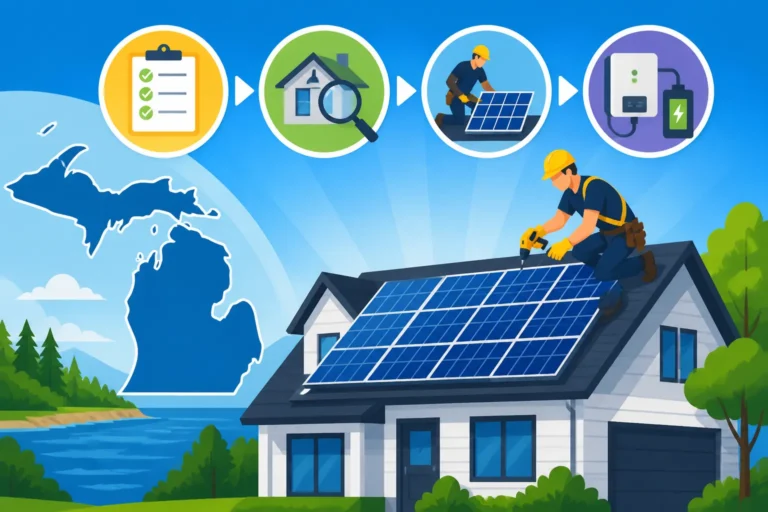
The physical act of mounting solar panels onto your roof is actually one of the quicker parts of the entire process. Before a single panel can be placed, there are crucial preliminary steps that involve assessing your home's suitability, designing a custom system, navigating local regulations, and securing necessary permits. This foundational work ensures your system is safe, efficient, and compliant with all local codes and utility requirements. Without these initial stages, the final installation simply can't happen, and understanding their importance helps homeowners appreciate the overall timeline.
It's a bit like building a custom home – you don't just show up with lumber and start nailing. You need blueprints, zoning approvals, foundation work, and a whole lot of planning. Solar is similar in that the groundwork dictates the success and speed of everything that follows. From detailed structural assessments to understanding your home's energy consumption patterns, every piece of data contributes to a robust and long-lasting solar solution.
The Importance of a Realistic Timeline
Having a clear, realistic expectation of the solar installation timeline is perhaps one of the most important things you can do to avoid frustration. Rushing through the process or expecting instant gratification can lead to disappointment. Knowing that some steps might take weeks, or even months, allows you to plan accordingly, manage your expectations, and maintain a positive outlook on your journey to energy independence. It also helps you spot potential red flags with an installer who promises an unrealistic "too good to be true" speed.
A realistic timeline empowers you as a homeowner. You'll know when to follow up, what questions to ask, and how to assess the progress of your project. This knowledge is crucial for making informed decisions and ensuring that your solar installer, like those you might find through a platform such as Modernize, is keeping the project on track. Being informed also means you can better understand any unexpected delays, which, let's be honest, can happen with any construction project.
Key Stages and Their Timelines
The solar installation process can be broken down into several distinct phases, each with its own typical duration. While these timelines can vary widely based on your location and specific circumstances, understanding each stage will give you a clearer picture of the overall journey.
Initial Consultation and Site Assessment
This is where your solar journey really begins. After expressing interest in solar, an installer will typically schedule an initial consultation. This might be a virtual meeting or an in-person visit to your home. During this phase, they'll gather information about your energy usage, discuss your goals, and assess your property's solar potential. This site assessment often includes examining your roof's condition, orientation, shading, and structural integrity. They'll also look at your electrical panel to ensure it can handle the new system.
This stage usually takes about 1-2 weeks, but can be quicker if all information is readily available. The installer will then use this information to design a preliminary system and provide you with a quote. It's a crucial step because it determines the feasibility and optimal design for your unique situation. During this time, it's a good idea to discuss all your options, including adding a battery for energy storage, and review any existing warranties on your roof. You can learn more about what to expect during this phase in our guide on What Is a Site Survey for Solar?.
Design, Permitting, and Approvals
Once you've chosen an installer and agreed on a system design and quote, the real bureaucratic heavy lifting begins. The installer will finalize the system design, creating detailed engineering plans specific to your home. These plans then need to be submitted to your local municipality for building permits and to your utility company for interconnection approval. This is often the longest and most variable part of the entire solar process, and it's where many homeowners feel the most frustration due to factors beyond their or the installer's control.
Depending on your city, county, and utility, this phase can take anywhere from 4 to 12 weeks, or even longer in some areas with backlogged departments. Cities like San Diego, California, or municipalities in Florida are known for having robust but sometimes slow permitting processes due to high demand and strict regulations. Your installer will handle most of these submissions, but you might need to sign forms or provide additional information. Understanding Solar Permitting & Interconnection (PTO) Explained is key here.
Equipment Ordering and Delivery
Once your permits and interconnection agreements are approved, your installer can place the order for your solar panels, inverters, racking, and any other necessary equipment. The availability of specific brands and models, as well as current supply chain conditions, can impact this timeline. For instance, popular high-efficiency panels from manufacturers like Qcells or REC Solar, or inverters from Enphase or SolarEdge, might sometimes have lead times.
Typically, this stage takes about 2-4 weeks. Your installer will coordinate the delivery to their warehouse or directly to your home shortly before the installation date. They'll keep you updated on the expected arrival of your components. It’s important to remember that delays can occur, such as unexpected shipping issues or manufacturing backlogs, so a good installer will keep you in the loop.
Physical Installation Day(s)
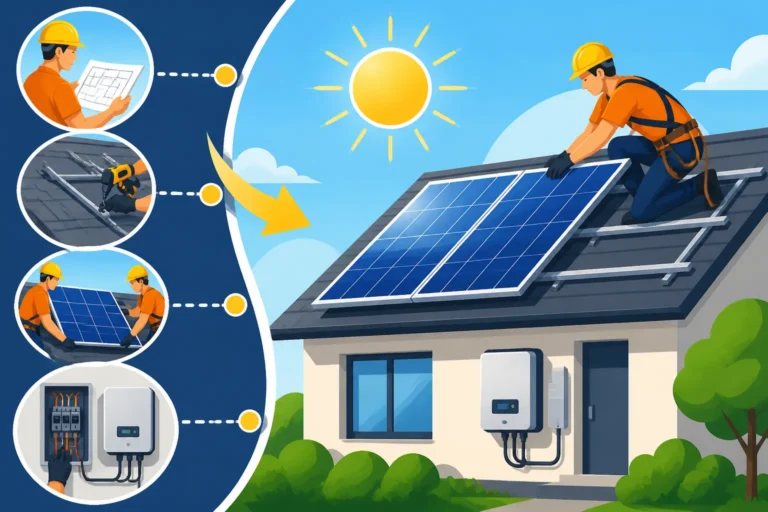
This is the moment many homeowners eagerly await! The actual physical installation of the solar panels on your roof is surprisingly quick for most residential systems. A crew will arrive, install the racking system, mount the solar panels, connect the wiring, and install the inverters and any battery storage. They'll also handle the necessary electrical work to connect your system to your home's main electrical panel.
For an average residential system (e.g., a 6 kW to 10 kW system), the physical installation usually takes between 1 to 3 days. Larger or more complex systems, or those with ground mounts or extensive battery storage, might take a bit longer. Weather conditions, like heavy rain or strong winds, can also cause delays. After the physical work is done, your system isn't live yet – it still needs a final inspection. Our guide on How Are Solar Panels Installed? Step by Step provides a detailed look at this phase.
Inspection and Permission to Operate (PTO)
Once the physical installation is complete, your system needs to pass final inspections by both the local building department and your utility company. The municipal inspector will ensure that the installation meets all local building and electrical codes. The utility company will then perform its own inspection to verify the system's safety and proper interconnection to the grid. This crucial step is often referred to as receiving "Permission to Operate" (PTO).
This final inspection and PTO process can take anywhere from 1 to 4 weeks after the installation is complete. It largely depends on the scheduling availability of the inspectors and the utility. Once you receive PTO, your system can finally be switched on, and you can start generating your own clean electricity! It’s an exciting milestone, marking the official start of your solar savings.
Factors That Can Speed Up or Slow Down the Process
While the average timeline gives you a good idea, several factors can significantly influence how long your specific solar project takes. Being aware of these can help you better understand and even mitigate potential delays.
Local Permitting Office Efficiency
As mentioned, permitting is often the biggest wildcard in the solar timeline. The efficiency of your local city or county permitting office can make a huge difference. Some municipalities have streamlined online processes and dedicated solar departments that can turn around permits in a couple of weeks. Others might require paper submissions, have limited staff, or experience significant backlogs, extending the wait to several months. For example, getting a solar permit in bustling metropolitan areas like Los Angeles or New York City can inherently take longer than in a smaller, rural town due to sheer volume and complex zoning ordinances.
It's not uncommon for permits to get stuck in review for minor revisions or clarifications. A good solar installer, one who has a strong reputation within the community and with local authorities (like those you might connect with via Modernize), will be familiar with the local permitting nuances and might even have established relationships that can help smooth the process. They'll also be diligent about submitting complete and accurate applications to minimize delays. Asking your prospective installer about their experience with your specific local permitting office is a smart question.
Installer Efficiency and Communication
The solar installer you choose plays a massive role in the overall timeline. A well-organized, experienced installer will have efficient internal processes for design, permitting, scheduling, and communication. They'll be proactive in submitting documents, responsive to inspector feedback, and clear about setting expectations with you. On the other hand, an inexperienced or disorganized installer can introduce significant delays through missed deadlines, incomplete paperwork, or poor scheduling.
When choosing an installer, don't just ask about the installation day itself, but also inquire about their typical end-to-end project timeline. Ask about their communication strategy – how often will they update you? What portal or system do they use to track progress? Reading reviews and asking for references can also provide insights into an installer's efficiency and customer service. You should look for transparency and proactive updates throughout the entire journey. You can also refer to guides like How to Choose a Solar Installer to help you with this decision.
Weather and Unexpected Delays
Let's face it, Mother Nature doesn't always cooperate, and unforeseen circumstances can pop up during any construction project. Inclement weather, such as heavy rain, snow, high winds, or extreme heat, can halt physical installation work for safety reasons. While installers try to schedule around forecasts, unexpected storms can always throw a wrench in the plans.
Beyond weather, other delays can occur:
- Equipment availability: While generally good, global supply chain issues or high demand for specific components can lead to longer waits for panels or batteries.
- Utility upgrades: In rare cases, your utility might need to perform upgrades to their grid infrastructure to accommodate your system, adding time to the PTO phase.
- Inspection rescheduling: Sometimes inspectors or utility reps need to reschedule, pushing back the final green light.
A reliable installer will factor in some buffer time for these possibilities and will keep you informed promptly if any unexpected delays arise, explaining the cause and the new estimated timeline.
Setting Realistic Expectations for Your Solar Project
Embarking on a solar journey is a significant investment in your home and future. Setting realistic expectations about the timeline is crucial for a smooth and satisfying experience.
The Average Total Timeline
So, when you add it all up, what's the typical total time from your first consultation to flipping the switch? For most residential solar installations, you can expect the entire process to take approximately 2 to 4 months.
Here's a quick summary breakdown:
| Stage | Typical Duration | Notes |
|---|---|---|
| Initial Consultation & Site Assessment | 1-2 weeks | Gathering info, energy analysis, preliminary design. |
| Design, Permitting & Approvals | 4-12 weeks (or more) | Engineering plans, municipal building permits, utility interconnection agreements. This is often the longest variable. |
| Equipment Ordering & Delivery | 2-4 weeks | Sourcing panels, inverters, racking. Can be impacted by supply chain. |
| Physical Installation | 1-3 days | Actual mounting of equipment on your roof or ground, electrical work. |
| Final Inspections & PTO | 1-4 weeks | City/county building inspection, utility inspection, official permission to turn on. |
| Total Estimated Project Time | ~2 to 4 Months | This is a general average. Complex projects, local permitting backlogs, or specific equipment availability can extend this. Less complex projects in efficient jurisdictions might be closer to 6-8 weeks total. |
Remember, these are averages. If an installer promises you a "one-month turnaround," especially in an area known for slow permitting, approach with caution. It's often a sign of an unrealistic expectation or a rushed process that could lead to problems down the line.
How to Minimize Delays
While you can't control everything, there are steps you can take to help keep your solar project moving forward:
- Be Prepared: Have your past electricity bills (12 months worth is ideal), property deeds, and any HOA documents ready for your initial consultation. This helps the installer quickly get accurate information.
- Choose a Reputable Installer: This cannot be stressed enough. A company with a proven track record, good communication, and local expertise will navigate the process much more smoothly. Look for installers accredited by organizations like NABCEP, and check their reviews. Platforms like Modernize can help you connect with vetted local installers.
- Stay Engaged (But Patient!): While your installer handles the heavy lifting, staying in touch and promptly responding to any requests for information or signatures can prevent unnecessary holdups. However, resist the urge to call daily for updates; trust your installer's communication plan.
- Understand Local Rules: Familiarize yourself with your state's and city's solar incentive programs and any specific permitting requirements. For example, knowing if your state offers robust State Solar Incentives: Complete 2026 Guide can help you prepare financially and understand the bigger picture.
- Be Flexible: Be prepared for minor adjustments to the timeline. As we discussed, unforeseen circumstances can arise, and a little flexibility goes a long way in managing expectations.
By understanding the various stages, recognizing potential bottlenecks, and working closely with a trustworthy solar installer, you can ensure your transition to solar energy is as smooth and predictable as possible. The wait will be worth it once you start enjoying those lower electricity bills and the satisfaction of powering your home with sunshine!
Disclaimer
The information provided in this article is for general informational purposes only and does not constitute financial, legal, or professional advice. Solar project timelines and costs can vary significantly based on location, system specifications, local regulations, and individual circumstances. We recommend consulting with qualified solar professionals and financial advisors to assess your specific needs and options.