Solar Permit Process in Michigan
Thinking about going solar in Michigan can feel like a breath of fresh air, a real step towards energy independence and lower utility bills. But let's be honest, the moment you start looking into it, the sheer thought of permits, paperwork, and navigating local government rules can quickly deflate that excitement. It often feels like a frustrating, opaque maze, and many homeowners worry they'll hit unexpected roadblocks. This comprehensive guide is here to demystify the solar permit process in Michigan, walking you through each step so you can approach your solar journey with confidence and a clear understanding of what to expect.
Why Solar Permits Aren't Just Bureaucracy (Even Though It Feels Like It)
It's easy to feel overwhelmed and even annoyed by the layers of permits required for something as seemingly straightforward as putting solar panels on your roof. You might think, "I own my house, why do I need permission to make it more energy-efficient?" But believe it or not, these permits are actually in place for very important reasons, primarily to ensure safety and protect your investment in the long run.
Ensuring Safety and Structural Integrity
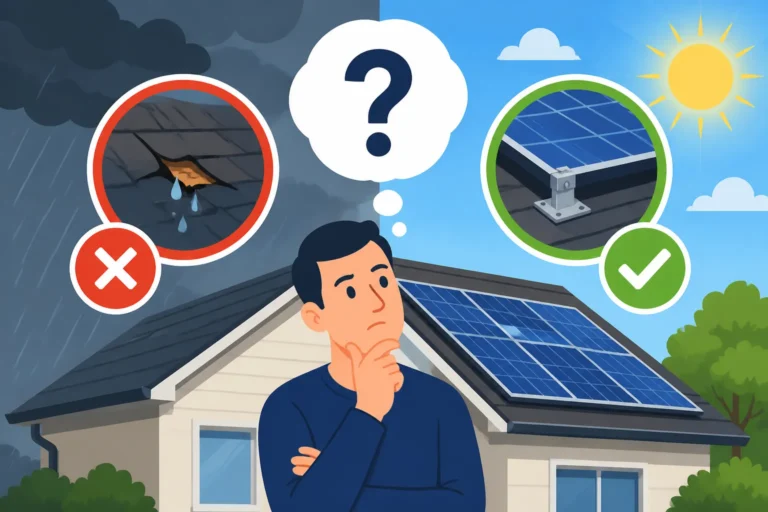
The biggest reason for requiring permits is safety—both for the people installing the system and for you and your family living in the house. Imagine if anyone could just slap heavy panels onto a roof without proper checks. What if the roof structure isn't strong enough to bear the added weight, especially with Michigan's heavy snow loads in winter? What if the electrical wiring isn't up to code, creating a fire hazard? Permitting requires certified plans and inspections to make sure your solar installation adheres to strict building and electrical codes, protecting against structural collapse, electrical fires, and other dangerous malfunctions. These regulations ensure that your system is not only generating power efficiently but doing so safely for decades to come.
Protecting Your Investment and Future Resale
Beyond immediate safety, permits also safeguard your long-term investment. An unpermitted solar installation can become a huge headache down the line. For instance, if you decide to sell your home, an unpermitted system could raise red flags with potential buyers, inspectors, and even your mortgage lender. They might require you to bring it up to code or even remove it entirely, costing you significant money and delaying your sale. Properly permitted installations are documented, inspected, and approved, adding tangible value to your property. It's proof that the work was done correctly and legally, which is crucial for things like insurance claims, future property assessments, and ensuring your system is eligible for any local or state incentives. Understanding how to navigate the process is key to ensuring your solar panels increase home value, rather than becoming a liability.
The Typical Michigan Solar Permitting Journey: A Step-by-Step Look
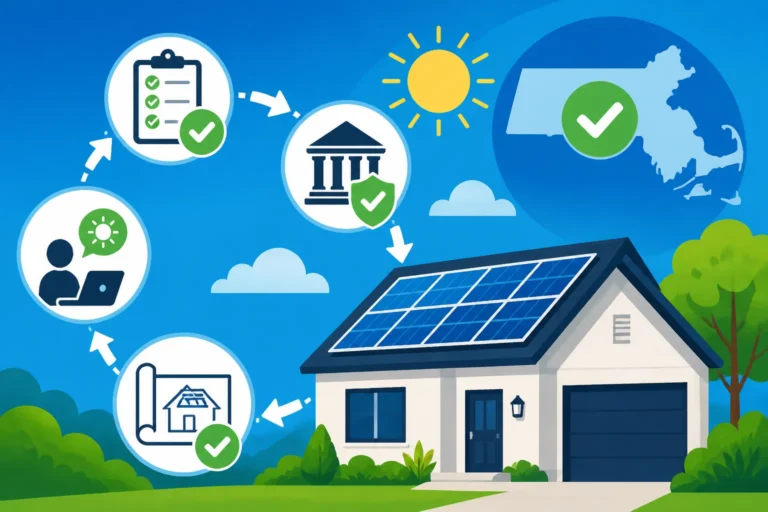
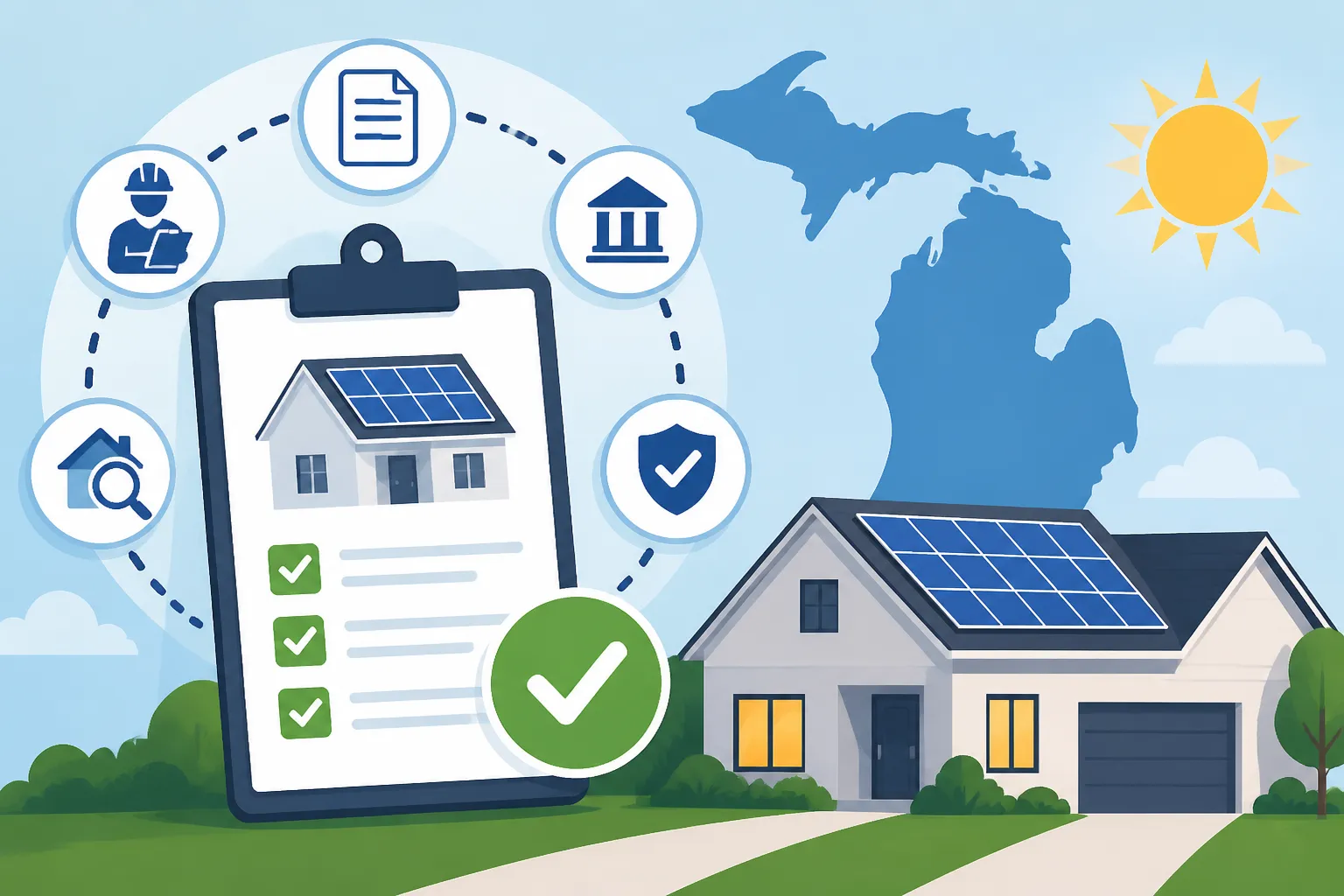
While Michigan doesn't have a single statewide solar permitting authority – it's mostly handled at the local level – there's a general process most homeowners will encounter. Think of it as a roadmap, even if some of the turns look a little different depending on whether you're in Grand Rapids, Ann Arbor, or a more rural township. The overarching goal is to ensure your system meets both local building codes and electrical standards.
Initial Application and Documentation
The first real step in the process, once you've decided to go solar and chosen a reputable installer, is submitting the permit application. This isn't just a simple form; it's a comprehensive package that details every aspect of your proposed solar array. Your solar installer will typically handle this entire process, as they have the expertise and licensed professionals (electricians, engineers) to create the necessary documents.
Here's what usually goes into that initial application package:
- Building Permit Application: This covers the physical installation of the panels on your roof or ground-mount structure. It ensures the structure can handle the weight and wind loads.
- Electrical Permit Application: This is for all the wiring, inverters, and connections to your home's electrical system and the grid. Safety is paramount here.
- Detailed Site Plans: These plans, often created by an engineer, show the exact location of the solar panels on your roof, the layout, tilt, and azimuth (direction they face). They'll include diagrams of your property and home.
- Structural Schematics: These drawings confirm that your roof structure (rafters, trusses) can safely support the additional weight of the panels, mounting hardware, and any snow or ice accumulation common in Michigan winters.
- Electrical Line Diagrams (Single-Line Diagrams): These intricate drawings illustrate how the solar panels will connect to the inverter, your electrical panel, and the utility grid. They must meet National Electrical Code (NEC) standards and local amendments.
- Equipment Specifications (Spec Sheets): You'll need to provide documentation for all major components, including the specific solar panels, inverters (like those from Enphase or SolarEdge), and batteries if you're adding them. These sheets verify that the equipment is certified and approved for use.
- Interconnection Agreement Application: This is a separate, but parallel, process with your local utility company (like Consumers Energy or DTE Energy). It's essentially your formal request to connect your new solar system to their electrical grid so you can participate in programs like net metering. This application often goes hand-in-hand with the local permitting process. For more on this, check out our guide on Solar Permitting & Interconnection (PTO) Explained.
Your installer will submit these documents to your local building department and/or electrical inspector's office. The review period can vary widely, from a few weeks in smaller towns to over a month in busier cities like Detroit or Lansing. During this time, the plans examiners will pore over every detail to ensure compliance.
Review, Inspection, and Approval
Once your application is submitted, it enters the review phase. This is where municipal plan reviewers, engineers, and electrical inspectors examine the submitted documents. They're looking for code compliance, structural soundness, and electrical safety. It's not uncommon for them to request revisions or additional information. Your solar installer should be prepared to address these promptly.
After the plans are approved and permits are issued, the physical installation can begin. However, the permit process isn't over yet! Several inspections will be required during and after installation:
- Rough-In Electrical Inspection: Before walls or ceilings are closed up (if any new wiring is run inside your home), an inspector might check the conduit, wiring, and connections to ensure they meet code.
- Structural/Roof Inspection: This might happen after the racking is installed but before the panels are placed, to ensure the mounting system is secure and doesn't compromise the roof's integrity.
- Final Electrical Inspection: This is a crucial inspection once the entire electrical system is installed, connected, and ready to go. The inspector will verify all wiring, grounding, overcurrent protection, and inverter installations meet current electrical codes.
- Final Building Inspection: Once all physical components are in place and secured, a building inspector will give the final sign-off on the structural aspects of the installation.
Once all local inspections are passed, the final step is usually the utility's approval to operate, known as What Is Permission to Operate (PTO)?. This means the utility has verified your system meets their requirements and can be safely energized and connected to the grid. Only after PTO is granted can you officially turn on your system and start generating your own electricity. The total Solar Installation Timeline: What to Expect can often stretch several months due to these sequential steps.
Navigating Michigan's Diverse Local Regulations
Here's where things can get a little tricky and frustrating for Michigan homeowners. Unlike some states with a more centralized approach, the solar permitting landscape in Michigan is incredibly localized. What's perfectly fine in one municipality might require extra steps or different forms in another, even if they're just a few miles apart.
City vs. County: The Permitting Patchwork
Michigan's structure means that permitting authority often rests with individual cities, townships, or county building departments. This leads to a patchwork of regulations, fees, and processing times. For example, homeowners in a large city like Detroit might encounter different zoning ordinances, aesthetic guidelines, and review processes compared to someone installing solar in a smaller community in the Upper Peninsula.
- Zoning Ordinances: Some localities have specific rules about where solar panels can be placed, their visibility from public streets, or maximum height restrictions. Historic districts, in particular, often have stricter aesthetic requirements.
- Expedited Permitting: On the flip side, some forward-thinking communities are actively trying to streamline their processes. For instance, cities like Ann Arbor or Traverse City might have clearer guidelines or even online portals to help expedite solar permits, recognizing the economic and environmental benefits. Others may still rely on paper forms and longer manual review times.
- Fee Structures: Permit fees also vary significantly. Some might charge a flat fee, while others base it on the system size (per kilowatt) or the total project cost. These fees, while generally a small percentage of the overall project, are an unavoidable part of the process.
This variability is precisely why choosing the right solar installer is so critical. A good local installer will have a deep understanding of the specific requirements in your area and will be adept at navigating them efficiently. Companies that operate statewide, or connect you with local experts, often use platforms like Modernize to ensure they're up-to-date on these localized nuances, making your journey smoother.
Common Hiccups and How to Prepare
Even with a great installer, sometimes the permit process hits a snag. Knowing what these common issues are can help you mentally prepare and ensure your chosen installer is equipped to handle them.
- Incomplete Documentation: The number one reason for delays is often incomplete or incorrect paperwork. Missing a signature, an outdated code reference, or a diagram that isn't clear can send the application back to square one.
- Understaffed Departments: Especially in smaller municipalities, building departments might be understaffed, leading to longer review times. There's not much you can do about this except factor it into your timeline expectations.
- Unique Local Requirements: Sometimes an inspector or plan reviewer might have a particular interpretation of a code, or your property might trigger a special zoning review (e.g., if you're in a flood plain, near a protected wetland, or have specific homeowner association rules).
- Historical District Restrictions: If your home is in a designated historic district, expect additional layers of approval. These districts often have strict guidelines about changes to a building's exterior, especially anything visible from the street. This can impact panel placement, color, and even the type of mounting hardware allowed.
The best way to prepare is to communicate openly with your installer and ask them about potential challenges specific to your address. They should be transparent about their experience with your local permitting office. It’s also wise to get multiple solar quotes to ensure you're working with an installer who is both competitive on price and highly competent in administrative processes.
Here's a simplified table illustrating the typical (and often varied) steps:
| Step | Description | Who Typically Handles It | Estimated Timeframe (Varies Wildly) |
|---|---|---|---|
| 1. System Design & Engineering | Professional design of solar array, electrical plans, and structural analysis. | Solar Installer | 1-3 weeks |
| 2. Permit Application Submission | Compiling and submitting all required plans and forms to local building/electrical department. | Solar Installer | 1-2 days (after design) |
| 3. Plan Review & Approval | Local officials review documents for code compliance. Revisions may be requested. | Local Permitting Office | 2-8 weeks (or more) |
| 4. Permits Issued | Official approval to begin construction. | Local Permitting Office | 1-2 days (after approval) |
| 5. Solar Installation | Physical installation of panels, wiring, inverters, and racking. | Solar Installer | 1-5 days (depending on system size) |
| 6. Local Inspections | Building and electrical inspectors verify work meets codes. Multiple visits may be needed. | Local Inspectors | 1-3 weeks (after installation) |
| 7. Utility Interconnection Request | Application to the local utility to connect and activate the system. Often runs parallel to local permitting. | Solar Installer / Homeowner | 1-2 weeks |
| 8. Utility Meter Exchange | Utility may replace your existing meter with a net meter (if applicable) or configure existing one. | Utility Company | 1-4 weeks |
| 9. Permission to Operate (PTO) | Final approval from the utility to turn on your system and connect to the grid. | Utility Company | 1-2 weeks (after meter exchange) |
Streamlining Your Michigan Solar Permit Process
Given the potential complexities, it's natural to wonder how you can make the permitting process as smooth as possible. While you won't be personally filling out every form, your choices as a homeowner can significantly influence the timeline and ease of the journey.
The Role of Your Solar Installer
Your choice of solar installer is, without a doubt, the single most impactful factor in how smoothly your permitting process will go. A truly professional and experienced solar company will:
- Have Local Expertise: They'll know the specific requirements, preferred formats, and even the personalities of the plan reviewers in your city or county. They'll know exactly what forms are needed for a solar permit process in Grand Rapids, for example, versus a small township outside of Kalamazoo.
- Employ Qualified Staff: Their team should include licensed electricians, structural engineers, and project managers who understand both the technical aspects of solar installation and the administrative nuances of permitting.
- Handle All Paperwork: They should take care of preparing and submitting all necessary building and electrical permits, as well as the utility interconnection agreement. This removes a huge burden from your shoulders.
- Proactively Communicate: A good installer will keep you informed at every stage, letting you know when applications have been submitted, when inspections are scheduled, and if any revisions are requested. They won't leave you guessing.
- Be Responsive to Revisions: If the permitting office requests changes or additional information, a reliable installer will respond quickly and professionally, preventing unnecessary delays.
When you're evaluating installers, don't be afraid to ask specific questions about their experience with permitting in your particular municipality. Ask them about their average permit turnaround times for projects in your area and what their process is for handling rejections or requests for more information. Platforms like Modernize can help you connect with vetted local installers who have a strong track record.
Resources and Tools for Homeowners
While your installer will do the heavy lifting, it doesn't hurt to be an informed homeowner. Here are a few ways you can empower yourself:
- Your Local Building Department's Website: Many cities and counties in Michigan have dedicated pages on their websites for building permits, often including specific requirements or checklists for solar installations. A quick search for "[Your City/County] solar permit requirements" can yield valuable information.
- Michigan Department of Licensing and Regulatory Affairs (LARA): LARA oversees construction codes and licensing in Michigan. While local jurisdictions adopt and enforce codes, LARA provides general guidance and resources that can be helpful for understanding the broader regulatory framework.
- Online Solar Marketplaces: Services that connect homeowners with multiple solar installers, such as Modernize, can be invaluable. These platforms often work with a network of pre-screened, reputable companies that are familiar with local permitting nuances across Michigan. By using such a service, you can easily compare offers from different installers and find one that not only fits your budget but also has a proven track record of successful permit navigation in your specific area. They can simplify the initial research phase, helping you to efficiently How to Choose a Solar Installer rather than sifting through endless options yourself.
- Solar Advocacy Groups: Organizations like the Michigan Solar Energy Association (MSEA) sometimes offer resources or host events that can provide insight into the solar landscape, including regulatory challenges and policy changes.
- Neighbor Testimonials: Talk to neighbors who have gone solar! Their experiences can offer real-world insights into what to expect from local permitting and specific installers in your community.
By staying informed and partnering with a highly competent installer, you can navigate the solar permit process in Michigan much more smoothly. While it might seem like a bureaucratic hurdle, remember that each step is designed to ensure a safe, compliant, and valuable solar energy system for your home.
Disclaimer
The information provided in this guide is intended for general informational purposes only and does not constitute professional advice. Solar permitting regulations are complex and subject to change at local, state, and federal levels. Always consult with a qualified, licensed solar installer and your local permitting authority for accurate, up-to-date information specific to your property and project.