What Roofs Are Best for Solar Panels?
It’s a common scenario: you’re dreaming of slashing those ever-increasing electricity bills and doing your part for the planet, but then a nagging thought pops up – "Is my roof even right for solar panels?" You look up at your shingles, your tiles, or maybe even a flat roof, and wonder if it's going to be a smooth ride or a series of headaches. This guide is here to cut through that uncertainty, walking you through everything you need to know about which roofs are best suited for solar installations and what to do if yours isn’t quite "perfect."
Understanding Your Roof's Solar Potential
Before you even think about panel brands or financing, the very first step in your solar journey involves a good hard look at your roof. It's not just about space; it's about how your roof interacts with the sun throughout the day and year. Homeowners often get hung up on just the size of their roof, but there are far more nuanced factors at play that truly dictate solar suitability and, ultimately, your long-term energy savings.
Orientation and Pitch: The Sun's Favorite Angles
When we talk about roof orientation, we're simply referring to the direction your roof faces. In the Northern Hemisphere, a south-facing roof is generally considered the "gold standard" for solar panel placement because it receives the most direct sunlight throughout the day, maximizing energy production. Imagine the sun tracking across the sky from east to west; a south-facing roof gets that sweet spot of intense, direct rays for the longest duration. This optimal exposure means fewer panels might be needed to achieve your energy goals, potentially lowering overall installation costs and increasing your system's efficiency.
However, don't despair if your roof isn't perfectly south-facing. While south is ideal, east- and west-facing roofs can still be excellent candidates, especially in states with generous net metering policies like California (before NEM 3.0, now it's a bit different for new installations) or where electricity rates are higher in the afternoon. East-facing panels will capture more morning sun, while west-facing panels will excel in the afternoon and early evening, which can be particularly beneficial for offsetting peak-time electricity usage when rates are often at their highest. Many modern solar systems are designed to accommodate these orientations, and even north-facing sections can sometimes be utilized with advanced technology or if you have ample roof space that makes up for less direct sunlight. Understanding your home's unique energy consumption patterns can help your installer design a system that makes the most of your available roof real estate, regardless of perfect south alignment.
The pitch, or angle, of your roof also plays a significant role. Generally, a roof pitch between 30 and 45 degrees is considered optimal for solar panels in most parts of the United States. This angle allows the panels to be more perpendicular to the sun's rays during its highest point, leading to maximum energy capture. However, shallower pitches (like those common on ranch-style homes) or steeper ones (found on many two-story colonial homes) can still work. For shallower roofs, installers might use racking systems that slightly tilt the panels to a more favorable angle, though this can add a little to the overall cost and visibility. Extremely steep roofs might pose safety challenges during installation and potentially require specialized equipment, but they are rarely outright disqualifying. The key is to find a reputable installer who can assess your specific roof and propose a custom solution that maximizes energy production given its unique characteristics.
Shade and Obstructions: The Silent Energy Thieves
Shading is perhaps the biggest enemy of solar panel efficiency. Even partial shading from a nearby tree, a chimney, or an adjacent building can significantly reduce the power output of an entire string of panels if you're using a traditional string inverter system. This is often referred to as the "Christmas light effect," where one shaded panel can drag down the performance of others connected in series. It's incredibly frustrating to invest in solar only to find a shadow from your neighbor's oak tree costing you precious kilowatt-hours. This is why a thorough site assessment, often involving drone technology and sophisticated solar modeling software, is absolutely crucial.
Modern solar technology offers excellent solutions to mitigate the impact of shading. Microinverters, like those from Enphase, or power optimizers, commonly used with SolarEdge systems, work by optimizing the power output of each individual panel. This means if one panel is shaded, the others in the system continue to produce at their maximum capacity, preventing a system-wide drop in performance. While these technologies might come with a slightly higher upfront cost compared to traditional string inverters, the increased energy harvest over the system's lifespan, especially on roofs with intermittent shading, often makes them a worthwhile investment. If you suspect your roof might have shading issues, definitely discuss these options with your prospective solar installers to ensure you get a system that performs optimally.
Ideal Roof Characteristics for Solar Panels
Beyond the angles and sunlight, certain physical aspects of your roof make it particularly well-suited for a solar energy system. Thinking about these factors early on can save you a lot of time, money, and potential headaches down the line. A strong, healthy roof is essentially the foundation of a successful and long-lasting solar installation.
Ample South-Facing Space
While we've touched on orientation, let's emphasize the "ample space" part. The more unshaded, south-facing roof area you have, the more flexibility you have in designing a solar system that can fully meet your electricity needs. A large, unobstructed expanse allows for a higher number of panels to be installed, leading to greater overall energy production. This is particularly important if you have high energy consumption or are planning on adding electric vehicles or other energy-intensive appliances in the future. Imagine a wide-open canvas where an installer can optimally arrange your panels without having to work around multiple dormers, vents, or skylights.
Even if you don't have a perfectly vast south-facing section, a substantial amount of east or west-facing roof space can still be highly effective. The key is unobstructed space. Solar panels need room to breathe and, more importantly, to capture sunlight without interference. If your roof is broken up by many small sections, numerous vents, or skylights, it can limit the number of panels that can be installed efficiently and cost-effectively. Installers work within these constraints, but more open space generally leads to a more streamlined and productive system. During a professional site assessment, an expert will measure your usable roof area and calculate how many panels can realistically fit while adhering to necessary setbacks from edges and obstructions for safety and code compliance.
Good Structural Integrity
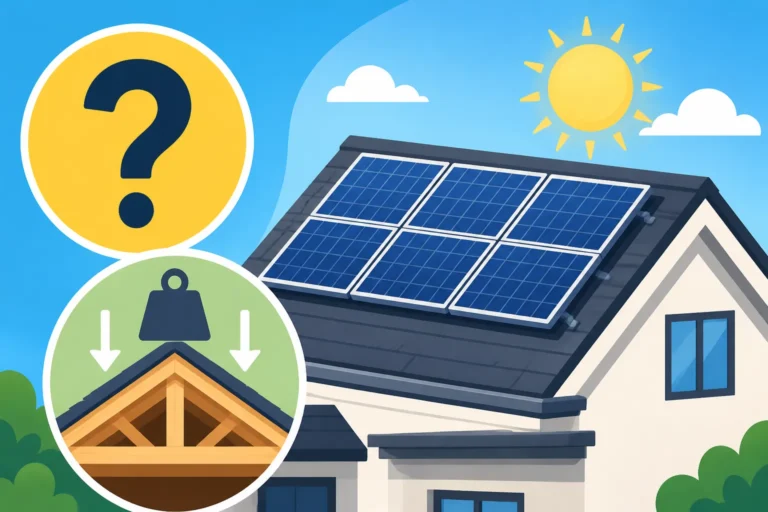
This might seem obvious, but it's a critical point that homeowners sometimes overlook. Solar panels, along with their racking and mounting hardware, add significant weight to your roof structure. While the weight of an individual panel isn't usually excessive, a full system can add thousands of pounds. Before any installation begins, a structural engineer or a qualified solar installer will assess your roof's integrity to ensure it can safely support the additional load. This assessment typically involves examining the existing framing, trusses, and sheathing. If your roof structure is deemed insufficient, it will need reinforcement, which can add to the project cost and timeline.
A structurally sound roof means not only that it can bear the weight of the panels but also that it can withstand local weather conditions, including heavy snow loads and high winds, with the added solar equipment. Especially in areas prone to extreme weather, like Florida with its hurricanes or Colorado with its heavy snowfall, building codes and structural requirements are stringent. If your roof has any signs of sagging, water damage, or significant wear and tear, these issues must be addressed before solar panels can be installed. Think of it as building a solid foundation for your energy independence; you wouldn't build a house on shaky ground, and you shouldn't put solar on a questionable roof.
Sufficient Remaining Lifespan
Solar panels are built to last a long time – most come with performance warranties guaranteeing output for 25 years or even longer. Replacing your roof after solar panels have been installed is a costly and inconvenient endeavor, as it requires the panels to be carefully removed, stored, and then reinstalled once the new roof is in place. This process can easily add thousands of dollars to your roofing project. Therefore, it's highly recommended that your existing roof has at least 10-15 years of life left in it before going solar.
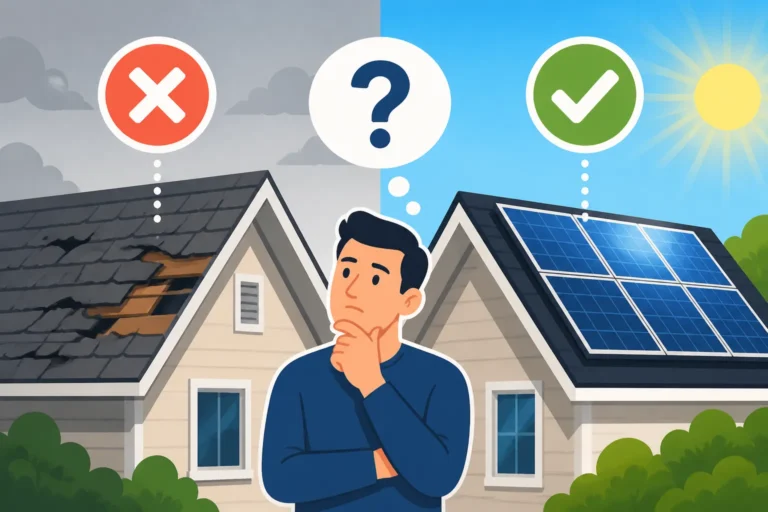
If your roof is nearing the end of its typical lifespan (e.g., asphalt shingle roofs usually last 20-30 years), it's often more economical and less disruptive to replace or repair your roof before installing solar panels. Many solar companies, understanding this dilemma, even offer roof replacement services in conjunction with solar installation, sometimes streamlining the financing for both projects. Consulting with a few different solar providers, like those you can find through Modernize, will help you get a clear picture of your options and potential combined costs. They can often provide insights into the typical lifespan of your specific roofing material and guide you on the best course of action. This proactive approach ensures that your roof and your solar system will last together for decades, maximizing your return on investment and minimizing future hassles. If you're wondering, "Do I Need a New Roof Before Solar?", this is exactly why it's a critical question to answer.
Best Roof Materials for Solar Installations
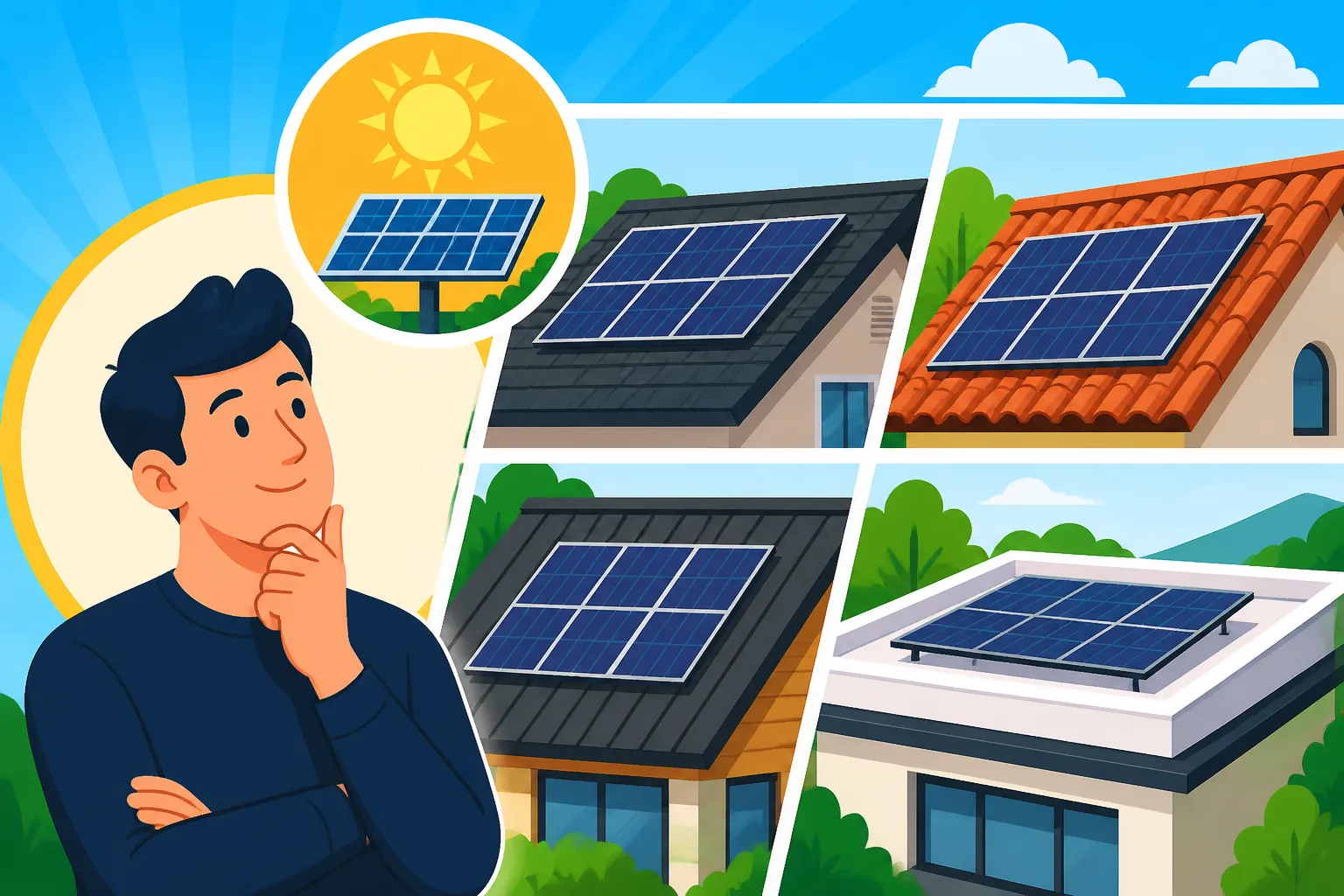
The material of your roof plays a significant role in how straightforward and cost-effective your solar installation will be. While most common roofing materials can accommodate solar panels, some are definitely easier to work with than others, impacting installation time, costs, and even the type of mounting hardware required.
Asphalt Shingles: The Most Common Choice
By far, asphalt shingles are the most common roofing material in North America, and thankfully, they are also one of the easiest and most cost-effective surfaces for solar panel installation. The process usually involves mounting a racking system directly to the roof rafters beneath the shingles. Installers lift a few shingles, attach flashing to prevent leaks, and then secure the racking system through the flashing and into the structural members of the roof. The simplicity of accessing the underlying structure and the relative ease of sealing around the mounts make asphalt shingles a highly favored material for solar installations.
Because of their widespread use and compatibility, installing solar panels on asphalt shingle roofs rarely presents significant challenges. The labor involved is generally straightforward for experienced solar crews, contributing to lower installation costs compared to more complex roofing types. Furthermore, the dark color of many asphalt shingles helps them absorb heat, and while panels themselves can get hot, the air gap created by the mounting system can actually provide a slight insulation benefit to the attic below, reducing cooling loads slightly in some cases. When you're considering a solar project, having an asphalt shingle roof is often a good starting point, as it streamlines a lot of the initial planning and execution phases.
Metal Roofs: Durable and Solar-Friendly
Metal roofs, particularly standing seam metal roofs, are exceptionally well-suited for solar panel installations. Their durability, longevity (often lasting 50 years or more), and unique construction offer several advantages. For standing seam roofs, clamps can be directly attached to the raised seams of the metal panels, eliminating the need to penetrate the roof surface. This "no-penetration" method is a massive benefit, as it significantly reduces the risk of leaks and maintains the integrity of the roof warranty. It also means quicker installation times and often lower labor costs because there's less intricate sealing involved.
Even corrugated or R-panel metal roofs can be great candidates. While these may require penetrations, the installation techniques are well-established, often involving specialized screws with rubber gaskets to ensure a watertight seal. The reflective properties of many metal roofs also mean they stay cooler than dark asphalt, which can subtly contribute to panel efficiency, as solar panels tend to perform slightly better at lower temperatures. If you have a metal roof, you're in an excellent position for solar. In fact, many homeowners who install new roofs specifically choose metal if they know they plan to go solar in the near future, precisely because of these long-term benefits and ease of integration.
Tile Roofs: A Bit More Complex
Tile roofs, whether concrete, clay, or Spanish style, present a slightly more intricate challenge for solar panel installation compared to asphalt or metal. The primary difficulty lies in the fragility of the tiles themselves. Stepping on them incorrectly during installation can cause breakage, and the process of securing mounting hardware often requires careful removal and replacement of individual tiles. Installers typically use specialized tile hooks or standoff mounts that attach to the roof decking or rafters beneath the tiles, then carefully flash around the penetrations and reinstall or repair the tiles.
While more complex, installing solar on a tile roof is a very common and achievable goal. The additional labor and specialized hardware mean that installations on tile roofs usually incur higher costs than on asphalt or metal roofs. However, the aesthetic appeal of tile roofs and their often long lifespan make them a worthwhile candidate for solar integration. It's crucial to choose an experienced solar installer who has a proven track record with tile roofs to ensure the job is done correctly, minimizing breakage and preventing future leaks. They will understand the nuances of working with different tile types and ensure that the integrity and beauty of your roof are preserved throughout the solar installation process.
Challenging Roof Types for Solar Panels
While most roof types can technically support solar panels, some present unique challenges that can increase installation complexity, costs, or even raise safety concerns. It's important to be aware of these potential hurdles so you can make informed decisions and budget accordingly.
Slate Roofs: Fragile and Specialized
Slate roofs are known for their exceptional beauty, longevity (often lasting over a century!), and premium cost. However, their very nature makes them one of the most challenging surfaces for solar panel installation. Slate tiles are incredibly fragile and can easily crack or break underfoot or with improper handling. This means installers must take extreme caution, often requiring specialized equipment like scaffolding or crawl boards to distribute weight and prevent damage.
The mounting process on slate roofs is also more involved. Instead of simply lifting shingles, installers must carefully remove individual slate tiles, install custom mounting brackets that secure to the roof deck, and then meticulously replace the tiles, ensuring a watertight seal. This specialized labor and the risk of tile breakage contribute to a significantly higher installation cost. Not all solar installers have the expertise or comfort level to work on slate roofs, so finding a qualified contractor is paramount. If you have a slate roof, be prepared for a more specialized and expensive installation, but know that it is still entirely possible to go solar with the right team.
Wood Shake Roofs: Fire Concerns and Longevity
Wood shake or shingle roofs, while offering a rustic charm, present a different set of challenges for solar. One significant concern is fire safety. Some jurisdictions and building codes have restrictions or require specific fire-resistant underlayments when installing solar panels over wood shake roofs, as the panels can trap heat and potentially create a fire hazard if not properly ventilated or installed. This is less of an issue with modern solar installations which typically include rapid shutdown features, but it's still a consideration for inspectors and insurance companies.
Beyond fire safety, wood shake roofs generally have a shorter lifespan compared to other materials, typically 20-40 years, and require more maintenance. If your wood shake roof is older, it might not have enough remaining life to justify installing solar panels on it. As discussed with other roof types, the cost and hassle of removing and reinstalling panels for a future roof replacement are substantial. An honest assessment of your wood shake roof's condition and expected lifespan by a professional is crucial before committing to solar. In some cases, a ground-mount solar system might be a more practical and cost-effective alternative if your property allows for it.
Flat Roofs: Unique Mounting Solutions
Flat roofs, commonly found on commercial buildings but also on some residential properties, present their own set of considerations for solar. Unlike pitched roofs where panels can be installed flush, flat roofs typically require a racking system that tilts the panels to an optimal angle (usually 10-30 degrees) for maximum sun exposure and drainage. This ballast mounting system uses weight, rather than roof penetrations, to hold the panels in place, which is a major advantage as it minimizes roof leaks. However, ballasted systems do add significant weight, so structural integrity is even more important.
Another factor for flat roofs is the potential for shading between rows of tilted panels. To avoid this, panels must be spaced appropriately, which means a flat roof might require more overall square footage than a pitched roof to accommodate the same number of panels. Drainage is also a key concern; the panel array must not impede water flow or create areas where water can pool. Despite these considerations, flat roofs are excellent candidates for solar, offering flexibility in orientation and often simplifying maintenance access. Specialized flat roof mounting systems from companies like SunPower or IronRidge are designed to address these challenges effectively, ensuring a secure and efficient installation.
Assessing Your Roof's Readiness for Solar
So, you've read about different roof types and characteristics. Now, how do you figure out where your roof stands? The good news is you don't have to become a roofing expert overnight. The solar industry has a robust process for evaluating your home's solar potential.
Professional Site Assessment
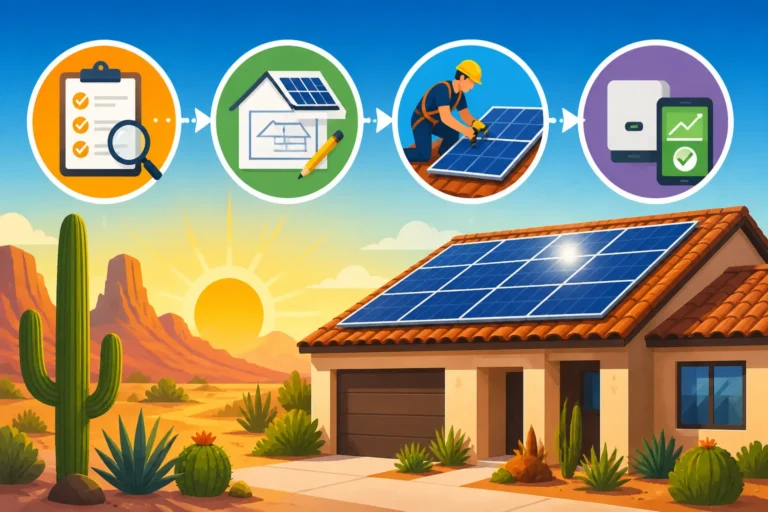
This is arguably the most crucial step in determining your roof's suitability. A professional solar installer will conduct a detailed site assessment, usually at no cost to you. This isn't just a quick glance; it's a comprehensive evaluation that includes several key components. First, they'll inspect your roof's physical condition, looking for signs of wear, damage, or areas that might need repair or reinforcement. They'll assess the roofing material, its age, and its estimated remaining lifespan. They'll also measure the roof's dimensions, pitch, and orientation using tools that can often create precise 3D models of your home.
Secondly, the site assessment will thoroughly analyze shading. Using sophisticated software and sometimes drones, installers can model the sun's path throughout the year and identify any potential obstructions from trees, chimneys, or neighboring buildings. This allows them to design a system that strategically places panels to avoid shade or to recommend technologies like microinverters if shade is unavoidable. This level of detail helps prevent disappointment after installation, ensuring your system performs as expected. Many homeowners use services like Modernize to get connected with several local installers who can provide these in-depth, professional assessments and competitive quotes.
Understanding Your Energy Needs
While not directly about your roof material, understanding your household's energy consumption is vital because it dictates how many solar panels you'll need, and consequently, how much roof space they'll occupy. There’s no point in figuring out you have the "perfect" asphalt shingle roof if it’s too small to offset your massive electricity usage. Installers will typically ask for your past 12-24 months of electricity bills. This data allows them to analyze your average daily and seasonal energy consumption patterns.
With this information, they can then design a system that aims to offset a certain percentage of your usage, often targeting 100% offset if feasible. For instance, a home in Phoenix, Arizona, with high air conditioning usage will likely need a larger system than a similar-sized home in Seattle, Washington, with lower cooling needs. If your roof can't accommodate enough panels to meet your goals, the installer can discuss alternatives, such as supplementing with a smaller system, exploring Solar Battery Incentives in 2026 to maximize self-consumption, or considering a Community Solar: How It Works & Who Qualifies program if available in your area. This holistic approach ensures that the solar solution not only fits your roof but also your lifestyle and budget. You'll also learn "How Many Solar Panels Do I Need for My Home?" through this process.
Maximizing Solar Potential on Less-Than-Ideal Roofs
What if your roof isn't the textbook definition of "solar-ready"? Don't despair! Many homeowners face similar situations, and there are often creative solutions and alternative paths to embracing solar energy. The industry has evolved considerably, offering options beyond the conventional perfect south-facing array.
Creative Panel Placement and System Design
Even if your roof has multiple angles, dormers, or some shading, a skilled solar designer can often develop a system that maximizes your energy production. This might involve placing panels on different roof facets (east, west, and south), using smaller arrays on multiple sections, or incorporating technologies like microinverters to optimize performance panel by panel. For example, in a home in Portland, Oregon, with a large west-facing roof and a smaller south-facing section, the designer might prioritize the west array to capture strong afternoon sun, knowing that local utility rates might be higher during those hours.
Sometimes, the solution isn't about fitting a giant system on one part of the roof, but rather about strategically placing smaller groups of panels across different areas to catch sunlight throughout the day. This distributed approach can still lead to substantial savings, especially when paired with smart home energy management systems. It's about optimizing what you do have, rather than dwelling on what you don't. This is where getting multiple quotes from different installers, possibly through platforms like Modernize, becomes invaluable, as each designer might approach your unique roof layout with a slightly different, equally effective, strategy. You might be surprised at the innovative designs they come up with! For more information, check out Solar Panel Installation on Different Roof Types.
Ground-Mount Options and Community Solar Alternatives
If your roof is truly unsuitable – perhaps it's too old, too shaded, too small, or too complex – that doesn't mean your solar dreams are dead. Ground-mount solar systems are an excellent alternative for properties with available land. These systems involve installing panels on a racking structure directly on your property, often in a sunny, open area. Ground-mounts offer incredible flexibility in terms of orientation and tilt, allowing for optimal sun capture regardless of your roof's characteristics. They can also be easier to maintain and clean. While they do require space and might have slightly different permitting requirements, they completely bypass all roof-related concerns. You can explore the pros and cons in depth with a guide like Ground-Mount vs Roof-Mount Solar.
Another fantastic option for those with challenging roofs, or even renters and condo owners, is community solar. Community solar programs allow multiple individuals to subscribe to a shared solar farm, often located off-site. You receive credits on your electricity bill for the power generated by your share of the solar farm, effectively enjoying the benefits of solar without having to install panels on your own property. This is a growing trend, offering access to clean energy for those who were previously excluded due to unsuitable roofs, lack of ownership, or other logistical barriers. It's worth investigating if there are any Community Solar: How It Works & Who Qualifies programs available in your state or utility service area.
Comparing Roof Types for Solar Suitability
To help you visualize and compare, here's a quick overview of how different common roof types stack up for solar panel installations.
| Roof Material | Lifespan (Avg.) | Solar Suitability | Installation Complexity | Typical Cost Impact | Notes |
|---|---|---|---|---|---|
| Asphalt Shingle | 20-30 years | Excellent | Low | Low | Most common, easy to work with, standard mounting. Ensure 10-15+ years remaining life. |
| Standing Seam Metal | 40-70 years | Excellent | Very Low | Very Low | Non-penetrating clamps, highly durable, fast installation. Ideal choice. |
| Tile (Clay/Concrete) | 50-100 years | Good | Medium-High | Medium-High | Fragile, requires specialized hooks or standoffs, higher labor. Choose experienced installers. |
| Corrugated Metal | 30-50 years | Good | Low-Medium | Low-Medium | May require penetrations, but easy to seal. Durable and long-lasting. |
| Slate | 75-150 years | Fair | High | High | Extremely fragile, specialized labor and mounting. High risk of breakage, higher cost. |
| Wood Shake/Shingle | 20-40 years | Fair | Medium-High | Medium-High | Fire concerns in some areas, shorter lifespan, careful handling required. Consider ground mount. |
| Flat (Membrane/TPO) | 20-30 years | Good | Medium | Medium | Requires ballasted or tilted racking, structural assessment crucial, good for maintenance. |
Disclaimer
The information provided in this article is for general informational purposes only and does not constitute professional advice. While we strive to provide accurate and up-to-date content, solar energy solutions and incentives are highly dependent on individual circumstances, local regulations, and specific product availability. We strongly recommend consulting with certified solar professionals and relevant local authorities before making any decisions related to solar panel installation.