How Long Does Solar Installation Take in Ohio?
Thinking about going solar in Ohio, you're probably eager to know exactly when you'll start seeing those sweet savings on your electricity bill. The truth is, the journey from deciding to go solar to actually flipping the switch and producing your own power isn't an overnight process. Many homeowners get frustrated by the seemingly endless waiting periods, but understanding the typical timeline and what factors can speed things up or slow them down in the Buckeye State can help manage expectations. This guide will walk you through the entire solar installation timeline, specifically tailored for homeowners in Ohio, so you know exactly what to anticipate.
Understanding the Overall Solar Installation Timeline in Ohio
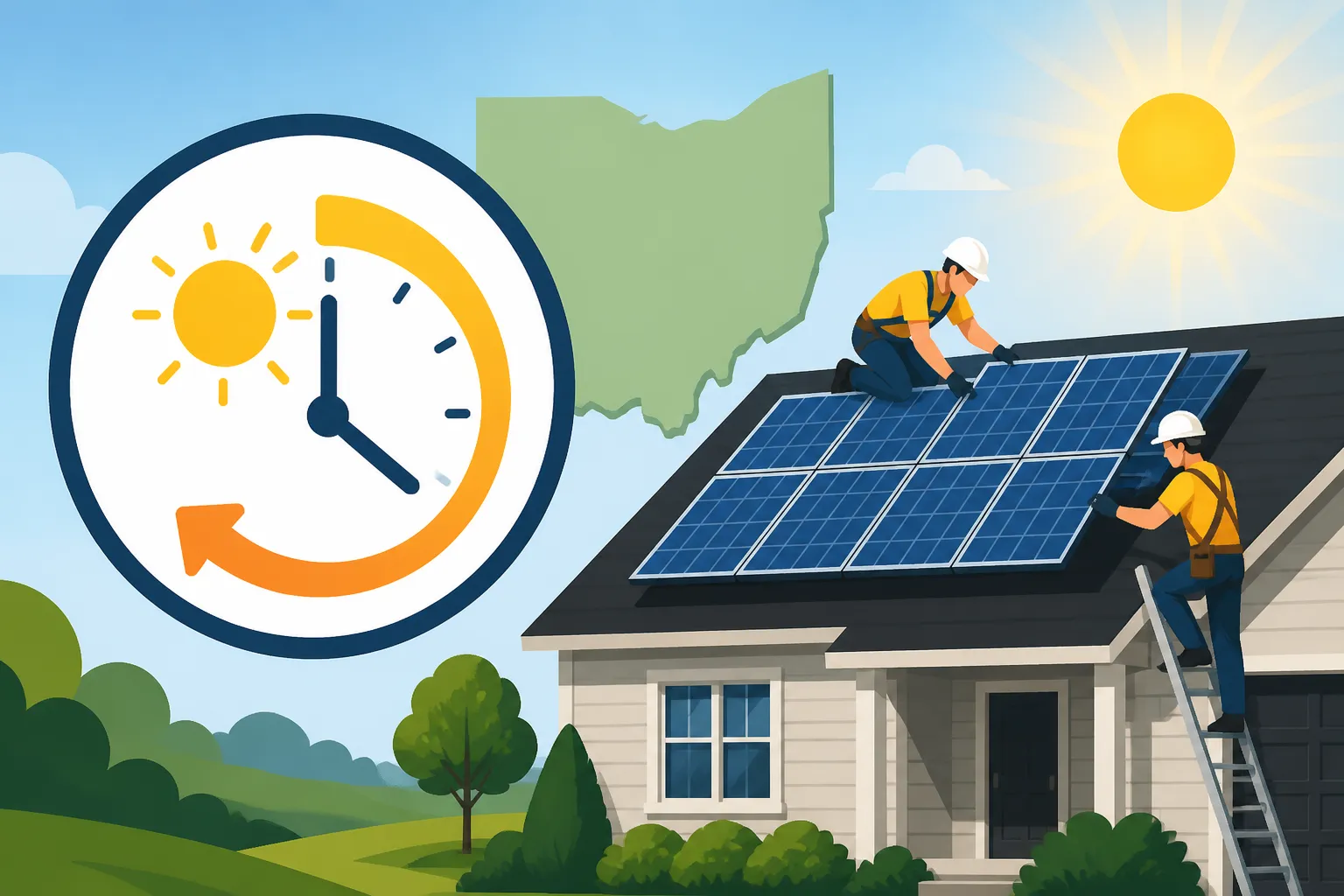
When you ask "how long does solar installation take in Ohio?", most people think about the physical installation of panels on the roof. While that part is surprisingly quick, it's just one piece of a much larger puzzle. The entire solar journey, from your initial inquiry to your system being fully operational and generating power, typically spans anywhere from 2 to 4 months in Ohio. In some cases, especially with more complex systems or during peak demand, it could stretch to 5 or even 6 months.
This wider timeframe includes everything from the moment you first reach out to a solar company to the crucial "Permission to Operate" (PTO) from your local utility. Ohio doesn't have a statewide mandate for net metering or streamlined permitting, which means timelines can vary significantly from one city or county to another. What might fly through in a smaller, rural community could face weeks of bureaucratic hurdles in a larger metropolitan area like Columbus, Cleveland, or Cincinnati. Don't let this discourage you; it just means being prepared and choosing the right solar partner are key. For a broader overview of what to expect, you might find our guide on the Solar Installation Timeline: What to Expect very helpful.
Initial Consultation to Contract Signing
The very first step is usually a virtual or in-person consultation with a solar installer. During this phase, you'll discuss your energy needs, current electricity bills, and the potential for solar on your property. The installer will typically perform a site assessment, often using satellite imagery or even drones, to evaluate your roof's suitability, shading, and optimal panel placement. They'll then design a custom system for you and provide a detailed quote.
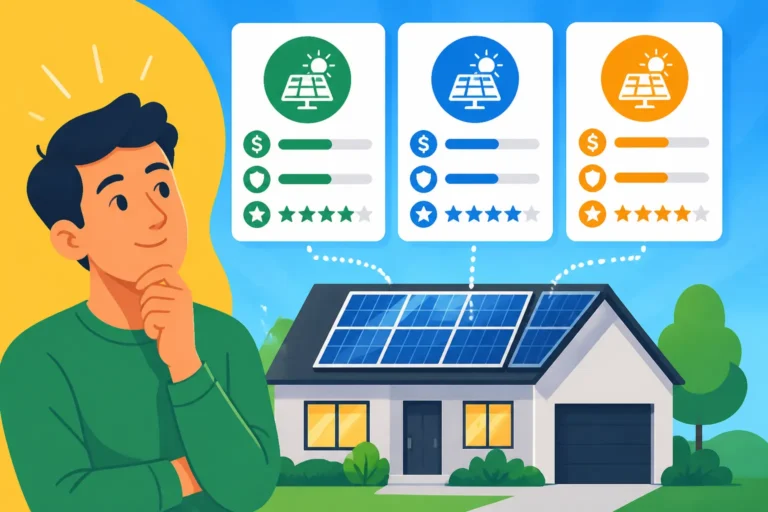
This stage can take anywhere from a few days to a couple of weeks, depending on how quickly you gather information, compare options, and make a decision. It's smart to get multiple quotes and ask plenty of questions about the proposed system, warranties, and estimated savings. A good installer will walk you through all the numbers and ensure you understand the investment. Many homeowners use a service like Modernize to connect with pre-vetted local installers and streamline this initial comparison process, saving valuable time and ensuring competitive pricing.
Permitting and Design Approval Phase
Ah, the permitting phase. This is often where things slow down the most, and it's largely out of your direct control, though a proactive installer can certainly help. Once you've signed a contract, your solar provider will finalize the engineering designs for your specific system. These designs must then be submitted to your local municipality (city or county) for a building permit.
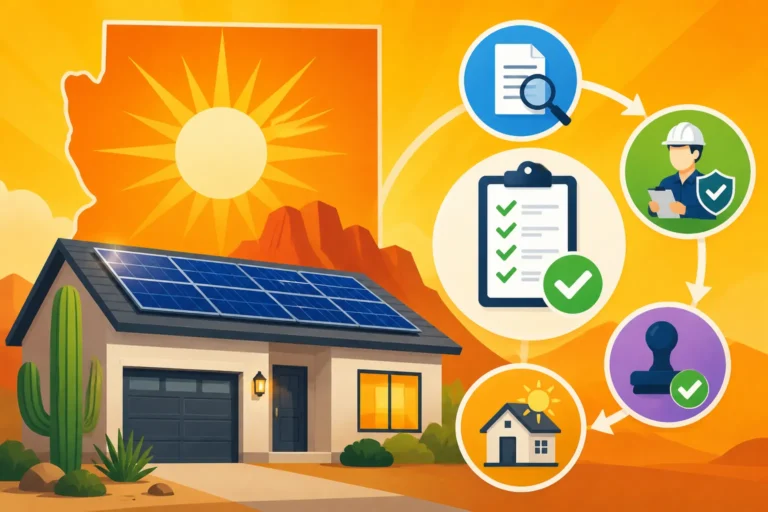
In Ohio, the permitting process isn't uniform. Some smaller towns might turn around a permit in a couple of weeks, while larger cities with more stringent regulations and heavier workloads could take a month or even two. For instance, getting a solar permit in Shaker Heights might have different requirements and processing times than in a less dense area like Fairfield or Huber Heights. Your installer should be familiar with the local permitting offices and their specific requirements. For a deep dive into the bureaucratic steps, check out our article on Solar Permitting & Interconnection (PTO) Explained. This stage can typically last from 4 to 8 weeks, but don't be surprised if it takes longer in some cases. Patience is definitely a virtue here!
Key Factors Influencing Ohio Solar Installation Duration
The overall timeline for getting your solar panels up and running in Ohio is influenced by a variety of factors, some within your control and others entirely dependent on external bodies like local governments and utility companies. Understanding these can help you anticipate potential delays and choose an installer who is adept at navigating them.
Local Permitting Office Efficiency
As mentioned, the efficiency of your local permitting office is a major factor. Larger cities like Cleveland, Cincinnati, and Columbus often have more established processes but also higher volumes of applications, which can lead to longer wait times. Smaller towns or rural counties might have less experience with solar permits, leading to longer review times as officials ensure compliance with local codes. Each municipality has its own specific set of requirements, forms, and fees.
For example, a project in Toledo might encounter different review times and checklists compared to one in Dayton. Some offices are entirely digital, allowing for faster submissions and reviews, while others still rely on paper submissions, which inherently slows things down. A knowledgeable installer will understand these nuances and prepare all documentation meticulously to avoid rejections and subsequent delays. They should also communicate regularly with the permitting office on your behalf, nudging the process along where possible.
Utility Interconnection Process
Once your system is physically installed and inspected, it's not yet live. It needs to be officially connected to the grid and given "Permission to Operate" (PTO) by your utility company. In Ohio, you're likely dealing with utility providers like AEP Ohio, Duke Energy Ohio, or Dayton Power & Light. Each utility has its own specific procedures and timelines for reviewing your installed system, ensuring it meets their safety and technical standards, and then granting PTO.
This stage often involves an inspection by the utility itself, or at least a review of the municipal inspection report. This can take anywhere from 2 to 6 weeks after the physical installation and local inspections are complete. During this period, your system is installed but not active. It's a critical waiting game, as you cannot generate electricity or take advantage of benefits like Net Metering Explained: How It Works by State until PTO is granted. Some utilities are faster than others, and having a good relationship with your installer who can navigate these processes is invaluable.
Supply Chain and Equipment Availability
In today's global economy, the availability of solar panels, inverters, and batteries can directly impact your installation timeline. While most reputable installers keep a good stock of popular components, unexpected surges in demand or disruptions in the supply chain (like those seen in recent years) can cause delays. If you're opting for a specific brand of high-efficiency panels, such as Maxeon (formerly SunPower) or REC, or a popular battery storage solution like a Tesla Powerwall or Enphase IQ Battery, lead times might be longer.
Your installer should provide realistic estimates for equipment delivery. If a specific component is back-ordered, they should proactively offer alternatives or keep you updated on its arrival. This factor is largely outside of your control, but choosing an installer with strong supplier relationships and diverse product offerings can mitigate some risks. Always ask about the availability of the specific components in your quote to avoid surprises. You might want to explore our article on the Best Solar Panels of 2026 to learn more about different brands and their availability.
Step-by-Step Breakdown of the Ohio Solar Journey
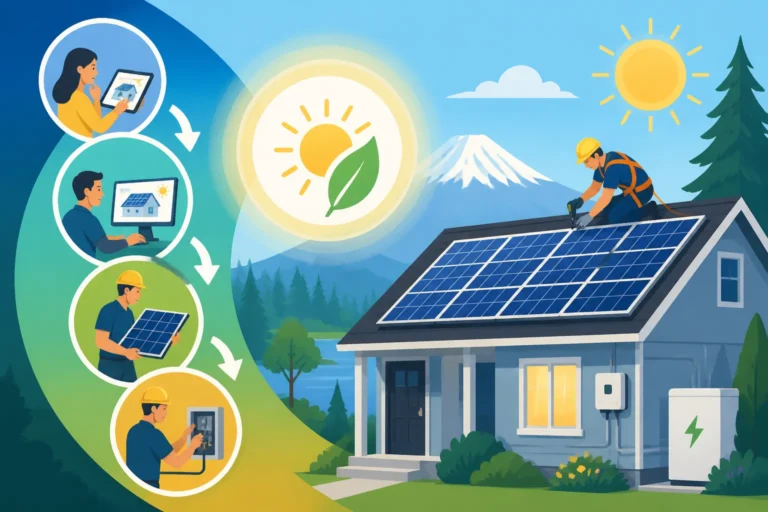
Let's break down the solar installation process into its typical stages, giving you a clearer picture of what happens when and how long each step might take, especially for Ohio homeowners.
1. Initial Assessment and System Design
This is where your solar journey truly begins. After your initial contact, a solar consultant will assess your home's energy consumption patterns, typically reviewing your last 12 months of electricity bills. They'll conduct a comprehensive site evaluation to determine factors like your roof's age and condition (you might need a Roof Replacement Cost Before Solar assessment), sun exposure, shading from trees or neighboring buildings, and available space.
Based on this data, an engineer will design a custom solar energy system tailored to your household's specific needs. This design will include the number and type of solar panels, the inverter system (string inverters, microinverters, or power optimizers), and potentially battery storage. This phase culminates in a detailed proposal, outlining the system's specifications, estimated production, financial savings, and overall cost. This initial design and consultation phase typically takes about 1 to 2 weeks.
2. Contract Signing and Financing Approval
Once you're satisfied with the design and proposal, you'll sign a contract with your chosen solar installer. This document legally binds both parties and outlines the scope of work, payment schedule, warranties, and projected timeline. If you're financing your system, this is also when you'll finalize your loan agreement. Many homeowners opt for solar loans, which have their own approval process.
Your installer should help you navigate financing options, including understanding potential Solar Loans: Complete Guide and any dealer fees involved. This step is crucial, as it locks in your project. Depending on how quickly you secure financing and review the contract, this phase can take anywhere from a few days to 2 weeks. It's important to read all terms carefully, especially regarding cancellation policies and change orders.
3. Permitting Applications and Engineering Review
With the contract signed, your installer will prepare and submit all necessary paperwork for permits. This includes detailed engineering plans, electrical schematics, and structural analyses to your local building department in Ohio. As we discussed earlier, this is a highly variable stage, contingent on your specific municipality.
For instance, if you live in a historic district in Marietta or Sandusky, there might be additional architectural review boards that need to approve the visual impact of the panels. In Cincinnati, the Department of Buildings may have a backlog. Your installer should proactively communicate with these departments, address any questions, and respond to requests for additional information promptly. This permit application and review process typically ranges from 4 to 8 weeks. While your system can't be installed without these approvals, your installer can often begin ordering equipment during this time to prevent further delays.
4. Equipment Procurement and Delivery
Once permits are in motion, your installer will secure all the necessary components for your system. This includes the solar panels themselves, inverters, racking systems, wiring, and any optional additions like a solar battery. The timing here largely depends on supply chain efficiency and whether your chosen components are readily available.
Most installers aim to have all equipment on-site just before the physical installation date. Sometimes, certain items might arrive in stages. For a standard residential system, this procurement and delivery phase usually takes about 2 to 4 weeks. Experienced installers often have warehouses or established supply chains within Ohio or nearby states to minimize transportation times and costs.
5. Physical Installation
This is the most visible and often the quickest part of the entire process! Once all permits are approved and equipment is on-site, the installation crew will arrive to mount the racking system, install the solar panels, connect the electrical wiring, and set up your inverters and any battery storage.
For a typical residential solar system (e.g., 6-10 kW), the physical installation usually takes only 1 to 3 days. Larger or more complex systems, those requiring extensive electrical upgrades, or installations on challenging roof types (like slate or tile, which can be more delicate) might take a bit longer. The crew will work efficiently, prioritizing safety and quality. During this time, you might experience a temporary power outage for a few hours while the system is connected to your home's electrical panel.
6. Post-Installation Inspections and Utility Interconnection
After the physical installation is complete, your system isn't yet live. It needs to pass a final inspection by your local municipality's building department to ensure it complies with all codes and safety standards. This inspection typically happens within a week or two of installation.
Once the municipal inspection is passed, your installer will submit the necessary documentation to your utility company (e.g., AEP Ohio, Duke Energy Ohio) to request interconnection and PTO. The utility will then review the paperwork and sometimes conduct their own final inspection or meter swap. This is the moment you're waiting for: once the utility grants PTO, you can finally switch on your system and start generating your own clean energy! This final phase, including municipal inspection and utility PTO, generally takes an additional 2 to 6 weeks.
Here’s a summary of the typical timeline:
| Stage | Estimated Timeline in Ohio | Key Activities |
|---|---|---|
| Initial Assessment & Design | 1-2 Weeks | Energy audit, site survey, system design, proposal generation |
| Contract & Financing | 0.5-2 Weeks | Reviewing contract, signing, loan approval, deposit |
| Permitting & Engineering | 4-8 Weeks | Detailed system plans, local municipality review, building permit approval |
| Equipment Procurement & Delivery | 2-4 Weeks | Ordering panels, inverters, racking; delivery to warehouse or site |
| Physical Installation | 1-3 Days | Mounting racking, installing panels, electrical wiring, inverter setup |
| Inspections & Utility Interconnect | 2-6 Weeks | Municipal final inspection, utility review, meter swap, Permission To Operate (PTO) |
| Total Project Timeline | 8-22 Weeks (2-5 Months) | Note: This is an average; specific circumstances can cause variations. |
Tips for a Smoother and Faster Solar Installation in Ohio
While some parts of the solar installation timeline are outside your control, there are definitely steps you can take to help keep things moving along and ensure a positive experience.
Choose a Reputable and Experienced Ohio Installer
This is arguably the most critical decision you'll make. A seasoned solar installer in Ohio will have a deep understanding of local permitting requirements, established relationships with utility companies like FirstEnergy and DP&L, and efficient processes in place. They’ll know what specific forms are needed in Cincinnati versus Cleveland and can navigate potential pitfalls, saving you time and headaches. Look for installers with a strong track record, positive customer reviews, and clear communication.
Don't be afraid to ask about their average project completion times, especially for homes in your specific county or city. Services like Modernize can be particularly helpful here, as they connect you with pre-vetted local installers, making it easier to compare quotes and choose a company with a solid reputation. A great installer will also be transparent about potential delays and keep you informed every step of the way, rather than leaving you in the dark.
Prepare Your Home Ahead of Time
Before the installation crew arrives, there are a few things you can do to ensure the process goes as smoothly as possible. The most common one is addressing any necessary roof repairs or replacements. If your roof is nearing the end of its lifespan, it's almost always better to replace it before solar installation, as removing and reinstalling panels later will incur additional costs. Our guide on Do I Need a New Roof Before Solar? covers this in detail.
Additionally, consider trimming any trees that might shade your roof. Even partial shading can significantly reduce your system's efficiency and impact your savings. Clear access to your electrical panel and the area where the inverter will be installed is also helpful. The less work the crew has to do before they can start the actual solar work, the faster they can complete the job.
Maintain Clear Communication with Your Installer
Open and consistent communication with your solar provider is crucial. Don't hesitate to ask questions about the process, permit status, or equipment delivery. A good installer will assign you a project manager who is your primary point of contact and who can provide regular updates.
Be responsive to any requests for information or signatures from your installer. Delays often occur when homeowners are slow to provide necessary documents or approve change orders. By staying engaged and communicative, you become an active partner in the process, helping to ensure that your solar installation in Ohio moves forward efficiently from initial design to that final, exciting moment of Permission to Operate (PTO).
Disclaimer
The information provided in this article is intended for general guidance and informational purposes only. Solar installation timelines and processes can vary significantly based on individual circumstances, local regulations, utility company policies, and market conditions. It is always recommended to consult with qualified solar professionals and local authorities for specific advice regarding your solar project.