Solar Installation Process in Washington
Thinking about going solar in Washington State can feel like navigating a Puget Sound ferry in a fog – there are a lot of steps, and it's not always clear which direction to go first. From soggy weather worries to understanding local utility rules to simply finding a reliable contractor, it's easy to feel overwhelmed. This guide is here to demystify the solar installation process in Washington, breaking down each critical step so you can confidently bring clean, renewable energy to your home.
Getting Started: Initial Considerations for Washington Homeowners
Before you even think about panels on your roof, there are some essential groundwork steps that are particularly important for homeowners in Washington State. Our climate, local regulations, and utility landscapes mean a bit of upfront homework can save you a lot of headaches later on.
Understanding Your Energy Needs and Sunlight Exposure
The first logical step is to understand how much electricity your home actually uses. Don't just guess; look at your past 12 months of utility bills. This will give you a clear picture of your average monthly kilowatt-hour (kWh) consumption. Why is this so crucial? Because this number will dictate the size of the solar system you need. If you undersize it, you won't save as much money; if you oversize it too much, you might pay for panels you don't truly need, especially with how net metering works.
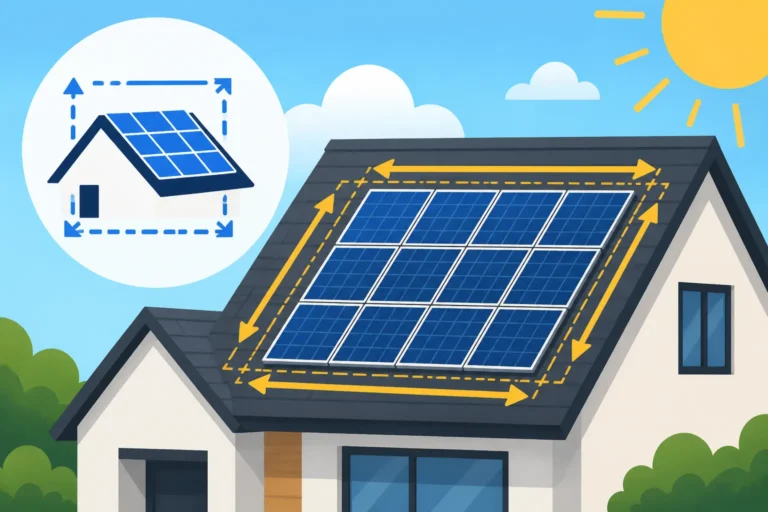
Next, we need to talk about sunlight. Yes, even in Washington! While we're famous for our grey skies, modern solar panels are surprisingly efficient at capturing diffuse light, not just direct sun. However, your roof's orientation (south-facing is generally best, but east and west can work too), pitch, and any shading from trees or nearby buildings will significantly impact your system's performance. A good installer will perform a detailed site assessment, often using satellite imagery and specialized software like Aurora Solar, to model your specific sunlight exposure and expected energy production. They'll consider factors like how often your roof sees direct sun and how much of that is blocked by that evergreen in your backyard during different times of the year. This assessment is key to determining how many solar panels you need for your home.
Researching Local Installers and Getting Quotes
Finding the right solar installer is paramount, especially in a competitive market like Washington's. You're not just buying equipment; you're entering into a long-term relationship with a company that will design, install, and potentially maintain your system for decades. Look for installers with a strong local presence, good reviews, and proper licensing. Organizations like the Washington Utilities and Transportation Commission (WUTC) regulate utilities, and while they don't license solar installers directly, checking a company's business registration and contractor license with the Washington State Department of Labor & Industries (L&I) is a must.
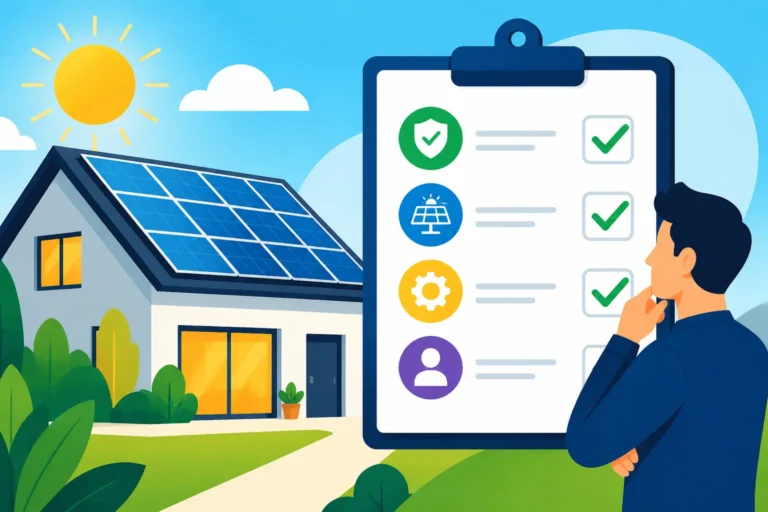
Don't settle for the first quote you receive. I always recommend getting at least three different proposals. This helps you compare not just prices, but also the proposed equipment (panel brands, inverter types), warranty details, and estimated energy production. Websites like Modernize can be a fantastic resource for connecting with pre-vetted local solar installers who understand Washington's unique requirements and can provide competitive bids tailored to your specific situation. When comparing, ask specific questions about their experience with various roof types (especially if you have cedar shakes or a flat roof), their financing options, and their process for obtaining permits and utility interconnection. It's not just about the upfront solar panel cost per watt explained; it's about the full package and long-term support.
Navigating Permits, Approvals, and Utility Interconnection
Once you've chosen an installer and finalized your system design, the next phase involves navigating the bureaucratic waters of local permits and utility approvals. This can often be the longest part of the entire process, but your chosen installer should handle most of it for you.
Securing Local Building Permits
Every solar installation in Washington State, whether you're in Seattle, Spokane, or a smaller town, requires a building permit from your local city or county planning department. These permits ensure that your solar system design and installation comply with local safety codes, structural requirements, and zoning ordinances. The exact requirements can vary significantly from one municipality to another. For instance, King County might have different rules than Pierce County or Snohomish County. Your installer will prepare detailed blueprints and structural analyses, submitting them to the relevant authorities. This phase involves a back-and-forth, where the city or county might request revisions or additional information.
It's a critical step that ensures your system is not only safe but also up to code, which is important for your home's insurance and potential resale value down the line. While your installer manages the paperwork, understanding the solar permit process explained gives you peace of mind and allows you to track progress. Be prepared for this part to take anywhere from a few weeks to a couple of months, depending on the efficiency of your local permitting office.
Utility Interconnection and Net Metering Applications
After securing your building permit, your installer will then submit an interconnection application to your local utility company. In Washington, this could be Puget Sound Energy (PSE), Seattle City Light, Tacoma Public Utilities, Snohomish PUD, or one of many smaller co-ops or municipal utilities. This application is crucial because it formally requests permission to connect your new solar system to the electrical grid. Each utility has its own specific set of requirements, forms, and timelines for this process.
A key part of the interconnection agreement is establishing net metering. Washington is generally a strong net metering state, which means you get credit for any excess electricity your solar panels produce and send back to the grid. This credit then offsets what you pull from the grid when your panels aren't producing enough, like at night or on very cloudy days. Understanding Net Metering Explained: How It Works by State is crucial for maximizing your savings. Utilities will install a special net meter that tracks both the electricity you consume from the grid and the electricity you export to it. The rules for net metering can change, so your installer should be up-to-date on the latest policies from your specific utility provider. Once your utility approves the interconnection, they'll issue a "Permission to Operate" (PTO), which is your green light to flip the switch and start generating your own power.
The Installation Process and Post-Installation Phase
With all the paperwork approved, the exciting part begins: the physical installation of your solar energy system. This is typically the fastest part of the entire journey.
Panel and Inverter Installation
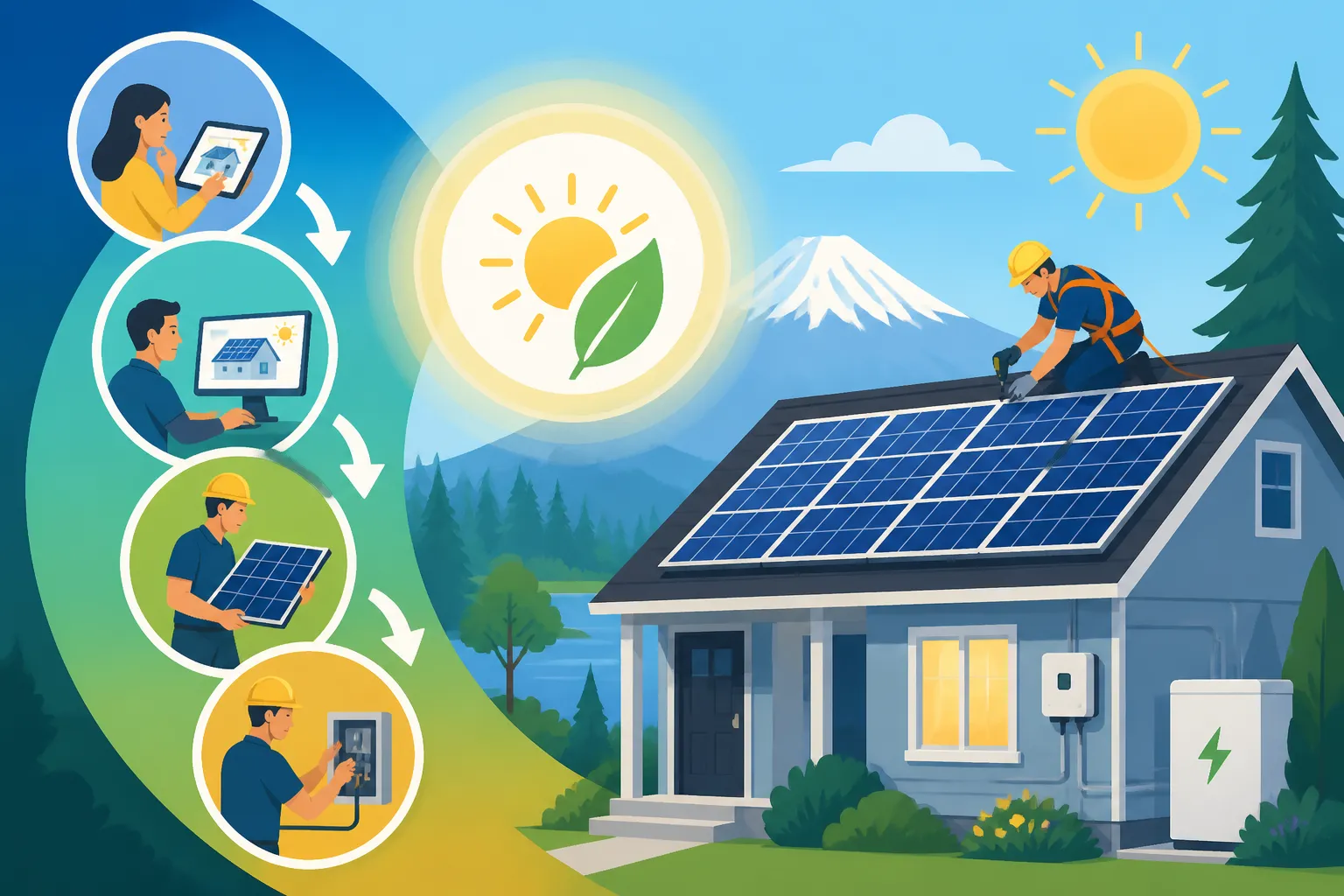
The actual installation usually takes just a few days, depending on the size and complexity of your system. A crew will arrive, often led by a certified electrician, to safely and efficiently mount the racking system to your roof. They'll ensure the mounts are properly sealed to prevent leaks, which is a common concern in a rainy state like Washington. Next, they'll carefully place and secure the solar panels onto the racking. These panels will be wired together, and then connected to your inverter system.
You'll typically have either a central string inverter or individual microinverters installed under each panel. Microinverters, like those from Enphase, are increasingly popular in Washington because they optimize production from each panel independently, which can be beneficial on roofs with partial shading throughout the day or if different sections of your roof face varying directions. They can help maximize your system's output even on those classic Washington grey days. All wiring is meticulously run through conduits, often hidden as much as possible, to connect to your home's main electrical panel. A site survey for solar conducted early in the process helps confirm the best placement and path for all components.
Inspections and Permission to Operate (PTO)
After the physical installation is complete, the system will undergo a series of inspections. First, your local building department will conduct a final electrical and structural inspection to ensure everything was installed according to the approved permits and local codes. They'll check wiring, safety components like rapid shutdown, and the integrity of the roof mounts. Passing this inspection is a huge milestone.
Once the municipal inspection is passed, your installer will notify your utility company. The utility will then perform their own final inspection, primarily to confirm that the system meets their interconnection standards and that the net meter is properly installed and functioning. Only after the utility issues Permission to Operate (PTO) can you officially energize your solar system. Flipping that switch for the first time is a truly satisfying moment, marking the culmination of the entire solar installation timeline: what to expect. It's at this point that your home truly becomes a solar-powered haven.
Long-Term Benefits and Incentives in Washington State
Going solar in Washington isn't just about saving money (though that's a huge perk!); it's about contributing to a cleaner environment and gaining energy independence. And happily, there are still a few incentives to help make it even more attractive.
Key Financial Incentives and Savings
While Washington State doesn't offer a state-level solar tax credit, there are still significant financial benefits to consider. The most impactful is the federal solar tax credit, often called the Investment Tax Credit (ITC), which currently provides a substantial percentage of your total system cost back as a credit on your federal income taxes. This credit is a major driver of solar adoption across the country, including in Washington. Beyond that, Washington offers a state sales tax exemption for solar equipment, which can save you a pretty penny on the upfront cost. It means you won't pay state sales tax on the panels, inverters, and other essential components of your system. For those interested in how state-level incentives stack up, diving into Solar Sales Tax Exemptions by State can provide more detail.
Beyond these incentives, the core financial benefit comes from reducing or even eliminating your monthly electricity bill from utilities like Puget Sound Energy or Seattle City Light. With net metering, you'll effectively buy less power from them, or even get credits for what you send back. Over the 25-30 year lifespan of a solar system, these savings can be quite substantial. For many homeowners, the solar panel payback period explained shows that the system pays for itself long before it needs significant maintenance or replacement.
Property Value and Environmental Impact
Installing solar panels can also significantly increase your home's value. Studies consistently show that homes with solar energy systems sell for more and often faster than comparable homes without solar. This added value is generally tax-exempt in Washington, meaning your property taxes won't immediately jump just because you added solar panels. You can read more about this in our guide on Solar Property Tax Exemptions by State. This makes solar a smart long-term investment, not just for your wallet but for your asset as well. Many homeowners also find that solar panels help insulate their homes from rising electricity rates.
Beyond the financial and property benefits, there's the undeniable environmental impact. By generating your own clean electricity, you're reducing your carbon footprint and supporting Washington's renewable energy goals. This commitment to sustainability is important to many homeowners, and going solar is a tangible way to make a difference. Plus, with a robust warranty on your equipment and installation, your investment is protected for years to come. If you ever wondered, "Are solar panels worth it in 2026?", the answer is often a resounding yes, especially when all these factors are considered. For those in Washington, working with experienced professionals who understand the nuances of the local market, like those found through Modernize, ensures a smooth transition to solar power.
| Step | Description | Estimated Timeline | Key Parties Involved |
|---|---|---|---|
| Initial Consultation & Site Survey | Discuss energy needs, assess roof, design system, provide quote. | 1-3 weeks | Homeowner, Solar Installer |
| Contract & Financing | Sign agreement, finalize financing (cash, loan, lease/PPA). | 1-2 weeks | Homeowner, Solar Installer, Lender (if applicable) |
| Permitting & Interconnection Approval | Installer submits plans to local city/county for building permits and to utility for interconnection. | 4-12 weeks | Solar Installer, City/County Permit Office, Utility |
| Equipment Ordering & Delivery | Panels, inverters, racking, and other components are ordered. | 2-4 weeks | Solar Installer, Suppliers |
| System Installation | Physical installation of panels, inverters, wiring, and electrical components. | 1-3 days | Solar Installer Crew |
| Local Inspections | City/county inspector verifies compliance with building and electrical codes. | 1-2 weeks | City/County Inspector, Solar Installer |
| Utility Inspection & PTO | Utility verifies system meets their standards and grants "Permission to Operate." | 1-3 weeks | Utility Representative, Solar Installer |
| System Activation | Flip the switch! Your solar system begins producing electricity. | Day of PTO | Homeowner, Solar Installer |
Disclaimer
The information provided in this guide is for general informational purposes only and does not constitute professional advice. Solar incentives, regulations, and costs can change frequently. We highly recommend consulting with a qualified local solar professional and tax advisor to get the most accurate and up-to-date information for your specific situation in Washington State.