How Long Does Solar Installation Take in Colorado?
Waiting for solar panels to be installed can feel like an eternity, especially when you’re eager to start saving on electricity bills and embrace a greener lifestyle. The truth is, the solar installation process isn't a single day event; it involves several stages, and the timeline can vary quite a bit, particularly here in Colorado. This guide will walk you through what to expect, from initial consultation to flipping the switch, giving you a realistic understanding of how long your solar journey might take in the Centennial State.
Understanding the Overall Solar Installation Timeline in Colorado
While the actual "installation day" might only be a few days long, the entire process of getting solar panels on your roof and connected to the grid is much longer. From the moment you express interest to the day your system is fully operational, you're looking at a journey that typically spans several weeks to a few months. It's a complex dance involving consultations, designs, permits, actual construction, and final inspections.
Initial Consultation and Site Assessment
The very first step on your solar journey is usually an initial consultation with a solar provider. During this phase, a solar specialist will discuss your energy needs, analyze your past electricity bills, and generally assess your home's suitability for solar. They'll look at your roof's size, age, and orientation, and consider any potential shading issues from trees or other structures. This initial chat might happen virtually or in person, and it’s usually followed by a detailed site survey where technicians physically inspect your roof and electrical system.
This preliminary stage, from your first call to the completion of a thorough site assessment, can take anywhere from 1 to 3 weeks. During this time, the solar company is gathering all the necessary information to create a customized system design and an accurate quote. Don't rush this part; a comprehensive assessment ensures your system is perfectly tailored to your home and energy consumption. It’s also a great opportunity to ask important questions to your potential installer to ensure they’re the right fit for your needs.
Design and Permitting Process
This is often the longest and most variable phase in the entire solar installation timeline. Once your solar provider has gathered all the necessary data, their engineers will design a custom solar energy system for your home, including panel placement, inverter selection, and electrical schematics. This design then needs to be submitted to your local municipality (city or county) for various permits, which can include electrical, building, and even sometimes zoning permits.
Permitting times in Colorado can fluctuate wildly depending on where you live. Larger, more populated areas like Denver or Boulder might have more streamlined processes, but they also often deal with a higher volume of applications, which can lead to backlogs. Smaller towns or rural counties might have less frequent review cycles. On average, you can expect the design and permitting phase to take anywhere from 4 to 12 weeks, or even longer in some cases. This is where many homeowners experience frustration, as this part of the process is largely out of their control and depends on the efficiency of local government offices. You can learn more about the complexities of this stage by looking into Solar Permitting & Interconnection (PTO) Explained.
Physical Installation On-Site
Ah, the moment you've been waiting for! Once all the permits are approved and the equipment has arrived, the actual physical installation of the solar panels on your roof begins. This is typically the quickest part of the entire process, though it can still take a few days, depending on the size and complexity of your system.
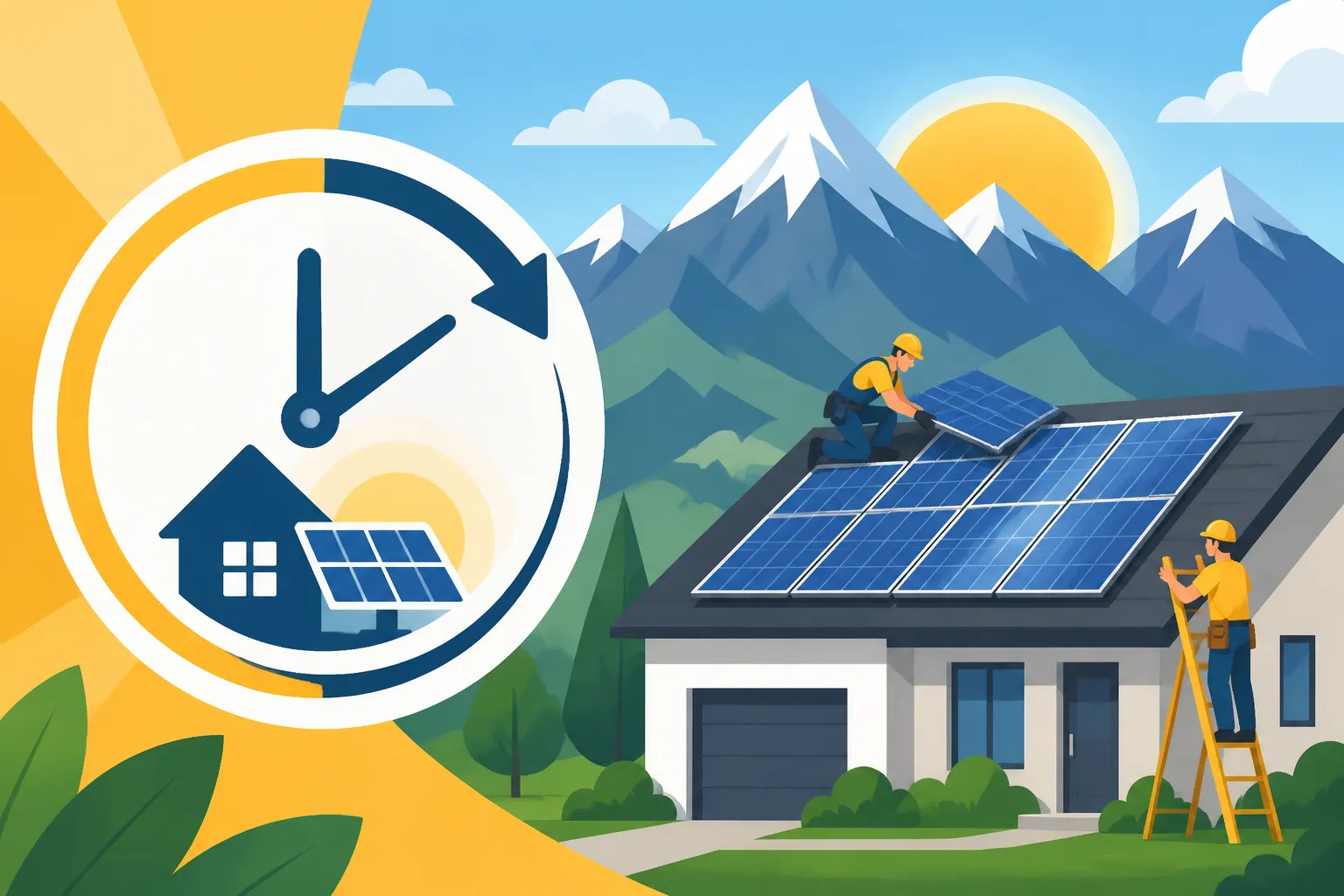
For an average residential solar system in Colorado, the on-site installation usually takes 1 to 3 days. This involves mounting the racking system to your roof, securing the solar panels, running electrical conduits, installing inverters (whether they're string inverters or microinverters), and connecting everything to your home's main electrical panel. While the crew is working, it's best to keep a safe distance and let the professionals do their job. They’re usually quite efficient, and it’s exciting to watch your home transform. If you're curious about what this involves, our guide on How Are Solar Panels Installed? Step by Step provides a great overview.
Inspection and Permission to Operate (PTO)
Even after your panels are physically on the roof, you're not quite done. Before you can officially flip the switch and start generating your own electricity, your system needs to pass a final inspection from your local building department. This inspection ensures that the installation meets all local codes and safety standards.
After passing the local inspection, your utility company (like Xcel Energy or Black Hills Energy, depending on your location) needs to give its "Permission to Operate" (PTO). This usually involves them coming out to install or reconfigure your net meter, which tracks how much electricity your solar panels produce and how much you consume from the grid. The inspection and PTO process can add another 2 to 4 weeks to your timeline. It’s a final hurdle, but once you get that PTO, you're officially a solar-powered homeowner! This stage is crucial for understanding how your Net Metering Explained: How It Works by State will function.
Factors Influencing Solar Installation Duration in Colorado
As we've touched upon, the timeline isn't fixed. Several elements can significantly impact how long your solar installation takes in Colorado. Understanding these can help you manage your expectations and even potentially speed things up.
Local Permitting Office Efficiency
This is arguably the biggest wildcard in the entire process. Each city and county in Colorado has its own building department and its own set of rules and review times for solar permits. What might take two weeks in one jurisdiction could easily take two months in another.
For example, a homeowner in Fort Collins might find their permits approved relatively quickly due to a well-oiled process and possibly dedicated solar review staff. On the other hand, someone in a smaller, more rural county like Kit Carson might experience longer wait times simply because the permitting office has fewer resources or fewer staff members dedicated to reviewing complex solar applications. Some areas have even implemented online portals for permit applications, which can accelerate the submission process, but the review time still depends on human resources. This is why working with a local installer who is familiar with the specific permitting quirks of your area is incredibly beneficial. They often have established relationships and know exactly what each local office requires, reducing potential back-and-forth delays.
Weather Conditions and Seasonal Challenges
Colorado's stunning seasons are a double-edged sword when it comes to solar installation. While our abundant sunshine is fantastic for solar production, the weather itself can pose challenges that impact timelines.
Winter in Colorado, with its heavy snowfalls and freezing temperatures, can obviously delay roof work. Installers often prioritize safety, and working on a snow-covered or icy roof is dangerous and impractical. Similarly, spring and summer bring hail storms and intense afternoon thunderstorms, which can also halt work. Even high winds, common across the plains and mountain foothills, can make panel installation risky. While installers plan for weather delays, a particularly harsh winter or a stormy spring can push out project completion dates by several weeks. Most homeowners prefer to get their installations done during the milder months, but this can also mean a backlog of projects for installers.
System Complexity and Roof Type
Not all solar installations are created equal, and the specifics of your home can greatly affect the time required. A simple system on an easily accessible, south-facing asphalt shingle roof will almost always be quicker to install than a large, complex system on a multi-faceted tile roof with multiple dormers or significant shading.
Consider a large home in Cherry Creek, Denver, that needs a 12 kW system to offset its high energy usage, requiring many panels and perhaps multiple inverters. This will naturally take longer than a smaller 6 kW system on a bungalow in Arvada. If your roof has an unusual pitch, requires significant electrical upgrades, or needs extensive tree trimming to mitigate shading, these factors will add to the design and installation time. Some roof types, like tile or slate, require specialized installation techniques to prevent damage, which can also extend the timeline. It’s worth checking out Roof Considerations for Solar Panels to understand how your roof plays a role.
Installer Workload and Responsiveness
The efficiency and current workload of your chosen solar installer also play a crucial role. Highly reputable installers with strong demand might have longer lead times before they can even begin your project. Conversely, an installer with too much immediate availability might be a red flag, indicating less experience or lower demand.
A good installer will communicate clearly about their anticipated schedule and stick to it as much as possible. However, if an installer is overbooked or experiences unexpected delays on other projects, it can push back your start date. Responsiveness is key throughout the process. An installer who promptly submits permits, orders equipment, and schedules inspections can significantly keep things moving. This is where using a service like Modernize can be incredibly helpful. They connect you with vetted installers, allowing you to compare quotes and customer service records to find a company that matches your expectations for timeliness and quality. Taking the time to compare How to Choose a Solar Installer carefully can save you headaches down the line.
Navigating the Colorado Solar Permitting Landscape
Understanding the local nuances of permitting is vital. Colorado, with its diverse municipalities, means that solar permitting isn't a one-size-fits-all situation.
Denver Metro Area Permitting
The Denver metro area, including cities like Denver, Aurora, Lakewood, Thornton, and Westminster, typically has well-established permitting departments that handle a high volume of construction and solar projects. While the sheer number of applications can sometimes lead to backlogs, many of these cities have moved towards electronic submission systems and standardized review processes.
For instance, the City and County of Denver's permitting department has specific guidelines for solar photovoltaic installations, often requiring detailed structural plans and electrical diagrams. They strive for efficiency, but it's not uncommon for a permit to take 4-8 weeks for review and approval, especially if there are any initial discrepancies in the application. Aurora and Lakewood, similarly large municipalities, follow comparable processes, emphasizing safety and compliance with building codes. It’s critical that your chosen installer is intimately familiar with these local requirements to avoid unnecessary delays caused by incomplete or incorrect submissions.
Front Range Cities Permitting
Moving north to cities like Boulder and Fort Collins, or south to Colorado Springs, you'll find permitting processes that also vary. Boulder, known for its progressive stance on renewable energy, often has a clear and relatively efficient solar permitting process. They understand the value of solar and have invested in streamlining approvals, often providing resources and guidelines online.
Fort Collins, another leader in sustainability, also tends to have a robust and well-defined permitting system for solar. However, their building department, like any other, can still experience seasonal peaks in applications. Colorado Springs, as a large and rapidly growing city, also manages a significant volume of permits. While the general requirements are similar across these cities, the exact forms, submission methods, and typical review durations can differ. A local installer will have the best insight into current wait times and any specific documentation unique to these Front Range communities.
Rural Colorado Permitting
In the less densely populated areas of Colorado, the permitting process can sometimes be a bit different. Rural counties might have smaller building departments with fewer staff members, meaning solar applications might not be reviewed as frequently as in larger cities. This can, in some cases, lead to longer wait times, simply because there's less dedicated personnel or a less specialized review process for solar.
For example, a home in Grand County or outside of Pueblo might interact with a county building department that handles all types of construction permits, from sheds to solar, rather than having a specialized solar division. This isn't necessarily a bad thing, but it often means that review cycles are slower or less predictable. Communication with the permitting office and your installer becomes even more critical in these areas to ensure smooth progress. Always confirm with your installer that they have experience with the specific permitting requirements of your more rural location.
Tips for a Smoother Solar Journey in Colorado
While many aspects of the solar installation timeline are outside your direct control, there are definitely things you, as a homeowner, can do to help ensure the process goes as smoothly and quickly as possible.
Being Prepared for Paperwork
Paperwork is an unavoidable part of any home improvement project, and solar is no exception. To prevent delays, be ready to provide your solar installer with necessary documents promptly. This usually includes recent electricity bills (typically 12 months' worth to show your energy consumption history), your property's address and possibly parcel number, and sometimes even a copy of your home's survey or existing electrical panel information.
Having these documents readily available when you first engage with an installer can significantly speed up the initial design and proposal phase. If there's a delay in getting your past bills, for example, the installer can't accurately size your system or calculate your potential savings. Many installers now use online portals for document sharing, making it easier to securely submit what's needed. The more proactive you are, the faster your project can move forward.
Clear Communication with Your Installer
One of the most powerful tools you have is clear, consistent communication with your chosen solar installer. Don't be afraid to ask questions, request updates, and understand each step of the process. A good installer will appreciate your engagement and provide regular updates on permitting status, equipment delivery, and scheduling.
Make sure you know who your main point of contact is at the solar company. Establishing a good rapport can ensure that any issues or questions are addressed quickly, preventing small delays from snowballing into major setbacks. If you're using a platform like Modernize to find installers, leverage their tools to help facilitate this communication. Don't assume silence means progress; a quick check-in can often reveal if there's a minor hiccup that needs your attention. This proactive approach can make a world of difference. You might find our article on What Questions to Ask a Solar Installer helpful for preparing.
Understanding Local Regulations
While your installer will handle the bulk of the regulatory navigation, having a basic understanding of your local rules can empower you and help you spot potential issues. For instance, knowing if your city has specific homeowner association (HOA) regulations regarding solar panels, or if there are particular aesthetic requirements, can prevent surprises.
Researching your local municipality's website for building and permitting information related to solar PV (photovoltaic) can give you a heads-up. Some areas, especially historic districts or communities with strict architectural guidelines, might have additional steps or requirements that could add time to the process. By being informed, you can anticipate these challenges and discuss them with your installer early on. This shared understanding fosters a more collaborative approach and helps move your project along.
| Installation Stage | Typical Duration (Colorado) | Potential Delay Factors | Your Role in Speeding Up |
|---|---|---|---|
| Initial Consultation & Site Survey | 1-3 Weeks | Installer availability, home access | Provide accurate info, quick scheduling |
| System Design & Engineering | 1-2 Weeks | Design complexity, revisions | Clear communication of needs, prompt feedback |
| Permitting Approval | 4-12+ Weeks | Local office backlog, application errors, weather | Timely document submission, follow-up (via installer) |
| Equipment Procurement & Delivery | 2-6 Weeks | Supply chain issues, specific panel availability | N/A (installer managed) |
| Physical On-Site Installation | 1-3 Days | Weather, crew availability, system complexity | Clear access to home/roof, minimal distractions |
| Local Inspection & Utility PTO | 2-4 Weeks | Inspector availability, utility workload, minor corrections | Ensure site readiness, prompt response to requests |
| Total Estimated Timeline | 2-6 Months |
This table provides a generalized outlook, and remember that individual experiences can vary. However, it gives a good framework for what to expect when planning your solar journey in Colorado. Looking into Solar Installation Timeline: What to Expect can give you an even broader national perspective on these stages.
Final Thoughts on Your Colorado Solar Timeline
Getting solar panels installed in Colorado is a fantastic investment for your home and the environment, but it's not an overnight process. While the actual physical installation might be relatively quick, the planning, permitting, and approval stages can easily extend the total timeline to several months. From the initial interest in Solar Panel Cost by State to the final Permission to Operate (PTO), patience and clear communication with your installer are your best friends.
By understanding the various phases and the factors that can influence their duration, especially the unique aspects of Colorado's weather and diverse municipal permitting requirements, you can set realistic expectations. Choosing a reputable, local installer who is well-versed in Colorado's specific regulations will also greatly contribute to a smoother, more efficient process. With a bit of planning and preparation, you'll be enjoying clean, homegrown solar power sooner than you think, making your Solar Panel Payback Period Explained a reality.
Disclaimer
The information provided in this article is for general informational purposes only and does not constitute professional advice. Solar installation timelines and specific regulations can vary significantly based on location, utility company, local permitting office, and individual project details. Always consult with a qualified solar professional and your local authorities for the most accurate and up-to-date information pertaining to your specific situation.