SRECs Explained: Selling Solar Renewable Energy Credits
Okay, let's talk about Solar Renewable Energy Credits, or SRECs. If you've just installed solar panels or are thinking about it, you've probably heard this term thrown around, and honestly, it can feel like a whole new language. It's confusing trying to figure out how these credits work, who buys them, and, most importantly, how you can actually turn them into cash. Don't worry, you're not alone in feeling a bit overwhelmed. This comprehensive guide is here to demystify SRECs and walk you through everything you need to know about generating and selling them.
What Exactly Are SRECs and Why Do They Matter?
When you install solar panels on your home, you're not just generating electricity for your own use; you're also contributing to your state's renewable energy goals. This is where SRECs come into play. Think of an SREC as a digital certificate that represents the environmental benefits of one megawatt-hour (MWh) of electricity generated by your solar system. It's a way for states to incentivize solar adoption and help meet their Renewable Portfolio Standards (RPS).
Deciphering the SREC Concept
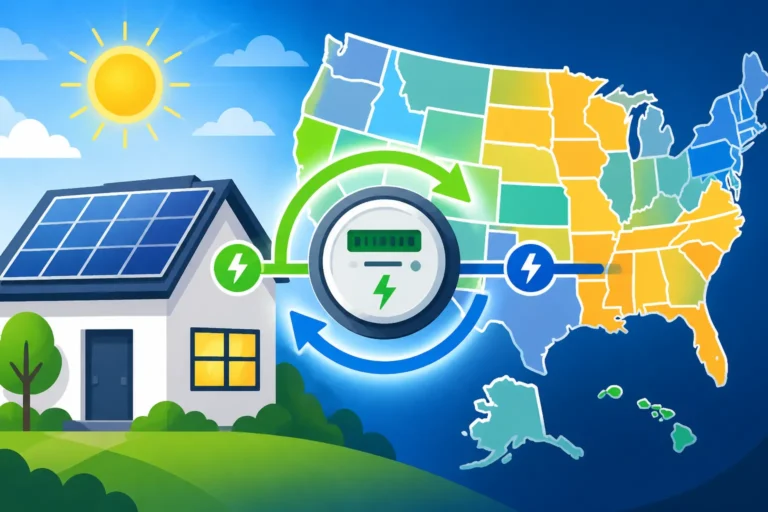
An SREC is distinct from the electricity your panels produce. You use the electricity to power your home and potentially send excess back to the grid for Net Metering Explained: How It Works by State. The SREC, however, is a separate commodity. It's about the "green" attribute of that electricity. Essentially, when your solar panels generate 1,000 kilowatt-hours (kWh) of clean electricity, an SREC is created. These SRECs are then bought and sold in a specific market, much like stocks or commodities, allowing utility companies or other electricity suppliers to demonstrate compliance with state mandates to source a certain percentage of their electricity from renewable sources. Without SRECs, tracking this compliance would be incredibly difficult, and the incentive for utilities to support renewable energy would diminish significantly. This dual-stream revenue—electricity savings and SREC income—is a crucial part of the financial benefit of going solar in many regions.
The Environmental and Economic Dual Benefit
The beauty of SRECs lies in their dual benefit. Environmentally, they drive the demand for renewable energy, pushing states and utilities to invest more in solar. Economically, they provide an additional income stream for solar homeowners, significantly reducing the Solar Panel Payback Period Explained and making solar more financially attractive. This extra financial incentive can often be the deciding factor for many homeowners who are weighing the upfront How Much Do Solar Panels Cost? 2026 Guide against long-term savings. For instance, in states with strong SREC markets like New Jersey or Massachusetts, the value derived from SRECs can represent a substantial portion of your total solar savings over the lifetime of your system. It's not just about lowering your electricity bill anymore; it's about actively participating in and profiting from the clean energy economy.
How SRECs Are Generated and How Many You Can Expect
Understanding how SRECs are generated is key to grasping their value. It's a direct reflection of your solar system's performance and the amount of clean energy it contributes to the grid.
The Role of Your Solar System in SREC Creation
The process starts the moment your solar panels begin generating electricity. Most states require your solar system to be interconnected with the grid and have a special meter or monitoring system that tracks your total solar production in kilowatt-hours (kWh). Once your system hits 1,000 kWh, one SREC is officially minted. This reporting typically happens through an online platform managed by a state agency or a third-party SREC administrator. For example, in states like Maryland, the Maryland Public Service Commission oversees the SREC program, while in Illinois, the Illinois Shines program has specific reporting requirements. Your installer or SREC aggregator will usually help you with the initial registration and setup to ensure your system is properly enrolled and eligible to generate these valuable credits.
Factors Influencing SREC Production
The number of SRECs your system generates is directly tied to its output. Several factors play a significant role here:
- System Size: Larger solar panel systems naturally produce more electricity, and thus more SRECs. A typical residential system might range from 5 kW to 10 kW, with a 10 kW system producing roughly 12,000-15,000 kWh per year in a sunny region, translating to 12-15 SRECs annually.
- Sunlight Availability: Your geographic location and the amount of sun your home receives are critical. States with more sunshine, like Arizona or California, will see higher production per kW of installed solar than, say, states in the Pacific Northwest.
- Panel Efficiency and Quality: High-efficiency panels, like those from Maxeon (SunPower) or REC, convert more sunlight into electricity, leading to higher SREC generation for the same footprint.
- System Orientation and Shading: Panels facing south (in the Northern Hemisphere) with an optimal tilt will produce the most power. Any shading from trees, chimneys, or neighboring buildings can significantly reduce output.
- Weather Conditions: While sunshine is paramount, extreme heat can slightly reduce panel efficiency, while mild, sunny days are ideal. Snow cover can temporarily halt production until cleared.
It's important to have a realistic estimate of your system's expected SREC production. Your solar installer should provide you with an annual production estimate in kWh, which you can easily divide by 1,000 to get your expected SRECs.
The SREC Market: Understanding Supply, Demand, and Pricing
The SREC market isn't a fixed-price system. It's a dynamic marketplace where prices fluctuate based on fundamental economic principles: supply and demand. This means the value of your SRECs can change over time, sometimes quite dramatically.
State-Specific SREC Programs and Requirements
Not all states have SREC markets, and those that do have vastly different programs. The existence and strength of an SREC market are driven by state-level Renewable Portfolio Standards (RPS), which mandate that a certain percentage of electricity sold in the state must come from renewable sources. Some states, like New Jersey, Massachusetts, Illinois, and Maryland, have established mature SREC markets, while others rely on different incentive structures.
For example, New Jersey SREC-II / SuSI Program Guide has a strong history of SRECs, transitioning from the original SREC program to the SREC-II and now the SuSI (Successor Solar Incentive) program, which still provides a performance-based incentive. Massachusetts, through its Massachusetts SMART Program Explained, uses a different but related compensation mechanism. Each program defines eligibility, how SRECs are generated and tracked, and the duration for which systems can earn credits. It's crucial to understand the specific rules of your state's program, as these details directly impact your SREC income.
How SREC Prices Fluctuate
SREC prices are a direct reflection of supply and demand within a given state's market.
- Supply: The supply of SRECs is determined by the amount of solar energy generated in that state. If many new solar systems are installed, the supply of SRECs increases.
- Demand: The demand for SRECs comes from electricity suppliers and utilities who need them to meet their state's RPS mandates. If the RPS target increases, or if there's a shortfall in compliance, demand for SRECs goes up.
When demand outstrips supply, prices tend to rise. Conversely, if there's an oversupply of SRECs relative to the mandated targets, prices will fall. This volatility is a key characteristic of SREC markets. For instance, in some historical periods, SREC prices in states like Pennsylvania have plummeted due to an oversupply, while others, like Washington D.C., have seen consistently high prices due to strong demand and limited supply. Market analysts and SREC brokers closely monitor these dynamics, providing insights into potential price trends. It's a complex system, but understanding these basic principles helps homeowners anticipate the potential value of their SRECs.
Navigating the Selling Process: Your Options for Monetizing SRECs
Once your solar system is up and running and generating those valuable SRECs, the next step is to sell them. You have a few different avenues, each with its own pros and cons, depending on how hands-on you want to be and your tolerance for market fluctuations.
Direct Sale to a Broker or Aggregator
This is often the most straightforward and least burdensome option for homeowners. SREC brokers or aggregators specialize in buying SRECs from individual system owners and then bundling them to sell to larger entities, like utilities, who need them for compliance. Companies like SRECTrade or Sol Systems are common examples of such aggregators.
The process typically involves:
- Registration: You register your solar system with the SREC administrator in your state (which your installer or aggregator can assist with).
- Contracting: You sign a contract with an SREC aggregator. These contracts can be for a fixed term (e.g., 5 or 10 years) or allow for spot market sales.
- Payment: The aggregator handles the monitoring, reporting, and selling of your SRECs, and then pays you directly. They take a small commission for their services, but they alleviate all the administrative hassle.
The main advantage here is convenience and a reduced risk of managing market volatility yourself, especially with long-term contracts. The downside is that you might receive a slightly lower price per SREC than if you sold them directly on the open market, as the aggregator's fee is built into the pricing. However, for many homeowners, the peace of mind and simplicity make this option highly appealing.
Managing Your Own SREC Sales
If you're comfortable with market dynamics and have the time to dedicate to it, you can opt to manage your own SREC sales. This involves:
- Direct Registration: Ensuring your system is properly registered with the state SREC program.
- Market Participation: Setting up an account on an SREC trading platform.
- Selling: Actively listing your SRECs for sale and negotiating prices with potential buyers (usually utilities or their agents).
The primary benefit of this approach is potentially maximizing your income by avoiding aggregator fees. You have full control over when you sell and at what price. However, the drawbacks are significant. It requires a deep understanding of the SREC market, constant monitoring of prices, and navigating the administrative complexities of reporting and transactions. It also means you bear the full risk of market volatility. If prices are low when you need to sell, you might be out of luck. This option is generally recommended for those with a strong financial background or a keen interest in commodity trading. Most residential solar owners find the hassle outweighs the potential gain.
Long-Term Contracts vs. Spot Market Sales
When selling your SRECs, you'll typically encounter two main types of arrangements:
- Long-Term Contracts (Fixed-Price Contracts): These agreements lock in a specific price for your SRECs over a set period, often 3, 5, or 10 years. You receive predictable payments, regardless of market fluctuations. The advantage is stability and peace of mind. You know exactly what income you'll get. The disadvantage is that if SREC prices rise significantly during your contract term, you won't benefit from those higher prices. Conversely, if prices crash, you'll be glad you locked in a stable rate.
- Spot Market Sales: This involves selling your SRECs at the current market price whenever they are generated (e.g., quarterly or annually). This option allows you to capitalize on periods of high SREC prices. However, it also exposes you to the risk of low prices. If the market is flooded with SRECs, or demand drops, the value you receive could be significantly less.
The choice between these two strategies depends on your individual risk tolerance and financial goals. Many homeowners prefer the stability of a long-term contract, even if it means potentially leaving some money on the table during market highs, because it provides a reliable income stream that helps with the Solar Panel Payback Period Explained. Aggregators like SRECTrade often offer both options, allowing you to choose what's best for you.
Key States with Robust SREC Markets
While solar is growing nationwide, not all states offer the same SREC opportunities. Some states have intentionally designed strong SREC programs to accelerate solar adoption and meet ambitious renewable energy goals. Knowing which states have vibrant SREC markets is crucial if you're considering solar for your home.
Deep Dive into Prominent State Programs
Several states stand out for their robust SREC markets, offering significant financial incentives for homeowners.
- New Jersey: New Jersey has historically been a leader in solar incentives. Its SREC program, and now the New Jersey SREC-II / SuSI Program Guide, has been instrumental in making solar economically viable for residents. Under the current SuSI program, solar projects receive administratively set, fixed prices for SREC-like credits, which provides greater certainty than the previous market-based SREC system. The state uses an incentive value that declines over time for new installations, encouraging early adoption.
- Massachusetts: The Bay State's SMART (Solar Massachusetts Renewable Target) program replaced its SREC program in 2018. While not strictly "SRECs" in the traditional sense, SMART offers a long-term, fixed-price payment for the electricity generated by solar systems, effectively combining the energy and environmental attributes into a single, predictable payment. This offers stability for homeowners and supports solar development across different market segments. You can learn more about it in our Massachusetts SMART Program Explained article.
- Illinois: Illinois boasts a thriving SREC market through its Adjustable Block Program, also known as Illinois Shines & Solar for All. This program offers upfront payments for the expected SREC production over 15 years, significantly reducing the initial cost of solar for homeowners. The payment is calculated based on the system size and adjusted for various factors, making solar highly attractive in Illinois. The program also includes specific incentives for low-income households.
- Maryland: Maryland has a long-standing SREC market where credits are traded similarly to commodities. Electricity suppliers in Maryland are required to purchase a certain number of SRECs annually to meet their RPS. This creates consistent demand, though prices can fluctuate. Homeowners can sell their Maryland Solar Incentives & SREC Guide SRECs through aggregators or directly on platforms.
- Washington D.C.: Though not a state, Washington D.C. has one of the most valuable SREC markets in the country. This is primarily due to its aggressive RPS goals and limited land availability for large solar projects, leading to high demand and relatively low supply of SRECs. This can significantly boost the solar return on investment in Washington for homeowners in the district.
- Pennsylvania: Pennsylvania's SREC market has seen more volatility than some others. While it has an RPS, its broad eligibility for SRECs (including out-of-state generation in some cases) has sometimes led to oversupply, causing SREC prices to be lower and more unpredictable.
Each state's program has unique features, including the duration of eligibility for SRECs, the value of the credits, and the administrative process. It's vital to research the specific incentives available in your state to get an accurate picture of potential SREC income.
What to Look For in Emerging SREC Markets
While the states above have established programs, new SREC markets can emerge, or existing programs can change. When evaluating an emerging market or considering solar in a state without a mature SREC program, here's what to look for:
- Strong Renewable Portfolio Standards (RPS): The core driver of any SREC market is a state's commitment to renewable energy. Look for states with ambitious and increasing RPS targets. The higher the percentage of renewable energy required, the stronger the demand for SRECs.
- Carve-Outs for Solar: Some RPS mandates are technology-neutral, meaning utilities can meet them with any renewable source (wind, hydro, solar). A strong SREC market usually has a "solar carve-out" within the RPS, specifically requiring a portion of the renewable energy to come from solar. This direct demand for solar ensures SRECs have value.
- Program Durability and Stability: Is the program well-established, or is it new and potentially subject to legislative changes? Programs with a proven track record or strong legislative support offer more long-term certainty for homeowners.
- Supply-Demand Balance: An ideal market has a healthy balance. Too much supply can depress prices; too little supply can drive them to unsustainable highs, potentially leading to program revisions. Look for mechanisms that help manage this balance, like declining incentive values or caps on SREC generation.
Understanding these factors can help you gauge the potential longevity and profitability of SRECs in your region.
Maximizing Your SREC Value: Tips and Best Practices
Getting your SRECs is one thing; making sure you get the most out of them is another. There are strategies you can employ to ensure you're maximizing this valuable income stream.
Monitoring and Reporting Your Production
Accurate monitoring and timely reporting are paramount to ensure you receive all the SRECs you're entitled to.
- Reliable Monitoring System: Most modern solar systems come with an inverter that has integrated monitoring capabilities. This allows you to track your system's daily, weekly, and monthly production in real-time through an online portal or app provided by brands like Enphase or SolarEdge. It's crucial that this monitoring system is correctly installed and functioning.
- Regular Checks: Make it a habit to periodically check your system's production. Are the numbers aligning with your installer's estimates? A sudden drop in production could indicate a problem, like a shaded panel, a faulty inverter, or a dirty array, which needs to be addressed quickly to avoid lost SREC generation.
- Timely Reporting: While aggregators typically handle the submission of production data to the state's SREC administrator, if you're managing your own sales, you'll need to be diligent about reporting. Each state program has specific deadlines and methods for submitting production data (e.g., monthly, quarterly, or annually). Missing these deadlines could delay or even forfeit your SRECs. Ensure you understand the requirements for Permission to Operate (PTO) and ongoing reporting.
By staying on top of your system's performance and reporting, you ensure that every MWh of clean energy your system generates is properly credited and eligible for SREC creation.
Choosing the Right SREC Provider or Strategy
The entity you choose to sell your SRECs to, or the strategy you adopt, can significantly impact your overall returns.
- Compare Aggregators: Don't just go with the first aggregator your installer recommends. Shop around! Look at different providers like SRECTrade, Sol Systems, or others operating in your state. Compare their fees, contract terms (length, flexibility, cancellation clauses), and historical payout rates. Some might offer slightly higher prices but have longer lock-in periods, while others might provide more flexibility. Ask for testimonials or check online reviews.
- Understand Contract Options: As discussed earlier, decide whether a long-term fixed-price contract or spot market sales align better with your risk tolerance. If you're new to SRECs or prefer stability, a fixed-price contract is often the safer bet. If you're a seasoned investor and believe SREC prices in your state are poised for significant growth, the spot market might be more appealing, though riskier.
- Ask About Reporting and Customer Support: Confirm how the aggregator handles reporting to the state. Do they fully automate it? What kind of customer support do they offer if you have questions or issues with your system's production data? A responsive and reliable partner can make a big difference.
A well-informed decision about your SREC sales strategy can maximize your financial benefit from going solar.
Potential Challenges and Considerations
While SRECs offer a compelling financial incentive, it's also important to be aware of the potential challenges and considerations that come with participating in this market. It's not always smooth sailing, and understanding the risks involved will help you make more informed decisions.
Market Volatility and Risk
The most significant challenge with SRECs, especially in traditional market-based programs, is price volatility.
- Unpredictable Prices: As mentioned earlier, SREC prices are subject to the unpredictable forces of supply and demand. A sudden influx of new solar installations can flood the market with SRECs, driving prices down. Conversely, unexpected changes in state RPS targets or a slowdown in solar development could cause prices to spike. This unpredictability makes it hard to forecast your SREC income accurately over the long term. For example, the Pennsylvania SREC market has seen dramatic price swings over the years due to changes in supply and policy.
- Impact on Financial Projections: If your financial projections for solar savings heavily rely on a certain SREC value, significant price drops can undermine your expected Solar ROI & 25-Year Savings Breakdown. This is particularly true if you opt for spot market sales rather than a fixed-price contract.
- Policy Changes: SREC markets are creatures of state policy. Changes in legislative priorities, adjustments to RPS goals, or the introduction of new incentive programs (like Massachusetts' SMART program replacing SRECs) can drastically alter the landscape. While these changes are usually aimed at improving the market, they can create uncertainty and impact the value of existing SRECs.
Administrative Burden and Program Changes
Participating in SREC programs, even with an aggregator, comes with a degree of administrative overhead and the potential for program evolution.
- Registration and Compliance: Initially, getting your system registered with the state's SREC program can involve paperwork and specific technical requirements. While installers often assist with this, it's a step that needs to be correctly completed for your system to be eligible. Ongoing compliance, such as maintaining accurate production data and adhering to reporting schedules, is also crucial.
- Audits and Verification: State SREC administrators may conduct audits or request additional documentation to verify your system's production. This is usually a minor inconvenience but something to be aware of.
- Program Sunsetting or Transition: SREC programs are not designed to last forever in their original form. As states meet their renewable energy goals or market conditions evolve, programs may be phased out, revised, or replaced with new incentive structures. New Jersey's transition from SREC-I to SREC-II and then to the SuSI program is a prime example of this evolution. While these transitions often include provisions for existing systems, they can still introduce new rules or alter the value proposition. It's important to stay informed about potential State Solar Incentives: Complete 2026 Guide and policy changes in your state.
By understanding these potential challenges, homeowners can approach SRECs with realistic expectations and choose strategies that best mitigate their risks, whether that's opting for fixed-price contracts or carefully monitoring market developments.
| State | Program Type | Market Stability (Historically) | Key Characteristics |
|---|---|---|---|
| New Jersey | Performance-Based | Moderate (Transitioned) | SREC-II / SuSI program offers fixed incentive values, providing predictability after market-based SRECs were phased out. |
| Massachusetts | Fixed-Price (SMART) | High (Post-Transition) | SMART program offers long-term, fixed-price contracts for solar generation, replacing traditional SRECs. |
| Illinois | Upfront Payment | High (Stable) | Illinois Shines provides significant upfront payments for 15 years of SREC value, making solar highly attractive. |
| Maryland | Market-Based | Moderate | Traditional SREC market, prices fluctuate based on supply and demand; strong RPS drives demand. |
| Washington D.C. | Market-Based | High (High Value) | Very high SREC prices due to aggressive RPS and limited solar development space, leading to strong demand. |
| Pennsylvania | Market-Based | Low (Volatile) | SREC prices have seen significant fluctuations due to variable supply and policy interpretation. |
Disclaimer
The information provided in this guide is intended for general informational purposes only and does not constitute financial, legal, or professional advice. SREC markets and state incentive programs are complex and subject to change. While we strive to provide accurate and up-to-date information, readers should consult with qualified financial advisors, solar professionals, and relevant state authorities to verify specific program details, eligibility requirements, and market conditions applicable to their individual circumstances. Investing in solar energy involves financial decisions, and independent research and professional guidance are strongly recommended.