What Replaced the Solar Tax Credit in 2026?
You have likely spent the last few months hearing conflicting reports about the "death" of solar incentives, and now that we are firmly in 2026, the confusion is hitting a boiling point. Many homeowners feel abandoned by a shifting legislative landscape, wondering if they missed the boat on the original 30% federal credit. This guide clarifies exactly what has replaced the traditional solar tax credit and how you can still maximize your investment today.
The Evolution of Federal Support: From ITC to Tech-Neutral Credits
For over a decade, the Investment Tax Credit (ITC) was the bedrock of the American solar industry. It was simple: you buy solar panels, and the government gives you a 30% credit on your federal taxes. However, as we moved into 2025 and 2026, the federal government transitioned to what is known as "technology-neutral" credits. This means the government no longer cares specifically if you are installing solar, wind, or some other zero-emission tech; as long as the system produces clean electricity, it qualifies under the new Section 45Y and 48E rules.
If you are asking Solar Tax Credit 2026: What Happened to the Federal Credit, the answer is that it didn't exactly disappear—it evolved. The new system is designed to be more permanent but comes with more rigorous documentation. For the average homeowner in a place like Phoenix or Atlanta, this shift means you are no longer just a "solar user," but a "clean energy producer" in the eyes of the IRS. The transition was designed to ensure that even if solar technology changes radically, the incentive structure remains stable through the next decade.
The frustration many face is that these new credits require a deeper understanding of "domestic content" and "energy community" bonuses. For instance, if your solar panels were manufactured in a specific revitalized coal town in West Virginia or a decommissioned industrial zone in Ohio, you might actually be eligible for a higher percentage than the base credit. Navigating Federal Solar Incentives That Still Exist in 2026 requires looking beyond just the panels on your roof and looking at where those panels came from and where your home is located.
State-Level Incentives Taking the Lead
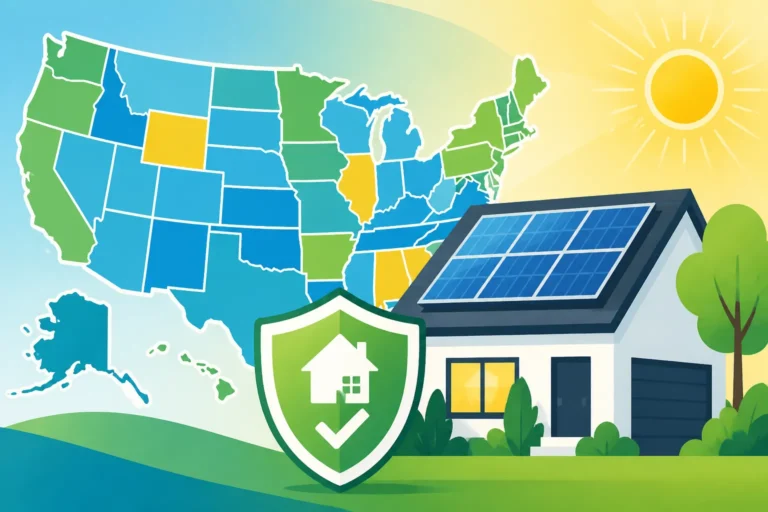
As the federal landscape became more complex, individual states stepped up to fill the gaps. The most significant savings often come from your local capital rather than Washington D.C. States have realized that to meet their climate goals, they cannot rely solely on federal tax breaks. This has led to a surge in state-specific tax credits, rebates, and performance-based incentives that often stack on top of federal benefits.
In the Northeast, for example, the Massachusetts SMART Program Explained provides a model for how homeowners are paid directly for the energy they produce, regardless of whether they use it themselves. Similarly, the New York NY-Sun & State Solar Tax Credit (25%) continues to be one of the most robust programs in the country, offering a direct state tax credit that often covers a quarter of the system cost right off the bat. These state programs are often "capped," meaning once the fund is used up for the year, it's gone, which adds a layer of urgency that the old federal credit didn't have.
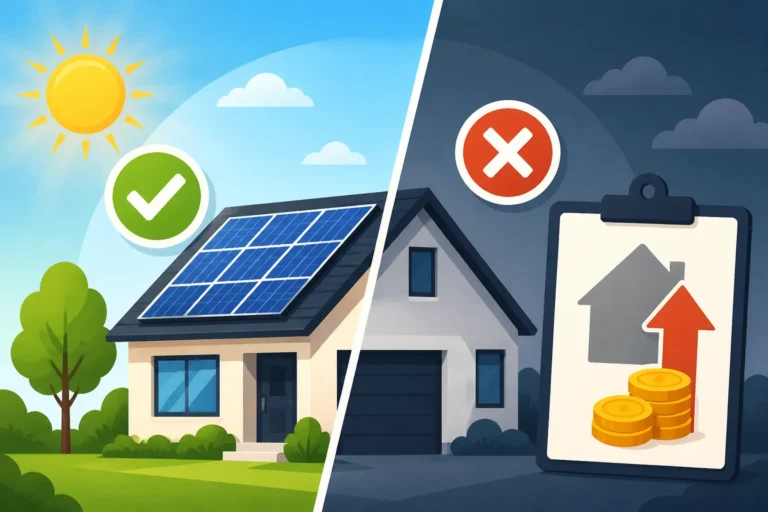
For those in the South or West, the focus has shifted toward protecting your investment through tax law. Many homeowners worry that adding a $30,000 solar array will cause their property taxes to skyrocket. To combat this, several states have passed Solar Property Tax Exemptions by State, ensuring that the added value of your clean energy system doesn't lead to a higher annual tax bill. When you combine these exemptions with Solar Sales Tax Exemptions by State, the "hidden" savings can often equal or exceed the old federal tax credit over the life of the system.
The Performance-Based Incentive Revolution
One of the biggest shifts is the move away from "upfront" credits toward "performance-based" incentives. In the past, you got your big check or tax break the year you installed. Now, utilities and state governments are more interested in how much energy you actually feed back into the grid during peak hours. This is where Performance-Based Incentives (PBI) Explained becomes a crucial concept for any homeowner to understand.
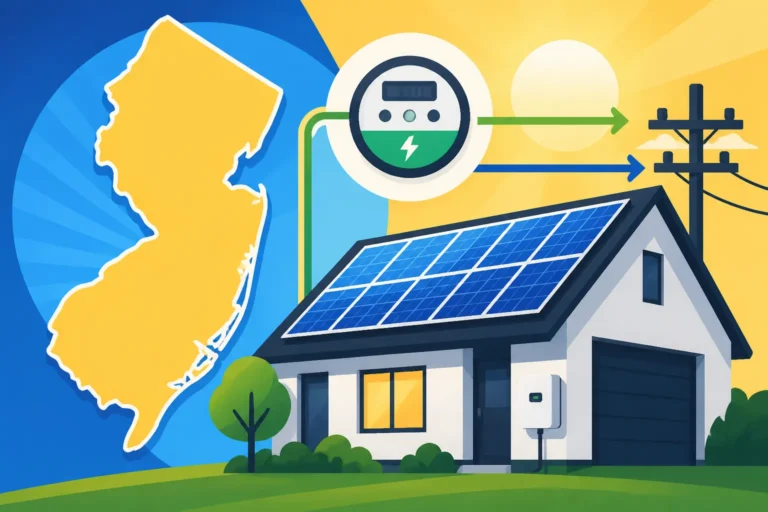
Instead of a one-time tax credit, you might receive a monthly or quarterly payment based on your kilowatt-hour production. This creates a long-term revenue stream rather than a short-term discount. In markets like New Jersey or Maryland, this is handled through the SREC (Solar Renewable Energy Credit) market. If you look at a Maryland SREC Market Guide, you will see that homeowners are essentially selling "green tags" to utilities who are legally required to buy them. This has turned solar into a literal paycheck for many families, helping to offset the initial Solar Panel Cost After the Tax Credit Expired.
This shift toward performance also means that the quality of your installation matters more than ever. If your system is poorly designed or shaded, you aren't just losing out on electricity; you are losing out on direct cash payments. It is a more realistic, market-driven approach that rewards homeowners for having efficient, high-performing systems. This is why SRECs Explained: Selling Solar Renewable Energy Credits has become a top-tier topic for anyone looking to replace the traditional tax credit "hole" in their budget.
| Incentive Type | How It Works | Best For |
|---|---|---|
| Tech-Neutral Federal Credit | 30% tax credit for zero-emission tech | Homeowners with high federal tax liability |
| State Tax Credits | Direct reduction in state income tax | Residents in NY, MA, SC, and HI |
| SRECs / PBIs | Monthly payments for energy produced | Residents in NJ, MD, IL, and OH |
| Utility Rebates | Upfront cash back from power company | Customers of specific co-ops or municipal utilities |
| Battery Bonuses | Extra incentives for adding storage | Homeowners in CA (SGIP) or high-outage areas |
Solar Batteries and the New Grid Service Model
Solar without a battery is increasingly becoming a rarity. This is because the "replacement" for the solar tax credit is often tied directly to your ability to store energy and discharge it when the grid is under stress. We have seen a massive influx of Solar Battery Incentives in 2026, as utilities realize it is cheaper to pay homeowners to use their batteries than it is to build a new multi-billion dollar power plant.
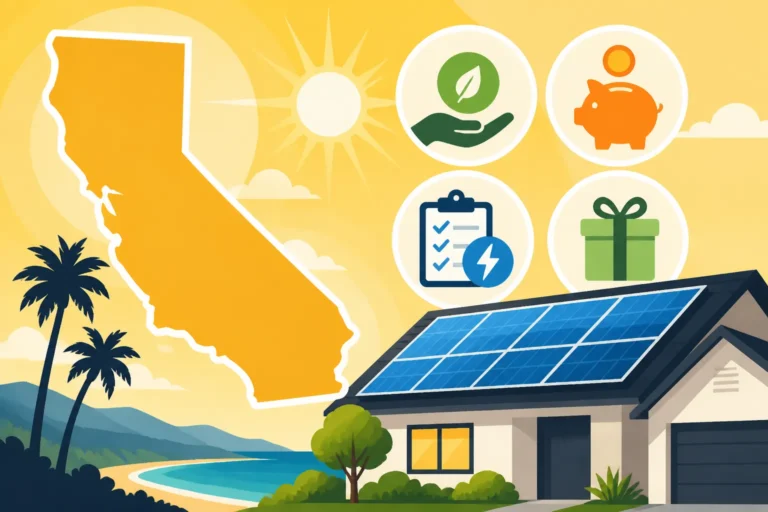
For example, California’s transition to "Net Billing" has made batteries essential. If you are researching How Does California Net Billing (NEM 3.0) Affect Savings, you will find that the state now offers significant "add-on" incentives for those who include a battery. These aren't just tax credits; they are often direct rebates that can knock thousands of dollars off the cost of a Tesla Powerwall or an Enphase IQ battery. The goal is to create a "Virtual Power Plant" where thousands of home batteries work together to stabilize the grid.
Furthermore, the federal government still recognizes the importance of storage. Even as the solar-specific language changed, the laws regarding storage became clearer. Are Solar Batteries Still Eligible for Incentives in 2026? The answer is a resounding yes. In fact, standalone batteries—those not even connected to solar—now qualify for federal credits, which was not the case in the early days of the ITC. This allows homeowners who may have installed solar years ago to come back and add storage while still reaping significant tax rewards.
Community Solar: The Alternative for Renters and Shaded Roofs
Not everyone has a perfect, south-facing roof or the ability to take on a massive tax credit. For these individuals, the "replacement" for the traditional solar model is Community Solar: How It Works & Who Qualifies. This has exploded as a way to democratize green energy. Instead of putting panels on your own roof, you "subscribe" to a large solar farm located elsewhere in your utility territory.
The incentive here is built directly into your monthly bill. You typically receive a guaranteed discount—often between 10% and 20%—on your electricity costs. There are no upfront costs, no installations, and no need to worry about Is Solar Worth It Without the Tax Credit because you aren't the one buying the equipment. The developers of these community solar projects are the ones who harvest the massive federal and state incentives, and they pass those savings on to you in the form of lower rates.
This model has become particularly popular in urban areas and for low-income households. Programs like Low-Income Solar Programs & Assistance often leverage community solar to ensure that the transition to clean energy doesn't leave anyone behind. If you are a renter in a city like Chicago or New York, community solar is essentially the "tax credit replacement" you’ve been looking for, providing immediate relief on utility bills without the complexity of an IRS filing.
Comparing the "Old" Way vs. the "2026" Way
It is helpful to look at how a typical solar investment has changed. In 2020, a homeowner might have paid $25,000 for a system and received a $7,500 tax credit. In 2026, that same homeowner might pay $22,000 (as equipment costs have dropped), receive a $6,600 federal tech-neutral credit, a $2,000 state rebate, and earn $500 per year in SREC payments.
When you look at the Solar Panel Payback Period Explained in this new light, the numbers often look better now than they did during the "golden age" of the ITC. The diversified nature of 2026 incentives means you aren't putting all your eggs in one basket. If your tax liability changes, you still have the SREC income. If federal laws shift again, your state property tax exemption remains locked in.
The reality of Is Solar a Good Investment in 2026 is that it has moved from being a subsidized luxury to a standard home utility. The incentives have shifted from "please buy this" to "thank you for helping us run the grid." It is a more mature market that rewards smart homeowners who take the time to understand their local programs. While the old 30% credit was a great "easy button," the current landscape of State Solar Incentives: Complete 2026 Guide offers a much more robust and sustainable way to go green.
Solar Incentives Disclaimer
This guide is for informational purposes only and does not constitute professional tax, legal, or financial advice. Solar incentive programs, including federal tax credits and state rebates, are subject to change based on legislative actions and available funding. You should always consult with a certified tax professional or a qualified solar consultant to confirm your eligibility for specific incentives in your area before making a purchase. Results and savings vary based on location, utility provider, and individual financial situations.