What Is the Illinois Solar Incentive in 2026?
If you have opened your ComEd or Ameren bill lately only to feel a sinking sensation in your stomach, you are certainly not alone. Between fluctuating supply rates and the general cost of living in the Prairie State, many Illinoisans are looking at their rooftops as a potential escape hatch. This guide breaks down exactly how the Illinois solar incentive landscape works in 2026 to help you slash those monthly costs.
The Power of the Illinois Shines Program
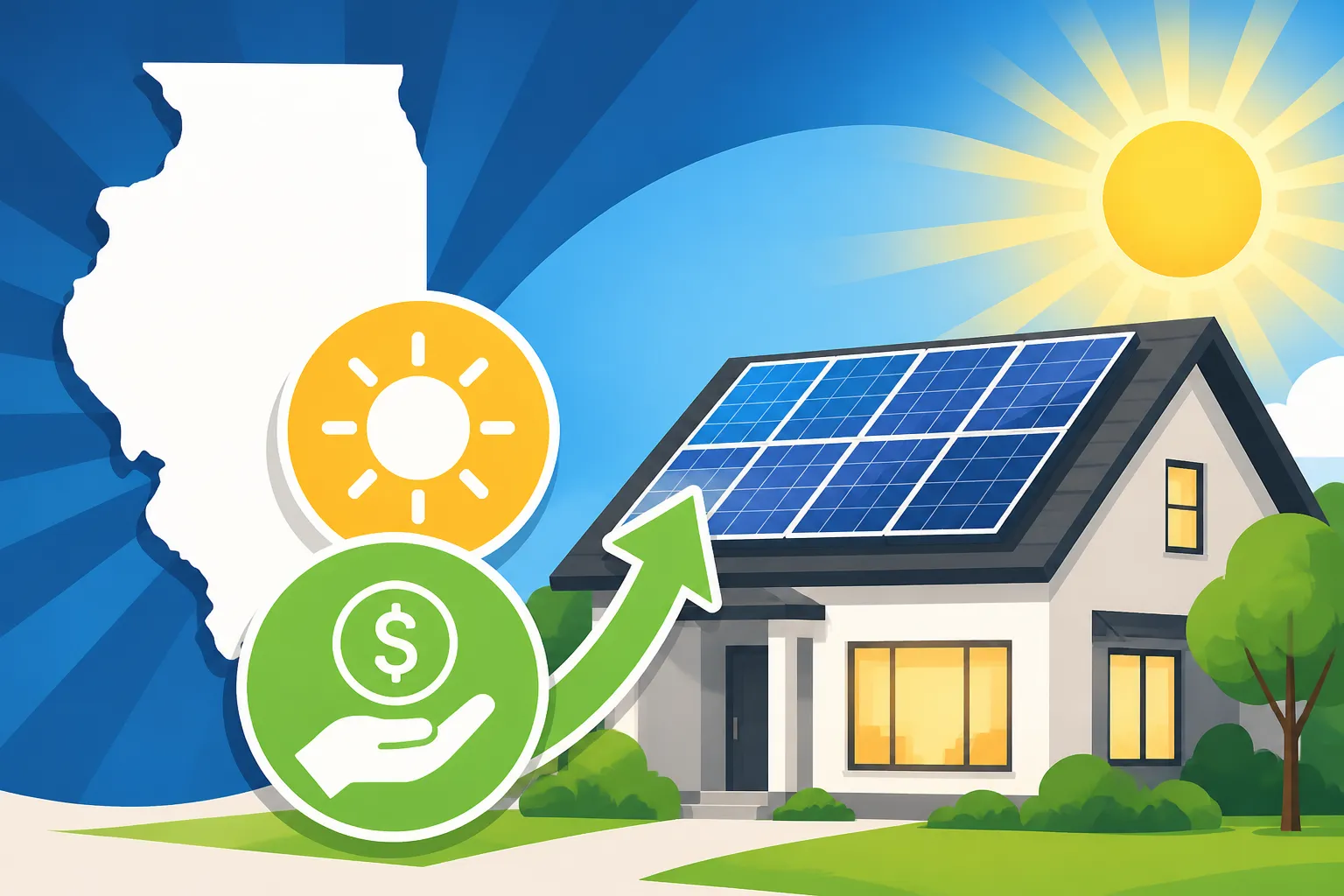
For most homeowners in Illinois, the heavy hitter is a program officially known as the Adjustable Block Program, though everyone simply calls it Illinois Shines. This is not a typical rebate where you get a check back for spending money; instead, it is a performance-based incentive centered around Solar Renewable Energy Credits (SRECs). When your panels produce electricity, they create these credits, and the state essentially commits to buying 15 years' worth of them from you upfront.
The beauty of Illinois Shines in 2026 is that it provides a massive lump-sum payment shortly after your system is energized. For an average-sized residential system, this can represent thousands of dollars—often covering 20% to 30% of the total system cost. However, the program is "adjustable," meaning the value of the credits can drop as more people sign up and certain "blocks" of capacity are filled. This is why many neighbors in places like Naperville or Champaign are rushing to get their applications in before the next step-down occurs.
It is important to understand that you cannot typically apply for Illinois Shines on your own. You must work with an "Approved Vendor." This is a layer of protection the state put in place to ensure installers aren't cutting corners. When you are vetting companies, using a service like Modernize can help you find contractors who are already familiar with the rigorous Illinois Shines application process, saving you the headache of paperwork errors that could delay your payment for months. You should also check out the Illinois Shines & Solar for All guide to see how these programs differ in their payout structures.
Illinois Solar for All and Equitable Access
While Illinois Shines is the standard path, the state also offers a specialized program called Illinois Solar for All (ILSFA). This program is designed specifically for low-to-moderate-income households, non-profits, and public facilities. The goal here is social equity—ensuring that the transition to clean energy doesn't just benefit those who can afford the upfront Solar Panel Cost in Illinois.
The incentives under ILSFA are significantly higher than the standard Illinois Shines program. In many cases, participants can go solar with $0 upfront costs and are guaranteed to see a significant reduction in their electric bills. To qualify, your household income must be at or below 80% of the Area Median Income (AMI). If you are wondering about your specific eligibility, it is worth looking into Do I Qualify for Low-Income Solar Programs? to see where the thresholds sit this year.
Beyond the financial credits, ILSFA includes strict consumer protections. For instance, any contract signed under this program must ensure that the homeowner sees at least 50% of the value generated by the system. This prevents predatory companies from eating up all the savings in fees. If you find yourself in a qualifying census tract or an environmental justice community, this program is far and away the most lucrative way to flip the switch on solar power.
Net Metering and Utility Credits with ComEd and Ameren
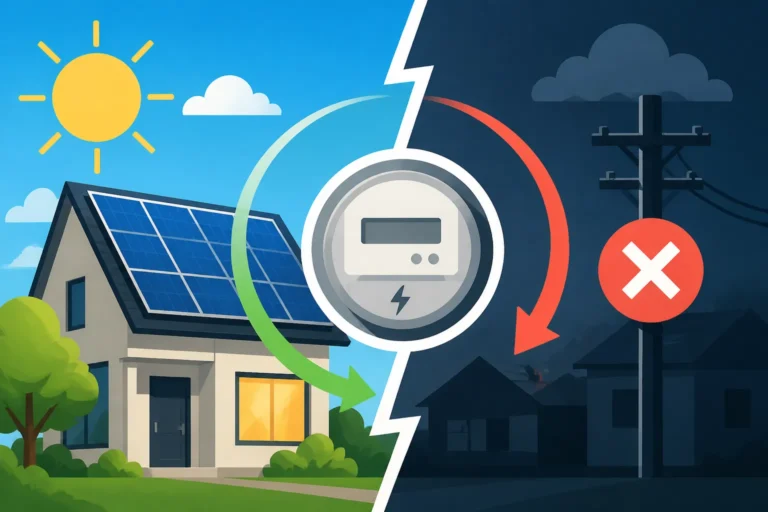
A major point of confusion for Illinois residents recently has been the status of net metering. For years, Illinois had "retail rate" net metering, meaning for every kilowatt-hour (kWh) you sent back to the grid, you got a one-to-one credit on your bill. As we move through 2026, the state is transitioning toward a "net billing" structure, similar to what other states have done to balance the grid.
Under the current rules, you still receive significant credit for the excess energy your panels produce during those long, sunny July days. These credits roll over month-to-month, which is vital because it allows you to build up a "bank" of credits during the summer to offset your higher heating-related electricity use during a brutal Illinois winter. Even with the transition away from full retail rates, the Average Solar Cost in Illinois (2026) remains attractive because the "avoided cost" of not buying power from the utility is still a winning math problem.
If you are concerned about how these changes affect your bottom line, you should verify the current status of your specific utility by reading Does Illinois Have Net Metering in 2026? to see if your area has moved to the new billing structure yet. For many, adding a battery has become a more common way to "self-consume" power rather than sending it back to the grid for a lower credit. This shift has changed the Solar Installation Process in Illinois slightly, as more homeowners are opting for hybrid systems that include storage.
| Feature | Illinois Shines (ABP) | Illinois Solar for All (ILSFA) |
|---|---|---|
| Primary Benefit | Lump-sum SREC payment | Higher SREC value + Guaranteed savings |
| Eligibility | All residential & commercial | Income-qualified or specific locations |
| Upfront Cost | Varies (often financed) | Often $0 for qualified participants |
| Vendor Requirement | Approved ABP Vendor | Approved ILSFA Vendor |
| Complexity | Moderate | High (more documentation) |
Property and Sales Tax Protections
One of the most realistic frustrations homeowners face is the fear that improving their home will lead to a higher tax bill. In Illinois, the government has actually been quite proactive about this. There is a state-wide property tax incentive called the Special Assessment for Solar Energy Systems. This law essentially tells your local tax assessor to ignore the value of your solar array when determining your home’s value for property taxes.
This means if you spend $25,000 on a high-end system that increases your home's resale value, your property taxes won't budge. It is a massive relief for people in high-tax counties like Lake or Cook. You can dive deeper into the mechanics of this in our guide on Solar Property Tax Exemptions by State. Additionally, Illinois offers a 100% sales tax exemption on all solar energy equipment. When you consider that the state sales tax is 6.25% (and often higher with local additions), you are looking at an immediate savings of over $1,500 on an average system just by virtue of the equipment being tax-free.
When you're trying to calculate your total return on investment, these "passive" incentives are just as important as the big SREC checks. You aren't just looking at the How Much Do Solar Panels Cost? 2026 Guide sticker price; you're looking at the net cost after all these layers are peeled back. When you use Modernize to compare quotes, make sure the installers are factoring in the sales tax exemption correctly, as some out-of-state companies might overlook the specific Illinois tax codes.
Navigating the Path to Solar
Going solar in Illinois can feel like a maze, especially with the federal landscape shifting. Many people are still asking Is Solar Worth It in Illinois? now that the state-level programs have become the primary drivers of savings. The short answer is yes, but the "how" has changed. You have to be more strategic about your system sizing and your choice of partner.
The first step is always a site audit. An installer will come out to check your roof's orientation—ideally, you want a south-facing slope with minimal shade from those beautiful Illinois oaks and maples. They will also check your electrical panel to see if it can handle the new load. During this phase, your installer will handle the interconnection application with ComEd or Ameren. This is a critical step because it determines when you get your "Permission to Operate."
Once the system is live, you begin generating the SRECs that fuel your Illinois Shines payment. Remember, this isn't instant money. It usually takes several months of production data and administrative processing before the state issues that SREC check. Patience is key here, but knowing that a multi-thousand-dollar windfall is coming makes the wait much easier. If you are starting from scratch and feeling overwhelmed, take a look at the Solar Sales Tax Exemptions by State list to see just how much Illinois protects its solar adopters compared to our neighbors in the Midwest.
Important Disclaimer Regarding Solar Incentives
This guide is intended for informational purposes only and does not constitute financial, legal, or tax advice. Solar incentive programs, including Illinois Shines and Illinois Solar for All, are subject to legislative changes, funding availability, and block capacity limits which can change without notice. Always consult with a qualified tax professional or a certified solar installer to confirm your eligibility and the current value of any incentives before signing a contract. Utility net metering policies also vary by provider and may be subject to future regulatory adjustments by the Illinois Commerce Commission.