Minnesota Solar Incentives in 2026
Feeling overwhelmed by the sheer volume of information (and sometimes misinformation) about going solar in Minnesota? You're not alone. Many homeowners are left scratching their heads, wondering if the financial benefits are still there, especially with constantly changing programs and incentives. This guide is designed to cut through the noise, providing a clear and comprehensive look at the solar incentives available to Minnesota residents, helping you understand how to make solar work for your home and your wallet.
Understanding Minnesota's Solar Landscape in 2026
Minnesota, often thought of as a cold and cloudy state, might surprise you with its robust solar potential and commitment to renewable energy. Despite the perception, many regions in Minnesota receive ample sunshine for solar panels to be highly effective, especially when paired with the right incentives. However, understanding the intricate web of state, local, and utility programs can feel like navigating a maze.
The Current State of Solar in Minnesota
The solar industry in Minnesota has experienced significant growth over the last decade, driven by state-level policies and the decreasing cost of solar technology. Utilities in the state are often mandated to meet certain renewable energy targets, which creates opportunities for homeowners to contribute to the grid and receive financial benefits. This commitment has fostered a supportive environment for residential solar, making it a viable option for many. It's not just about saving money on your electricity bill anymore; it's about being part of a larger energy movement, reducing your carbon footprint, and potentially increasing your home's value.
Dispelling Myths About Solar Incentives
One common misconception is that all the "good" solar incentives are gone, or that solar is only for people in sunny states like Arizona or California. That couldn't be further from the truth. While the landscape certainly evolves, new programs and adjustments to existing ones are frequently introduced to keep momentum going. Another myth is that solar is too expensive upfront and only rich people can afford it. In reality, financing options, coupled with incentives, have made solar accessible to a much broader range of homeowners. We'll dive into how these various programs, including the enduring federal tax credit, can significantly offset the initial investment and make solar a smart financial decision right here in Minnesota. Don't forget, even without the tax credit, solar can still be a wise investment, as you can read more about in our guide, "Is Solar Worth It Without the Tax Credit?".
Key State-Specific Solar Incentives in Minnesota
Minnesota has carved out its own path when it comes to encouraging solar adoption, with a mix of direct rebates, performance-based incentives, and tax benefits. These state-specific programs are crucial for making solar more affordable and appealing to residents.
Minnesota's Solar Rebate Programs
Historically, one of the most significant state-level incentives for solar in Minnesota was the Made in Minnesota (MiM) Solar Incentive Program, which supported both manufacturers and installers, as well as homeowners using Minnesota-made components. However, this program officially ended. In its place, the state, particularly through its major utilities, has transitioned to different support mechanisms. One prominent example is Xcel Energy's Solar*Rewards program. While the original SolarRewards program has seen significant changes and iterations, it's designed to provide incentives for homeowners who install solar systems. These incentives often come in the form of performance-based payments for the electricity generated by your solar panels, rather than an upfront cash rebate. It's a structure that rewards continuous, efficient production from your system. It's crucial to check with Xcel Energy directly for the most current details on their SolarRewards offerings in 2026, as eligibility and payment rates can vary.
Performance-Based Incentives (PBIs) and SRECs
Beyond upfront rebates, Minnesota's solar strategy often leans into Performance-Based Incentives (PBIs), where homeowners are paid for the actual electricity their solar panels produce. This is distinct from a one-time discount and provides ongoing financial benefits. A closely related concept in some states are Solar Renewable Energy Credits (SRECs), which represent the environmental benefits of solar energy production. In Minnesota, while the PBI model is prevalent, the state does not operate a traditional SREC market like some other states (e.g., New Jersey, Massachusetts, or Illinois). Instead, programs like Xcel Energy's Solar*Rewards fulfill a similar function by compensating solar owners for their energy generation, helping utilities meet their renewable energy goals. Understanding how these Performance-Based Incentives (PBI) Explained work is key to calculating your long-term savings.
Property and Sales Tax Exemptions
Nobody wants to see their property taxes skyrocket just because they’ve made an eco-friendly upgrade to their home. Thankfully, Minnesota offers relief in this area. Solar energy systems are often exempt from increasing your home's property value for tax purposes. This means that while your home might become more valuable on the market (and yes, solar panels often increase home value!), you won't be penalized with higher property taxes for installing them. This is a huge financial win, as it allows you to enjoy the benefits of solar without the added tax burden. You can find more comprehensive details on this topic in our guide on Solar Property Tax Exemptions by State.
Additionally, Minnesota provides a sales tax exemption for qualifying solar energy systems. This means you won't pay state sales tax on the purchase and installation of your solar panels and associated equipment. For a system that can cost tens of thousands of dollars, a sales tax exemption can translate into significant savings, often thousands of dollars, right off the bat. It’s a direct reduction in the upfront cost, making solar more accessible. For specifics on how this applies, refer to our guide on Solar Sales Tax Exemptions by State.
Navigating Utility-Specific Solar Programs in Minnesota
In Minnesota, utility companies play a significant role in the solar landscape, offering programs that complement state policies. Understanding what your specific utility provides is just as important as knowing the statewide incentives.
Net Metering Policies
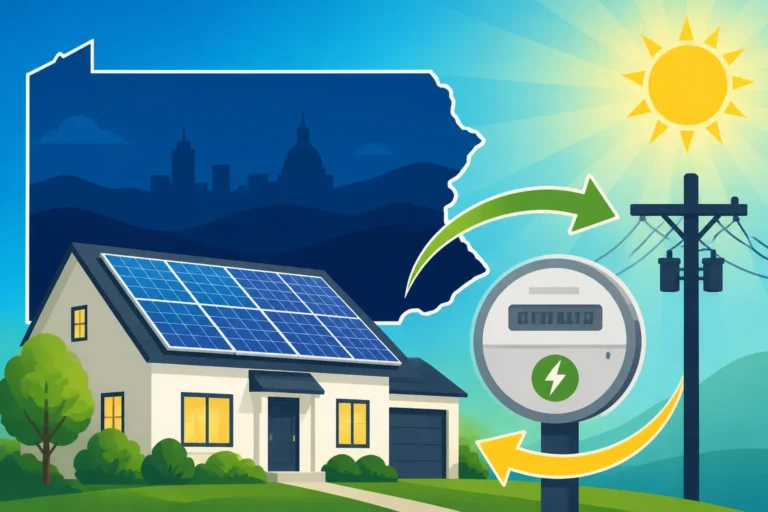
Net metering is a critical policy for grid-tied solar systems. It allows you to send any excess electricity your panels produce back to the grid and receive credits on your electricity bill, typically offsetting what you pull from the grid when your panels aren't producing enough (like at night or on cloudy days). Minnesota's net metering policy generally requires utilities to offer net metering for systems up to 1 megawatt (MW) in capacity, which is far more than a typical residential system needs.
Major utilities in Minnesota, such as Xcel Energy and Minnesota Power, adhere to these net metering rules. When your solar panels generate more electricity than your home consumes, that surplus power flows back into the grid, and your utility meter effectively spins backward (or registers credits). These credits can then be used to offset your electricity consumption during times when your solar system isn't generating enough. This setup is incredibly important for maximizing your savings and reaching a near-zero electricity bill. It’s worth delving into our guide on Net Metering Explained: How It Works by State to get a full picture.
Community Solar Gardens
For homeowners who can't install solar panels on their own roofs – perhaps due to shading, roof age, or living in an apartment or condo – Minnesota has a robust Community Solar Garden program. This allows multiple subscribers to own or lease a portion of a larger, off-site solar array and receive credits on their utility bills for the electricity generated by their share of the garden.
The program, particularly popular through Xcel Energy's offerings, has allowed thousands of Minnesotans to participate in the solar revolution without needing rooftop panels. It's a fantastic option for renters, apartment dwellers, or those with unsuitable roofs. You essentially subscribe to a portion of a larger solar installation, and the electricity generated by that portion is credited directly to your monthly utility bill. It’s a direct way to support renewable energy and save money, even if panels aren't on your property. Our article on Community Solar: How It Works & Who Qualifies provides an in-depth look.
Specific Utility Rebates and Grants
Beyond the overarching net metering and community solar programs, individual utilities in Minnesota sometimes offer their own specific rebates or grants to encourage solar adoption. These can change frequently, so it’s always a good idea to check directly with your electricity provider.
For instance, Xcel Energy, as the largest utility in the state, often has various programs and incentives that go hand-in-hand with its Solar*Rewards initiative. These might include incentives for certain types of installations, or for integrating battery storage solutions. Minnesota Power, serving parts of northeastern Minnesota, also supports customer-owned renewable energy projects. These utility programs are designed to complement the broader state incentives, sometimes offering additional financial boosts or streamlining the process for their customers. Make sure to check our resource, Utility Solar Rebates: How to Find Yours, for tips on navigating these offerings.
Federal and Other Broad Incentives for Minnesota Homeowners
While state and local incentives are crucial, don't overlook the powerful federal programs that can significantly reduce the cost of going solar in Minnesota. These apply nationwide and often represent the largest single incentive available.
The Enduring Federal Solar Tax Credit
Good news, folks! Despite some rumors, the federal solar tax credit is absolutely still alive and kicking in 2026. This isn't a vanishing act; it's a long-term commitment. Formally known as the Investment Tax Credit (ITC), this federal incentive allows you to claim a percentage of your solar system's cost as a credit on your federal income taxes. In 2026, homeowners can still claim a substantial 30% of the total cost of their residential solar energy system. This includes not just the solar panels themselves, but also installation costs, labor, and even energy storage devices like solar batteries.
Imagine you install a $25,000 solar system. That 30% credit means you'd receive $7,500 back on your federal taxes. This isn't a deduction that just reduces your taxable income; it's a credit that directly reduces the amount of tax you owe, dollar-for-dollar. If your tax liability is less than the credit amount, you can often carry forward the unused portion to future tax years. This makes solar far more accessible and is a key driver for many homeowners. For a deeper dive, check out our guide on Federal Solar Incentives That Still Exist in 2026 and get answers to questions like "Can You Still Get a Solar Tax Credit in 2026?".
Low-Income and Specific Assistance Programs
The push for renewable energy isn't just for the financially privileged. Many programs, both at federal and local levels, are designed to make solar accessible to low-income households. In Minnesota, some community solar programs may have specific carve-outs or discounts for low-income subscribers. There are also broader federal initiatives, like the Solar Energy Technologies Office (SETO) programs, that sometimes fund state or local efforts to assist disadvantaged communities with solar installations.
It's worth exploring if your household qualifies for specific grants or financing options that are tailored to lower-income individuals. These programs aim to alleviate energy burdens and ensure that the benefits of clean energy are shared equitably. Sometimes, non-profits or local energy agencies work to connect eligible residents with these opportunities. If you're wondering if you might qualify, our article on Low-Income Solar Programs & Assistance is a great place to start your research. Furthermore, don't forget that solar battery incentives may also be available, further sweetening the deal for those looking to maximize their energy independence.
Summarizing Minnesota's Solar Incentives for 2026
To help you keep track, here's a quick overview of the primary solar incentives available to Minnesota homeowners in 2026:
| Incentive Type | Description | Key Benefits | Relevant Programs/Notes |
|---|---|---|---|
| Federal Solar Tax Credit (ITC) | A federal income tax credit equal to 30% of the cost of your solar system (including batteries). | Direct dollar-for-dollar reduction in federal tax liability; carryforward provision. | Applies nationwide; currently at 30% through 2032. |
| Net Metering | Allows homeowners to send excess solar electricity back to the grid for bill credits, offsetting future consumption. | Reduces/eliminates monthly electricity bills; maximizes solar system value. | Mandated statewide up to 1 MW; offered by Xcel Energy, Minnesota Power, etc. |
| Community Solar Gardens | Enables subscribers to receive bill credits for electricity generated by an off-site solar array. Ideal for unsuitable roofs or renters. | Access to solar benefits without rooftop installation; stable electricity costs. | Robust program, particularly through Xcel Energy. |
| Property Tax Exemption | Prevents the value added by a solar energy system from increasing your home's assessed value for property tax calculations. | Avoids higher property taxes due to solar installation. | State-level exemption. |
| Sales Tax Exemption | Exempts the purchase and installation of qualifying residential solar energy systems from state sales tax. | Significant upfront savings on system cost. | State-level exemption. |
| Utility Solar*Rewards | Performance-based incentives (PBIs) from utilities like Xcel Energy that pay homeowners for the electricity their solar panels produce. | Ongoing financial payments for solar generation; helps utilities meet mandates. | Specific programs vary by utility; check current Xcel Energy offerings. |
| Low-Income Assistance | Various federal, state, and local programs aimed at making solar accessible to households meeting specific income requirements. | Reduces energy burden; provides financial and technical assistance for solar adoption. | Explore programs through local agencies or non-profits. |
Navigating all these options can feel a bit like a puzzle, but with the right information and a reputable solar installer, you can confidently make the switch to solar. Remember to always confirm the latest program details with your utility provider and a certified solar professional.
Disclaimer
Please note that while we strive to provide the most accurate and up-to-date information, solar incentives and policies are subject to change by legislative action, regulatory updates, and utility decisions. This article is intended for informational purposes only and does not constitute financial or legal advice. Always consult with a qualified solar professional and tax advisor to understand the specific incentives available to you and their impact on your individual financial situation.