Illinois Shines & Solar for All
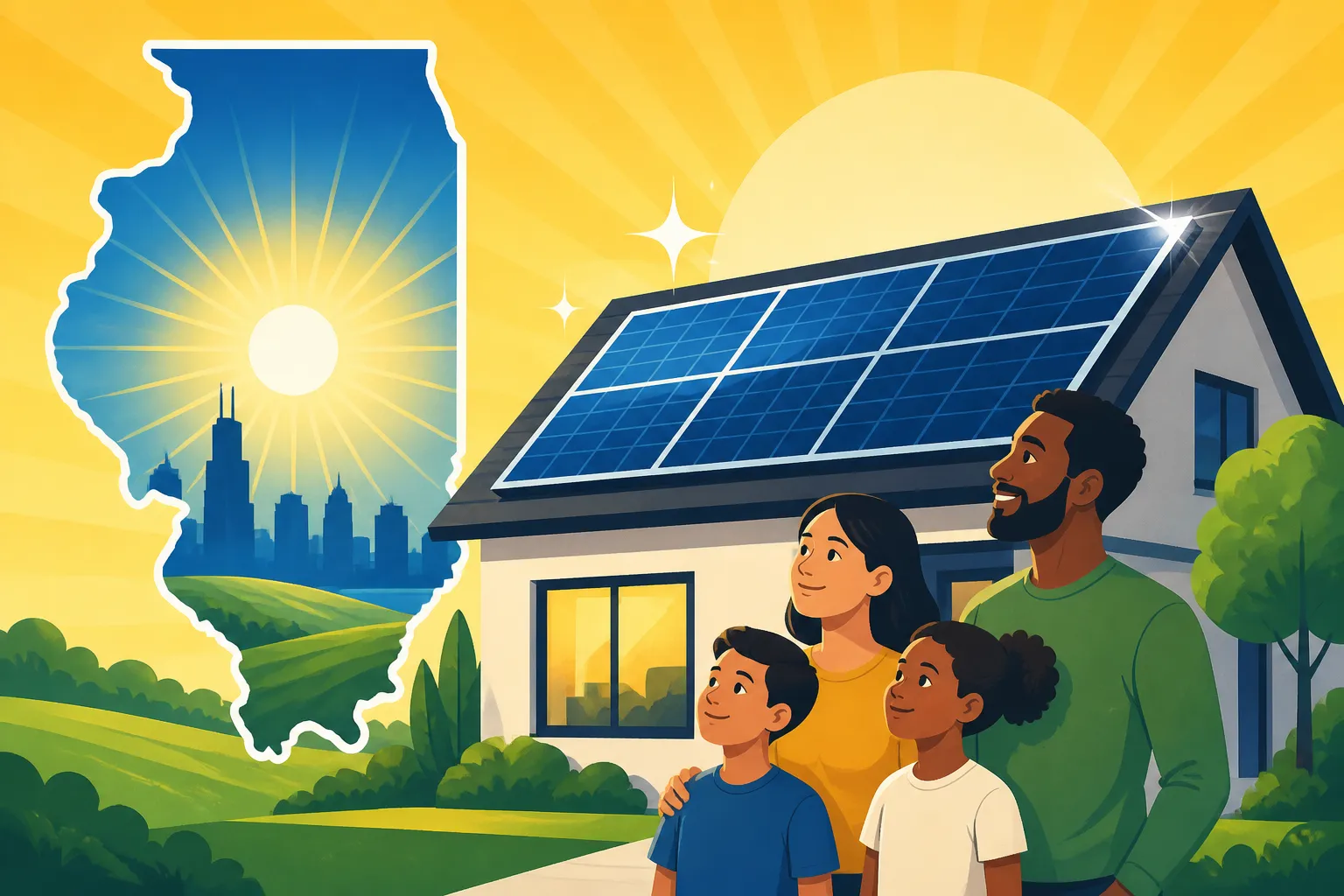
Thinking about going solar in Illinois can feel a bit like wading through a bowl of alphabet soup, especially when you hear terms like "Illinois Shines" and "Solar for All" thrown around. It’s completely understandable to feel overwhelmed by the jargon and wonder if these programs are even for real, or just another bureaucratic maze. This comprehensive guide is here to untangle the complexities, clearly explain both programs, their benefits, and how they can make solar energy a reality for your home in the Prairie State.
Understanding Illinois Shines: The Adjustable Block Program
For many Illinois homeowners, the idea of solar energy sounds fantastic – lower utility bills, a smaller carbon footprint, and energy independence. But let's be honest, the upfront cost can be a huge hurdle. That's where the Illinois Shines program, officially known as the Adjustable Block Program (ABP), steps in. It's designed to make solar more financially accessible by compensating you for the clean energy your system generates.
What is Illinois Shines and How Does It Work?
The Illinois Shines program is a state-supported initiative that incentivizes the development of new solar energy projects across Illinois. At its heart, the program works by issuing what are called Solar Renewable Energy Credits, or SRECs, to solar system owners. Think of an SREC as a digital certificate that proves your solar panels generated one megawatt-hour (MWh) of clean electricity. The brilliance of this system is that your utility company, or another entity that needs to meet clean energy targets, will actually buy these SRECs from you. This creates a revenue stream for your solar system, significantly offsetting its cost.
The program is structured in "blocks" which essentially means there's a certain amount of SRECs available at a specific price. As more people sign up for solar, blocks are filled, and the SREC price for subsequent blocks tends to decrease slightly. This encourages early adoption, but even in later blocks, the incentives are substantial. You lock in a fixed price for your SRECs for 15 years for residential systems, providing a long-term, predictable income stream. It’s a pretty smart way to put money back in your pocket just for making your own power!
The Role of SRECs in Your Solar Savings
SRECs are the financial backbone of the Illinois Shines program for residential customers. When you install a solar system and it's interconnected with the grid, the Illinois Shines program estimates how many SRECs your system will generate over 15 years based on its size and historical solar data for your area. You then work with an approved "Adjustable Block Program Approved Vendor" or "Designated Agent" (often your solar installer) who acts as a broker to sell these SRECs on your behalf. They typically give you an upfront payment, or a series of payments, based on the projected value of these SRECs.
For example, if your 8 kW solar system is projected to generate roughly 10 SRECs per year, and the current SREC price for your block is, say, $50 per SREC, that's $500 per year in SREC value. Over 15 years, that's a cool $7,500 that directly reduces the net cost of your system. This is completely separate from the money you save on your electricity bill each month by producing your own power. Combining these two benefits—reduced utility bills and SREC payments—is how homeowners in Illinois see a significant return on investment. If you're curious about how SRECs work in general, you might find our guide on SRECs Explained: Selling Solar Renewable Energy Credits really helpful.
Demystifying Solar for All: Boosting Equity in Solar
While Illinois Shines is a fantastic program for many, it still requires an initial investment that can be out of reach for lower-income households. Recognizing this, the state introduced Solar for All, a crucial component designed to ensure that the benefits of solar energy are accessible to everyone, regardless of their financial background. It's about leveling the playing field and bringing solar to communities that traditionally haven't had access.
What is Solar for All?
Solar for All is a special initiative under the broader Illinois Shines program, specifically tailored for low-income households and communities that have been historically disadvantaged or underserved. Its primary goal is to provide no-cost or significantly reduced-cost solar installations for eligible participants. This program addresses a critical barrier to solar adoption: the upfront expense. By removing this financial burden, Solar for All ensures that more Illinoisans can enjoy the long-term savings and environmental benefits of solar power.
The program works through approved vendors and community organizations that help identify eligible participants, navigate the application process, and facilitate the installation of solar projects. These can be rooftop solar systems for individual homes or even subscriptions to community solar projects where residents can benefit from solar energy generated off-site without having panels on their own roof. It's a powerful tool for energy equity, making sure that the green energy revolution leaves no one behind. You can also explore more about Low-Income Solar Programs & Assistance if you're looking for broader support.
Targeting Low-Income and Environmental Justice Communities
Solar for All isn't just a blanket program; it has very specific targets to maximize its impact where it's needed most. The program focuses on reaching households that are at or below 80% of the Area Median Income (AMI) or 200% of the Federal Poverty Level. Beyond income, it also prioritizes "Environmental Justice Communities." These are areas that have historically borne a disproportionate burden of environmental pollution and are often home to low-income residents and communities of color.
By focusing on these specific demographics and geographic areas, Solar for All aims to rectify past injustices and ensure that the economic and environmental advantages of solar energy benefit those who need it most. Imagine a family struggling with high utility bills suddenly seeing them vanish or drastically reduced thanks to solar panels installed at no cost to them. This isn't just about saving money; it's about improving quality of life, fostering community resilience, and creating local jobs in the clean energy sector within these communities.
How These Programs Work Together for Illinois Homeowners
It’s easy to think of Illinois Shines and Solar for All as two separate entities, but they actually operate in harmony under the same legislative umbrella, with Solar for All being a specialized track within the larger Illinois Shines framework. Understanding how they complement each other is key to grasping the full scope of solar incentives in Illinois.
Solar for All as an Elevated Track within Illinois Shines
Think of the Illinois Shines program as a large highway with multiple lanes. Most residential solar projects travel in the standard lanes, earning SRECs based on the Adjustable Block Program's set pricing. Solar for All is like a dedicated express lane within that highway. Projects that qualify for Solar for All still generate SRECs, but they often receive higher SREC pricing and specialized support to ensure financial viability for low-income participants.
This means that while all solar projects benefit from the sale of SRECs under the Illinois Shines mechanism, Solar for All projects get an enhanced benefit specifically designed to overcome the financial barriers for eligible households. This elevated support makes it possible for installers to offer solar at very low or no cost to qualifying homeowners, knowing they will be adequately compensated through the more favorable SREC rates available through the Solar for All track. This integrated approach ensures that the state's clean energy goals are met with a strong emphasis on equitable access.
Combined Benefits and Maximizing Your Savings
For eligible homeowners, the combination of these programs offers an unparalleled opportunity to go solar. If you qualify for Solar for All, you're essentially getting the benefits of Illinois Shines with an extra boost. This could mean a rooftop solar system installed on your home with minimal or no upfront costs, leading to immediate and significant savings on your monthly electricity bills.
Consider a scenario where a family in Chicago qualifies for Solar for All. An approved vendor designs a solar system for their home. Instead of paying thousands upfront or taking out a loan, the system is installed at no charge. The family still benefits from net metering, meaning they get credits for excess electricity sent back to the grid, further reducing their bills. Simultaneously, the SRECs generated by their system are sold at a favorable rate through the Solar for All track, covering the installation costs for the vendor. This isn't just a financial win; it’s a pathway to energy independence and a greener future, without the usual financial strain. For more on net metering, check out our guide on Net Metering Explained: How It Works by State.
Eligibility and Application: Navigating the Process
Understanding that these programs exist is one thing; knowing if you qualify and how to apply is another entirely. Navigating government programs can sometimes feel like a puzzle, but with the right information, it becomes much more manageable.
Who Qualifies for Illinois Shines?
The Illinois Shines program is broadly open to any customer of an investor-owned utility in Illinois (like ComEd or Ameren) who installs an eligible solar energy system on their property. This includes residential, commercial, industrial, and community solar projects. The main criteria involve:
- Location: The system must be located within the service territory of an investor-owned utility in Illinois.
- System Size: Residential systems typically have a size limit (e.g., up to 10 kW DC for rooftop, or 25 kW DC for ground mount in some cases, though specific rules can vary).
- New Construction/Existing Home: The program generally supports new solar installations.
- Interconnection: Your system must be properly interconnected to the utility grid.
The process usually begins by contacting an "Adjustable Block Program Approved Vendor." These are solar installers who are registered with the Illinois Power Agency (IPA) and are authorized to submit projects and handle SREC transactions on your behalf. They will assess your home's solar potential, design a system, and guide you through the entire application process, from permitting to interconnection. This is why choosing a reputable installer is so crucial – they're your primary guide through these incentives. Don't forget to look at our tips on How to Choose a Solar Installer to make sure you pick the right one.
Who Qualifies for Solar for All?
Solar for All has more specific eligibility requirements, primarily focused on income levels and location within Environmental Justice Communities. To qualify, households typically need to meet one of the following criteria:
- Income-Qualified: Your household income must be at or below 80% of the Area Median Income (AMI) or 200% of the Federal Poverty Level. These figures are updated annually and vary by county and household size.
- Environmental Justice Community Resident: Even if your income is slightly above the threshold, you might qualify if you reside in a designated Environmental Justice Community.
The application process for Solar for All is generally facilitated by "Program Administrators" and their "Designated Grantees" who specialize in serving these communities. They will help you verify your income, confirm your address, and connect you with an approved solar provider who can install the system at little to no cost. It's a more hands-on, supportive process designed to remove barriers for eligible participants. They handle much of the paperwork, making it much simpler for you.
Here's a quick comparison of the basic eligibility:
| Feature | Illinois Shines (General ABP) | Solar for All (Specialized Track) |
|---|---|---|
| Primary Target | All utility customers installing solar in Illinois | Low-income households and Environmental Justice Communities |
| Income Requirement | None | At or below 80% AMI or 200% Federal Poverty Level |
| Location Requirement | Investor-owned utility territory in Illinois | Investor-owned utility territory, with focus on EJ Communities |
| Cost to Homeowner | Varies, typically upfront purchase or loan | Minimal to no upfront cost for eligible households |
| SREC Pricing | Standard Adjustable Block Program rates | Elevated SREC pricing to support no-cost installations |
| Application Facilitator | ABP Approved Solar Vendor (your installer) | Solar for All Program Administrator/Designated Grantee |
| Project Type | Rooftop, ground-mount, community solar | Rooftop, community solar |
Maximizing Your Benefits: Key Strategies for Participation
Simply signing up for these programs is a great start, but there are always strategies you can employ to ensure you're getting the absolute most out of them. It's about being informed and making smart choices from the get-go.
Choosing the Right Solar Installer or Program Administrator
This is perhaps the most critical step. For Illinois Shines, you'll be working directly with an "Adjustable Block Program Approved Vendor." These are the solar companies that are authorized to participate in the program, submit projects, and handle your SREC payments. Not all solar installers are approved vendors, so it's essential to verify their status. Look for installers with a strong track record, positive customer reviews, and clear communication about the Illinois Shines program. They should be transparent about SREC values, payment schedules, and any associated fees. Getting multiple quotes from different approved vendors is always a good idea to compare offers and ensure you’re getting a fair price and good service.
For Solar for All, the path might involve working with a "Program Administrator" or one of their "Designated Grantees." These organizations are specifically tasked with outreach and support for low-income and environmental justice communities. They can help you navigate the income verification process and connect you with the right solar installation partners who offer no-cost or very low-cost solutions. Their expertise in the intricacies of Solar for All is invaluable, so lean on their guidance throughout the process.
Understanding SREC Payment Options
When it comes to your SRECs under the Illinois Shines program, you typically have a few options for how you receive your payments. Understanding these can significantly impact your financial planning:
- Upfront Payment (Lump Sum): Many homeowners opt for a lump-sum payment. In this scenario, your SRECs for the entire 15-year term are estimated and sold upfront to a buyer (often facilitated by your installer acting as a Designated Agent). You receive a single, larger payment early on, which can drastically reduce your initial out-of-pocket costs for the solar system. This is a very popular choice as it offers immediate financial relief.
- Annual Payments: Some programs or vendors might offer annual SREC payments. This means you receive payments each year over the 15-year period as your system generates SRECs. While it doesn't offer the immediate cash injection, it provides a consistent, smaller income stream over time.
- Third-Party Ownership (Lease/PPA): If you choose a solar lease or Power Purchase Agreement (PPA), you don't actually own the solar panels. The third-party owner (the leasing company) receives the SREC payments, which allows them to offer you lower monthly payments for the solar energy. This is how many "no money down" options are structured, especially under Solar for All, where the SREC income helps offset the system's cost for the provider. If you're weighing your options, our article on Solar Lease vs PPA vs Buy: Which Is Best? delves deeper into these financing models.
It's crucial to discuss these options with your installer or program administrator and choose the payment structure that best fits your financial goals. Make sure you understand all the terms, conditions, and any fees associated with the SREC transaction.
Common Challenges and What to Watch Out For
While Illinois Shines and Solar for All are fantastic programs, no process is without its potential pitfalls. Being aware of common challenges can help you navigate them smoothly and ensure a positive solar experience.
Navigating Paperwork and Program Deadlines
Let's face it: dealing with paperwork, especially for government-backed programs, can be tedious. Both Illinois Shines and Solar for All involve a fair amount of documentation, from proving homeownership and income eligibility to submitting technical specifications for your solar system. The key here is patience and meticulousness. Your chosen solar installer or program administrator should be your primary guide through this. They are experienced in submitting the necessary applications to the Illinois Power Agency (IPA) and other relevant bodies.
Additionally, program blocks within Illinois Shines can fill up, and deadlines for certain phases of Solar for All might exist. While the Illinois Shines program has been designed to be ongoing, specific SREC prices are tied to blocks that are released and filled over time. Staying in close communication with your solar provider about the status of your application and any upcoming deadlines is crucial. A good installer will proactively manage these aspects for you, ensuring your project is submitted promptly and accurately.
Ensuring Installer Reliability and Warranty Coverage
The success of your solar project, and your ability to truly benefit from these incentives, heavily relies on the quality of your installation and the longevity of your system. Unfortunately, the rapid growth of the solar industry has sometimes led to less reputable companies entering the market. Be vigilant!
When choosing an installer, don't just focus on the lowest price. Research their reputation, check their licensing, and ask for references. Ensure they are indeed an "Adjustable Block Program Approved Vendor" for Illinois Shines. Understand the warranties they offer, both for the equipment (panels, inverters) and for their workmanship. A solid warranty ensures that if something goes wrong with your system, you're covered for repairs or replacements, protecting your investment and your SREC generation for the long term. This is especially important as solar panels are designed to last 25 years or more, and you want to ensure the company supporting them will be around to honor their commitments. Understanding Solar Panel Warranties Explained can save you a lot of headaches down the road.
Moreover, if you're participating in Solar for All, the program administrators often have a vetted list of installers they work with, which adds a layer of protection. Always ensure you receive a clear contract outlining all costs (or lack thereof), services, and guarantees. Remember, knowledge is power when it comes to home improvements, and solar is no exception.
Disclaimer
The information provided in this article is for general informational purposes only and does not constitute financial, legal, or professional advice. Solar incentive programs and regulations can change frequently. Readers should consult with qualified solar professionals, financial advisors, and relevant state or local authorities to verify current program details, eligibility requirements, and to determine the best options for their specific circumstances.