Is Solar Worth It in Illinois?
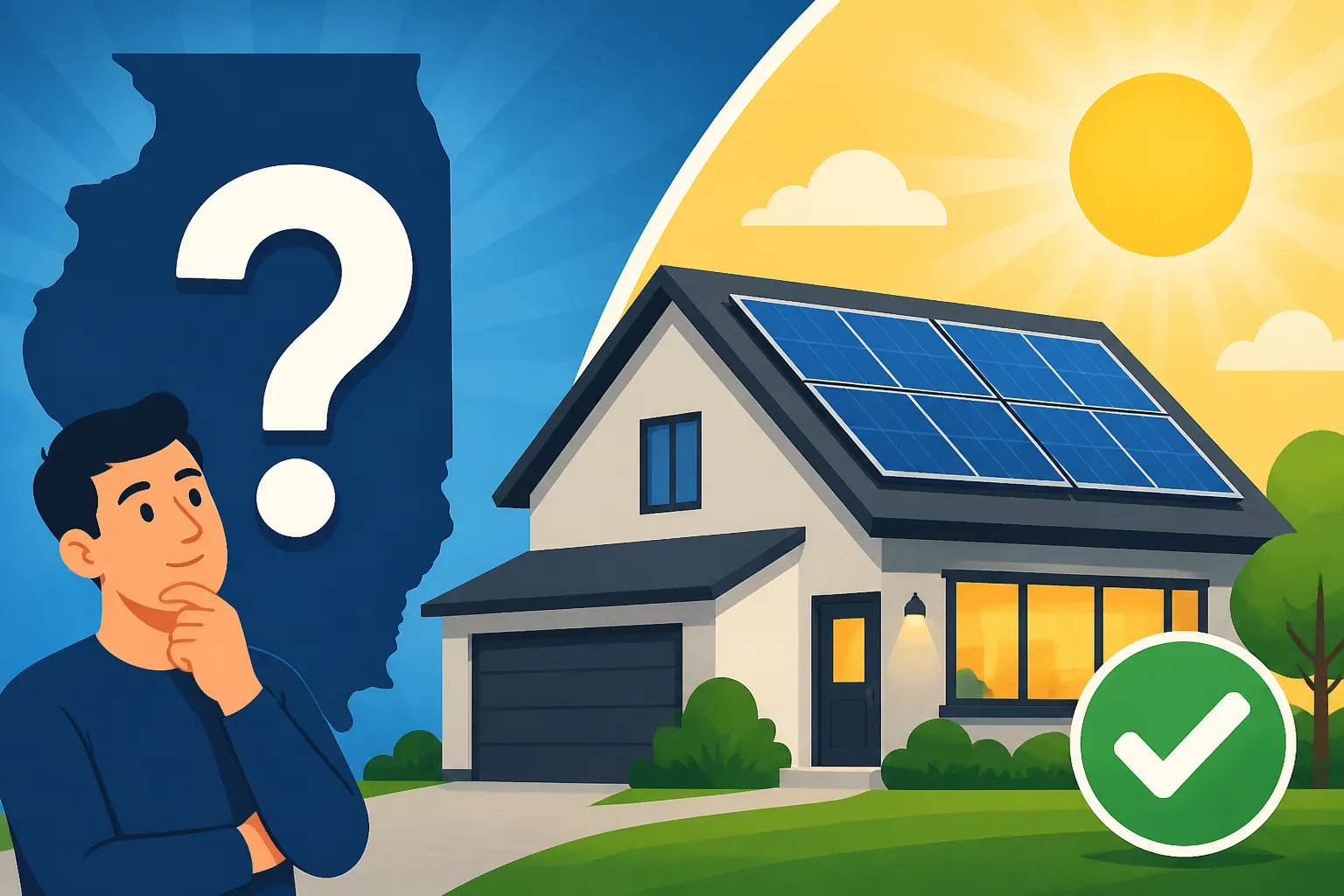
The unpredictable rise in electricity bills has many Illinois homeowners feeling the pinch and wondering if there's a better way to power their homes. You're probably looking at your utility statement, seeing those fluctuating charges, and thinking: "Is solar even a realistic option here in the Prairie State?" This comprehensive guide will deep dive into the costs, incentives, and practical considerations to help you decide if going solar in Illinois is truly worth it for your specific situation.
Understanding the Cost of Solar in Illinois
Let's be real, the first thing on most homeowners' minds is the price tag. The cost of a solar energy system isn't a one-size-fits-all number, especially in a diverse state like Illinois, where everything from installation labor to local permitting fees can vary. It's not just about the panels themselves, but the entire system and the expertise required to put it all together.
Average System Costs and Factors
When you're looking at solar in Illinois, you'll find that the average cost per watt generally falls within a competitive range compared to other states. For a typical residential system, say around 6 to 8 kilowatts (kW), you might expect the gross cost before incentives to be anywhere from $18,000 to $28,000. This is a significant investment, but it's crucial to remember that this number is heavily influenced by several factors.
For instance, the size of your home and your energy consumption habits play a huge role. A larger home with higher electricity usage will naturally require a larger solar array, which means more panels and a higher overall cost. The type of equipment chosen also impacts the price; premium panels from brands like Maxeon (SunPower) or REC might be more expensive upfront but often offer higher efficiency and longer warranties. Similarly, your choice between microinverters (like those from Enphase) or a string inverter system can affect the total cost. You'll also encounter varying labor costs depending on your location within Illinois – an installation in a dense urban area like Chicago might have different logistical challenges and costs compared to a rural installation downstate. It’s always a good idea to gather multiple quotes to compare options thoroughly, and a service like Modernize can help connect you with reputable local installers to get started.
Installation and Equipment Expenses
Beyond the raw materials, there are several line items that contribute to the overall cost of your solar installation. The actual physical installation, which includes mounting the panels on your roof, running wiring, and connecting to your electrical system, is a significant part of the budget. Don't forget about inverters, which convert the DC electricity from your panels into usable AC power for your home. You'll also need a bi-directional meter to track energy sent to and pulled from the grid, especially if you're participating in net metering.
Then there are "soft costs" – these include the expenses for design, engineering, permits, and inspections. Every municipality in Illinois will have its own set of rules and fees for solar installations, which can sometimes add a few hundred to over a thousand dollars to your project. These necessary steps ensure your system is safe, up to code, and properly integrated into your local grid. It's a complex process, but reputable installers handle much of this for you, navigating the local bureaucracy of places like Naperville or Springfield to ensure a smooth transition to solar power. You can learn more about these charges in our detailed guide on Solar Permit & Interconnection PTO Explained.
Key Solar Incentives and Programs in Illinois
Illinois has worked hard to create a robust environment for solar energy, making it one of the more attractive states for homeowners looking to go green and save money. Unlike some states where incentives are dwindling, Illinois continues to offer substantial programs that can significantly offset the upfront costs of a solar system, bringing that payback period down dramatically.
Illinois Shines Adjustable Block Program (ABP)
This is the big one for Illinois homeowners. The Illinois Shines program, previously known as the Adjustable Block Program (ABP), is a performance-based incentive that rewards you for the clean energy your solar panels produce. Essentially, when your system generates electricity, it also creates Solar Renewable Energy Credits (SRECs). Under Illinois Shines, you sell these SRECs to your utility or a designated aggregator. The value of these SRECs is determined by the "block" you qualify for, which decreases as more solar is installed statewide. So, the sooner you get in, generally, the better the compensation rate.
The program typically pays out a fixed price for each SREC over a period of 15 years, providing a predictable income stream that helps offset your installation costs. For example, a 7 kW system might generate around 7-8 SRECs per year. If the SREC price is around $70-$80, that’s an additional $490-$640 annually you can expect, compounding over 15 years. This substantial financial incentive is a major reason why solar is becoming increasingly viable for residents across the state, from Rockford to Carbondale. Our guide on SRECs Explained Selling Solar Renewable Energy Credits dives deeper into how this market works.
Net Metering in Illinois
Beyond SRECs, net metering is another cornerstone of solar savings in Illinois. This policy allows you to send any excess electricity your solar panels generate back to the utility grid, and in return, you receive credits on your electricity bill. Think of your electric meter spinning backward when your panels are producing more than you're consuming – it’s a beautiful sight! These credits can then be used to offset the cost of electricity you pull from the grid when your panels aren't producing, like at night or on cloudy days.
Major utilities in Illinois, such as ComEd and Ameren, participate in net metering. While the specifics can vary slightly between utility providers and the size of your system, the general principle holds: you're credited for the energy you contribute to the grid. This means you only pay for your "net" electricity consumption – the difference between what you use and what your solar system produces. Without net metering, you'd be forced to store all your excess energy in batteries or simply lose the value of that power, which could make solar a far less attractive investment. Understanding Net Metering Explained How It Works by State is crucial for maximizing your savings.
Other Local and State Incentives
While the federal solar tax credit has phased out, Illinois homeowners still benefit from state-specific tax breaks. For instance, Illinois offers a property tax exemption for solar energy systems. This means that while adding solar panels can increase your home's value, the added value from the solar system won't increase your property taxes. This is a huge benefit, as in many places, home improvements that boost value also hike up your annual tax bill.
Additionally, some local municipalities or utility companies might offer their own specific rebates or incentives. These are less common than the statewide programs but are always worth checking. A good installer, or a platform like Modernize, will often be aware of these localized benefits and help you apply for them, ensuring you maximize every available dollar. These incentives collectively make the prospect of solar in Illinois significantly more appealing.
Calculating Your Solar ROI and Payback Period in Illinois
Understanding your return on investment (ROI) and how long it will take for your solar panels to pay for themselves is critical to determining if solar is "worth it." For Illinois homeowners, this calculation involves a few key variables, including local electricity rates, the size of your system, and the state's generous incentive programs.
Analyzing Electricity Rates and Savings
Illinois's electricity rates have seen their fair share of fluctuations. While historically not the absolute highest in the nation, rates can still feel significant, especially with current market volatility. As of late 2023, the average residential electricity rate in Illinois was around 17 cents per kilowatt-hour (kWh). However, rates can vary by utility provider (ComEd customers often see different rates than Ameren customers) and even by time of day if you're on a time-of-use plan.
Going solar allows you to lock in a significant portion of your electricity costs, effectively shielding you from future rate hikes. Imagine if your neighbors' bills keep climbing year after year, but yours remains stable, or even drops to near zero, thanks to your panels. Over the 25-30 year lifespan of a solar system, these avoided costs add up to substantial savings. For a typical Illinois homeowner, solar can lead to tens of thousands of dollars in savings over the system's lifetime, especially when factoring in the long-term protection against utility price increases. You can easily estimate your potential savings using a Solar Panel Cost Calculator How to Estimate.
Typical Payback Periods for Illinois Homeowners
Thanks to the Illinois Shines program and net metering, the solar payback period in Illinois tends to be quite favorable. While national averages can range from 8 to 12 years, many Illinois homeowners see a payback period closer to 6 to 9 years. This means that after this initial period, your solar electricity essentially becomes free, aside from any minor maintenance costs.
Let's consider a hypothetical scenario: a 7 kW solar system costing $24,500 ($3.50/watt) before incentives.
- Initial Cost: $24,500
- Illinois Shines SREC Payments: Over 15 years, this could be $8,000 – $10,000 depending on the SREC price and block.
- Electricity Savings: At an average of 17 cents/kWh, a 7kW system producing ~9,000 kWh/year would save about $1,530 annually. Over 7 years, that's over $10,700.
- Total Savings/Incentives after 7 years: ~$18,700 – $20,700.
This quick calculation shows how the combination of SREC payments and direct electricity bill savings can quickly recoup your investment. After the payback period, every watt produced by your panels directly contributes to your financial well-being, effectively making your home a mini power plant that pays you back. Our article on Solar Panel Payback Period Explained offers an in-depth look at this calculation.
Practical Considerations for Illinois Homeowners
While the financial benefits of solar in Illinois are clear, it’s also important to consider the practical aspects of going solar in the state. From weather challenges to roof suitability, there are a few things every Illinois homeowner should think about before making the leap.
Addressing Weather and Climate Concerns
Illinois isn't exactly known for endless sunshine like Arizona or California. We have all four seasons, which means hot summers, cold winters, and plenty of cloudy days in between. It's a common misconception that solar panels don't work in colder climates or on overcast days. The truth is, modern solar panels are designed to perform well even in less-than-ideal conditions. They produce electricity from daylight, not just direct sunlight, so they'll still generate power on cloudy days, albeit at a lower rate.
Snow is another consideration. While heavy snowfall can temporarily reduce production by covering your panels, most residential solar systems are installed at an angle that allows snow to slide off naturally as the temperature rises. Furthermore, panels can actually perform more efficiently in colder temperatures, as long as they're exposed to light. So, while Illinois weather requires a well-designed system, it's certainly not a deal-breaker for solar viability. Don't let a few cloudy days deter you from the long-term benefits! You can also read more about Do Solar Panels Work in Snow.
Roof Suitability and Home Requirements
Before you get too excited about the savings, it’s wise to assess your home's suitability for solar. The most crucial factor is your roof. Do you have enough unobstructed roof space? A south-facing roof is generally ideal for maximizing sun exposure in the Northern Hemisphere, but east and west-facing roofs can also be highly effective. Significant shading from trees or neighboring buildings can reduce efficiency, so a site survey by an installer is essential to determine optimal placement.
The age and condition of your roof are also paramount. Solar panels are a long-term investment, typically lasting 25-30 years. If your roof is nearing the end of its lifespan, it might make sense to replace it before installing solar, as removing and reinstalling panels for a roof replacement can be costly. Most asphalt shingle roofs can easily support solar panels, but other materials like slate or older tile might require special considerations. A reputable installer will perform a thorough assessment to ensure your roof is structurally sound and compatible with a solar installation. Our guide on Roof Considerations for Solar Panels offers more detailed insights.
Finding Reputable Illinois Solar Installers
Choosing the right solar installer is perhaps the most critical step in your solar journey. This isn't just about getting the lowest price; it's about finding a company with a proven track record, excellent customer service, and deep knowledge of Illinois's specific programs and regulations. Look for installers who are transparent about costs, explain the Illinois Shines program clearly, and handle all the necessary permitting and interconnection paperwork with ComEd or Ameren.
You'll want to get several quotes from different companies to compare not only prices but also equipment options, warranties, and proposed system designs. Ask about their experience in Illinois, check their licenses and certifications, and read reviews from local customers. A company like Sunrun or Vivint Solar might be widely known, but local Illinois-based companies often have a nuanced understanding of the regional market and can offer competitive pricing and personalized service. Don't be afraid to ask tough questions about their process, from the initial consultation to getting your Permission to Operate PTO from the utility. This due diligence will pay dividends in the long run.
What Happens When You Sell Your Home with Solar?
One common concern for homeowners considering solar is how it might affect their ability to sell their property down the line. It's a valid question, as adding a major system to your home inevitably changes its dynamics. However, in Illinois, owning a solar energy system generally adds value to your home and can even make it more appealing to potential buyers.
Solar Panels and Home Value in Illinois
Studies consistently show that homes with owned solar panels sell for a premium compared to comparable homes without solar. This added value isn't just a small bump; it can be significant. Buyers are increasingly aware of the long-term financial benefits of solar – reduced electricity bills, protection against rising utility rates, and the environmental appeal. They're often willing to pay more for a home that comes with these advantages already built in.
In Illinois, the property tax exemption for solar systems further enhances this appeal. Homebuyers won't face an increased property tax burden due to the added value of the solar array, which is a clear financial win. This means your investment in solar not only saves you money during your ownership but also contributes positively to your home's market value when it's time to sell. Our article on Do Solar Panels Increase Home Value explores this topic in greater detail.
Transferring Incentives and Warranties
When you sell your home, the benefits of your solar system, including the remaining SREC payments from Illinois Shines and the net metering agreement, typically transfer to the new homeowner. This is a huge selling point! Imagine telling a prospective buyer that they'll be inheriting an income stream from SRECs for the next several years and significantly lower electricity bills. This makes your home stand out in the market.
Additionally, the warranties on your solar panels and inverter usually transfer with the property. Most reputable solar equipment comes with 25-year performance warranties and 10-12 year equipment warranties, ensuring that the new homeowner is protected for years to come. Making sure all documentation is clear and transferable is part of a smooth home selling process. A good solar installer will provide you with all the necessary paperwork, making the transition seamless for both you and the new owner. It’s a good idea to keep all your solar system documentation in an easily accessible file, including your installation contract, warranty details, and any paperwork related to the Illinois Shines program.
Final Verdict: Is Solar Worth It in Illinois?
Taking all factors into account – the upfront costs, the powerful incentives, the significant long-term savings, and the practical considerations – the answer for many Illinois homeowners is a resounding yes. While every home and financial situation is unique, the robust support for solar in Illinois makes it a truly viable and financially attractive investment.
The combination of the Illinois Shines program, which provides a tangible income stream through SREC sales for 15 years, coupled with net metering policies from utilities like ComEd and Ameren, creates a powerful financial ecosystem. These incentives dramatically shorten the payback period, allowing you to enjoy years, even decades, of free or significantly reduced electricity costs. When you factor in the increasing value of your home and the insulation from rising utility rates, solar becomes not just an environmental choice but a smart financial one.
It’s about taking control of your energy future, reducing your carbon footprint, and making a sound investment in your property. Don't just take our word for it; explore your options, get customized quotes, and see how much solar can save you in the great state of Illinois.
Disclaimer
Please note that the information provided in this article is for general informational purposes only and does not constitute financial, tax, or legal advice. Solar incentives and regulations are subject to change, and individual savings may vary based on specific circumstances. It is highly recommended to consult with qualified solar professionals, tax advisors, and local authorities to determine the most accurate and up-to-date information for your personal situation.