Iowa Solar Incentives in 2026
Thinking about going solar in Iowa can feel a bit like wading through a cornfield in the dark – confusing, especially with all the buzz about federal incentives changing. Many homeowners are left wondering if the financial benefits of solar are still there without the full weight of the federal tax credit. This comprehensive guide is here to shed some light on the specific solar incentives available to Iowa residents this year, helping you understand how you can still make solar a smart financial decision for your home.
Navigating the Iowa Solar Landscape
The solar landscape is always shifting, and 2026 is no exception. While the federal landscape has certainly seen some adjustments, it's crucial for Iowans to understand what that means for their specific situation and how state and local programs step up to fill the void.
Understanding the Shift in Federal Incentives
Let's tackle the elephant in the room first: the federal solar tax credit. Many folks are under the impression that the "Solar Tax Credit 2026: What Happened to the Federal Credit" means it's completely gone, and that's not quite accurate. The federal Residential Clean Energy Credit, previously known as the Investment Tax Credit (ITC), is still very much alive and kicking in 2026. It offers a 30% tax credit for eligible home solar systems. This means you can still claim a significant portion of your system cost back as a credit on your federal income taxes. This credit is available for systems installed and placed in service through 2032, before it begins to step down. It's a non-refundable credit, meaning it can reduce your tax liability to $0, and any remaining credit can typically be carried forward to future tax years.
So, while the name might have changed a bit, and there's often confusion, the substantial federal incentive is still a cornerstone of solar savings for Iowans. It's important to keep track of any updates, but for now, that 30% is a huge deal.
The Importance of State and Local Programs
With the federal credit being a consistent factor, the real variability and opportunity often lie in state and local programs. Many states have robust incentive programs designed to encourage solar adoption, complementing the federal credit. While some states offer hefty state tax credits or aggressive rebate programs, Iowa's approach is often more subtle, relying on a combination of net metering, property tax exemptions, and various utility-specific initiatives.
For Iowans, this means that you can't just rely on the federal credit alone; you need to dig into what your state and local entities, especially your utility company, are offering. These programs can significantly enhance your return on investment and shorten your solar panel payback period. Overlooking these localized incentives means leaving money on the table, and who wants to do that? It requires a bit more research on your part, but the rewards are certainly worth the effort.
Key Iowa Solar Incentives You Can Still Claim
Even without a large, direct state income tax credit, Iowa offers several programs that make going solar financially attractive. It’s all about knowing where to look and how to combine these benefits.
Iowa's State-Specific Programs
Iowa might not boast a massive state solar tax credit like some other states, but it does offer specific incentives that can add up. One significant benefit for homeowners is the Iowa Property Tax Exemption for Renewable Energy Systems. This is a huge deal! If you install a solar energy system on your home, the added value that the system brings to your property is exempt from property taxation. This means you won't see your property taxes increase because you decided to go green. This exemption typically applies for a certain number of years (often five), saving you money annually on what would otherwise be a higher tax bill. Imagine increasing your home's value without increasing your property tax burden—that's exactly what this exemption offers. This kind of program is a quiet hero for long-term solar savings, and it’s something to factor heavily into your financial calculations. For more detailed information, you can always check out our guide on "Solar Property Tax Exemptions by State".
While Iowa doesn't currently offer a statewide sales tax exemption for solar equipment, which is a bit of a bummer compared to some neighbors, the property tax exemption helps cushion that blow significantly.
Net Metering and Solar Buyback Programs
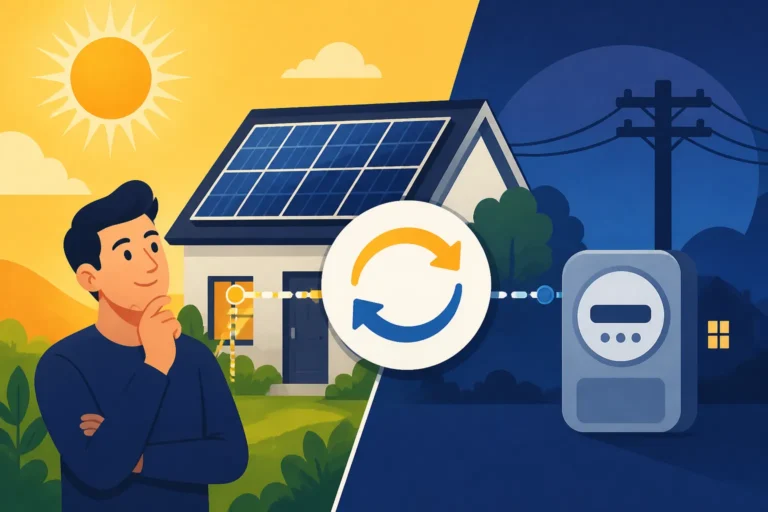
This is where a significant portion of your daily savings will come from in Iowa. Net metering is a billing mechanism that credits solar energy system owners for the electricity they add to the grid. When your solar panels produce more electricity than your home consumes, that excess power is sent back to the grid. Your utility then credits your account for this electricity. When your panels aren't producing enough (like at night or on very cloudy days), you draw power from the grid, and your credits help offset those charges.
In Iowa, net metering policies are generally strong, though they can vary slightly by utility. Most investor-owned utilities, like MidAmerican Energy and Alliant Energy, offer net metering programs. Under these programs, you usually receive bill credits for the excess electricity your system generates at a rate close to the retail electricity price. This means every electron your panels produce is essentially helping you reduce your electricity bill. These credits typically roll over month-to-month, and if you have a significant surplus at the end of an annual billing cycle, some utilities might pay you out at an "avoided-cost rate," which is often lower than the retail rate. Understanding "Net Metering Explained: How It Works by State" can help clarify these nuances.
It's absolutely critical to confirm the specific net metering rules with your local utility provider before installing solar. Policies can change, and knowing the current terms ensures you accurately project your savings. For instance, while California transitioned to NEM 3.0, Iowa's net metering landscape in 2026 remains generally favorable, often offering full retail credit for exported energy, up to a certain system size.
Local Utility Rebates and How to Find Them
Beyond statewide property tax exemptions and net metering, a significant chunk of your potential savings will come from your specific utility company. These rebates are often overlooked but can provide a substantial upfront reduction in your solar installation costs.
Digging into Investor-Owned Utility Offerings
Iowa's two largest investor-owned utilities are MidAmerican Energy and Alliant Energy. Both have historically offered various programs to support renewable energy, including solar.
- MidAmerican Energy: For MidAmerican Energy customers, you'll want to check their specific programs directly. While they may not have direct, broad solar rebates every single year, they often participate in broader energy efficiency and renewable energy initiatives. For example, they might offer incentives for commercial solar or certain energy storage projects, which indirectly supports the solar market. They are also active in offering robust net metering programs for residential customers, as discussed earlier. Their website is typically the best place to find the most up-to-date information on any available rebates or special programs for residential solar installations.
- Alliant Energy: Similarly, Alliant Energy, serving a large portion of Iowa, has also engaged in various renewable energy efforts. They generally offer a straightforward net metering program for residential solar customers. While explicit cash rebates for new residential solar installations might be seasonal or limited, it's worth checking their "PowerPartner" programs or similar initiatives. Sometimes, incentives are tied to energy efficiency upgrades that complement solar, or they might offer pilot programs for battery storage. Always check Alliant Energy's official website or contact their customer service to inquire about current residential solar incentives.
The key takeaway here is that these utilities don't always advertise residential solar rebates in a flashy way. Sometimes you have to dig a little, or even ask your chosen solar installer, as they often have the most current information on local offerings.
Cooperative and Municipal Utility Opportunities
Don't overlook the smaller players! Iowa has a significant number of rural electric cooperatives (RECs) and municipal utilities that serve various communities. These smaller utilities often have their own incentive structures, which can sometimes be even more generous than those from the larger investor-owned companies, or at least tailored to their specific member needs.
For example, a municipal utility in a town like Ames or Cedar Falls might have a local rebate program or a special financing option for residents installing solar. Rural electric cooperatives, such as those under the Iowa Association of Electric Cooperatives banner, also encourage renewable energy. While they might not all offer direct cash rebates, they almost universally participate in net metering, which is the most critical financial incentive for grid-tied solar. Some might offer energy efficiency audits that could highlight ways to reduce your energy consumption before going solar, thus optimizing your system size and cost.
To find out what's available in your specific area, the best approach is to:
- Identify your exact utility provider (this is crucial!).
- Visit their official website and look for sections on "renewable energy," "solar," or "incentives."
- Contact their customer service department directly and ask about residential solar incentives, net metering rules, and any specific rebate programs.
- Consult with local solar installers. Reputable installers are typically well-versed in all local, state, and federal incentives and can help you navigate the application processes. For more help with this, check out our guide on "Utility Solar Rebates: How to Find Yours".
Maximizing Your Solar Savings: Practical Steps
Getting solar in Iowa isn't just about slapping panels on your roof; it's about smart planning and strategic financial decisions. Maximizing your savings means understanding how to stack incentives and consider all aspects of your investment.
Combining Multiple Incentives
One of the most effective strategies for maximizing your solar savings in Iowa is to combine the federal tax credit with state and local programs. This "stacking" of incentives can significantly reduce your upfront costs and shorten your payback period.
Here’s a common scenario:
- Start with the Federal Credit: As an Iowa homeowner, your solar installation in 2026 will still qualify for the 30% federal Residential Clean Energy Credit. This immediately takes a substantial chunk off the total cost.
- Add Property Tax Exemption: Your property tax bill won't increase due to the added value of your solar system, saving you money year after year. This isn't an upfront saving, but it's a very real long-term financial benefit.
- Factor in Net Metering: Your monthly electricity bills will be drastically reduced, potentially to zero, thanks to net metering credits. Any excess energy generated helps offset future usage, turning your meter backward, metaphorically speaking, or at least stopping it from spinning forward when you're over-producing.
- Seek Out Utility-Specific Incentives: While not always available, keep an eye out for any specific rebates or programs offered by MidAmerican Energy, Alliant Energy, or your local co-op/municipal utility. These can be cash back, low-interest loan options, or other valuable perks.
Let’s say you install a $25,000 solar system. The 30% federal tax credit alone is $7,500. This brings your effective cost down to $17,500 before factoring in any other savings. Then, imagine avoiding property tax increases that could amount to hundreds or even thousands over five years, plus dramatically lower monthly utility bills. It really adds up!
The Role of Property and Sales Tax Exemptions
Let's dive a little deeper into these often-misunderstood tax benefits, specifically how they play out in Iowa.
Property Tax Exemption: This is a big one in Iowa for solar homeowners. As mentioned, the Iowa Code Section 427.1(29) generally allows for a property tax exemption for the increased value of property due to the installation of a renewable energy system, including solar. This means that if your home's value goes up by $10,000 after installing solar, you won't pay property taxes on that additional $10,000 of assessed value for a period of five years. This can save you a significant amount over half a decade, depending on your local property tax rates. For example, if your property tax rate is 2% and the solar system adds $10,000 in value, you're saving $200 per year, or $1,000 over five years. This is pure savings directly to your pocket. Understanding "How Do Property Tax Exemptions for Solar Work?" can provide more context on how this mechanism applies.
Sales Tax Exemption: Unfortunately, Iowa does not currently offer a statewide sales tax exemption for solar energy equipment. This means you will likely pay Iowa's sales tax (currently 6%) on the purchase and installation of your solar panels and associated equipment. While this is a cost, the other incentives often outweigh this initial expense. It's always a good idea to confirm with your solar installer exactly what the sales tax implications will be on your specific quote.
Here's a quick look at the main incentives available in Iowa for residential solar in 2026:
| Incentive Type | Description | Benefit | Status |
|---|---|---|---|
| Federal Residential Clean Energy Credit | A federal income tax credit equal to 30% of the cost of your solar PV system. | Reduces federal tax liability; any excess can be carried forward. | Active |
| Iowa Property Tax Exemption | Exempts the increased value of your home due to solar installation from property taxes for five years. | Reduces annual property tax burden. | Active |
| Net Metering | Credits for excess electricity your solar system sends back to the grid, typically at or near retail rates. | Significantly reduces or eliminates monthly electricity bills. | Active |
| Utility Rebates | Potential cash rebates or other incentives offered by individual utility companies (e.g., MidAmerican Energy, Alliant Energy, co-ops). | Reduces upfront installation costs. | Varies by Utility |
| Solar Sales Tax Exemption | Exemption from state sales tax on solar equipment and installation. | Reduces upfront cost. | Not Available |
Remember, the combination of these incentives, especially the federal tax credit and net metering, often makes solar a very financially sound investment in Iowa, even without a specific state income tax credit.
Going solar in Iowa is certainly still a worthwhile endeavor. While it’s true that you won’t find a sweeping state income tax credit like some other places, the robust federal Residential Clean Energy Credit, coupled with Iowa’s valuable property tax exemption and favorable net metering policies, creates a strong financial case for clean energy. It’s about taking the time to understand all the pieces of the puzzle and working with a knowledgeable local installer who can help you maximize every available dollar. Don't let the noise about changing federal incentives deter you; the Hawkeye State still offers plenty of sunshine for your solar savings.
Disclaimer
The information provided in this article is for general informational purposes only and does not constitute financial, tax, or legal advice. Solar incentives and policies can change rapidly. Readers are strongly advised to consult with a qualified tax professional, financial advisor, and local solar installers to verify the most current and applicable incentives for their specific situation and location in Iowa. Always check with your local utility provider for the most up-to-date net metering rules and any available rebates.