Maine Solar Incentives in 2026
Are you feeling the pinch of rising electricity bills in Maine, constantly wondering if there's a better way to power your home without breaking the bank? The thought of going solar might have crossed your mind, but the sheer volume of information—or lack thereof—about state-specific incentives can be incredibly overwhelming. This guide is here to cut through the confusion, offering you a clear, realistic look at the solar incentives available to Maine homeowners, helping you understand how to harness the sun and save money.
Navigating Maine's Solar Landscape in 2026
Maine, often celebrated for its rugged coastlines and beautiful forests, is also making quiet strides in renewable energy. While you might associate solar with sunnier states, the Pine Tree State offers a surprisingly robust framework to encourage homeowners to embrace solar power. Understanding these incentives is the first crucial step to making solar a smart investment for your home.
The Current State of Solar in Maine
The solar landscape in Maine has seen consistent growth, fueled by both a desire for energy independence and supportive state policies. Over the past few years, Maine has solidified its commitment to clean energy, recognizing the economic and environmental benefits of increasing solar adoption. This commitment translates into tangible benefits for homeowners looking to install solar panels. While the state might not have the continuous sunshine of Arizona or California, advancements in solar technology mean panels are more efficient than ever, performing well even on cloudy days or with shorter daylight hours in winter. This makes solar a viable and increasingly attractive option for many Mainers, from Portland to Presque Isle.
Federal Incentives Still Available
Even with all the focus on state-specific programs, it’s vital not to overlook the powerful federal incentives that still exist. The Investment Tax Credit (ITC), often referred to as the federal solar tax credit, remains a cornerstone of solar financing across the U.S., including right here in Maine. This incentive allows homeowners to claim a significant percentage of their solar energy system's cost as a credit on their federal income taxes.
As of 2026, the federal solar tax credit stands at a generous 30% of the total cost of your solar installation, including equipment, labor, and installation. This credit is not a deduction; it’s a dollar-for-dollar reduction in the amount of income tax you owe. For example, if your solar system costs $25,000, you could receive a $7,500 tax credit. This rate is set to continue through 2032, providing a long window for homeowners to take advantage. It's a massive incentive that significantly reduces the upfront cost, making solar more affordable for families throughout Maine. Keep in mind that this is a non-refundable credit, meaning you need to have a tax liability to claim it, but any unused portion can often be carried forward to future tax years. For more in-depth information on federal support, you might want to read our guide on the Solar Tax Credit 2026: What Happened to the Federal Credit.
Key State and Local Solar Incentives in Maine
Beyond the federal push, Maine itself has implemented several programs and policies designed to make residential solar more attractive and economically feasible. These state-level incentives are often the differentiating factor that turns a potential solar project into a definite one, especially when combined with federal benefits.
Maine's Net Energy Billing Program
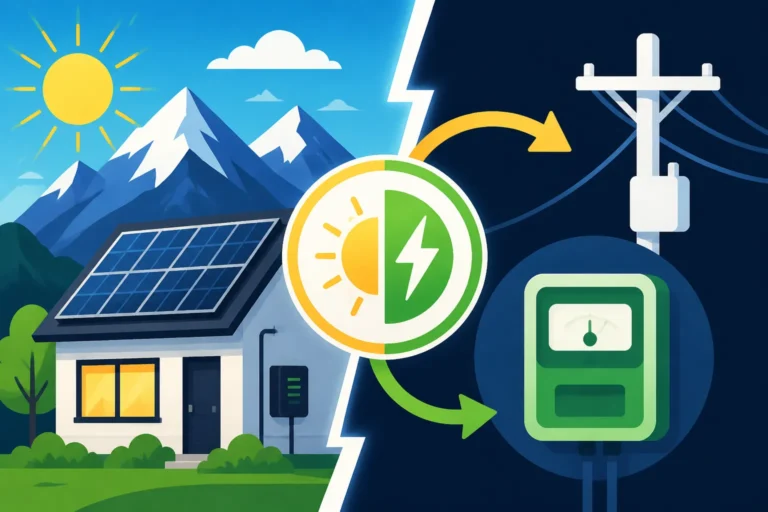
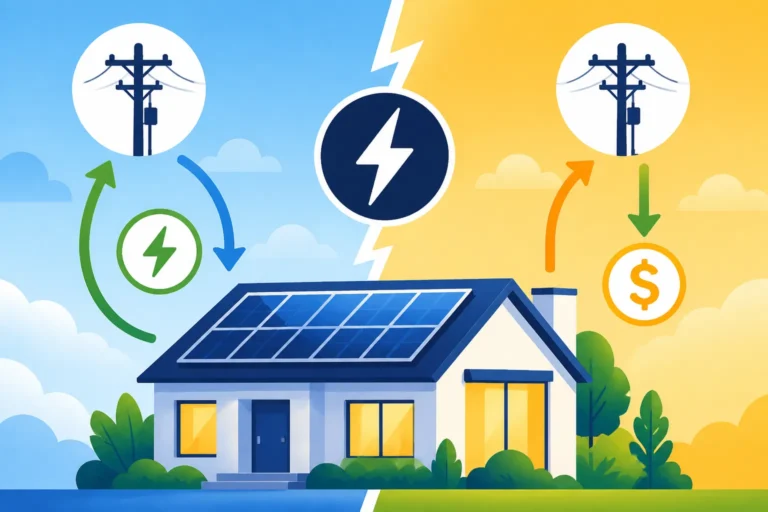
One of the most impactful incentives for solar homeowners in Maine is the state's Net Energy Billing program, which is Maine's version of net metering. This program allows you to send any excess electricity your solar panels produce back to the grid. In return, your utility company provides you with credits on your electricity bill. The beauty of net energy billing is that it essentially treats the grid like a giant battery for your home.
Under Maine's Net Energy Billing program, customers are compensated for the excess electricity they generate at a rate that reflects the value of that energy. The compensation mechanism aims to provide fair credit for the energy you contribute, helping to offset your consumption during times when your solar panels aren't producing enough power, like at night or on very cloudy days. While the specifics can vary slightly between utilities like Central Maine Power (CMP) and Versant Power, the core principle remains: you get credit for what you send to the grid, reducing your overall electricity costs. This program is crucial for maximizing your savings and reaching that coveted "zero electricity bill" status. To fully grasp how this works and its implications for your savings, explore our detailed explanation of Net Metering Explained: How It Works by State.
Property and Sales Tax Exemptions
Nobody wants to pay more taxes, especially after investing in a home improvement project. Thankfully, Maine offers some relief when it comes to taxes and solar energy systems.
First, let's talk about solar property tax exemptions. Typically, when you make a significant improvement to your home, like adding a new deck or renovating a kitchen, your property’s assessed value increases, which can lead to higher property taxes. However, in Maine, state law often exempts the value added by a solar energy system from property tax assessments. This means you get to enjoy the benefits of reduced electricity bills and increased home value, without the added burden of an inflated property tax bill directly due to your solar installation. This exemption makes the financial case for solar even stronger, as it prevents an unexpected increase in your annual housing costs. You can learn more about how this works generally by checking out Solar Property Tax Exemptions by State.
Secondly, Maine provides a sales tax exemption for solar energy equipment. This means that when you purchase solar panels and related components for your home, you typically won't have to pay state sales tax on those items. Considering the substantial cost of a complete solar energy system, this exemption can translate into significant upfront savings, sometimes thousands of dollars depending on the size and cost of your system. This immediate saving helps reduce the total investment required, making solar more accessible from the get-go. For broader details, our article on Solar Sales Tax Exemptions by State offers a great overview.
Utility-Specific Rebates and Programs
While statewide programs are important, don't forget to check with your local electric utility provider. In Maine, utilities like Central Maine Power (CMP) and Versant Power sometimes offer their own solar rebate programs or special incentives that can further reduce your installation costs. These utility rebates are often designed to encourage specific types of renewable energy adoption or to help manage grid demand in their service areas.
These programs can come in various forms, such as:
- Direct Rebates: A one-time payment or credit on your bill after your solar system is installed and operational.
- Performance-Based Incentives (PBIs): Payments based on the actual electricity your system generates over a period of time.
- Loan Programs: Sometimes utilities partner with financial institutions to offer favorable loan terms for solar installations.
It's absolutely critical to visit the websites of your specific utility provider (e.g., CMP, Versant Power) or call their customer service lines to inquire about any active programs. Eligibility requirements and available funds can change, so it's always best to get the most current information directly from the source. These programs can often be combined with federal tax credits and state net energy billing, creating a powerful stack of incentives that dramatically improve your solar return on investment. If you're looking for strategies to uncover these local gems, our article Utility Solar Rebates: How to Find Yours is an excellent resource.
Understanding Solar Renewable Energy Credits (SRECs) in Maine
The world of solar incentives can sometimes feel like alphabet soup, and SRECs are one of those terms that often come up. It's important to understand if and how they apply to solar homeowners in Maine.
Does Maine Have an SREC Market?
Unlike some states with robust, standalone SREC markets like Massachusetts or Maryland, Maine's approach to valuing solar generation is primarily integrated into its Net Energy Billing program. This means that while you are compensated for the electricity your solar panels produce and send back to the grid, Maine doesn't operate a separate, independent market where you trade SRECs as distinct commodities. In states with SREC markets, utilities or other electricity suppliers are often mandated to source a certain percentage of their electricity from renewable sources. If they don't generate it themselves, they can buy SRECs from homeowners or other solar producers to meet their compliance obligations.
Maine's regulatory framework under the Public Utilities Commission (PUC) generally focuses on ensuring fair compensation through the net energy billing mechanism, rather than establishing a separate market for SRECs. While the concept of renewable energy credits (RECs) exists and is part of Maine's broader renewable energy goals, homeowners typically don't engage in the direct buying and selling of SRECs in the same way they might in states with established SREC markets. The value of your solar generation is primarily captured through bill credits and reduced electricity purchases from your utility. For a deeper dive into the general concept of these credits, our guide on SRECs Explained: Selling Solar Renewable Energy Credits provides valuable context.
How to Participate and Maximize Value
Given that Maine doesn't have a traditional SREC market for individual homeowners to trade, maximizing the value of your solar production primarily revolves around optimizing your system's performance and leveraging the Net Energy Billing program.
Here’s how you can make the most of your solar investment in Maine:
- System Sizing and Design: Work with a reputable solar installer to design a system that optimally matches your household's electricity consumption. An appropriately sized system ensures you're producing enough to cover your needs, potentially generating excess for net energy billing credits.
- Energy Efficiency: Before or concurrently with solar installation, consider improving your home's energy efficiency. Reducing your overall electricity demand means a smaller solar system can achieve greater offsets, maximizing the impact of your credits.
- Monitor Production: Regularly monitor your solar system's performance using the provided monitoring tools. This helps you quickly identify any issues that might be reducing your output, ensuring you're always producing at peak efficiency.
- Understand Your Bill: Familiarize yourself with how your utility company applies net energy billing credits to your monthly statement. Knowing how credits roll over or are compensated can help you understand your savings.
While you won't be actively selling SRECs in a separate market, the combined effect of federal tax credits, property and sales tax exemptions, and Maine's Net Energy Billing program creates a compelling financial case for solar. If Maine were to implement a direct SREC market in the future, the steps outlined in our guide on How to Sell SRECs (SRECTrade, Sol Systems) would become highly relevant for direct participation.
Financing Your Solar System in Maine
The upfront cost of a solar panel system can be a significant hurdle for many homeowners, even with all the available incentives. Thankfully, there are several financing options in Maine that can make going solar more accessible without requiring a large out-of-pocket investment.
Loan Options and PACE Programs
For many Mainers, purchasing a solar system outright with cash isn't feasible. This is where solar loans come into play, allowing you to finance the installation and pay it off over time, often with monthly payments that are comparable to or even less than your previous electricity bills.
Here's a breakdown of common loan options:
- Secured Solar Loans: These loans are typically backed by your property (like a home equity loan or HELOC) or the solar system itself. They often come with lower interest rates because of the collateral. Many banks and credit unions across Maine, such as Bangor Savings Bank or Maine State Credit Union, offer these types of home improvement loans.
- Unsecured Solar Loans: These are personal loans that don't require collateral. While they might have slightly higher interest rates, they can be quicker to approve and involve less paperwork.
- FHA Title I Loans: Backed by the Federal Housing Administration, these loans can be used for home improvements, including solar installations. They offer attractive terms and can be a good option for those who qualify.
It's always smart to shop around for the best interest rates and terms, comparing offers from multiple lenders. Understanding the ins and outs of various financing pathways is crucial, so be sure to check out our comprehensive guide on Solar Loans: Complete Guide.
Regarding PACE (Property Assessed Clean Energy) financing, this is a unique financing mechanism where the cost of energy-efficient improvements, including solar, is repaid through an assessment on your property tax bill. The loan is tied to the property, not the homeowner, and transfers with the sale of the home. While PACE programs are available in many states, Maine does not currently have a statewide commercial or residential PACE program readily available to all homeowners as of 2026. If you hear about PACE in Maine, it's typically through specific municipal initiatives or pilot programs, so it's essential to verify its availability in your exact locality. Even without broad PACE availability, the existing loan options, combined with the federal tax credit and state incentives, still make solar highly achievable. For general information on how PACE works, you can explore PACE Financing for Solar: How It Works.
Low-Income Solar Programs
Ensuring that solar energy is accessible to everyone, regardless of income level, is a growing priority. In Maine, efforts are underway to provide resources and assistance to low-income households that want to benefit from solar power. While specific statewide programs can evolve, here's what you should know:
- Community Solar Initiatives: Maine has been expanding its community solar programs, which allow residents to subscribe to a share of a larger, off-site solar farm. This is particularly beneficial for renters, those with shaded roofs, or low-income households who cannot install rooftop solar directly. Subscribers receive credits on their electricity bills for the power generated by their share of the community solar project. Many community solar projects prioritize or offer specific discounts for low-to-moderate income households.
- Energy Efficiency Programs: Often, solar incentives are complemented by energy efficiency programs that can help low-income residents reduce their overall energy consumption. Programs like LIHEAP (Low Income Home Energy Assistance Program) or weatherization assistance can free up funds that might indirectly help with energy independence goals, or directly lead to a smaller, more affordable solar system being needed.
- Non-Profit and Grant Opportunities: Keep an eye out for grants or assistance offered by non-profit organizations focused on environmental justice or sustainable energy. These organizations sometimes secure funding to help low-income families transition to solar.
Navigating these programs can sometimes require a bit of research and advocacy. Local community action agencies or housing authorities are excellent starting points for information on current assistance programs. These programs are vital for expanding solar access and ensuring that the benefits of clean energy are shared equitably. Our article on Low-Income Solar Programs & Assistance offers more national context and strategies for finding such aid. Additionally, if you're considering adding energy storage, some programs might also offer Solar Battery Incentives in 2026 to enhance energy resilience.
Here's a quick overview of key Maine solar incentives:
| Incentive Type | Description | Benefit to Homeowner |
|---|---|---|
| Federal Solar Tax Credit (ITC) | A federal income tax credit equal to 30% of the cost of your solar energy system, including equipment and installation. | Directly reduces your federal tax liability dollar-for-dollar. Can be carried forward if not fully used in one year. |
| Maine Net Energy Billing | Allows homeowners to send excess solar electricity back to the grid and receive credits on their utility bill, typically at a favorable rate. | Reduces or even eliminates monthly electricity bills, turning your meter backward or generating bill credits. |
| Property Tax Exemption | Maine law often exempts the value added to a home by a solar energy system from property tax assessments. | Prevents an increase in your annual property taxes, even though your home's value and energy independence have increased. |
| Sales Tax Exemption | Purchases of solar energy equipment and related components are exempt from state sales tax. | Provides significant upfront savings on the total cost of your solar system. |
| Utility Rebates | Specific programs offered by local utilities (e.g., Central Maine Power, Versant Power) which may include direct rebates, performance incentives, or loan programs. (Availability varies by utility and time, requires direct inquiry). | Further reduces the upfront cost of installation or provides ongoing financial benefits based on system performance. |
| Community Solar | Allows participation in larger, off-site solar farms, receiving bill credits for a share of the generation, often with specific programs for low-to-moderate income subscribers. | Offers solar benefits without needing rooftop installation, ideal for renters or homes with unsuitable roofs. Provides bill savings and supports clean energy. |
The decision to go solar in Maine is a multifaceted one, but with these robust incentives, it’s clearer than ever that the Pine Tree State is a promising place for homeowners to make the switch. From substantial federal support to tailored state policies and potential local programs, the financial landscape is designed to make your transition to clean, renewable energy both achievable and rewarding. It's truly a great time to evaluate if going solar is right for you, helping you save money while contributing to a greener future for Maine. For a broader perspective on the overall benefits, you might consider reading if Are Solar Panels Worth It in 2026?
Disclaimer
Please note that incentive programs, rebate amounts, and eligibility requirements are subject to change. While we strive to provide the most up-to-date information, it is crucial to verify all details with local solar installers, utility companies, and relevant government agencies before making any purchasing decisions. Tax incentives are dependent on your individual tax situation; consult with a qualified tax professional for personalized advice.