Solar Installation Process in Indiana
Thinking about going solar in Indiana can feel like stepping into a maze. You're probably excited about the potential savings and energy independence, but also a little overwhelmed by all the talk of permits, incentives, and utility rules. It's a lot to navigate, and that's why this guide is here to demystify the solar installation process specifically for homeowners in the Hoosier State, giving you a clear roadmap from curiosity to clean energy.
Understanding Indiana's Solar Landscape Before You Begin
Before you even start thinking about panels on your roof, it's really important to get a handle on the unique solar environment here in Indiana. Every state has its own quirks, and knowing ours upfront can save you a lot of headaches and help you maximize your investment.
Key Regulatory Bodies and Local Permitting Nuances
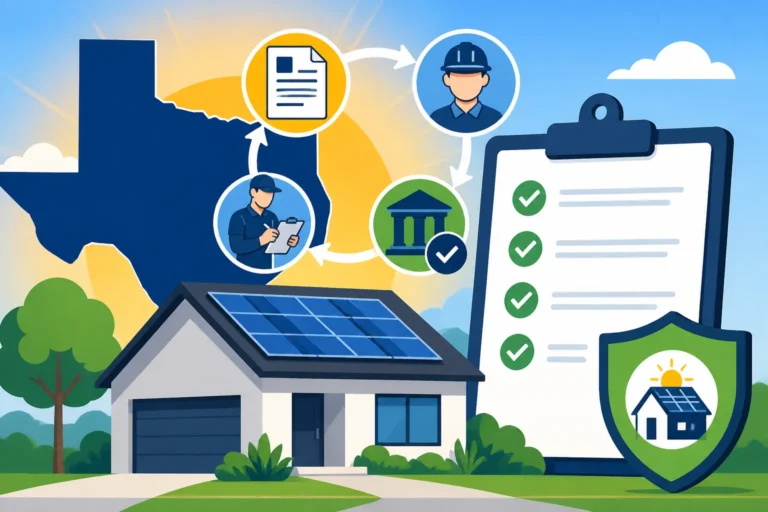
Navigating the local bureaucracy can feel like a full-time job, but understanding who's in charge helps immensely. In Indiana, solar projects typically fall under the jurisdiction of your local municipal or county building department. This means if you live in Indianapolis, your requirements might be slightly different from someone in Fort Wayne or Bloomington. Each locality will have its own specific codes, zoning ordinances, and structural requirements that your solar installation needs to meet. This is where a good solar installer really shines, as they should be intimately familiar with these varying local rules. They'll know, for instance, that a historic district might have stricter aesthetic guidelines, or that a particular county might require an additional electrical inspection beyond the standard. They also handle the necessary paperwork for interconnection with your utility, which is a whole other layer of approvals. If you're looking for an installer, platforms like Modernize can help connect you with local professionals who are experienced with Indiana's specific permitting processes.
Net Metering and Interconnection in Indiana
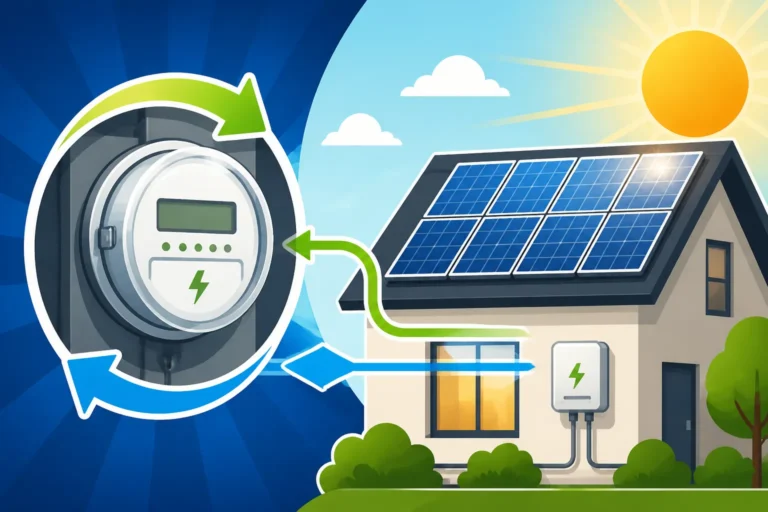
The way your solar system interacts with the utility grid is crucial for your savings, and in Indiana, this has seen some changes. While Indiana historically offered favorable full retail net metering, the landscape has shifted with Net Metering Explained: How It Works by State transition rules. For most new solar customers connecting to the grid today, especially after July 1, 2022, the state has moved towards an "excess distributed generation" (EDG) rate. This means that if your solar panels produce more electricity than you're consuming at any given moment, your utility will credit you for that excess power at a lower, wholesale rate rather than the full retail rate you pay for electricity. This makes sizing your system precisely to your needs even more critical and often makes Is It Worth Adding a Battery to My Solar System? a more attractive option to store your excess power for later use, reducing reliance on the grid and maximizing your self-consumption.
The interconnection process itself involves applying to your utility company (like Duke Energy Indiana, NIPSCO, or AES Indiana) to connect your new solar system to their grid. This typically involves submitting an application, system design documents, and sometimes an inspection by the utility. It's a formal process that ensures your system is safe and compatible with their infrastructure. Without proper interconnection approval and what's called "Permission to Operate (PTO)," you cannot legally switch on your solar system and send power back to the grid. This can be a lengthy process, often taking weeks or even months, depending on the utility's backlog and the complexity of your project.
State and Local Incentives for Indiana Homeowners
While the federal solar tax credit is a huge driver for solar nationwide, Indiana also offers some specific benefits that can make your project more affordable. One of the most significant advantages for Indiana homeowners is the Solar Property Tax Exemptions by State. This means that if your solar panel system increases the value of your home, you won't be hit with higher property taxes solely due to that increase, which is a pretty sweet deal! This helps preserve the financial benefits you gain from going solar without unexpected burdens.
Beyond property tax exemptions, it’s always worth checking for Utility Solar Rebates: How to Find Yours. While these can vary widely and change over time, some local utilities might offer their own incentives. For example, some municipal utilities or electric cooperatives might have small one-time rebates or specific programs to encourage renewable energy adoption among their members. These aren't as widespread or significant as statewide programs in some other states, but every little bit helps. To find out what might be available in your area, a reputable installer will often have the most up-to-date information, or you can directly check your utility provider's website. Unfortunately, Indiana doesn't currently offer a statewide solar tax credit like some other states do, but the property tax exemption is a solid benefit that many overlook.
The Step-by-Step Solar Installation Journey in Indiana
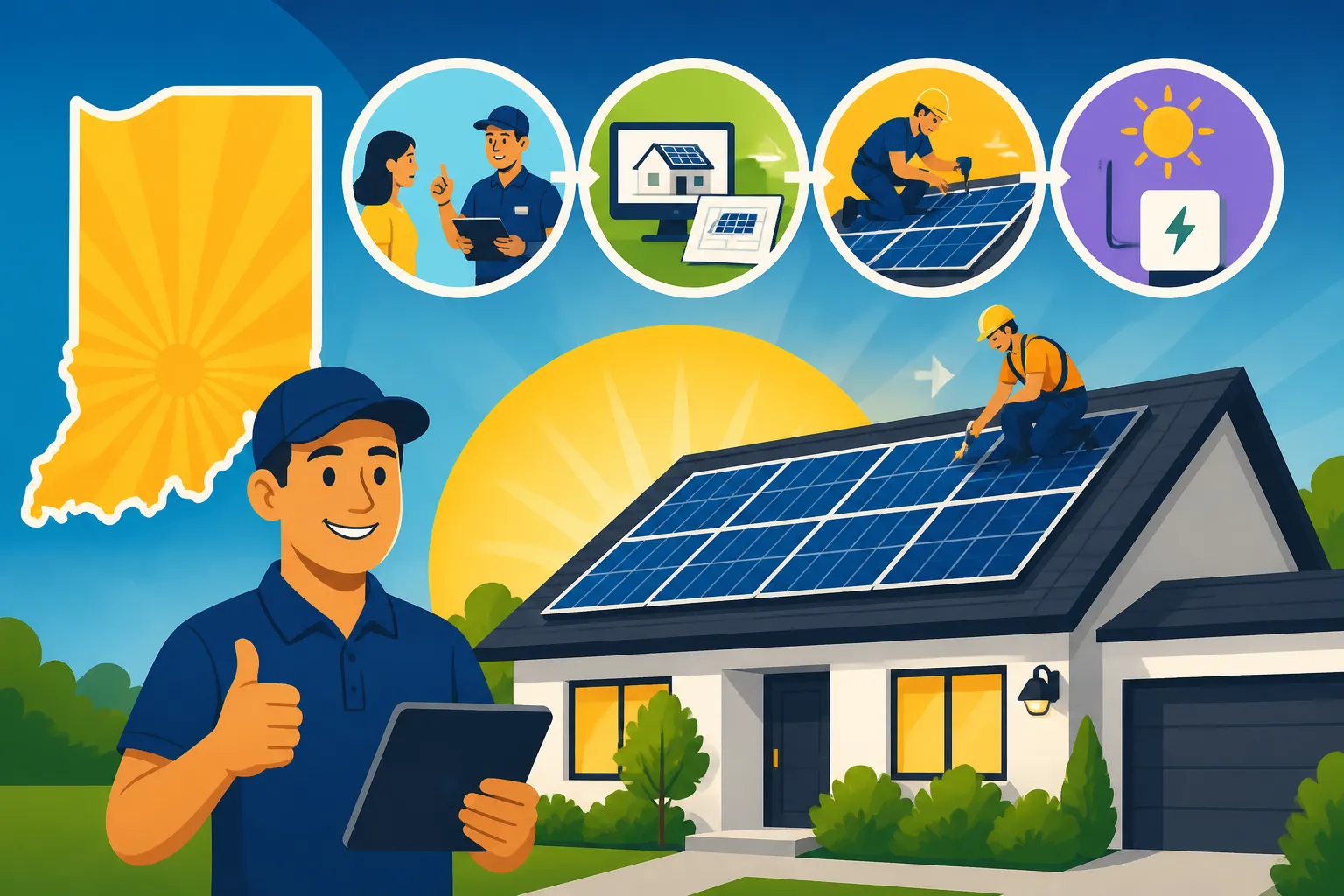
So, you've decided to move forward – awesome! Now, let's talk about what the actual process looks like, from that first conversation to flipping the switch on your brand-new solar system. It’s a series of well-defined steps, and knowing them helps manage expectations.
Initial Consultation and Site Assessment
This is where your solar journey truly begins. You'll connect with a solar installer, and they'll set up an initial consultation, often at your home. During this meeting, they’ll discuss your energy goals, current electricity usage, and assess your property's solar potential. This isn't just a quick look at your roof; a good installer will conduct a thorough site assessment. This often involves:
- Roof Evaluation: They'll inspect your roof's condition, age, material (asphalt shingles, metal, tile), and structural integrity. They need to ensure it can safely support the weight of the panels and that it has enough life left to avoid a costly Do I Need a New Roof Before Solar? replacement shortly after installation.
- Shading Analysis: They'll use specialized tools to map out any potential shading from trees, chimneys, or neighboring buildings throughout the year. Even a little bit of shade can significantly impact your system's efficiency.
- Energy Audit: They'll look at your past electricity bills to understand your consumption patterns. This is crucial for correctly sizing your system so it meets your needs without over-producing (especially important given Indiana's EDG rates) or under-producing.
- Electrical Panel Inspection: They'll check your home's electrical panel to ensure it has enough capacity for the new solar system. Sometimes, an upgrade to your main service panel is necessary, which can be an additional cost.
This initial phase is also your chance to ask all your burning questions and compare different installers. Don't be shy! Websites like Modernize can help you find installers in your area and get competing quotes, which is always a smart move.
Design, Permitting, and Equipment Procurement
Once the site assessment is complete and you've chosen an installer and signed a contract, the real planning begins. This stage is primarily handled by your solar provider, but it's good to know what's happening behind the scenes.
- System Design: Based on the site assessment and your energy needs, engineers will design a custom solar system for your home. This includes deciding on the number and type of solar panels, the inverter technology (microinverters or string inverters), and the optimal placement of panels for maximum sun exposure. They'll create detailed blueprints that show panel layout, electrical schematics, and how the system will integrate with your home's existing electrical infrastructure. If you're interested in knowing more about components, you might want to read about Enphase vs SolarEdge: Which Inverter Is Better?
- Permitting: This is arguably the most time-consuming part of the pre-installation phase. Your installer will prepare and submit all necessary applications to your local building department for permits. This includes electrical permits, building permits, and sometimes zoning permits. They will also handle the interconnection application with your utility company. These applications need to meet strict local and state codes, and any discrepancies can lead to delays. The wait for permit approval can range from a few weeks to several months, depending on your municipality's workload. Patience is definitely a virtue here!
- Equipment Procurement: While permits are being processed, your installer will order all the necessary equipment, including solar panels, inverters, racking, wiring, and any battery storage if you opted for it. The availability of specific brands and models can sometimes influence the timeline, but reputable installers usually have good supply chain relationships. If you're curious about panel specifics, check out What Affects the Cost of Solar Panels? to learn more about factors that influence the price and performance of different solar technologies.
Physical Installation and System Activation
This is the exciting part where you actually see panels going onto your roof! The physical installation is usually much quicker than the permitting phase.
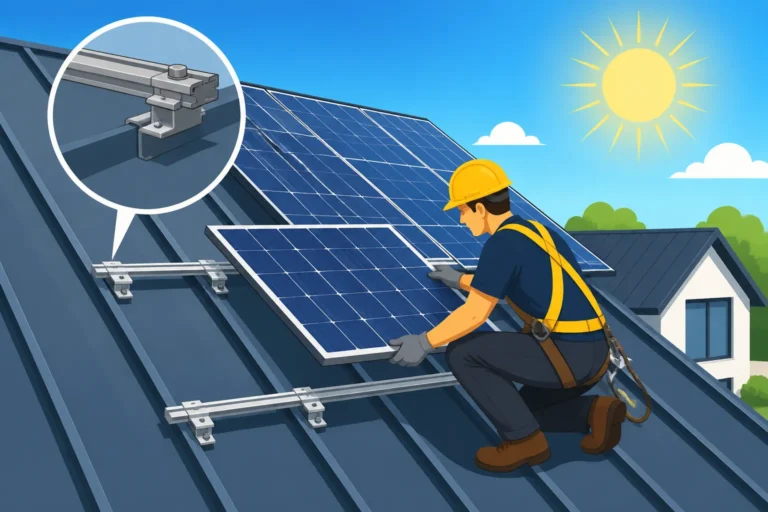
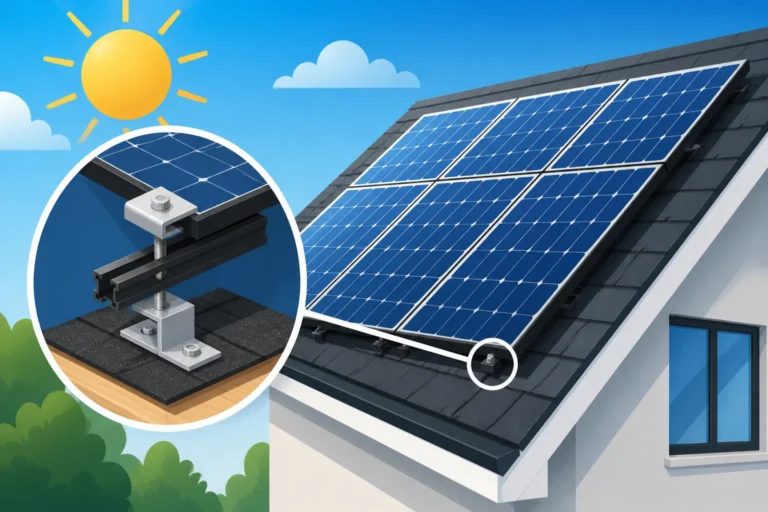
- Installation Day(s): Once all permits are approved and equipment has arrived, the installation crew will get to work. They'll start by installing the racking system on your roof, which serves as the framework for the panels. Then, the solar panels themselves are mounted onto the racking. After that, the electrical wiring is run, connecting the panels to your inverters and then to your home's main electrical panel. This typically takes 1-3 days, depending on the size and complexity of your system. Throughout this process, safety is paramount, and certified electricians ensure all electrical work complies with codes. For a deeper dive into the mechanical side, you can explore How Are Solar Panels Installed? Step by Step.
- Inspections: After the physical installation is complete, several inspections are required. First, your local building department will conduct a final inspection to ensure the system was installed according to the approved permits and local codes. Then, your utility company will perform its own inspection to verify that the system is safely interconnected to their grid. This final utility inspection is what typically leads to the coveted "Permission to Operate" (PTO).
- System Activation (PTO): Once you receive PTO from your utility, you're officially good to go! Your installer will help you flip the switch, activating your system and allowing it to start generating clean electricity for your home. It's a truly rewarding moment to see your meter start spinning backward (or at least slowing down significantly!).
What to Expect After Your Indiana Solar Installation
Congratulations, you're now a solar homeowner in Indiana! But the journey doesn't quite end there. There are still a few things to keep in mind to ensure your system performs optimally and you continue to reap the benefits for years to come.
Monitoring Your System's Performance
Modern solar systems come with sophisticated monitoring capabilities, usually through an app on your smartphone or a web portal. This technology allows you to track your system's real-time electricity production, daily and monthly generation, and even your overall environmental impact. For example, many Enphase and SolarEdge systems offer user-friendly apps that provide detailed insights into each panel's performance.
Regularly checking your monitoring portal is highly recommended. It helps you:
- Spot Issues Early: If you notice a sudden drop in production or one panel consistently underperforming, it could indicate an issue that needs addressing, such as shading, dirt buildup, or a component malfunction.
- Understand Your Usage: By comparing your solar production with your home's consumption, you can better understand your energy habits and make adjustments to maximize your solar savings, especially with Indiana's EDG rates. You might learn that running the dishwasher during peak sun hours makes a bigger difference than you thought!
- Track Savings: Over time, your monitoring data will clearly show you how much electricity you've generated and how much you're saving on your utility bills. This is a great way to validate your investment.
Maintenance and Warranty Considerations
One of the great things about solar panels is how little maintenance they generally require. Unlike a car, there are no moving parts that need regular oil changes! However, a few considerations can help keep your system running smoothly.
- Cleaning: While rain often does a good job of washing away dirt and dust, you might consider cleaning your panels annually, especially if you live in an area with a lot of pollen, dust, or bird activity. You can usually do this yourself with a hose and a soft brush, or hire a professional. For more details, refer to Solar Panel Maintenance & Cleaning.
- Inspections: It's a good idea to have your installer perform a professional inspection every few years to check wiring, connections, and overall system health. This can catch potential issues before they become serious problems.
- Warranties: Your solar system will come with several warranties:
- Product Warranty: Covers the panels themselves against manufacturing defects, typically 10-25 years.
- Performance Warranty: Guarantees that your panels will produce a certain percentage of their rated power output for 25-30 years.
- Inverter Warranty: Covers your inverters, usually 10-25 years depending on the type.
- Workmanship Warranty: Provided by your installer, covering the installation labor itself, usually 5-10 years.
Understanding these warranties is crucial for peace of mind. Make sure you keep all your warranty documentation in a safe place. If you ever need service, knowing what's covered can save you significant costs.
Selling Your Home with Solar in Indiana
Thinking about selling your home down the road? Having solar panels can be a real asset, potentially increasing your property value and making your home more attractive to environmentally conscious buyers. In Indiana, thanks to the property tax exemption, buyers won't face increased property taxes due to the solar array, which is a major selling point.
However, how the solar system was financed can play a role. If you purchased your system outright with cash or a solar loan, it's typically considered an asset and transfers easily with the home. However, if you have a solar lease or Power Purchase Agreement (PPA), the terms can be a bit more complex. These agreements usually need to be transferred to the new homeowner, and some buyers might be hesitant to take on an existing contract. It's always best to understand the implications of Selling a House With Solar Panels or Buying a House With Leased Solar Panels well in advance of putting your home on the market. A good solar professional or real estate agent familiar with solar can guide you through this process.
Here's a quick overview of the key steps in your solar journey:
| Stage | Key Activities | Estimated Timeframe | Who is Primarily Responsible? |
|---|---|---|---|
| Initial Assessment | Site visit, energy audit, roof inspection, shading analysis, quote generation | 1-2 weeks | Homeowner & Solar Installer |
| Design & Contract | System engineering, final quote, contract signing | 1-2 weeks | Solar Installer & Homeowner |
| Permitting & Interconnection | Local building permits, utility interconnection application | 4-12 weeks (highly variable) | Solar Installer |
| Equipment Procurement | Ordering panels, inverters, racking, etc. | 2-6 weeks (often overlaps with permitting) | Solar Installer |
| Physical Installation | Mounting panels, electrical wiring, system setup | 1-3 days | Solar Installer |
| Final Inspections | Local electrical/building inspection, utility inspection | 1-4 weeks | Local Authorities & Utility Company |
| Permission to Operate (PTO) | Utility grants approval to activate system | 1-2 days after final inspection | Utility Company |
| System Activation | Flipping the switch, monitoring setup | Same day as PTO | Solar Installer & Homeowner |
Disclaimer
This information is intended for educational purposes only and should not be considered professional financial, tax, or legal advice. Solar policies, incentives, and regulations can change frequently. Always consult with a qualified solar professional, tax advisor, or legal expert for advice specific to your situation in Indiana.