How to Get Solar Permits
Navigating the labyrinth of local regulations and paperwork can feel like a daunting task when you're excitedly planning to install solar panels on your home. Many homeowners get overwhelmed by the sheer number of forms, codes, and departments involved, wondering if their solar dreams will get bogged down in bureaucratic red tape. This comprehensive guide will demystify the solar permitting process, helping you understand each step to ensure a smooth transition to clean energy.
Understanding Why Solar Permits Are Essential
It's easy to look at permit requirements as just another hoop to jump through, a bureaucratic headache designed to slow things down. But when it comes to something as significant as adding a power-generating system to your home, these permits serve crucial purposes. They're not just about collecting fees; they're about ensuring safety, compliance, and ultimately, protecting your investment.
Safety First: Protecting Your Home and Family
Think about it: you're attaching electrical equipment to your roof, connecting it to your home's main electrical panel, and potentially feeding excess power back into the utility grid. This isn't a DIY weekend project like painting a fence. Without proper oversight, there could be serious risks. Electrical fires, structural damage to your roof, or even hazards for utility workers if your system isn't safely interconnected are all very real concerns. Permitting ensures that qualified professionals review your plans and inspect the work, verifying that everything meets stringent safety codes designed to protect you, your family, and your property. It's about having peace of mind that your solar setup won't pose unforeseen dangers down the line.
When you're dealing with electricity, especially high-voltage systems, there's no room for guesswork. The electrical components of a solar system, including panels, inverters, and wiring, must be installed according to the National Electrical Code (NEC) as well as any local amendments. This prevents issues like overloaded circuits, improper grounding, and fire hazards. Similarly, the structural integrity of your roof needs to be assessed to ensure it can safely support the added weight of the solar panels, especially during high winds or heavy snow loads. Building permits ensure these structural considerations are met, safeguarding your home from potential damage.
Legal Compliance and Property Value
Beyond immediate safety, permits are your official stamp of approval that your solar installation adheres to all local, state, and national building and electrical codes. Skipping permits, even if the work is done competently, can lead to significant problems. If your locality discovers an unpermitted solar installation, you could face hefty fines, be forced to remove the system, or have to go through a costly retroactive permitting process. Imagine trying to sell your home years down the road, only to find that your solar panels, which you thought were an asset, are now a liability because they lack proper documentation.
An unpermitted system can also complicate home insurance claims. If a fire or damage occurs and it's linked to an unpermitted electrical installation, your insurance company might deny coverage. On the flip side, a properly permitted and installed solar system adds measurable value to your home. Appraisers and potential buyers view permitted solar as a legitimate, valuable upgrade. This is part of why understanding the full process, including getting your solar permit process in California or any other state, is so crucial. It’s an investment in your home's future and its marketability.
The Role of Local Jurisdictions
The specifics of solar permitting can vary significantly even between neighboring cities or counties. While federal and state regulations often provide a baseline, it's the local Authority Having Jurisdiction (AHJ) – typically your city or county building department – that sets the precise requirements. They are the ones who review your plans, issue the permits, and conduct the inspections. This localized approach means that what's acceptable in Phoenix, Arizona, might be different from what's required in San Diego, California.
These local departments are tasked with enforcing building codes, zoning ordinances, and other local regulations. They want to ensure that your solar system integrates seamlessly and safely into the existing infrastructure of your community. This also means that some areas might have stricter aesthetic guidelines or specific rules about how much of your roof can be covered by panels. Reputable solar installers often have extensive experience navigating these local nuances, making them invaluable partners in the permitting journey. They are familiar with the specific requirements of departments like those in Orlando, Florida, or Portland, Oregon, and can streamline the process.
The Different Types of Solar Permits You Might Need
When you go solar, you're not just getting one "solar permit." Rather, you're likely dealing with a combination of permits that cover different aspects of the installation. Understanding these distinctions can help you appreciate the scope of work involved and why each piece of paperwork is necessary.
Electrical Permits
This is perhaps the most critical permit for any solar installation. An electrical permit ensures that all wiring, connections, and components related to your solar system, including the panels, inverters, and the connection to your home's main electrical panel, meet the National Electrical Code (NEC) and any local electrical codes. The local electrical inspector will scrutinize the electrical diagram and the physical installation to confirm everything is up to snuff.
Think of the inverter, which converts the DC electricity from your panels into the AC electricity your home uses, or the main service panel where your solar system ties into your household's electrical grid. These are complex electrical components that require expert installation to prevent hazards. The electrical permit application will typically include detailed schematics, equipment specifications, and a load calculation to ensure your home's electrical system can handle the new power source without issues. Without this permit, you risk serious electrical faults, fires, and potential harm to utility workers during grid maintenance if your system isn't properly isolated.
Building Permits
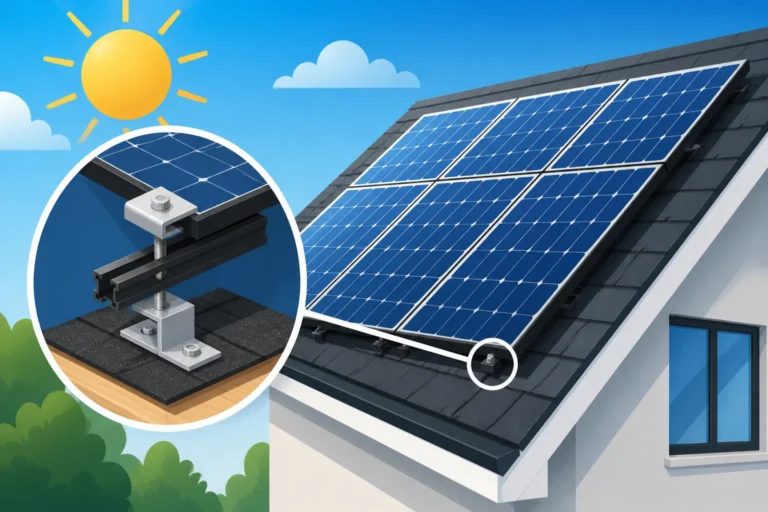
A building permit, also known as a structural permit, focuses on the physical structure of your home, primarily your roof. Solar panels add weight and change the dynamics of how your roof interacts with wind and snow. The building department needs to ensure that your roof's existing structure can safely bear this additional load. This permit also covers how the mounting system for the panels is attached to your roof, guaranteeing it's secure and won't compromise the roof''s integrity or lead to leaks.
For example, if you live in an older home with an aging roof, an inspector might require structural reinforcements or even a new roof before solar panels can be installed. This permit often requires detailed drawings of your roof, the panel layout, and calculations from a licensed structural engineer confirming the roof's capacity. It’s about ensuring that your home remains structurally sound for decades to come, especially given that solar panels are designed to last 25 years or more. A sound roof is critical for long-term solar performance and safety.
Other Potential Permits
While electrical and building permits are almost universally required, you might encounter other permits depending on your specific location and the nature of your property.
- Zoning Permits: Some localities have specific zoning ordinances that dictate where solar panels can be placed, especially in historical districts or areas with homeowner association (HOA) covenants. These permits ensure your installation complies with local aesthetic standards or property line setbacks. It’s always wise to check your HOA rules early in the process.
- Utility Interconnection Agreement: While not a "permit" in the traditional sense, this is a crucial agreement with your local utility company (like PG&E, Con Edison, or Florida Power & Light) that allows you to connect your solar system to their grid. This document outlines how excess electricity will be sent back to the grid, often under a net metering or net billing policy, and how you'll be compensated. This is distinct from permits but equally vital for your system to operate efficiently and legally. Understanding things like what is NEM 3.0 (California Net Billing)? becomes essential here.
- Environmental Permits: In rare cases, particularly for large ground-mount systems or installations in environmentally sensitive areas, additional environmental reviews or permits might be required. These are less common for typical residential rooftop installations but are worth being aware of.
Navigating these various permits can feel complex, which is why many homeowners choose to work with experienced solar companies. A platform like Modernize can help connect you with reputable installers who are well-versed in the local permitting landscape and can manage this entire process on your behalf.
The Typical Solar Permitting Process: A Step-by-Step Walkthrough
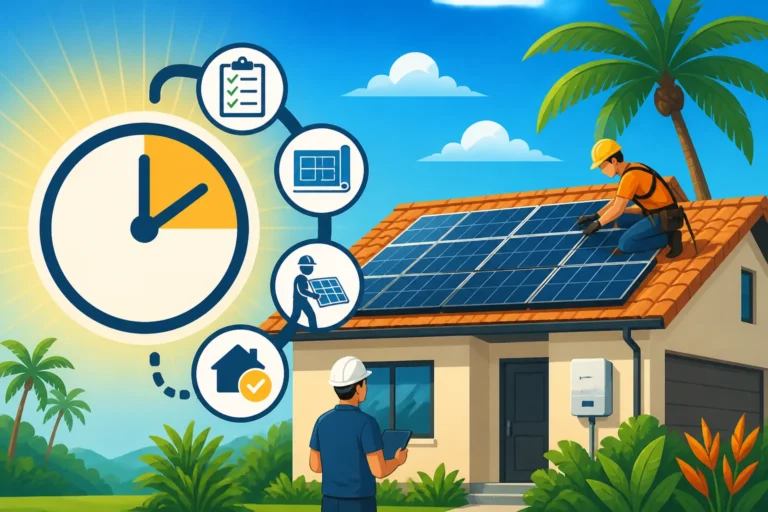
The journey from deciding to go solar to actually generating your own electricity involves several key stages, with permitting sitting squarely in the middle. While the exact steps can vary, there’s a general flow that most homeowners will experience.
Initial Design and Documentation Gathering
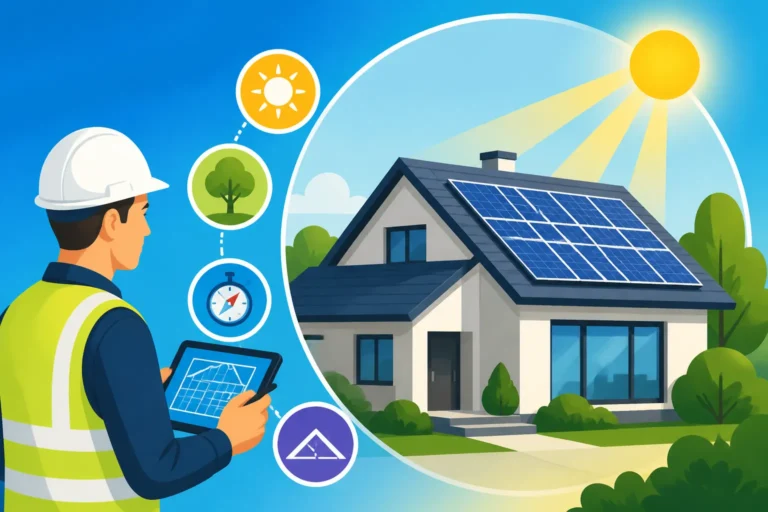
Before any paperwork can even be filed, your solar installer will conduct a thorough site assessment. This isn't just about looking at your roof; it involves understanding your energy consumption, evaluating your roof's sun exposure, and assessing its structural integrity and age. They'll measure roof dimensions, note any obstructions like chimneys or vents, and determine the optimal placement for your panels. This is a critical step in determining how many solar panels do I need for my home?.
Based on this assessment and your energy needs, the installer's design team will create a detailed system design. This plan will include:
- A comprehensive layout of the solar panels on your roof.
- Specifications for all major components, such as the panels themselves, inverters (e.g., microinverters or string inverters), and racking system.
- Detailed electrical schematics showing how the system will be wired to your home's main service panel and the utility grid.
- Structural engineering reports confirming your roof can support the added weight.
- Line diagrams illustrating safety features like rapid shutdown devices.
All this documentation forms the backbone of your permit application. It's essentially presenting your entire solar project to the local authorities for their review. The more complete and accurate these initial plans are, the smoother the subsequent permitting process will be.
Submitting Your Application
Once the detailed plans and documentation are ready, the permit application package is prepared. This typically includes:
- The completed application forms provided by your local building and electrical departments.
- Multiple sets of the detailed system design plans (often stamped by a licensed engineer or architect).
- Proof of the installer’s licenses and certifications.
- Any required fees, which can vary significantly depending on the project size and jurisdiction. You'll want to be aware of typical solar permit & interconnection fees.
Most reputable solar installers will handle the entire submission process for you. They have dedicated teams or personnel who are familiar with local department requirements, submission portals (many are now online), and even the specific expectations of individual plan reviewers. They’ll ensure all forms are correctly filled out, the right number of copies are submitted, and all supporting documents are included. For homeowners, trying to manage this on their own can be incredibly confusing and time-consuming, highlighting why professional assistance is almost always the preferred route.
The Review and Approval Phase
After submission, your application enters the review phase. This is where municipal plan checkers—electrical, structural, and sometimes zoning—will examine your entire package to ensure it complies with all relevant codes and regulations. They'll check the structural calculations, verify the electrical wiring diagrams, and confirm that the proposed installation meets local zoning ordinances.
This phase can take anywhere from a few days to several weeks, or even months in some particularly busy or understaffed jurisdictions. It's not uncommon for the reviewers to request additional information or minor modifications to the plans. For instance, they might ask for clarification on a wiring detail or request a specific type of flashing for roof penetrations. Your installer will typically communicate directly with the permitting office, making any necessary revisions and resubmitting the updated plans. This back-and-forth process is normal, but it underscores the importance of a thorough initial design to minimize delays. Patience is definitely a virtue during this stage.
Inspections and Final Approval (Permission to Operate)
With permits in hand, your installer can finally begin the physical installation. This generally follows a step-by-step process, from installing the mounting hardware and panels to wiring the inverters and connecting to your electrical panel. Once the physical installation is complete, the work isn't quite done. The system cannot be turned on until it passes inspection.
Typically, two main inspections occur:
- Rough-in Inspection (sometimes optional): This might happen before panels are fully installed, checking conduit runs and electrical connections.
- Final Inspection: This is the big one. An inspector from the local building department will visit your home to verify that the installation matches the approved plans and complies with all codes. They'll check the structural mounts, the electrical wiring, inverter placement, safety labels, and overall workmanship.
Assuming your system passes this final municipal inspection, the last critical step is obtaining Permission to Operate (PTO) from your utility company. This is the green light that allows you to safely turn on your system and connect it to the grid. The utility will often install a new net meter (if you don't already have one) that can track both the electricity you draw from the grid and the excess electricity your solar panels export. Until you have PTO, turning on your system is often not allowed and could lead to fines or complications. Understanding what is Permission to Operate (PTO)? is essential for completing your solar journey.
Common Roadblocks and How to Navigate Them
While the permitting process is generally smooth when handled by experienced professionals, there are common hurdles that can cause delays or frustration. Being aware of these can help manage expectations and allow you to work proactively with your installer.
Incomplete Documentation and Rejection
One of the most frequent reasons for permit delays or outright rejection is incomplete or inaccurate documentation. This could be anything from missing a required form, an outdated electrical diagram, or structural calculations that aren't sufficiently detailed. Each local jurisdiction has its own specific checklist, and even a minor omission can send your application back to the drawing board.
For instance, some cities might require a specific fire access pathway diagram that wasn't included, or an older home might need additional engineering stamps for its roof capacity that were overlooked. While your solar installer should be adept at this, mistakes can happen. If your application is rejected, your installer will receive a detailed list of deficiencies. They'll then need to amend the plans, gather the missing information, and resubmit the entire package. This process can add weeks to your solar installation timeline. It's why choosing a reputable installer with a strong track record in your area is paramount; their experience with local requirements can significantly reduce the chances of these types of setbacks.
Local Specifics and Varying Requirements
As mentioned earlier, solar permitting isn't a one-size-fits-all process. What's required in New York City might be vastly different from what’s needed in a small town in upstate New York. This variability is a major source of confusion for homeowners and can even challenge less experienced installers. Some areas might have specific setback requirements from property lines, restrictions on panel visibility from the street, or unique requirements for hurricane-prone regions like those in Florida.
For example, a historic district might have strict aesthetic guidelines requiring panels to be low-profile or not visible from the street, necessitating a more intricate design. In areas prone to heavy snow, the structural load requirements for your roof might be higher than average. Your installer needs to be intimately familiar with the specific codes and idiosyncrasies of your local Authority Having Jurisdiction. This is where researching local nuances, such as the solar permit process in New York, comes in handy. A good installer will be proactive in checking for these local specifics early on, rather than encountering surprises during the review process.
Delays and Communication Challenges
Permitting offices, especially in rapidly growing areas, can be notoriously busy. Backlogs of applications are common, leading to significant delays in review times. It's not unusual for the review period to extend beyond the initial estimates, even if your documentation is perfect. This can be frustrating when you're eager to get your system up and running. External factors, such as staffing shortages, new policy changes, or even unexpected weather events, can also contribute to these delays.
Furthermore, clear and consistent communication between the installer and the permitting office is crucial. Sometimes, issues arise from misinterpretations of code requirements or difficulties in reaching the right person for clarification. Homeowners might also face communication gaps if their installer isn't transparent about the permitting status. This is why when you choose a solar installer, you want one that emphasizes clear communication channels and provides regular updates on the permitting progress. Don't be afraid to ask your installer for updates, and they should be able to provide clear information on where your application stands. Using a platform like Modernize can help you find installers who prioritize this transparency and customer service.
Working with Professionals: Installers and Permitting Services
Given the complexities of solar permitting, trying to go it alone as a homeowner is generally not advisable. This is one area where the expertise of professionals truly shines.
How Solar Installers Handle Permitting
The vast majority of solar homeowners choose to have their installer manage the entire permitting process, and for very good reason. Reputable solar companies have dedicated teams or personnel whose sole job is to navigate this intricate administrative maze. They are experts in local building codes, electrical standards, and zoning regulations specific to your area.
Here's how they typically manage it:
- Expert Design: They create detailed system designs and engineering plans that meet all local and national codes, significantly reducing the chances of rejection due to technical issues.
- Document Preparation: They compile all necessary forms, diagrams, and supplementary documents required by your local permitting office and utility company.
- Submission and Tracking: They submit the application package on your behalf, track its progress, and respond to any requests for additional information or revisions from the permitting authority.
- Inspection Coordination: Once the system is installed, they coordinate all necessary inspections with the local building department and your utility provider, ensuring everything is ready for the inspectors.
- Utility Interconnection: They manage the often-complex process of securing the utility interconnection agreement and obtaining Permission to Operate (PTO), which is the final green light to turn your system on.
Think of it this way: your installer acts as your advocate and navigator through the permitting bureaucracy. They speak the language of code, understand the requirements, and have established relationships with local permitting departments, which can often smooth the process. You can learn more about the entire journey in our guide on the Solar Installation Timeline: What to Expect.
The Benefits of Professional Assistance
The advantages of entrusting the permitting process to your solar installer are substantial:
- Time Savings: Without professional help, you could spend countless hours researching requirements, filling out forms, waiting in lines, and making multiple trips to municipal offices. Installers streamline this, freeing up your valuable time.
- Reduced Stress: The unknown can be stressful. Knowing that experienced professionals are handling the intricate details of permits and approvals significantly reduces your anxiety throughout the process.
- Faster Approval Times: Because installers are familiar with local requirements and often submit complete, accurate packages, they can usually navigate the permitting process more efficiently, potentially leading to faster approval times.
- Error Prevention: Their expertise minimizes the risk of costly errors, rejections, and the subsequent delays that can arise from incorrect or incomplete submissions. This means fewer amendments and resubmissions.
- Compliance Assurance: Ultimately, working with professionals ensures your system is fully compliant with all legal and safety standards, protecting your investment and preventing future headaches. This level of compliance is key to avoiding issues down the line, especially when considering selling your home with solar panels.
When choosing an installer, don't hesitate to ask about their experience with permitting in your specific city or county. A reliable company should be able to provide examples of successful projects in your area and clearly explain their process for handling permits and interconnection. Platforms like Modernize can be particularly helpful in connecting you with installers who have a strong local presence and a proven track record in navigating regional permitting requirements. This way, you can focus on the exciting prospect of generating your own clean energy, leaving the paperwork to the experts.
What Happens After Permit Approval: The Path to Powering Up
Receiving your approved permits feels like a major milestone, and it absolutely is! It means the local authorities have reviewed and signed off on your solar system's design and confirmed it meets all necessary safety and building codes. But it's not quite the finish line. There are a few more critical steps before you can flip the switch and start generating your own electricity.
Installation Commencement
With the permits in hand, your solar installer can now schedule and begin the physical installation of your solar energy system. This is often the most exciting part for homeowners, as they finally see their solar dream taking shape on their roof. The installation itself is typically a multi-day process, depending on the size and complexity of your system.
The steps generally include:
- Racking System Installation: The first step usually involves securely attaching the mounting hardware or "racking" system to your roof. This framework will hold your solar panels in place. Installers take great care to ensure these attachments are watertight and structurally sound.
- Solar Panel Placement: Once the racking is installed, the solar panels are carefully lifted and secured onto the racks. They are oriented according to the approved design, maximizing sun exposure.
- Electrical Wiring: Electricians connect the solar panels to the inverters (which convert DC power from the panels to AC power for your home) and then wire the inverters to your home's main electrical service panel. This includes installing safety components like disconnect switches.
- Grounding and Safety Checks: Throughout the installation, extensive grounding procedures are followed to ensure the system is safe from electrical surges and lightning. The entire system undergoes rigorous testing to confirm proper functionality.
During this phase, your installer will likely keep you updated on their progress. While the work is underway, it’s a good opportunity to understand more about the specifics, like the difference between monocrystalline vs polycrystalline solar panels, or how your chosen inverters (like Enphase vs SolarEdge) contribute to your system’s efficiency.
Final Inspections and Utility Interconnection
Even after the physical installation is complete, you can't just turn on your system. It needs a final sign-off from both your local building department and your utility company.
- Final Electrical and Building Inspections: After your solar panels and associated electrical components are fully installed, a municipal inspector will return to your home. This final inspection is crucial. The inspector will compare the actual installation against the approved permit plans to ensure everything was built to code. They'll check the mounting, wiring, labeling, safety mechanisms (like rapid shutdown), and general workmanship. If everything checks out, they will sign off on the installation, issuing final approval. If there are any issues, they'll create a "punch list" of items that need correction before re-inspection.
- Utility Interconnection and Meter Swap: Once the municipal inspections are passed, your installer will submit the final approval documents to your utility company. This triggers the utility's process to review the final installation and issue your "Permission to Operate" (PTO). In many cases, the utility will also need to replace your existing meter with a new "net meter." This special meter can measure electricity flow in both directions—what you draw from the grid and what your solar system exports back to it. This is essential for participating in net metering programs, where you get credit for excess power produced. Understanding net metering explained: How It Works by State is key to maximizing your solar savings.
Once you have received PTO from your utility, you are officially allowed to turn on your solar system! It's a truly satisfying moment when you can flip that switch and watch your electricity meter spin backward, knowing you’re harnessing the power of the sun. The entire process, from initial consultation to PTO, can take several weeks to a few months, so patience is definitely a virtue.
Here's a quick overview of the key permit types:
| Permit Type | Purpose | Primary Focus | Typical Reviewing Department |
|---|---|---|---|
| Electrical Permit | Ensures safe wiring and grid connection | Wiring, inverters, circuit breakers, grid tie-in | Electrical Department / Inspector |
| Building Permit | Confirms structural integrity of roof and safe panel mounting | Roof structure, racking, weatherproofing | Building Department / Structural Reviewer |
| Zoning Permit | Verifies compliance with local land use, aesthetics, and setbacks | Panel visibility, property lines, HOA rules | Planning/Zoning Department |
| Utility Interconnection Agreement | Formalizes connection to the utility grid and compensation for excess power | Metering, grid stability, export rules | Local Utility Company |
Disclaimer
This article is for general informational purposes only and does not constitute professional advice. Laws, prices and regulations vary by location and change over time. Consult a qualified professional for guidance on your specific situation.