How Long Does Solar Installation Take in Florida?
Getting solar panels installed on your Florida home is an exciting step towards energy independence, but let's be honest, the waiting game can feel incredibly frustrating. Many homeowners, especially in a state with unique weather patterns and regulations like Florida, often wonder if their solar project will ever get off the ground. This guide is designed to cut through the confusion, providing you with a realistic, detailed breakdown of how long solar installation actually takes in the Sunshine State, from your very first inquiry to the moment your system powers up.
The Florida Solar Journey: A Realistic Overview
Going solar in Florida isn't just about slapping some panels on your roof; it's a multi-stage process that involves design, permits, installation, and final inspections. While the physical installation of the panels themselves might only take a few days, the entire journey, from signing a contract to flipping the switch, typically spans several weeks to a few months. It's crucial to set realistic expectations upfront to avoid unnecessary stress and to understand that patience is a key ingredient when embarking on this endeavor.
Setting Expectations for Your Solar Timeline
When you first start thinking about solar, it's easy to get swept up in the dream of immediate energy savings. However, the reality involves a bit more red tape and coordination. A typical solar installation project in Florida, from initial consultation to final activation, can range anywhere from 6 weeks to 4 months. This timeframe isn't a hard rule, of course, as many variables can influence it, but it gives you a solid benchmark. Factors like your specific utility provider (such as Florida Power & Light (FPL), Duke Energy Florida, or Tampa Electric (TECO)), your local county's permitting office, and even the weather can play a significant role. It's not uncommon for folks to feel like the process drags, especially during the permitting phase, but knowing this upfront helps manage expectations.
Why Florida's Process Can Differ
Florida's unique climate and regulatory environment contribute to its specific solar installation timelines. For starters, we're in "Hurricane Alley," which means strict building codes are in place to ensure solar systems can withstand high winds. These codes, while vital for safety, can add layers to the permitting and inspection process. Furthermore, some areas, particularly along the coast, have stringent aesthetic requirements or historical district regulations that can necessitate additional approvals. Your local utility company also has its own set of rules for connecting your system to the grid, known as interconnection standards. Understanding these local nuances is paramount, and a good installer will be well-versed in navigating them. If you're looking for qualified professionals, resources like Modernize can help connect you with experienced solar companies that understand Florida's specific requirements.
Key Factors Influencing Your Solar Timeline in Florida
Many elements beyond the actual physical work impact how long your solar installation will take. Some of these are within your control, while others are simply part of the bureaucratic landscape of home improvements. Being aware of these factors can help you better predict your personal timeline and even identify areas where you might be able to nudge things along.
Permitting and Inspections: The Biggest Variable
Without a doubt, the permitting process is often the longest and most unpredictable part of going solar in Florida. Every city and county has its own set of rules, fees, and processing times. In bustling metropolitan areas like Miami-Dade, Broward, or Orange County, where there's a high volume of construction and solar projects, permit reviews can take weeks, sometimes even months, especially if there are any issues with your application. A common frustration is the "permit roulette," where your application might go back and forth several times for minor corrections, adding days or weeks with each iteration.
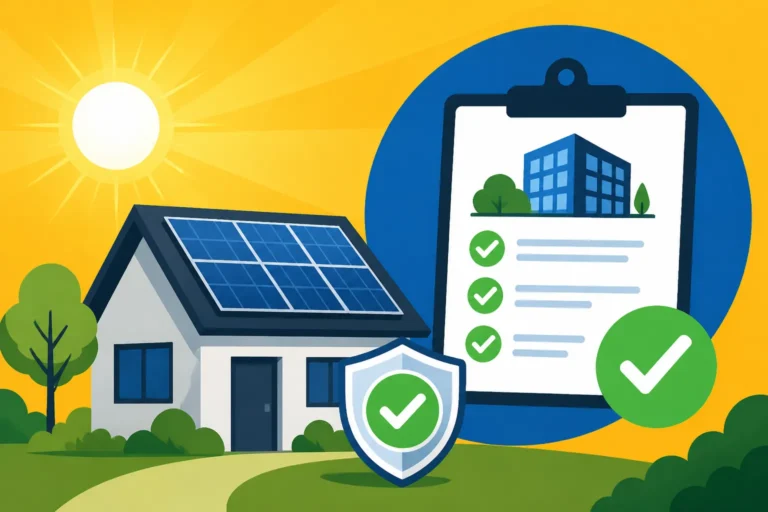
Once the installation is complete, you'll need a final inspection from your local building department. This ensures everything was installed according to code and the approved plans. Scheduling these inspections can sometimes be challenging, depending on the availability of inspectors in your area. After passing this inspection, your utility company will need to perform its own final check and grant "Permission to Operate" (PTO), which is when you can actually turn your system on and start generating power. Understanding Solar Permitting & Interconnection (PTO) Explained can really shed light on this crucial phase.
Utility Company Interconnection
Even after your panels are up and your local government gives its blessing, your utility company still has to sign off. This step is called interconnection, and it allows your solar system to connect safely to the grid. Each utility provider, whether it's FPL, Duke Energy, or a smaller municipal utility, has its own process and timeline for reviewing your application and installing a net meter. For example, in some areas, your utility might be very efficient, taking only a week or two to complete the process after the final inspection. In others, it might stretch to a month or more, especially during peak solar installation seasons. This stage is crucial because without their official approval, your system cannot legally or safely operate. You can learn more about how this works by checking out guides like Net Metering Explained: How It Works by State.
Weather, HOAs, and Material Availability
While Florida is the Sunshine State, we're certainly no stranger to less-than-ideal weather. Rainy season, which typically runs from late spring through fall, can cause significant delays in outdoor installation work. Lightning storms, heavy downpours, and, of course, hurricane season, can bring projects to a grinding halt. Installers prioritize safety, so they won't be on your roof during inclement weather.
Another potential hurdle is your Homeowners' Association (HOA). Many HOAs have specific guidelines regarding solar panel appearance, placement, or even color, which may require additional approval steps before you can even apply for a permit. While Florida has laws protecting your right to go solar, navigating HOA bureaucracy can still add time.
Finally, while less common today, supply chain issues or specific component availability can sometimes lead to delays. If you've opted for a niche panel or a specific battery storage system, there might be a longer lead time for delivery. Reputable installers will generally keep you informed about any such potential delays. Choosing a reliable company, perhaps through a platform like Modernize, can help minimize these kinds of headaches.
Breaking Down the Timeline: What to Expect at Each Stage
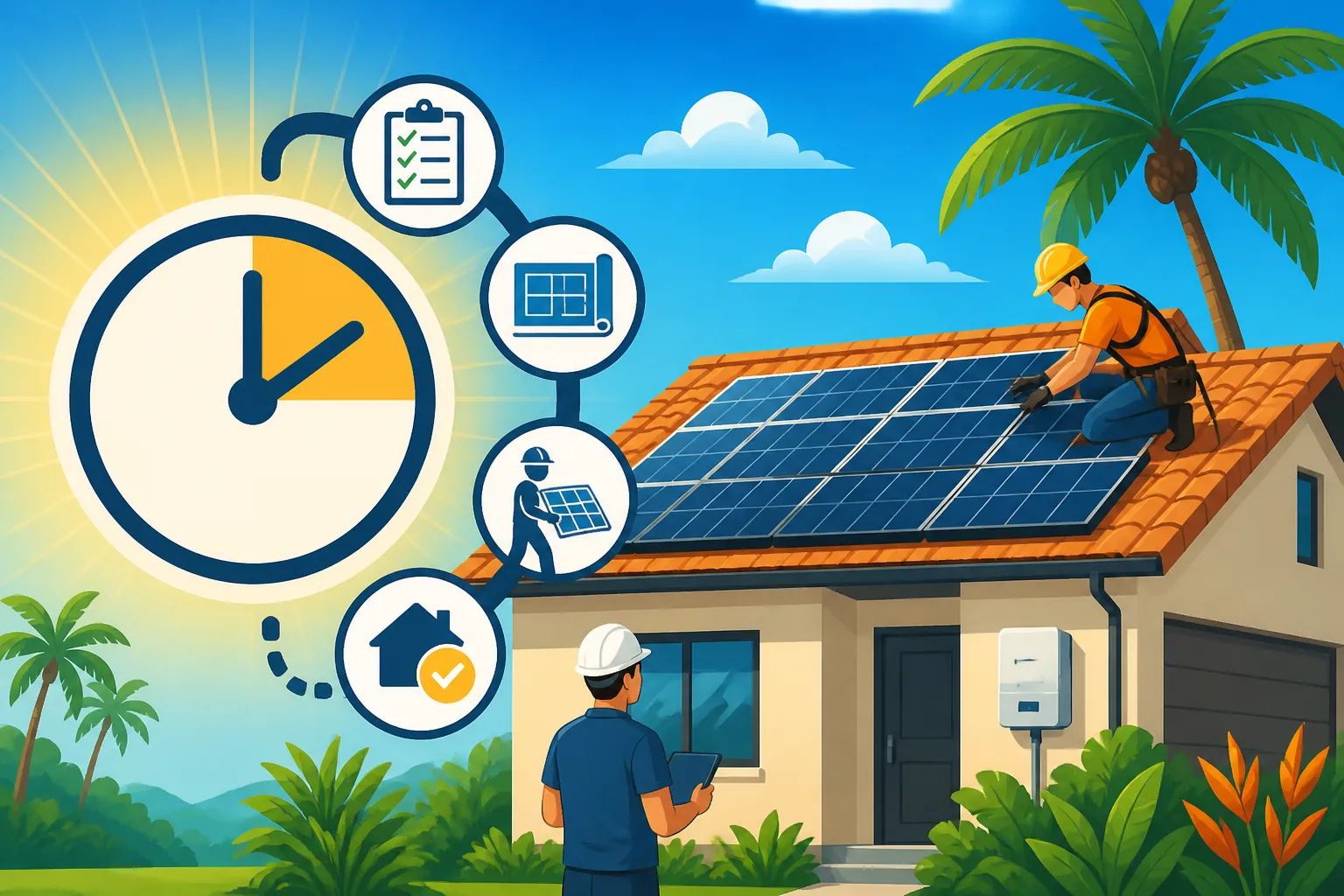
To give you a clearer picture, let's break down the typical solar installation process into its core stages and estimate how long each one usually takes in Florida. Keep in mind these are averages, and your specific experience may vary.
Initial Consultation and System Design
This is where your solar journey begins! After you express interest, an installer will typically visit your home for a site assessment or use satellite imagery to design a custom solar system for your energy needs. They'll evaluate your roof's condition, sun exposure, and energy consumption. This phase usually involves:
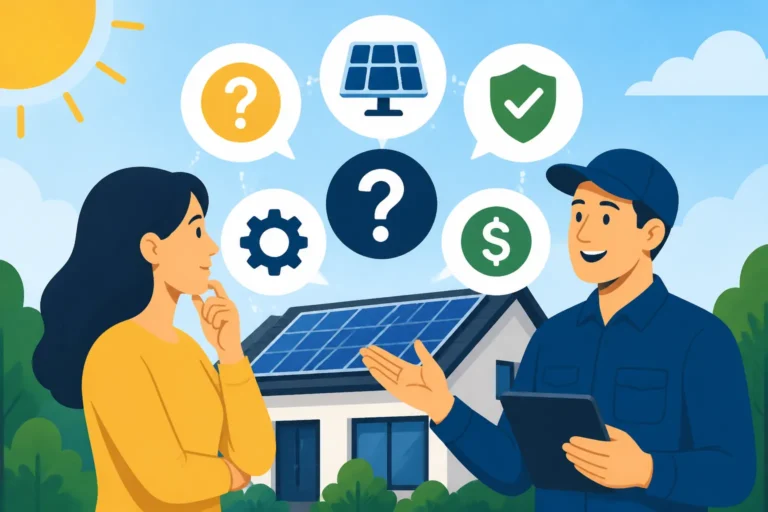
- Initial Contact & Consultation: 1-2 weeks. This includes comparing quotes, asking questions, and finalizing your decision on an installer. Don't rush this part; it's vital to choose a reputable company. Thinking about How to Choose a Solar Installer? It's a critical decision.
- Site Survey & System Design: 1-2 weeks. Once you've chosen an installer, they'll perform a detailed site survey to finalize measurements and create the blueprints for your system. This often includes determining How Many Solar Panels Do I Need for My Home. This design phase is crucial for ensuring optimal energy production and code compliance.
At the end of this stage, you'll typically sign a contract. Make sure you understand all the terms, including payment schedules, warranties, and estimated timelines.
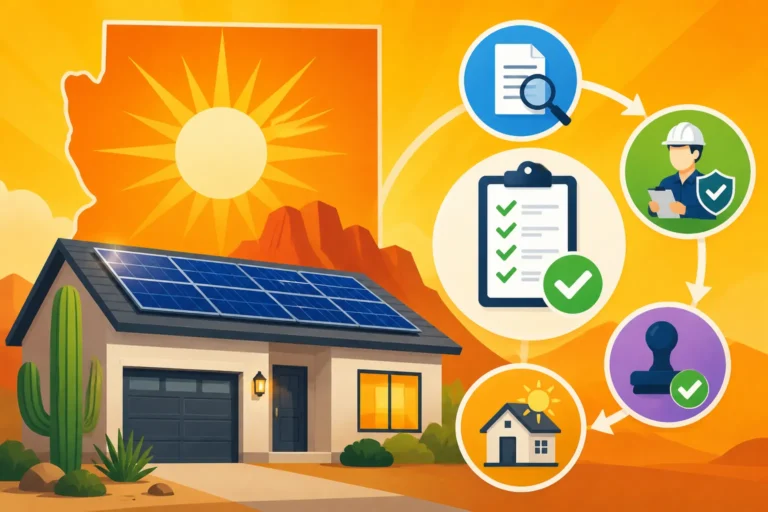
Permitting and Approvals
As discussed, this is where things often slow down. Your installer will handle submitting all necessary plans and applications to your local municipality and, if applicable, your HOA.
- Permit Application Submission: 1-3 days. Your installer prepares and submits the paperwork.
- Local Permitting Office Review: 2-8 weeks (or sometimes longer). This is the big waiting game. Depending on your specific city or county in Florida, and the current volume of applications, this can be quick or quite drawn out. Some jurisdictions are more streamlined than others. For instance, a permit in Jacksonville might move faster than in a more complex, dense urban area.
- HOA Approval (if applicable): 2-4 weeks. If you have an HOA, this process runs concurrently with the municipal permitting, but can sometimes add its own layer of review and approval meetings.
It's common for installers to manage this process, but staying in communication with them for updates is always a good idea. They can often provide you with specific insights into the typical turnaround times for your local area.
Equipment Procurement and Installation
Once permits are in hand, the physical work can begin! This is usually the fastest part of the entire process.
- Equipment Ordering & Delivery: 1-3 weeks. Your panels, inverters, racking, and other components are ordered and delivered to your site or the installer's warehouse. Sometimes, a common brand like Qcells or REC Solar panels might be readily available, while specialty items could take longer.
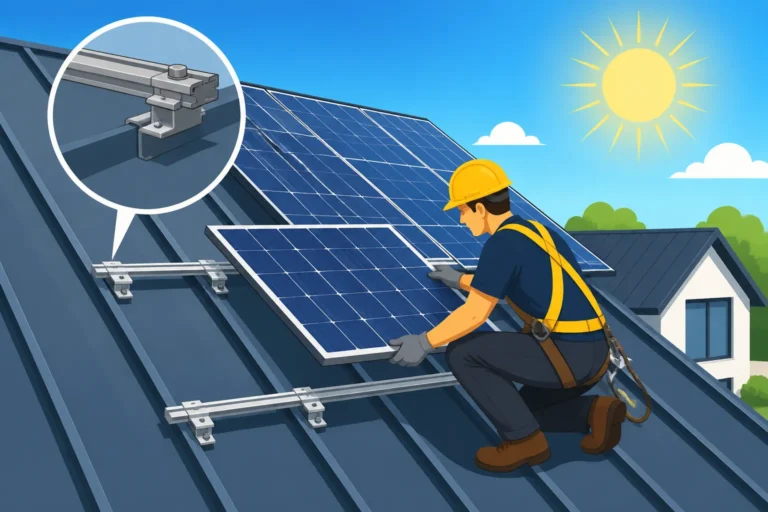
- Solar Panel Installation: 1-3 days. The actual mounting of the rails, panels, and electrical wiring usually happens over a couple of days. For a typical residential system, a professional crew can get the panels up, wired, and ready for inspection very efficiently. This stage is highly dependent on the size of your system and the complexity of your roof.
During this phase, you'll see a lot of activity on your property. Rest assured, experienced crews work safely and efficiently.
Final Inspections and System Activation (PTO)
You're almost there! After installation, two final hurdles remain before you can enjoy your clean energy.
- Local Building Department Final Inspection: 1-2 weeks. After the installation is complete, your local building department will send an inspector to verify that everything was installed according to the approved plans and local building codes. Scheduling this inspection is typically handled by your installer.
- Utility Company Interconnection & Net Meter Installation: 1-4 weeks. Once you pass the municipal inspection, your installer will notify your utility company. The utility will then conduct its own final check, replace your old meter with a new net meter (if you don't already have one compatible with solar), and officially grant What Is Permission to Operate (PTO)?. This is the exciting moment your system can finally be turned on!
Here’s a summary table of the typical timeline:
| Stage | Estimated Timeframe (Florida Average) | Key Activities | Potential Delays |
|---|---|---|---|
| Initial Consultation & Design | 2-4 weeks | Comparing quotes, site assessment, energy usage analysis, system design, contract signing. | Customer indecision, complex designs, multiple quotes, installer availability. |
| Permitting & Approvals | 2-12 weeks | Installer submits plans to city/county and HOA. Reviews, revisions, and approvals. | Local permitting backlog, complex codes, incomplete applications, HOA requirements. |
| Equipment Procurement | 1-3 weeks | Ordering and receiving solar panels, inverters, racking, and other components. | Supply chain issues, specific component availability. |
| Physical Installation | 1-3 days | Mounting rails, panels, wiring, electrical connections, inverter installation. | Inclement weather (rain, storms, hurricanes), complex roof structure, unforeseen structural issues. |
| Final Inspections & Interconnection | 2-6 weeks | Local building inspection, utility company review, net meter installation, Permission to Operate (PTO) granted. | Inspector availability, utility company processing times, scheduling conflicts. |
| Total Estimated Time | 6 weeks to 4 months (or more) | From contract signing to system activation. | Any of the above, combined. |
Expediting Your Solar Project: Tips for Florida Homeowners
While some parts of the solar installation timeline are beyond your direct control, there are definitely steps you can take to help keep things moving smoothly. Being proactive and prepared can shave valuable time off the overall process and help mitigate potential frustrations.
Choosing the Right Installer Matters
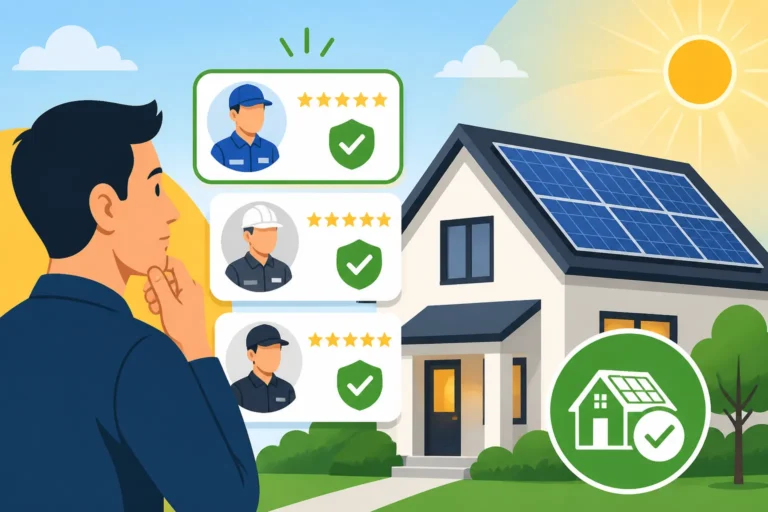
This might sound obvious, but selecting a highly experienced and reputable solar installer in Florida is perhaps the single most important factor in a smooth and efficient project. A seasoned installer will have:
- Local Expertise: They'll be intimately familiar with the permitting requirements of various cities and counties in Florida, from Orlando to Naples. They'll know what specific forms are needed, common pitfalls to avoid, and even have established relationships that can streamline communication.
- Efficient Processes: Good installers have well-oiled internal processes for everything from design to permitting and scheduling. They'll use modern tools to expedite design and ensure accuracy, reducing the chances of permit rejections.
- Strong Communication: They'll keep you informed at every stage, proactively communicating any potential delays and what they're doing to address them. This transparency is key to managing your expectations.
Don't just go with the first company that gives you a quote. Take your time to get multiple bids. Services like Modernize can help you compare installers and ensure you're working with a company that has a proven track record in Florida. Ask specific questions about their average project timelines in your area and their experience with your utility provider.
Being Prepared and Responsive
As a homeowner, your cooperation can significantly impact the timeline. Here’s how you can help:
- Have Documents Ready: Be prepared to provide copies of your utility bills (usually 12 months worth for an accurate energy assessment), property deed, and any relevant HOA documents promptly when requested.
- Quick Approvals: When your installer sends you documents for review or signature, respond as quickly as possible. Delays on your end, even just a few days, can easily add weeks to the overall project when compounded across different stages.
- Clear Communication: Maintain open lines of communication with your installer. If you have questions or concerns, address them immediately. Don't be afraid to ask for updates on the permit status or scheduling.
- Roof Readiness: If your roof is old or needs repairs, consider addressing it before beginning the solar process. Getting a Do I Need a New Roof Before Solar? can add significant delays if discovered mid-project.
By being an active and engaged participant in the process, you empower your installer to move forward without unnecessary hold-ups caused by missing information or approvals.
What Happens After Installation? Post-Installation Milestones
Even after your solar panels are gleaming on your roof and the inspections are passed, there are a few final steps and long-term considerations to keep in mind. The journey doesn't quite end when the switch is flipped; rather, it transitions into a phase of monitoring and maintenance.
Monitoring Your System's Performance
Once your system has Permission to Operate (PTO), the real fun begins! Most modern solar systems come with monitoring software, often accessible through a smartphone app or web portal. This allows you to track your system's energy production in real-time, see how much electricity you're generating, and often how much you're saving. This is a crucial tool for ensuring your investment is performing as expected.
You'll want to regularly check your production data. If you notice a sudden, unexplained drop in output, it could indicate an issue that needs to be addressed. Your installer should provide training on how to use the monitoring system and what to look for. This continuous feedback loop helps you stay on top of your system's health and maximize your long-term savings. Learning about Solar Panel Maintenance & Cleaning can also help ensure peak performance.
Understanding Your New Utility Bills
With solar panels and net metering (or net billing, depending on your utility's current policies), your utility bills will look different. You'll typically see charges for any electricity you still draw from the grid, along with credits for the excess electricity your panels send back. Florida's net metering policies have undergone changes, so understanding how your specific utility credits your excess generation is vital.
It might take a billing cycle or two to fully grasp your new bill structure, but don't hesitate to reach out to your solar installer or even your utility company if something seems unclear. They can help you interpret the charges and credits. The goal, of course, is to see significantly reduced or even zeroed-out electricity charges, thanks to your solar production.
Long-Term Maintenance and Warranties
While solar panels are generally very low-maintenance, they're not entirely set-it-and-forget-it. Occasional cleaning might be beneficial, especially in dusty areas or after periods of heavy pollen, though Florida's rain often does a good job of keeping them relatively clean. It’s also wise to periodically check for any debris, like leaves or bird nests, that might be shading your panels.
More importantly, understand your warranties. Your solar system typically comes with several warranties:
- Product Warranty: Covers the solar panels themselves against manufacturing defects. Many manufacturers, like Maxeon or Jinko Solar, offer 25-year product warranties.
- Performance Warranty: Guarantees that your panels will produce at a certain percentage of their original output for a specific period (often 25-30 years), accounting for natural Solar Panel Efficiency & Degradation Explained.
- Inverter Warranty: Covers your inverter, which typically has a shorter warranty (10-12 years) than the panels.
- Workmanship Warranty: Covers the installation itself, ensuring the work was done correctly and free from defects. This usually ranges from 5 to 25 years.
Knowing these warranties ensures you're protected in case any component fails or an installation issue arises. It's an important part of safeguarding your investment over the decades to come.
Disclaimer
Please note that the information provided in this guide is for general informational purposes only and should not be considered professional financial, legal, or energy advice. Solar installation timelines, incentives, and regulations can vary significantly by location, utility provider, and change over time. Always consult with qualified local solar professionals, your utility company, and relevant local authorities for the most accurate and up-to-date information pertaining to your specific situation.