How Long Does Solar Installation Take in Texas?
Thinking about going solar in Texas? It's exciting to imagine those lower electricity bills, but many homeowners get overwhelmed by the sheer thought of the installation process itself. You're probably wondering how long this whole commitment will actually take, especially with all the permits and inspections involved. This guide is here to shed some light on the typical solar installation timeline in Texas, breaking down each step so you know exactly what to expect from start to finish.
Understanding the Solar Installation Journey in Texas
Embarking on a solar journey in Texas can feel like a multi-stage marathon, not a sprint. It's not just about getting panels on your roof; there's a detailed process involved, from initial paperwork to flipping the switch. Knowing these stages beforehand helps set realistic expectations and reduces that "waiting in the dark" feeling that can often accompany home improvement projects.
Initial Consultation and Site Assessment
This is where your solar dream starts to take shape. You'll typically begin by reaching out to a few solar providers. During this phase, a solar consultant will likely visit your home (or conduct a virtual assessment) to evaluate its solar potential. They'll look at your roof's condition, its size, the direction it faces, and any potential shading from trees or nearby buildings. They'll also review your past electricity bills to understand your energy consumption patterns, which is crucial for designing a system that meets your needs. This initial step is really about gathering information and getting a preliminary design and quote. Many homeowners use services like Modernize to connect with pre-screened local installers, making the quote-gathering process much smoother. This phase usually takes anywhere from a few days to a couple of weeks, depending on how quickly you schedule consultations and receive proposals.
System Design and Permitting
Once you've chosen an installer and approved a system design, the real behind-the-scenes work begins. Your chosen solar company will finalize the engineering plans for your specific system, detailing panel placement, wiring, inverter types, and all the technical specifications. This is a critical step, as these detailed plans are what get submitted to your local Texas municipality for permitting.
Texas is a big state, and local permitting requirements can vary wildly from city to city, and even county to county. What flies in a rural part of West Texas might require extensive documentation and multiple reviews in a bustling metro like Austin or Dallas. Navigating these local codes and zoning regulations can be the most time-consuming part of the entire process. The solar company handles this on your behalf, but delays at the city or county permitting office are common and largely out of their control. This phase can easily stretch from 4 to 12 weeks, and sometimes even longer in particularly backlogged jurisdictions. It's a waiting game, but a necessary one to ensure your system meets all safety and structural standards.
Equipment Procurement and Actual Installation
With permits in hand, your solar project gains momentum. The next step involves ordering all the necessary equipment: solar panels, inverters, racking, wiring, and any optional components like a solar battery. Lead times for equipment can vary based on availability and manufacturer, though most reputable installers keep common components in stock or have reliable supply chains.
Once the equipment arrives, the physical installation on your property begins. This is often the quickest and most visible part of the entire process. A crew will come to your home, install the racking system on your roof, mount the panels, wire them to your inverters, and connect the system to your electrical panel. For a typical residential system, this on-site work usually takes just 1 to 3 days. However, more complex installations, such as those involving ground mounts, extensive electrical upgrades, or integrating a battery storage system, might take a bit longer. If your roof needs significant repairs or replacement beforehand, that will obviously add to the overall timeline, as you'd want to address those issues before installing solar panels. You can learn more about Roof Considerations for Solar Panels if you're concerned about your current roof's condition.
Inspections and Permission to Operate (PTO)
The final hurdle before you can start generating your own clean energy involves a series of inspections and approvals. First, your local municipality will conduct a final inspection to ensure the installation adheres to the approved plans and local building codes. This inspection verifies safety and compliance. Once passed, the final step is gaining "Permission to Operate" (PTO) from your utility company.
In Texas's deregulated electricity market, this process can involve a few different entities, but generally, it's about connecting your system to the grid and ensuring proper metering. Utilities like CenterPoint Energy, Oncor, and AEP Texas each have their own procedures and timelines for approving interconnection. They'll verify that your system meets their technical requirements and often install or reconfigure your net meter, which tracks the energy your panels produce and what you consume from the grid. This final phase, from municipal inspection to PTO, can typically take another 2 to 6 weeks. It’s an essential step, as you cannot legally operate your solar system and send excess power back to the grid until you have PTO. Understanding Solar Permitting & Interconnection (PTO) Explained can give you more detail on this crucial step.
Key Factors Influencing Your Texas Solar Timeline
While the general steps are consistent, the actual time it takes to go solar in Texas can fluctuate quite a bit. Several key factors play a significant role in stretching or shortening your project's duration. It’s not a one-size-fits-all scenario, and understanding these variables can help you anticipate potential delays.
Local Permitting Bureaucracy and Regulations
As mentioned, this is often the biggest wild card. Texas is unique due to its large size and the autonomy of its many cities and counties.
Some municipalities, particularly in larger metropolitan areas like Houston, Dallas, or San Antonio, have well-established but often slow permitting departments. They might have a high volume of applications, require specific documentation, or have multiple review stages. For instance, getting a permit in the City of Houston can take a different amount of time and follow different steps than in a smaller suburb just outside the city limits. This localized variation means that your installer has to be intimately familiar with the specific requirements of your jurisdiction. A newer installer might struggle with this, adding delays, whereas an experienced local company will know the ropes. This phase can take anywhere from a few weeks to several months, depending on the municipality's efficiency and backlog.
Installer Efficiency and Workload
The solar company you choose plays a huge role in how smoothly and quickly your project progresses. A highly efficient installer with a dedicated permitting team, streamlined internal processes, and good communication will naturally move things along faster. They'll know exactly what paperwork is needed, how to submit it correctly, and who to follow up with at the city and utility.
Conversely, an installer that's understaffed, disorganized, or experiencing a high volume of projects might introduce delays at various stages. This could be slow communication, delayed plan submissions, or long waits for equipment. This is why getting multiple quotes and vetting your installer thoroughly is so important. Services like Modernize can help you find reputable local installers who have a track record of smooth installations in your area. Asking about their typical timelines during your initial consultations is a smart move, and don't hesitate to check their references and reviews. You can find more tips on How to Choose a Solar Installer to ensure you pick a good fit.
System Complexity and Roof Condition
The specifics of your solar system design and the state of your home can also impact the timeline. A standard rooftop system on a relatively new, unshaded asphalt shingle roof will generally be installed faster than a complex system. If you're looking to install a large system with many panels, or a ground-mounted system that requires more extensive site work and trenching, expect a longer duration.
Integrating a solar battery storage system, such as a Tesla Powerwall or an Enphase IQ Battery, also adds layers of complexity and additional components that need to be permitted and installed, extending the timeline slightly. Furthermore, if your roof is old or damaged, your installer will likely recommend a roof replacement or significant repairs before installing panels. This adds its own project timeline and costs, pushing back the solar installation. Always address your roof's health first, as a solar system is designed to last 25-30 years, and you don't want to remove panels for roof work down the line.
Utility Company Interconnection Rules
While local permits handle the "how" of installation, utility companies dictate the "when" of connecting to the grid. Texas has a unique energy market with various utility providers like CenterPoint Energy (serving Houston and surrounding areas), Oncor (serving Dallas-Fort Worth and parts of West Texas), and AEP Texas (serving parts of Central and South Texas). Each utility has its own specific procedures and processing times for interconnection agreements and installing or updating net meters.
Some utilities are more responsive and streamlined than others. Delays can occur if your application is incomplete or if the utility has a backlog of requests. While your installer manages this communication, the utility's internal pace is beyond their direct control. It's important to ask your installer about the typical PTO timelines for your specific utility in Texas, as this can be a significant waiting period. Many homes in deregulated parts of Texas also need to consider their Retail Electric Provider (REP), as they'll be your billing entity even if the utility manages the grid infrastructure. For more on how these connections work, you might want to read up on Net Metering Explained: How It Works by State.
Average Solar Installation Timeline in Texas: A Realistic Breakdown
Let's get down to brass tacks. While there's no single answer that fits every Texan homeowner, we can provide some realistic ranges for each stage of the solar installation process. Remember, these are averages, and your specific project could be faster or slower.
Phase-by-Phase Duration Estimates
Breaking down the process into its core components gives a clearer picture of where your time is spent waiting, and where things move quickly.
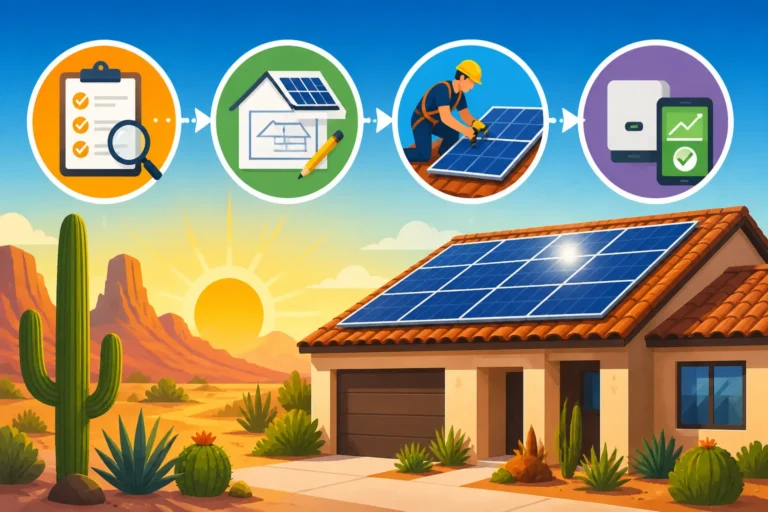
- Initial Consultation & Design (1-3 Weeks): This includes your initial inquiries, site visits, getting multiple quotes, and settling on a design and installer. This phase is largely driven by your responsiveness and the availability of consultants.
- Permitting & Approvals (4-12 Weeks): This is often the longest and most unpredictable phase. It involves your installer drawing up final engineering plans and submitting them to your local city or county for building permits. Expect significant variability here depending on where you live in Texas. A straightforward permit in a smaller town might clear in a month, while a complex one in a major city could easily take three months or more.
- Equipment Procurement & Scheduling (2-4 Weeks): Once permits are approved, the equipment is ordered and delivery scheduled. If your installer has common components in stock, this could be quicker. Custom orders or supply chain issues (less common now, but still possible) can extend this.
- Physical Installation (1-5 Days): This is the hands-on part. For most residential rooftop systems, the actual work of mounting panels and wiring everything up takes just a few days. Larger or more complex systems, or ground mounts, might take closer to a week.
- Inspections & Utility Interconnection (2-6 Weeks): After installation, your local building department will inspect the work. Once that passes, the utility company conducts its own review and grants Permission to Operate (PTO). They may also install your bidirectional meter. This phase, like permitting, can see some variations based on utility company backlogs and your local inspector's schedule.
Typical Total Duration
Considering all these phases, a typical residential solar installation in Texas, from your first call to flipping the switch, usually falls within 8 to 24 weeks (2 to 6 months).
Here's a breakdown in a table for easy reference:
| Phase | Estimated Duration in Texas | Key Variables Affecting Timeline |
|---|---|---|
| Initial Consultation & Design | 1-3 Weeks | Customer responsiveness, installer availability |
| Engineering & Permitting Applications | 4-12 Weeks | Local municipality workload, complexity of design |
| Equipment Procurement & Project Prep | 2-4 Weeks | Manufacturer lead times, installer inventory |
| On-Site Physical Installation | 1-5 Days | System size, roof complexity, weather |
| Final Inspections & Utility PTO | 2-6 Weeks | Local inspector schedule, utility company backlog |
| Total Estimated Timeframe | 8-24 Weeks (2-6 Months) | All variables above, communication efficiency |
It's clear that the longest periods are generally spent waiting for administrative approvals rather than the physical work itself. Many homeowners underestimate the permitting and utility interconnection timelines, which can lead to frustration. Don't let these potential delays deter you, though; they are a normal part of ensuring a safe and compliant system. Even with these wait times, the long-term benefits of solar in a state like Texas, with its abundant sunshine and sometimes volatile electricity market, are often well worth it. Exploring How Much Can You Save With Solar Panels? can help you see the long-term value.
How to Expedite Your Solar Project in the Lone Star State
While some aspects of the solar installation timeline, like municipal backlogs, are largely out of your control, there are definitely proactive steps you can take to help keep your project moving along as swiftly as possible. Being prepared and engaged can shave off valuable time.
Be Prepared with Documentation and Clear Communication
One of the easiest ways to prevent delays right from the start is to have all your necessary documents ready. When your solar consultant comes for the initial site survey, they'll need access to your past electricity bills (usually 12 months' worth) to accurately assess your energy usage. They might also ask for a copy of your property survey or architectural plans. Having these readily available can speed up the design and proposal phase.
Beyond documents, clear and prompt communication is key. Respond quickly to any requests for information from your installer or financing company. If they have questions about your property, your preferences, or need you to sign off on something, a quick turnaround on your part ensures the project doesn't stall. Establishing a clear point of contact with your solar provider and knowing their preferred communication methods will streamline the entire process.
Choose an Experienced Local Installer
This cannot be stressed enough, especially in a state like Texas with its diverse regulatory landscape. An experienced local installer will have established relationships with city permitting offices and utility companies in your specific area. They'll know the ins and outs of local codes, what documentation is required, and who to contact for updates. They are more likely to submit complete and accurate applications the first time, avoiding costly rejections and resubmissions that can add weeks to your timeline.
They also often have a better understanding of the local climate and specific Texas roof types, which can influence material choices and installation techniques. When you're getting quotes, ask installers about their experience with projects in your specific city or county, and inquire about their typical permitting timelines for that area. Services like Modernize can help you connect with reputable local installers who are well-versed in Texas-specific requirements. An installer that's new to the area or primarily operates out-of-state might face a steeper learning curve, potentially slowing down your project. For more details on what to look for, check out How to Choose a Solar Installer.
Stay Engaged and Proactive Throughout the Process
While your solar installer is managing the heavy lifting, staying informed and politely proactive can make a difference. Don't be afraid to check in periodically with your installer for updates on the permitting or interconnection status. They are often your best resource for understanding where your project stands in the queue.
For example, if you know the permitting office in your city often has delays, a gentle nudge from your installer (prompted by your inquiry) might sometimes help. However, be mindful not to harass them; they are likely doing their best. Your active interest signals that you're an engaged client and helps ensure no part of the process gets inadvertently overlooked. Also, be ready to schedule municipal inspections as soon as your installer notifies you the system is ready. Sometimes the homeowner needs to be present, and your availability can prevent delays in the final inspection phase. Taking steps to learn about topics like Solar Installation Timeline: What to Expect can empower you to ask the right questions and understand the answers better.
Disclaimer
Please note that this content is intended for informational purposes only and does not constitute professional advice. Solar installation timelines, incentives, and regulations can vary significantly based on location, utility provider, and specific project details. Always consult with qualified solar professionals and relevant local authorities for accurate information pertaining to your specific situation.