Solar Installation Process in North Carolina
Embarking on the journey to power your home with sunshine can feel a bit like trying to navigate a maze blindfolded, especially when you’re dealing with all the specific regulations and steps in North Carolina. It’s a huge decision, and the process can seem overwhelming, filled with unfamiliar terms like "interconnection" and "PTO." This comprehensive guide is designed to demystify the entire solar installation process for homeowners in the Tar Heel State, walking you through each crucial stage from your initial thoughts to flipping the switch.
Initial Steps and System Design in North Carolina
The very beginning of your solar journey in North Carolina is all about understanding what's possible for your home and laying the groundwork for a system that truly fits your needs. It's not just about slapping panels on a roof; it's a careful, customized process.
The Initial Consultation and Site Assessment
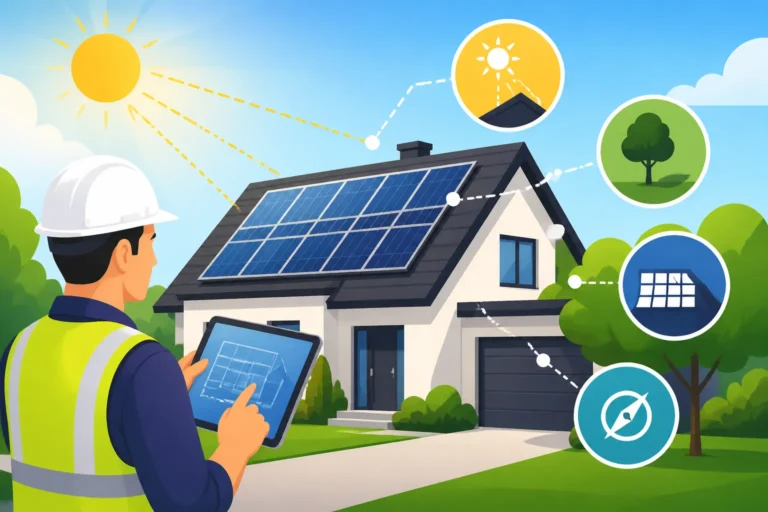
This is where the rubber meets the road. Once you express interest in solar, a reputable installer will schedule an initial consultation, often starting virtually but quickly moving to a physical site assessment. During this crucial visit, a solar professional will come to your North Carolina home – whether it’s in the bustling Triangle area, the serene Outer Banks, or the majestic mountains of Western NC – to evaluate its suitability for solar. They're looking at a few key things:
First, your roof itself. What's its age and condition? A roof that's nearing the end of its lifespan might need to be replaced before solar installation, as panels are designed to last 25 years or more, and you don't want to take them down prematurely for roof work. The installer will also consider the material; asphalt shingles are common and generally easy, but tile or metal roofs require specialized mounting techniques. Next, they'll assess the amount of sunlight your roof receives throughout the day and across seasons. This means looking for any potential shading issues from nearby trees, chimneys, or neighboring buildings. Shade, even partial, can significantly reduce solar panel efficiency. For instance, a homeowner in Asheville might contend with more tree coverage than someone on a cleared lot in Charlotte, making shading a more critical factor in their design. A good installer will use tools to perform a detailed shade analysis, often using drone imagery or sophisticated software to map out sun paths. They’re not just guessing; they're calculating your home's unique solar potential.
Tailoring Your System and Financial Considerations
Once the site assessment is complete, the solar team will get to work designing a system specifically for your North Carolina home. This isn't a one-size-fits-all approach. The primary goal is to offset as much of your electricity usage as possible, ideally aiming for 100% offset, though this isn't always feasible or necessary. They'll review your past electricity bills to understand your energy consumption patterns – how much you use, when you use it, and what your peak demand is. This data is critical for determining How Many Solar Panels Do I Need for My Home?. For example, a family in Greensboro with an electric vehicle and central air conditioning will likely need a larger system than a retired couple in Wilmington with minimal energy needs.
Beyond the system size, this stage also delves into the financial side of things. The installer will present you with a detailed proposal, outlining the estimated cost of your solar panel system. This proposal should be transparent, breaking down equipment costs, labor, and any additional fees. They will also discuss various financing options, whether that's an outright cash purchase, a solar loan, or even a solar lease or Power Purchase Agreement (PPA). While North Carolina doesn't have a state-specific solar tax credit, residents can still take advantage of the substantial Federal Solar Incentives That Still Exist in 2026, which significantly reduces the upfront cost. They might also explore local utility rebates, if available, or information on potential Solar Property Tax Exemptions by State that could apply to your county or municipality. It's crucial to understand the total investment and the long-term savings. Don't be afraid to ask for multiple quotes and compare them, perhaps using a service like Modernize to connect with pre-screened installers.
Navigating North Carolina's Permitting and Interconnection
Once you've settled on a system design and financing, the real bureaucratic ballet begins. This phase often feels the most opaque to homeowners, but your solar installer should be guiding you every step of the way. It involves securing local permits and getting approval from your utility company.
Local Permitting Requirements
Before a single panel can be installed, your solar project needs to receive the green light from your local building department. The permitting process in North Carolina can vary quite a bit from one county or city to another. For instance, the permitting requirements in Mecklenburg County (Charlotte) might have slightly different nuances or processing times compared to Wake County (Raleigh) or Brunswick County. Generally, you'll need electrical permits and building permits. These permits ensure that your solar installation adheres to local building codes, safety regulations, and structural integrity standards.
Your solar installer will typically handle all the necessary paperwork, submitting detailed plans, engineering drawings, and equipment specifications to the relevant authorities. This can include anything from structural plans for how the panels will mount to your roof to electrical schematics showing how the system integrates with your home's existing wiring. Once the permits are submitted, there’s usually a review period, which can sometimes feel like a waiting game. After the plans are approved, specific inspections will be scheduled before, during, and after installation to ensure compliance. It’s a vital step to ensure your system is safe, legal, and correctly installed, which is why working with an experienced installer who understands local North Carolina regulations is so important.
Utility Interconnection and PTO
Beyond local permits, your solar system also needs to be approved by your electric utility provider to connect to the grid. In North Carolina, the major players are Duke Energy (which operates as Duke Energy Carolinas and Duke Energy Progress in different parts of the state) and a number of smaller municipal utilities and electric cooperatives like Wake Electric or Randolph Electric Membership Corporation. Each utility has its own specific interconnection agreement process, which your installer will manage on your behalf. This agreement outlines the terms under which your solar system will operate in parallel with the utility grid.
The interconnection application often includes details about your system's size, expected output, and safety features. Once the application is submitted and approved, the utility will usually install a new net meter (or reprogram your existing one) that can measure both the electricity you draw from the grid and the excess electricity your panels send back to it. This is where concepts like Net Metering Explained How It Works by State become crucial for your long-term savings. The final, and arguably most exciting, step in this phase is receiving "Permission to Operate" (PTO) from your utility. This official green light means your system can be safely turned on and begin generating power for your home and, potentially, sending surplus energy back to the grid for credits. You can learn more about this critical step by reading our detailed guide on Solar Permitting & Interconnection (PTO) Explained.
The Installation Itself and Post-Installation Phase
After all the planning and paperwork, this is the part homeowners usually look forward to the most: seeing their solar panels come to life on their roof! The physical installation is just one part of this phase, followed by inspections and activation.
What to Expect During Installation Day
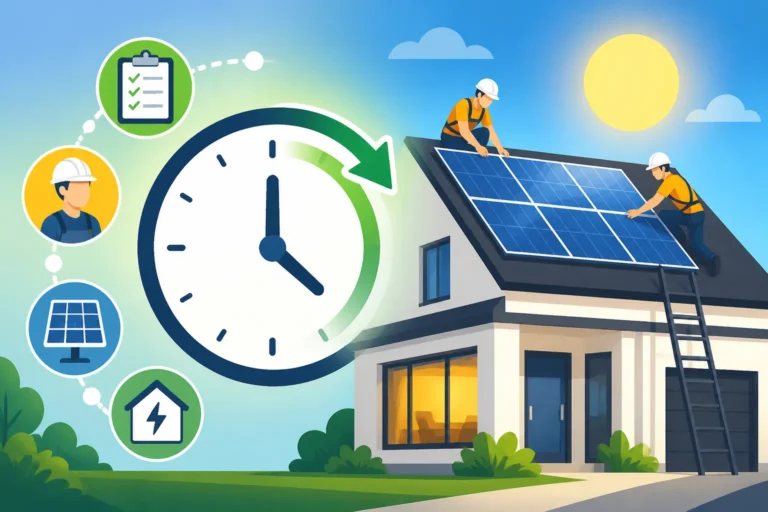
Once all permits and interconnection agreements are in place, your installer will schedule the actual installation. For most residential systems in North Carolina, the physical installation typically takes anywhere from one to three days, depending on the system's size and complexity, as well as Solar Installation Timeline: What to Expect. The crew will arrive, often with a dedicated project manager, to begin the work.
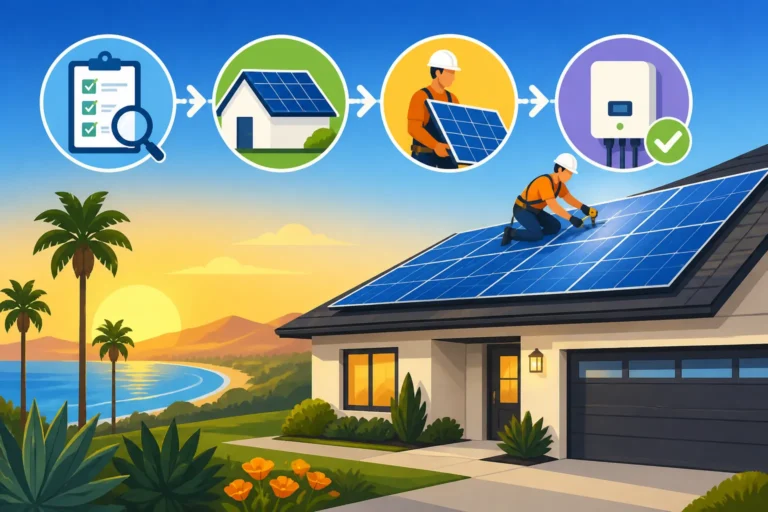
First, they’ll prepare the roof, marking out where the mounting hardware will go. This involves carefully attaching racking systems to your roof's rafters, ensuring a secure and waterproof connection. Proper Roof Considerations for Solar Panels are paramount here to prevent any leaks or damage. Next, the solar panels themselves are carefully hoisted onto the roof and secured to the racking. This is usually followed by the electrical work, which includes connecting the panels to inverters (which convert the DC electricity from the panels into AC electricity usable by your home), and then connecting the inverter to your home’s main electrical panel and the utility meter. Throughout this process, safety is a top priority, with installers following strict protocols. While it’s a flurry of activity, your installer should keep you informed of progress and any minor disruptions.
Inspections, Activation, and Monitoring Your Solar
After the physical installation is complete, there are usually a couple more hurdles to clear before your system is fully operational. First, local building and electrical inspectors will conduct a final inspection to ensure that the installation meets all codes and standards previously outlined in your permits. They'll check the structural integrity of the mounting, the wiring, the grounding, and overall safety. This inspection is a critical step to ensure your system is not only generating power but doing so safely and reliably.
Once the local inspection passes, the utility company (like Duke Energy in most parts of North Carolina) will perform their own final check before issuing that all-important Permission to Operate (PTO). They verify that the system is safely interconnected to their grid and that the new net meter is installed and functioning correctly. Only after receiving PTO can your system be officially activated. This is the moment you've been waiting for! Your installer will usually be there to flip the switch, literally, and show you how to monitor your system's performance. Most modern solar systems come with monitoring apps or online portals that let you track your real-time energy production, consumption, and even your environmental impact. This allows you to truly understand your Solar Panel Maintenance & Cleaning needs and how much electricity your home is generating.
Understanding North Carolina's Solar Landscape and Support
North Carolina has a dynamic solar market, and understanding the specific incentives and how to choose the right professional is key to a successful, long-lasting investment.
Key Incentives and Programs for NC Homeowners
While the federal solar tax credit (Investment Tax Credit) remains the biggest financial boon for homeowners nationwide, North Carolina offers some specific advantages. The state provides a significant opportunity for solar property tax exemptions. This means that while adding solar panels can substantially increase your home's value, the added value from the solar system often won't be subject to additional property taxes. This is a huge benefit, especially in areas with rising property values like the Raleigh-Durham metroplex or burgeoning coastal communities.
Beyond tax exemptions, you might also find specific utility-led programs or incentives. For example, some municipal utilities or electric cooperatives occasionally offer small rebates or specific rate structures for solar customers, though these can change. It's always a good idea to check with your specific utility provider (such as Duke Energy Progress, Duke Energy Carolinas, or your local EMC) about any programs they might have. Keep in mind that the solar landscape is constantly evolving, so staying up-to-date on available incentives, including possible Utility Solar Rebates: How to Find Yours, is crucial.
Choosing the Right North Carolina Solar Installer
Selecting the right installer is perhaps the most critical decision in your solar journey. A great installer will navigate the complexities of permits, utility interconnection, and system design with ease, while a less reputable one can create headaches and long-term problems. When looking for an installer in North Carolina, consider these factors:
First, look for local experience. An installer deeply familiar with North Carolina's specific regulations, weather patterns, and utility requirements (like those of Duke Energy) will be far more effective. They should have a strong track record and positive reviews from homeowners in your area, whether you're in Winston-Salem, Fayetteville, or Greenville. Second, ensure they are properly licensed and insured in North Carolina. Don't be shy about asking for proof of their general contractor and electrical licenses. Third, evaluate their transparency. A trustworthy installer will provide a clear, itemized quote, explain all costs, and detail the various warranty options for equipment and workmanship. Beware of high-pressure sales tactics or deals that sound too good to be true.
It's highly recommended to get at least three quotes from different companies. This allows you to compare system designs, equipment choices (like Enphase vs SolarEdge Which Inverter Is Better?), pricing, and warranties. Services like Modernize can help streamline this by connecting you with pre-qualified local installers. Asking detailed questions about their installation process, their project management, and their post-installation support is vital. You want a partner, not just a contractor, for this significant home upgrade. Our guide on How to Choose a Solar Installer provides even more in-depth advice.
Solar Economics: Maximizing Savings and Returns
Going solar is a significant financial investment, and understanding its economic impact in North Carolina is crucial for making an informed decision. It's not just about the upfront cost, but the long-term savings and return on investment.
Analyzing Your Solar Payback Period in North Carolina
The solar payback period refers to the time it takes for the savings on your electricity bills to offset the initial cost of your solar panel system. This period can vary widely depending on several factors specific to North Carolina. These include:
- System Cost: The initial outlay for your system, factoring in any federal incentives like the Investment Tax Credit. The average cost of solar panels can give you a baseline.
- Electricity Rates: North Carolina's electricity rates, primarily from Duke Energy, have generally been stable but are subject to change. Higher electricity rates tend to shorten the payback period because your savings are more substantial.
- Energy Consumption: The more electricity you consume and offset with solar, the quicker your system will pay for itself.
- Net Metering Policies: As discussed, net metering allows you to earn credits for excess electricity sent back to the grid. The specifics of these policies, particularly from Duke Energy, directly impact your savings.
For a homeowner in Durham, with relatively high energy usage and a well-optimized system, the payback period might be shorter than for someone in a rural area with lower energy consumption and different utility rate structures. Many homeowners in North Carolina find their systems pay for themselves within 8 to 12 years, making it a sound long-term investment given that panels typically last 25-30 years.
Boosting Your ROI with Energy Efficiency and Storage
To truly maximize your return on investment (ROI) from solar in North Carolina, consider pairing your solar installation with other energy-saving measures. Before installing solar panels, conduct an energy audit to identify areas where you can reduce your overall energy consumption. Upgrading to energy-efficient appliances, improving insulation, sealing drafts, and replacing old windows can significantly lower your electricity needs, meaning you'll need a smaller (and less expensive) solar system to achieve your offset goals. This can shorten your Solar Panel Payback Period Explained even further.
Furthermore, integrating a solar battery storage system, like a Tesla Powerwall or Enphase IQ Battery, can dramatically enhance your solar system's value, especially in a state where net metering policies might not always offer full retail credit. A battery allows you to store excess solar energy generated during the day and use it during peak evening hours when electricity rates are typically higher, or during power outages. This reduces your reliance on the grid during costly periods and provides essential backup power, a significant benefit during severe weather events common to parts of North Carolina. While adding a battery increases the upfront Solar Plus Battery Cost, it can lead to greater long-term savings and energy independence, especially in a time where utility grids are facing increasing strain.
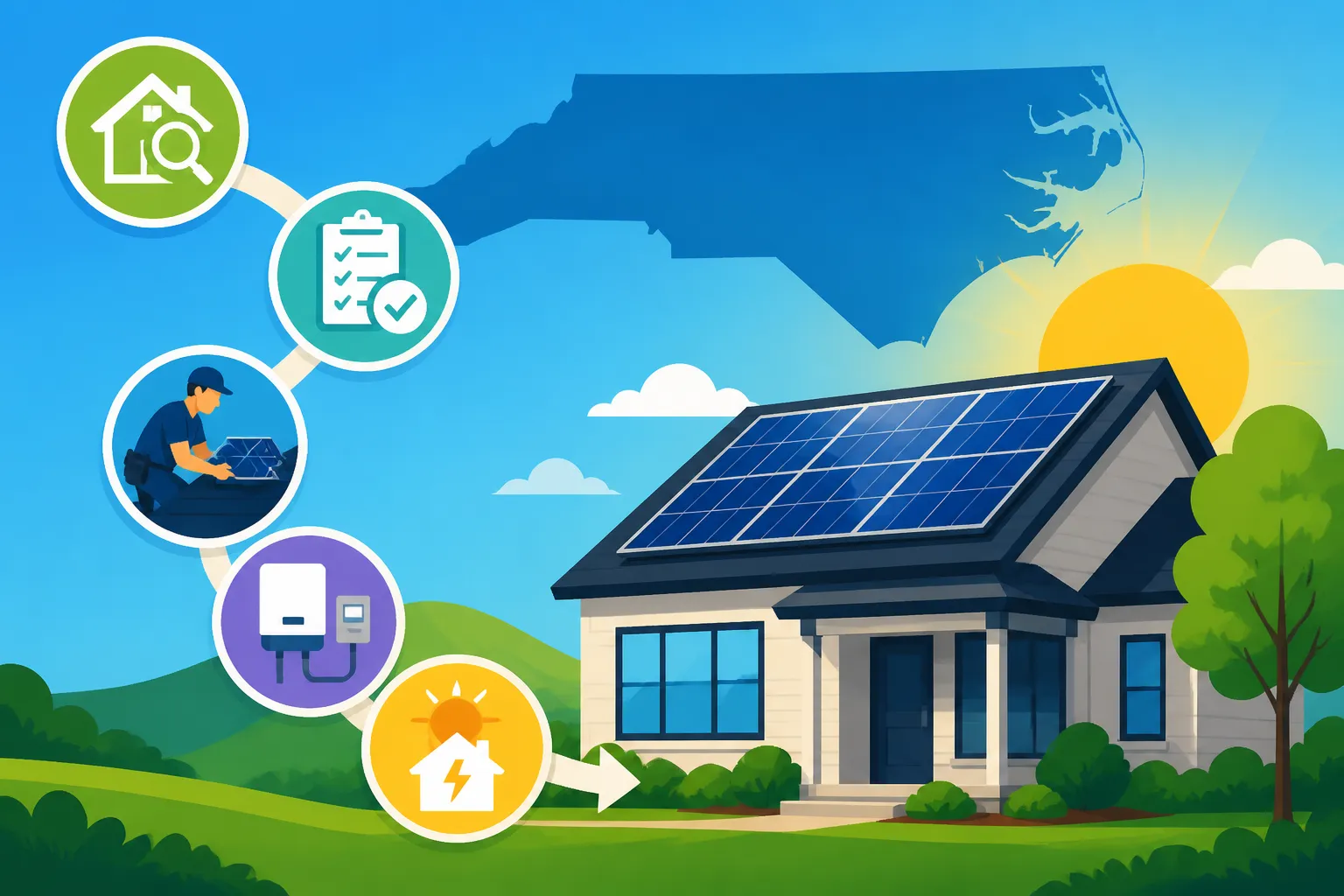
| Solar Installation Phase | Key Action/Party Involved | North Carolina Specifics | Typical Duration |
|---|---|---|---|
| Initial Consultation & Design | Installer Site Visit & Proposal | Duke Energy territory considerations, local shading analysis | 1-2 Weeks |
| Permitting Application | Installer submits plans to local building department | Varies by county/city (e.g., Wake, Mecklenburg) | 2-8 Weeks |
| Utility Interconnection Request | Installer submits application to utility | Duke Energy Carolinas/Progress, EMCs | 2-6 Weeks |
| Equipment Ordering & Delivery | Installer procures panels, inverters, racking | Supply chain can impact timing | 2-4 Weeks |
| Physical Installation | Installation crew mounts panels & electrical components | Weather-dependent (rain, summer heat, winter cold) | 1-3 Days |
| Local Inspections | City/County inspectors verify compliance | Ensures adherence to NC building & electrical codes | 1 Week |
| Utility Final Review & PTO | Utility verifies interconnection & grants Permission to Operate | Duke Energy's specific PTO process | 1-3 Weeks |
| System Activation | Installer flips the switch! | Enjoy immediate savings | Immediate |
Disclaimer
Please note that the information provided in this guide is intended for general informational purposes only and does not constitute professional advice. Solar policies, incentives, and regulations can change frequently at federal, state, and local levels. Always consult with a qualified solar professional and relevant local authorities for the most accurate and up-to-date information regarding your specific situation in North Carolina.