Best Solar Panels for Snow & Cold
It’s a common worry, isn’t it? You’re dreaming of slashing your electricity bills and embracing clean energy, but then you look out the window at a landscape blanketed in snow and wonder, "Will solar panels even work here?" The idea that solar power is only for sun-drenched, warm climates is a persistent myth that stops many cold-weather homeowners from exploring a genuinely beneficial investment. This guide is here to bust those myths and dive deep into how solar panels thrive in snowy, chilly conditions, and how you can choose the absolute best system for your specific winter wonderland.
Understanding Solar Performance in Winter Weather
Many people assume that solar panels are at their least effective when the temperatures drop and the snow starts to fall. While there are unique considerations for cold and snowy climates, the reality is often much more optimistic than you might think. Solar panels can, and do, perform exceptionally well in cooler conditions, sometimes even better than in scorching heat.
The Myth of "No Solar in Winter"
Let's address the elephant in the snow-covered room first. The biggest misconception is that solar panels stop working or become useless in winter. This simply isn't true. Solar panels convert sunlight into electricity, not heat. As long as there's sunlight, even on a cloudy winter day, they will generate power. Think about it: many of the world's leading solar countries, like Germany, aren't exactly tropical paradises. They experience significant cold and snow, yet their solar industries are booming.
The amount of sunlight hours certainly decreases in winter, and the sun's angle is lower, which means less direct irradiance. However, modern solar technology is designed to capture diffuse light, meaning even overcast days contribute to your energy production. The real challenge isn't the cold itself, but rather physical obstructions like snow and ice.
How Cold Weather Can Boost Efficiency
Here's a surprising fact that often gets overlooked: solar panels actually perform more efficiently in cooler temperatures than in extreme heat. The semiconductor materials within solar cells, usually silicon, work better when they're cool. As the temperature of a solar panel rises, its voltage decreases, leading to a slight drop in efficiency. This is measured by a panel's "temperature coefficient," which tells you how much its output degrades for every degree Celsius above 25°C (77°F).
In cold climates, panels operate closer to or even below that optimal 25°C mark. This means they can often produce power more efficiently per unit of sunlight than a panel baking on a 100°F roof in Arizona. So, while you might have fewer peak sunlight hours in winter, the hours you do get can be remarkably productive, helping offset the shorter days.
The Real Challenge: Snow Accumulation
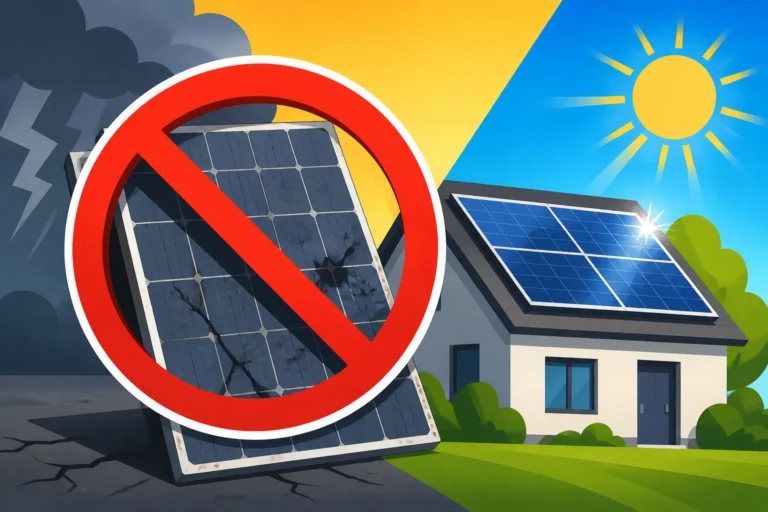
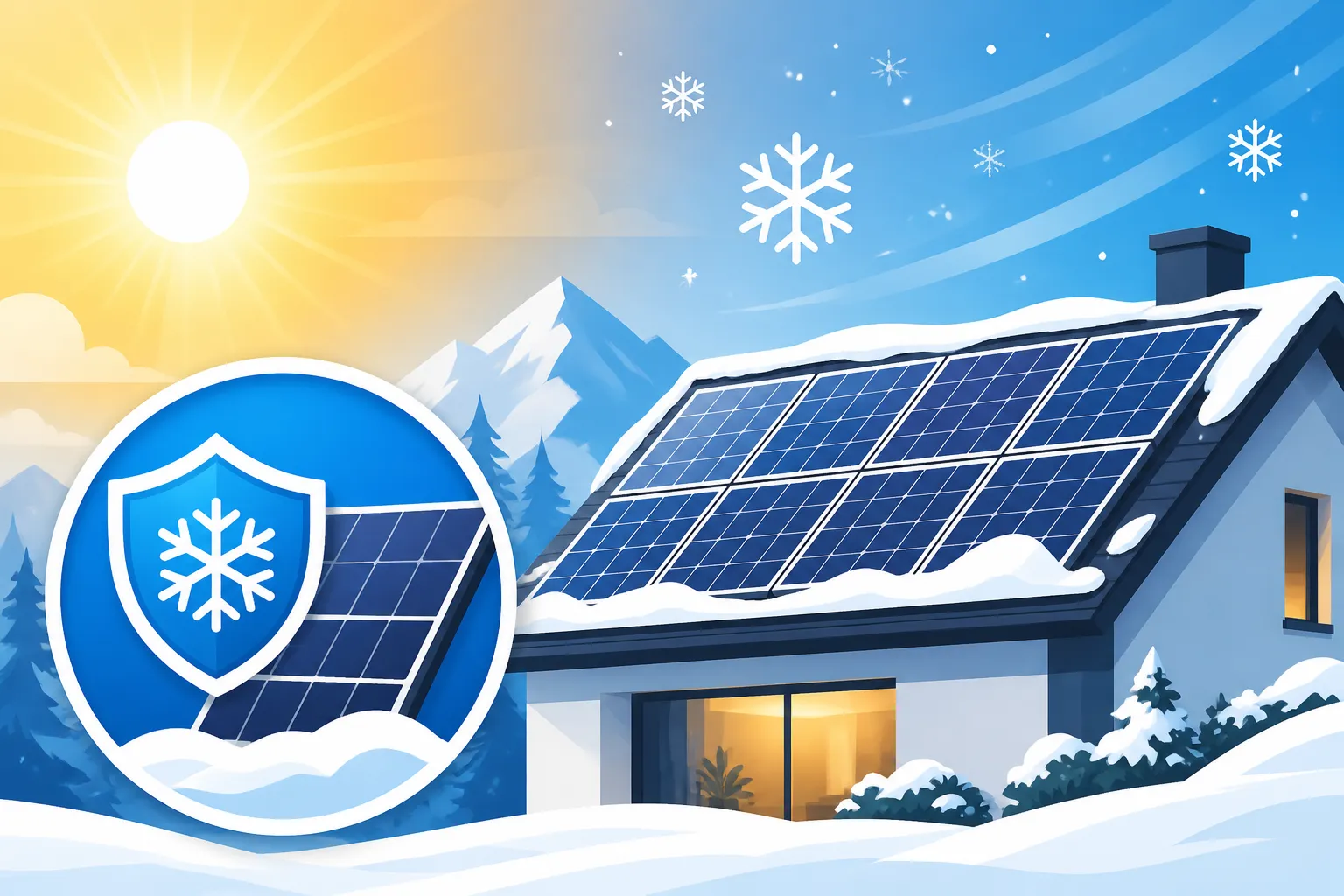
While cold temperatures are often a boon for panel efficiency, snow is the primary obstacle. A thick blanket of snow covering your panels will, of course, block sunlight and prevent electricity generation. This is where strategic planning, panel selection, and installation techniques become crucial. It's not about whether solar can work in the snow, but how effectively you can manage and mitigate the impact of snow accumulation.
The duration and depth of snow cover are key factors. A light dusting that melts quickly is far less problematic than several feet of heavy, packed snow that lingers for weeks. Understanding your local snowfall patterns and average temperatures throughout winter will be vital in designing a system that performs optimally and justifies the Solar Panel Payback Period Explained.
Key Features of Snow-Resistant Solar Panels
When you're looking for solar panels that can stand up to winter's worst, it's not just about how much sun they capture, but also how much abuse they can take and how well they shed snow. Certain specifications and design choices become paramount in cold, snowy environments.
High Mechanical Load Rating
This is perhaps the most critical specification for panels destined for snowy regions. The mechanical load rating indicates how much weight a solar panel can withstand per square foot without structural damage. Snow, especially wet, heavy snow, can be incredibly dense and put immense pressure on your roof and panels. A higher mechanical load rating means the panel itself is built more robustly.
Standard panels typically have a mechanical load rating of around 5,400 pascals (Pa), which is equivalent to about 113 pounds per square foot (psf). In areas prone to heavy snowfall, you'll want to look for panels with ratings that meet or exceed local building codes for snow load. Some premium panels offer ratings up to 6,000 Pa or more, providing an extra layer of confidence that your investment won't buckle under the weight of winter. This rating isn't just about the panel; it also speaks to the strength of the frame and the quality of its construction, ensuring longevity through harsh conditions.
Excellent Temperature Coefficient
As mentioned earlier, solar panels operate more efficiently in cooler temperatures. The temperature coefficient (usually expressed as %/°C) quantifies how much a panel's power output decreases for every degree Celsius its temperature rises above 25°C. For example, a panel with a temperature coefficient of -0.35%/°C will lose 0.35% of its output for every degree above 25°C.
While cold weather improves efficiency, a good temperature coefficient is still valuable, even in winter. It means that on those crisp, sunny winter days, your panels will maximize their output because they are operating at or below their optimal temperature without significant degradation. Look for panels with a temperature coefficient closer to zero (e.g., -0.29%/°C to -0.35%/°C) for superior performance in varying temperature conditions, ensuring you get the most out of every ray of winter sun.
Anti-Reflective and Hydrophobic Coatings
Panel surfaces often come with specialized coatings designed to enhance light absorption and resist environmental elements. For snowy climates, these coatings play a dual role. Anti-reflective coatings maximize the amount of sunlight absorbed, which is particularly important when the sun is lower in the sky and days are shorter. More light absorbed means more power generated from the available sunlight.
Hydrophobic coatings, also known as self-cleaning coatings, are incredibly beneficial in snowy and icy conditions. These coatings are designed to be extremely water-repellent, causing water, snowmelt, and even dust to bead up and roll off the surface more easily. This helps panels shed snow naturally as temperatures rise slightly, or with the slightest tilt. It also minimizes the formation of stubborn ice layers. While no coating will instantly melt a foot of snow, these features significantly aid in the natural clearing process, reducing the need for manual intervention and maximizing the time your panels are actively producing power.
Top Solar Panel Technologies for Cold Climates
Beyond the general characteristics, certain solar panel technologies and system components are inherently better suited to the rigors of cold and snow. Choosing the right type of panel and inverter system can make a significant difference in your winter energy production.
Monocrystalline Panels
Monocrystalline solar panels have long been the industry standard for efficiency and durability, making them an excellent choice for cold climates. They are made from a single crystal of silicon, giving them a uniform black appearance and allowing electrons to flow more easily. This results in higher efficiency ratings compared to their polycrystalline counterparts, meaning they can generate more power from a smaller footprint – a distinct advantage when sunlight hours are limited and roof space might be constrained by snow accumulation zones.
Their robust construction also typically gives them a strong mechanical load rating, essential for bearing heavy snow. Furthermore, monocrystalline panels tend to have good low-light performance, which is crucial for capturing energy on overcast winter days. When considering Solar Panel Cost Per Watt Explained, monocrystalline panels might have a slightly higher upfront cost, but their superior efficiency and resilience often translate to better long-term savings, especially in challenging environments.
TOPCon and HJT Technologies
The solar industry is constantly innovating, and newer technologies like Tunnel Oxide Passivated Contact (TOPCon) and Heterojunction (HJT) are pushing the boundaries of efficiency and performance, particularly in sub-optimal conditions. These advanced cell structures offer several advantages that are highly beneficial for cold and snowy regions:
- Higher Efficiency: Both TOPCon and HJT panels boast even higher efficiencies than traditional monocrystalline PERC (Passivated Emitter Rear Cell) panels. More efficiency means more power generated from each panel, which is vital when sunlight is scarce.
- Superior Temperature Coefficient: These technologies typically feature even better temperature coefficients, meaning their performance degrades less in higher temperatures and, conversely, they capitalize more on cooler operating temperatures.
- Improved Low-Light Performance: Their advanced cell designs are often better at capturing diffuse light, allowing them to start generating power earlier in the morning, continue later in the evening, and perform more effectively on cloudy days – all common occurrences in winter.
- Bifacial Capabilities (especially HJT): Many HJT panels are bifacial, meaning they can absorb sunlight from both the front and back surfaces. While this is often touted for ground-mount systems reflecting off the ground, a bifacial panel on a roof in a snowy climate can potentially capture reflected light from snow on the roof or surrounding surfaces, offering an unexpected boost in production.
Brands like Qcells, known for their robust Q.ANTUM DUO Z technology (a type of TOPCon), and REC with their Alpha Pure-R series (HJT) are examples of manufacturers leading the charge in these advanced technologies. You can learn more in a Qcells Solar Panel Review or compare options like REC vs Qcells Solar Panels to see how these innovations stack up.
Microinverters and Power Optimizers
While not directly part of the solar panel itself, the inverter technology you choose is paramount for optimal performance in snowy climates. Traditional string inverters connect panels in a series, meaning if one panel is shaded by snow, the output of the entire string can be reduced to that of the lowest-performing panel. This is known as the "Christmas light effect."
Microinverters and power optimizers, however, are specifically designed to mitigate this issue.
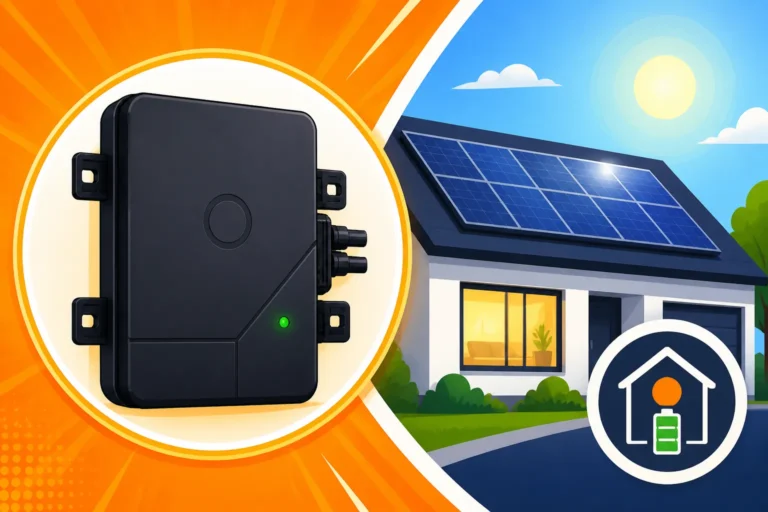
- Microinverters: These small devices are installed directly underneath or integrated with each individual solar panel. They convert DC power to AC power at the panel level. This means each panel operates independently. If one panel is covered in snow, the others continue to produce at their maximum capacity, unaffected. This is incredibly beneficial when snow might partially cover some panels or melt off unevenly.
- Power Optimizers: These devices are also installed at each panel, but instead of converting DC to AC, they "condition" the DC power, sending optimized DC power to a central string inverter. Similar to microinverters, they allow each panel to perform independently, maximizing output even with partial shading.
Both options prevent a single snow-covered panel from dragging down the performance of your entire system. This is a game-changer for maintaining consistent energy production throughout the winter months. To understand the differences and choose what's best for your home, check out our guide on Microinverter vs String Inverter: Pros and Cons. Leading brands for these technologies include Enphase (microinverters) and SolarEdge (power optimizers).
Installation and Maintenance for Winter Resilience
Even the best solar panels for snow and cold won't perform optimally if they're not installed correctly or maintained effectively. The physical setup of your system plays a huge role in its winter resilience.
Proper Tilt and Pitch
The angle at which your solar panels are installed is critical for snow shedding. While an ideal tilt for year-round production in most northern hemisphere locations is typically close to your latitude, a steeper pitch can significantly improve snow removal. Panels installed at a steeper angle allow gravity to do more of the work, encouraging snow to slide off naturally as it melts or as wind blows.
In very snowy regions, installers might recommend an even steeper tilt, sometimes closer to 40-50 degrees, or even vertically for ground-mounts, which prioritizes winter performance. While this might slightly reduce summer production, the gains from improved snow shedding can easily outweigh the slight summer dip, especially if you have ample sunlight during warmer months. Discussing local snowfall patterns and average sun angles with your installer is key to finding the optimal balance for your home. Proper structural support for steeper angles is also vital, and this will be considered during the initial Solar Installation Timeline: What to Expect and site survey.
Roof Considerations and Mounting Systems
Your roof itself is the foundation for your solar system, and its characteristics are particularly important in snowy areas.
- Roof Type and Age: Robust roofing materials like asphalt shingles or metal roofs are generally well-suited. Tile roofs, while beautiful, can be more challenging due to their fragility. If your roof is old, it might be wise to consider a Roof Replacement Cost Before Solar installation.
- Structural Integrity: Heavy snow loads demand a structurally sound roof. A professional solar installer will conduct a thorough assessment to ensure your roof can safely support the weight of the panels plus expected snow load.
- Mounting Systems: High-quality mounting systems are crucial. They need to be securely attached to your roof's rafters and designed to withstand significant uplift from strong winds and the downward pressure of heavy snow. Reputable installers use robust racking from companies like IronRidge or Enphase (for their integrated systems) that are engineered for extreme weather. These systems distribute the weight evenly and ensure the panels stay put. For more details on what your roof needs, explore our guide on Roof Considerations for Solar Panels.
Snow Removal and Monitoring
While proper tilt and hydrophobic coatings aid natural snow shedding, sometimes manual intervention is necessary.
- Safe Snow Removal: Never climb onto a snowy or icy roof yourself to clear panels. This is extremely dangerous. Professional solar cleaning services or specialized tools like extendable roof rakes (which you can often find on Amazon for DIY light clearing from the ground) are safer options. Be gentle with any tools to avoid scratching or damaging the panel surface. Remember, damage can void warranties.
- Natural Shedding: Often, simply waiting for the sun to warm the panels slightly will cause snow to slide off. Because panels are dark, they absorb sunlight even through thin layers of snow, which helps to melt the bottom layer and allows the snow to release.
- System Monitoring: Most modern solar systems come with monitoring apps (e.g., from Enphase or SolarEdge) that allow you to track your panel's energy production in real-time. This is invaluable in winter. If production drops significantly and you know there's snow, you'll be aware. You can monitor performance, track reductions due to snow, and see when panels clear themselves, giving you peace of mind and data-driven insights. These monitoring systems can often be set up and managed via user-friendly apps, making it easy to check your system's health from the comfort of your home, even if you initially purchased some smaller parts or accessories for your home solar setup from Amazon.
Leading Brands for Cold Weather Solar
When it comes to choosing solar panel brands for a cold and snowy climate, you want names synonymous with durability, high performance, and robust warranties. Not all panels are created equal, and some manufacturers specifically engineer their products with challenging environments in mind.
Manufacturers with Robust Panels
Several global manufacturers consistently produce high-quality panels that excel in adverse conditions.
- Qcells: A leader in the solar industry, Qcells is well-regarded for its durable and high-performing panels. Their Q.ANTUM DUO Z Technology, which incorporates half-cut cells, multi-busbar design, and zero-gap cell spacing, contributes to excellent performance, especially in low-light conditions and at varying temperatures. Qcells panels are also known for their strong mechanical load ratings, making them a top contender for areas with heavy snow. They stand behind their products with solid warranties, providing peace of mind. You can delve deeper into their offerings with a comprehensive Qcells Solar Panel Review.
- REC Solar: Another premium brand, REC is known for its high-efficiency, high-quality panels. Their Alpha series, utilizing Heterojunction (HJT) technology, offers outstanding temperature coefficients and strong mechanical load ratings. REC panels are designed for reliability and sustained performance over their lifespan, making them a smart investment for cold climates where consistent power generation is key. Their robust frame design further enhances snow load resistance.
- Silfab Solar: For those prioritizing North American manufacturing, Silfab Solar is an excellent choice. Silfab panels are known for their rugged construction and high power output, often exceeding industry standards for mechanical load. They are engineered for harsh environments, making them suitable for regions experiencing significant snowfall and extreme temperatures. Their focus on quality control and performance in real-world conditions makes them a reliable option.
- Maxeon (formerly SunPower): Maxeon panels, particularly their A-series and X-series, are renowned for their industry-leading efficiency and exceptional durability. While they come at a higher solar panel cost price point, their unique solid copper foundation cells and robust design make them incredibly resistant to cracking, corrosion, and extreme weather. They also boast excellent temperature coefficients, ensuring strong performance even when the mercury dips. Their panels are often a top recommendation for challenging installations.
These brands consistently appear on "best of" lists for cold-weather performance due to their engineering, testing, and proven track record in various climates.
Warranty Considerations
The warranty offered by a solar panel manufacturer is a strong indicator of their confidence in their product's durability and performance. For cold and snowy climates, pay close attention to two main types of warranties:
- Product Warranty (or Equipment Warranty): This covers defects in manufacturing, materials, or workmanship. Standard product warranties typically range from 10 to 12 years, but premium manufacturers like Qcells, REC, and Maxeon often offer 25-year product warranties. A longer product warranty is especially valuable in harsh climates, as it offers extended protection against issues that might arise from prolonged exposure to snow, ice, and extreme temperature fluctuations.
- Performance Warranty (or Power Production Warranty): This guarantees that your panels will produce a certain percentage of their rated power output over time. Most panels are guaranteed to produce at least 80-85% of their original capacity after 25 years. Again, premium brands often offer superior performance warranties, guaranteeing a higher percentage (e.g., 87-92%) of original output after 25 years. This is critical for cold regions because consistent performance over decades directly impacts your How Much Can You Save With Solar Panels? and the overall Solar Panel Payback Period Explained.
When comparing options, always scrutinize the warranty details. Ensure that the warranty terms are clear regarding snow load, extreme temperatures, and any potential exclusions. A strong warranty from a reputable brand indicates a product built to last and perform, even through the toughest winters. For a deep dive into what to look for, read our guide on Solar Panel Warranties Explained.
Maximizing Your Solar Investment in Cold Regions
Getting solar panels for a cold and snowy climate is about more than just picking the right equipment; it’s about strategic planning and understanding how your system integrates with your overall energy needs and available incentives. Maximizing your investment means thinking holistically about production, consumption, and financial benefits.
Integrating with Battery Storage
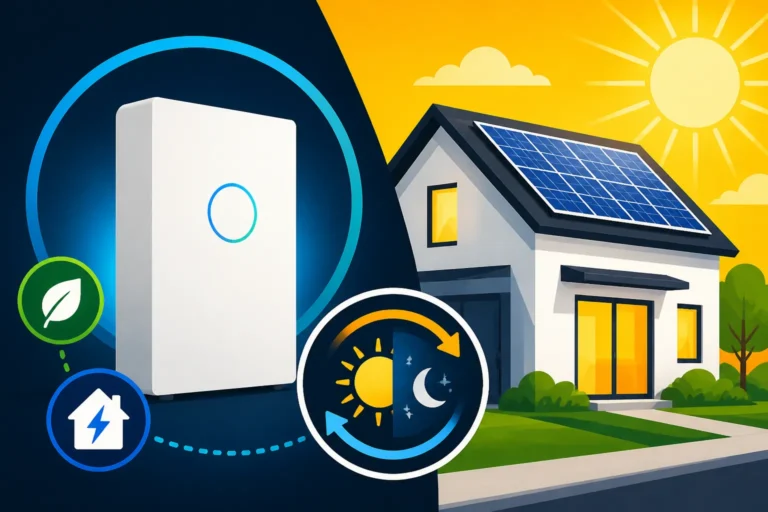
In cold and snowy regions, integrating a solar battery storage system can be a game-changer for several reasons. While solar panels can be incredibly efficient in cold temperatures, shorter daylight hours and potential snow cover mean your daily energy production might fluctuate more than in sunnier seasons. A solar battery, like those from Tesla (Powerwall) or Enphase (IQ Battery), allows you to store excess electricity generated during peak sunlight hours or less snowy days.
This stored energy can then be used at night, on heavily overcast days, or when snow accumulation temporarily reduces your panel output. It provides a buffer, enhancing your energy independence and ensuring a more consistent power supply. Furthermore, many cold regions are prone to winter storms and power outages. A battery system can provide critical backup power, keeping essential appliances running when the grid goes down. This added resilience is invaluable. There are even specific Solar Battery Incentives in 2026 available that can make adding storage more affordable. Our guide, Do I Need a Battery With Solar?, offers a detailed look at whether a battery is right for your home.
Understanding Local Incentives
Even without the federal tax credit (which is still very much alive and well, by the way!), many states and local municipalities offer fantastic incentives that make solar incredibly attractive, even in traditionally colder states. These can include:
- State Solar Tax Credits: Some states, like New York, offer their own state-level tax credits, which can significantly reduce your upfront costs.
- Net Metering: This policy allows you to send excess electricity generated by your panels back to the grid in exchange for credits on your utility bill. While some states have reduced net metering rates (like California's NEM 3.0), it still provides significant value in many areas.
- Solar Renewable Energy Credits (SRECs): In states like Massachusetts, New Jersey, and Illinois, you can earn SRECs for the clean electricity your system generates. These credits can then be sold on a market, providing an additional revenue stream.
- Property and Sales Tax Exemptions: Many states offer exemptions for solar, meaning your property taxes won't increase due to the added value of solar, and you won't pay sales tax on the equipment.
- Utility Rebates: Some local utility companies offer direct rebates for installing solar panels.
Researching the specific incentives available in your state or even your city is crucial. These programs can dramatically improve your solar system's financial viability, shortening your payback period and increasing your overall return on investment. Check out our State Solar Incentives: Complete 2026 Guide to find out what's available where you live. Many of these incentives are designed to encourage adoption, even in areas with challenging weather, proving that solar is a worthwhile investment across diverse climates.
Long-Term Performance and ROI
Despite the concerns about snow and cold, solar panels are a long-term investment that can offer substantial returns. With panels typically warrantied for 25 years or more, your system will be generating clean energy and saving you money for decades. The consistent performance of quality panels, combined with smart installation choices and potential battery storage, ensures that your system remains productive even during the winter months.
Furthermore, electricity rates are projected to continue rising across the country. By locking in your energy costs with solar, you gain financial stability and hedge against future price increases. While initial investment costs can seem daunting, especially if you're installing a robust system designed for heavy snow, the long-term savings on your utility bills, combined with property value increase and available incentives, make solar a compelling investment. Don't let a few months of snow deter you from exploring the significant financial and environmental benefits that solar can bring to your cold-weather home.
Final Thoughts on Cold Weather Solar
Embracing solar power in a region with significant snow and cold is not only possible but often highly beneficial. It requires a thoughtful approach, focusing on durable panels with high mechanical load ratings, excellent temperature coefficients, and advanced technologies like TOPCon or HJT. Pairing these with intelligent installation, such as appropriate tilt angles and robust mounting systems, and considering smart components like microinverters or power optimizers, will ensure your system stands strong and performs well, even when winter bites.
Remember, the cold can actually boost panel efficiency, and effective snow management strategies exist. By leveraging state and local incentives, and potentially integrating battery storage, you can maximize your long-term savings and enjoy energy independence year-round. Don't let the snow deter your solar dreams – with the right choices, your home can be a beacon of clean energy, no matter how low the temperature drops.
Disclaimer
Please note that the information provided in this guide is for general educational purposes only and should not be considered professional financial, legal, or energy advice. Solar incentives, regulations, and technologies are constantly evolving. It is crucial to consult with qualified solar professionals, tax advisors, and local authorities to determine the most accurate and up-to-date information for your specific situation and location. Always obtain multiple quotes from reputable solar installers and thoroughly review all contracts and warranty information before making any decisions.