Enphase Inverter Review
Navigating the world of home solar can feel like learning a whole new language, especially when it comes to the technical bits like inverters. Many homeowners get overwhelmed trying to figure out if a traditional string inverter or the more advanced microinverter system is right for them, often hearing conflicting advice or confusing jargon. This comprehensive guide will cut through the noise, offering an in-depth look at Enphase microinverters, their core benefits, potential drawbacks, and how they stack up in the real world, helping you make an informed decision for your solar journey.
What Makes Enphase Microinverters Different?
When you first start looking into solar, you'll quickly learn that an inverter is a critical piece of equipment. It's the brain of your system, taking the direct current (DC) electricity produced by your solar panels and converting it into alternating current (AC) electricity that your home appliances use and that can be fed back into the grid. The question then becomes, which type of inverter? Enphase has carved out a significant niche by championing microinverter technology, which operates on a fundamentally different principle than the more traditional string inverter setup.
Understanding Microinverter Technology
Imagine your solar array as a team of individual athletes. With a traditional string inverter, all these athletes are chained together, and the performance of the entire team is dictated by the slowest or weakest member. If one panel is shaded by a tree branch, or gets dirty, or even just performs slightly less efficiently due to age, the output of the entire string of panels can drop significantly. This is because the string inverter can only process the maximum power point (MPP) of the entire string, not each panel individually.
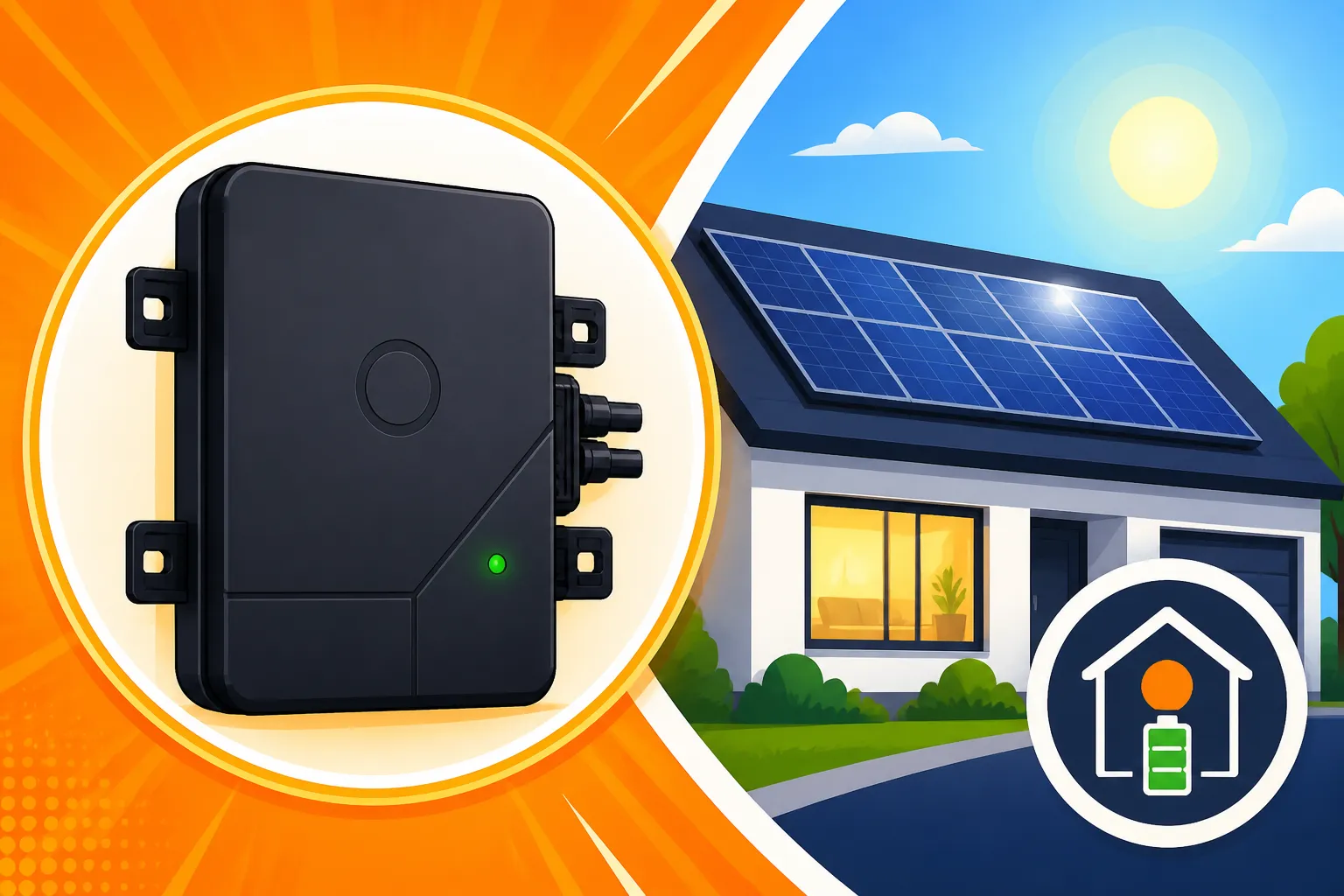
Enphase microinverters, on the other hand, are like having an individual coach for each athlete. Each solar panel has its own dedicated microinverter, usually mounted directly underneath it. This means that each panel converts its DC power to AC power independently. If one panel is underperforming, it doesn't drag down the rest of the system. This panel-level optimization is a game-changer, ensuring that every panel is always performing at its absolute peak, maximizing your overall energy harvest. This fundamental difference is why many homeowners consider microinverters when comparing different Solar Inverters: String vs Microinverter vs Optimizer.
Enphase's System Architecture
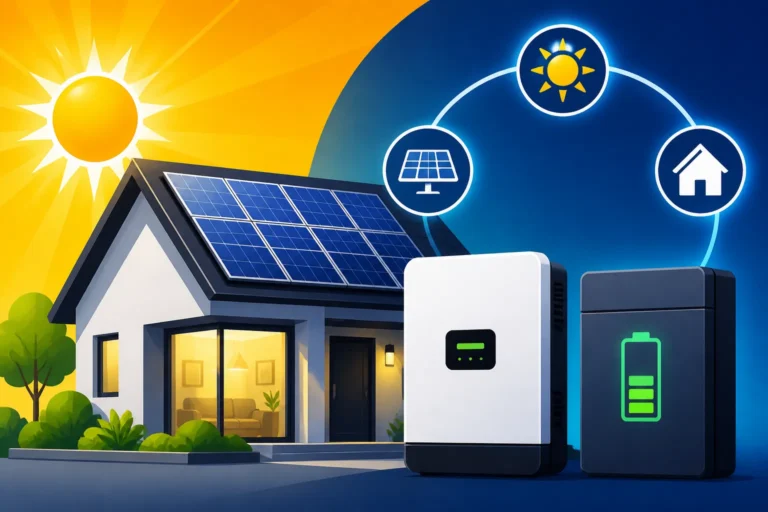
Enphase doesn't just offer microinverters; they offer an integrated energy management system. At the heart of it are their IQ Microinverters, which handle the DC to AC conversion. These aren't just converters; they're smart devices designed to communicate and work together. Each microinverter constantly monitors its assigned panel's performance.
This network of microinverters then communicates with the IQ Gateway (formerly known as the Enphase Envoy). This small device acts as the central hub, collecting data from all the microinverters and sending it to the cloud. From there, you, the homeowner, can access all your system's performance data through the MyEnphase app on your smartphone or computer. It's a truly comprehensive ecosystem, providing granular insights into your energy production. Beyond mere monitoring, the IQ Gateway also facilitates communication with the utility grid and can manage crucial functions like rapid shutdown and even integrating with Enphase IQ Battery Review & Cost for energy storage.
Key Features and Benefits of Enphase IQ Microinverters
When considering a major investment like solar, understanding the practical advantages of one technology over another is crucial. Enphase microinverters bring several compelling benefits to the table that address common concerns and optimize system performance for homeowners.
Enhanced Energy Production
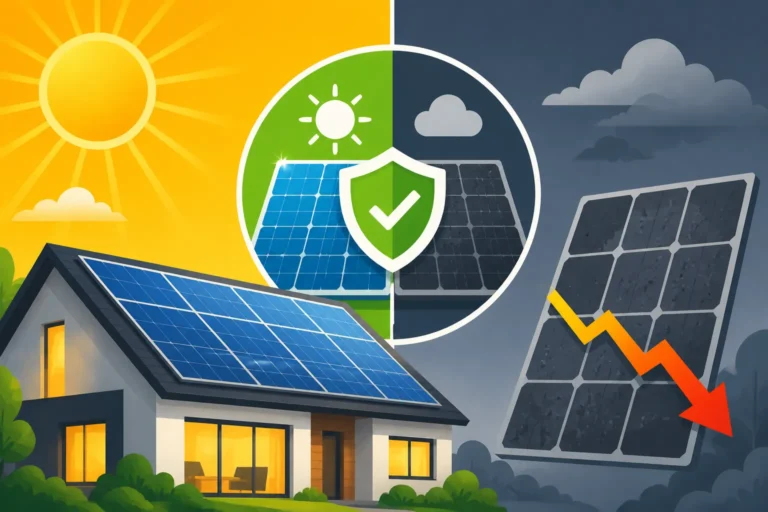
One of the most significant advantages of Enphase microinverters is their ability to maximize energy harvest, especially in less-than-ideal conditions. With a string inverter, even a small amount of shade on one panel can significantly reduce the output of all panels in that series. Think of a string of Christmas lights: if one bulb goes out, the whole strand might go dark. Similarly, if a single panel is covered by a falling leaf, bird droppings, or a developing shadow from a chimney or tree, the entire string's output can be curtailed.
Enphase microinverters, by converting DC to AC at the panel level, mitigate this issue entirely. Each panel operates independently, meaning if one panel's output drops, the others continue to produce at their full potential. This is particularly beneficial for homes with complex rooflines, occasional shading, or if you're looking for the Best Solar Panels for Shaded Roofs. Studies and real-world observations often show a noticeable increase in overall system production over the lifetime of the system due to this inherent design advantage. It's not just theoretical; it translates directly into more kilowatt-hours of electricity generated and more savings on your utility bill.
Superior Reliability and Longevity
The thought of your entire solar system going down due to a single point of failure is a common worry for many prospective solar owners. Traditional string inverters, being a single, central component, represent such a point. If that one inverter fails, your entire system stops producing power. Replacing a large central inverter can also be a complex and costly endeavor.
Enphase's distributed architecture fundamentally changes this dynamic. With a microinverter under each panel, if one microinverter happens to fail (which is rare, given their robust design), only that single panel's production is affected. The rest of your array continues to operate normally, minimizing any disruption to your energy generation. This inherent redundancy provides peace of mind. Furthermore, Enphase microinverters are designed to be extremely durable, often housed in weather-resistant enclosures that can withstand harsh outdoor conditions. This commitment to longevity is reflected in their industry-leading Solar Panel Warranties Explained, typically offering a 25-year warranty that often matches or even exceeds the warranty of the solar panels themselves.
Advanced Safety Features
Safety is paramount when installing any electrical system on your home. Solar arrays, especially those with traditional string inverters, often have high-voltage DC wiring running across your roof and into your home. This high-voltage DC current (often 300-600 volts or more) can pose a significant safety risk in the event of an electrical fault or a fire, making it dangerous for firefighters and service personnel.
Enphase microinverters eliminate this concern. Because the DC power is converted to safer AC power directly at the panel, there's no high-voltage DC cabling running through your attic or across your roof. This significantly reduces the risk of arc faults and electrical fires. Additionally, Enphase systems come equipped with rapid shutdown technology, a feature mandated by many electrical codes, including the National Electrical Code (NEC). In an emergency, or when activated by a firefighter, the system can quickly de-energize the solar panels, bringing the voltage down to safe levels within seconds. This makes your solar array a much safer proposition for both your family and emergency responders.
Potential Drawbacks and Considerations
While Enphase microinverters offer a compelling package of benefits, it's also important to have a balanced view and understand some of the potential downsides. No technology is perfect for every single homeowner, and being aware of these considerations will help you determine if Enphase is truly the best fit for your specific situation.
Higher Upfront Cost
One of the most frequently cited drawbacks of microinverter systems, including those from Enphase, is their typically higher upfront installation cost compared to traditional string inverter systems. Instead of one central inverter, you're paying for multiple smaller, intelligent inverters, one for each panel. This component count adds up. The manufacturing and installation labor associated with connecting each individual microinverter also contributes to the overall price tag.
However, it's crucial to look beyond the initial sticker shock and consider the long-term value. While the initial investment might be higher, the enhanced energy production, superior reliability, and longer warranties can lead to greater savings and a faster return on investment over the system's lifespan. The distributed nature of the system means fewer catastrophic failures and easier troubleshooting, potentially reducing maintenance costs over two decades or more. It's often a case where paying a bit more upfront leads to a more robust and efficient system down the road, and sometimes the difference in cost isn't as dramatic as you might think once all factors are considered.
Individual Component Failures
While the distributed architecture of Enphase microinverters is a huge advantage for system uptime (as one failure doesn't halt the whole array), it does mean there are more individual components that could potentially fail. With a traditional string inverter, you have one inverter to worry about. With microinverters, if you have a 20-panel system, you have 20 microinverters. While Enphase boasts an excellent track record for reliability, and their 25-year warranty is top-tier, the possibility of an individual microinverter failing does exist.
If a microinverter fails, you'll see its corresponding panel's production drop off in your MyEnphase app. The process for replacement typically involves a technician accessing your roof to remove the faulty unit and install a new one. This is usually covered under warranty, but it still requires scheduling a service appointment and potentially waiting for parts. Thankfully, the impact is localized to just one panel, unlike a complete system shutdown with a string inverter failure. However, for those who prefer minimal components and potentially fewer points of failure, even if localized, it's a factor to consider.
Installation Complexity (Marginal)
While the overall electrical wiring of an AC microinverter system can be simpler than a high-voltage DC string system, the physical installation of microinverters can sometimes be marginally more involved. Each microinverter needs to be physically mounted to the racking beneath its corresponding solar panel. This means more individual units to secure and connect on the roof.
For a seasoned solar installer, this isn't a significant hurdle, but it does add a few extra steps compared to simply running a couple of DC home run wires to a single, ground-mounted string inverter. The main complexity comes from ensuring all the connections are secure and weatherproofed, which is a critical part of a quality solar installation process. However, the benefits of panel-level optimization and enhanced safety typically outweigh this marginal increase in installation labor for most homeowners and installers alike. If you're looking into How Are Solar Panels Installed? Step by Step, you'll find that the microinverter approach streamlines the DC side of things considerably.
Enphase Inverter Models and Compatibility
Enphase has a strong history of innovation, constantly evolving its microinverter technology to meet the demands of modern solar installations and homeowner needs. Their current lineup, particularly the IQ Series, represents the pinnacle of their development, offering advanced features and seamless integration with other smart home energy components.
The IQ Series: IQ8 and Beyond
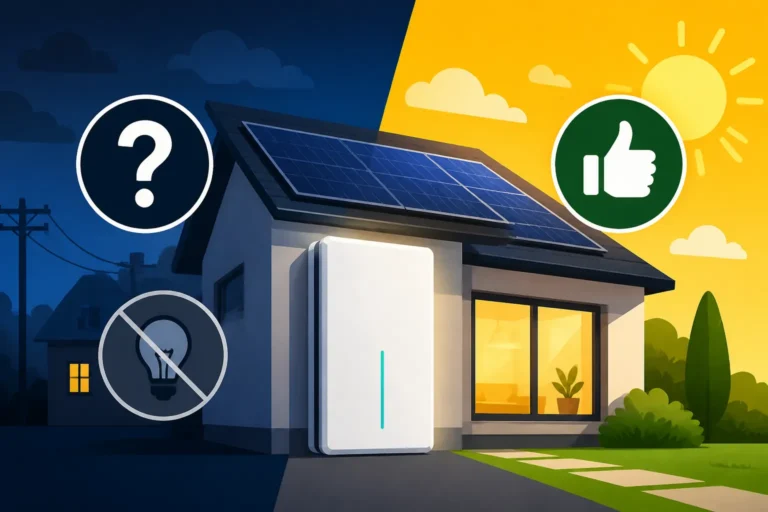
The Enphase IQ Series microinverters are designed to be powerful, intelligent, and flexible. The most prominent and widely adopted models are currently within the IQ8 series. What sets the IQ8 series apart is its unique ability to "sunlight jumpstart" a home, even during a grid outage, when paired with an Enphase System Controller and a battery. This means if the grid goes down on a sunny day, your home can still draw power directly from your solar panels, whereas older microinverters or string inverters typically require a battery or grid connection to operate. This "grid-forming" capability is a significant advancement in home energy resilience.
The IQ8 microinverters also come in various power outputs (e.g., IQ8, IQ8+, IQ8M, IQ8A, IQ8H) to ensure optimal pairing with a wide range of solar panel wattages. This allows installers to precisely match the microinverter to the specific panel, maximizing efficiency and energy harvest for each individual module. For a deeper dive into specific model capabilities, you might want to read an Enphase IQ8 Microinverter Review to understand the nuances of each variant. They are generally compact, lightweight, and built for a 25-year lifespan, making them a durable choice for long-term solar production.
Battery Integration: Enphase IQ Batteries
One of the most exciting developments in home solar is the increasing adoption of energy storage, and Enphase has made significant strides in creating a cohesive ecosystem around their microinverters. While you can use virtually any solar panel with Enphase microinverters, the true power of their system shines when you integrate it with their own Enphase IQ Batteries. These batteries are specifically designed to work seamlessly with IQ Microinverters and the IQ Gateway, providing a truly unified energy management solution.
The IQ Batteries utilize microinverter technology internally for DC-to-AC conversion, which means they offer similar benefits of reliability and safety to the rest of the Enphase system. They allow homeowners to store excess solar energy generated during the day and use it later when utility rates are higher or during a power outage. This integration capability is critical for optimizing self-consumption and achieving true energy independence. If you're wondering Do I Need a Battery With Solar?, Enphase offers a compelling, all-in-one answer that streamlines installation and monitoring into a single, user-friendly platform. Their full ecosystem approach, including batteries, positions them as a strong competitor in the Best Solar Batteries of 2026 market.
Real-World Performance and User Experience
Beyond the technical specifications and theoretical benefits, what truly matters to homeowners is how a solar system performs day-to-day and what it's like to live with. Enphase has invested heavily in creating a user-friendly experience, providing robust monitoring tools that empower homeowners with unprecedented control and insight into their energy production.
Monitoring with the MyEnphase App
The MyEnphase app is often cited by users as a major selling point for Enphase systems. It's not just a fancy gimmick; it's a powerful tool that gives you a window into your solar array's performance. Instead of just seeing an overall system output, the MyEnphase app provides panel-level monitoring. This means you can see exactly how much electricity each individual solar panel is producing in real-time.
Imagine waking up, checking your phone, and seeing that one specific panel is producing less than its neighbors. With MyEnphase, you can immediately identify if a tree branch has fallen, if there's an unusual amount of debris, or if a microinverter might be signaling an issue. This level of detail allows for quick troubleshooting and ensures your system is always operating at its peak. The app also tracks your historical energy production, estimated savings, and even integrates with your utility data to show you your net energy consumption. Many users appreciate the intuitive interface and the peace of mind that comes with such transparent and detailed data, which you can access from anywhere, even if you just check customer reviews for solar products on major online retailers like Amazon to see how much people value detailed monitoring.
What Homeowners Say
Across various forums, review sites, and direct feedback channels, the sentiment around Enphase microinverters is generally very positive. Homeowners frequently praise the system's resilience to shading, noting how their system continues to produce well even when parts of their roof are partially obscured. Many appreciate the robust 25-year warranty, which covers both the product and performance for an extended period, providing long-term confidence in their investment. The MyEnphase app is consistently highlighted as a favorite feature, offering transparency and control that often exceeds what's available with other inverter types.
Installation professionals also tend to speak highly of Enphase, citing the ease of design and installation, particularly the safety benefits of not having high-voltage DC on the roof. While the initial cost might be a point of discussion, the consensus often leans towards the long-term value and reliability justifying the investment. Customers often find the support from their installers, who are often well-versed in Enphase systems, to be responsive and effective when rare issues do arise. In a market where customer service and reliability are key, Enphase consistently receives high marks, making Is Enphase or SolarEdge Better? a common question for good reason, as both are strong contenders in the inverter space.
Enphase Microinverters vs. String Inverters: A Comparison
To help you visualize the differences we've discussed, here's a quick comparison table outlining the key aspects of Enphase microinverters versus traditional string inverters.
| Feature | Enphase Microinverters | Traditional String Inverters |
|---|---|---|
| Placement | One inverter per solar panel, on the roof. | One central inverter, typically mounted on a wall or ground. |
| Power Conversion | DC to AC conversion happens at each panel. | DC to AC conversion happens at the central inverter. |
| Shade/Performance | Panel-level optimization; one shaded panel doesn't affect others. Maximum energy harvest. | System-level optimization; one shaded panel can reduce output of entire string. |
| Reliability | Distributed redundancy; if one fails, others still work. | Single point of failure; if inverter fails, entire system goes down. |
| Safety | Low-voltage AC wiring on roof. Rapid shutdown built-in. | High-voltage DC wiring on roof. Rapid shutdown often requires additional components. |
| Monitoring | Panel-level monitoring (e.g., MyEnphase app). | System-level monitoring, sometimes string-level. |
| Longevity/Warranty | Typically 25-year warranty, matching panel lifespan. | Typically 10-12 year warranty (can be extended). |
| Cost | Higher upfront cost. | Lower upfront cost. |
| Battery Integration | Seamless with Enphase IQ Batteries for a unified system. | Generally compatible with various third-party batteries, sometimes requiring additional components. |
Final Thoughts on Enphase Inverters
Choosing the right inverter is one of the most critical decisions you'll make when going solar, almost as important as picking the panels themselves or deciding whether solar is worth it in 2026. Enphase microinverters present a highly compelling option for many homeowners, particularly those dealing with complex roof designs, potential shading issues, or anyone who prioritizes system resilience and detailed monitoring. While the initial investment might be slightly higher than some string inverter setups, the long-term benefits of maximized energy production, superior safety, and robust reliability often justify the cost.
The integrated ecosystem, especially when paired with their IQ Batteries, offers a comprehensive home energy solution that goes beyond just generating electricity, providing true energy independence and peace of mind. As you explore your solar options, make sure to get detailed quotes and compare system designs, keeping in mind how Enphase’s unique approach can benefit your home specifically.
Disclaimer
The information provided in this article is intended for general informational purposes only and does not constitute professional advice. Solar system designs, costs, incentives, and regulations vary significantly by location and individual circumstances. Always consult with certified solar professionals and financial advisors before making any decisions regarding solar energy installation.