Enphase IQ Battery Review & Cost
The thought of losing power during a major storm or facing ever-rising electricity bills can be incredibly frustrating. Many homeowners feel trapped by an unreliable grid or an unpredictable utility company. This comprehensive guide is here to shed light on one of the most popular solutions for energy independence: the Enphase IQ Battery, diving deep into its features, how it performs, and what you can truly expect in terms of cost.
What Exactly Is the Enphase IQ Battery?
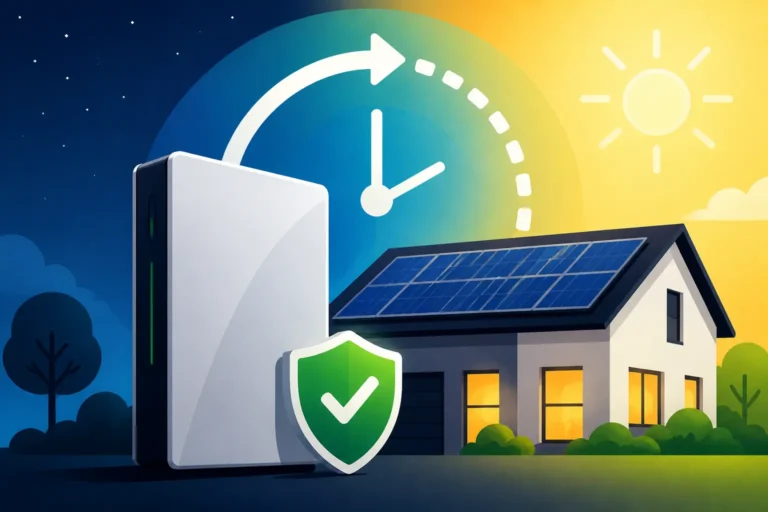
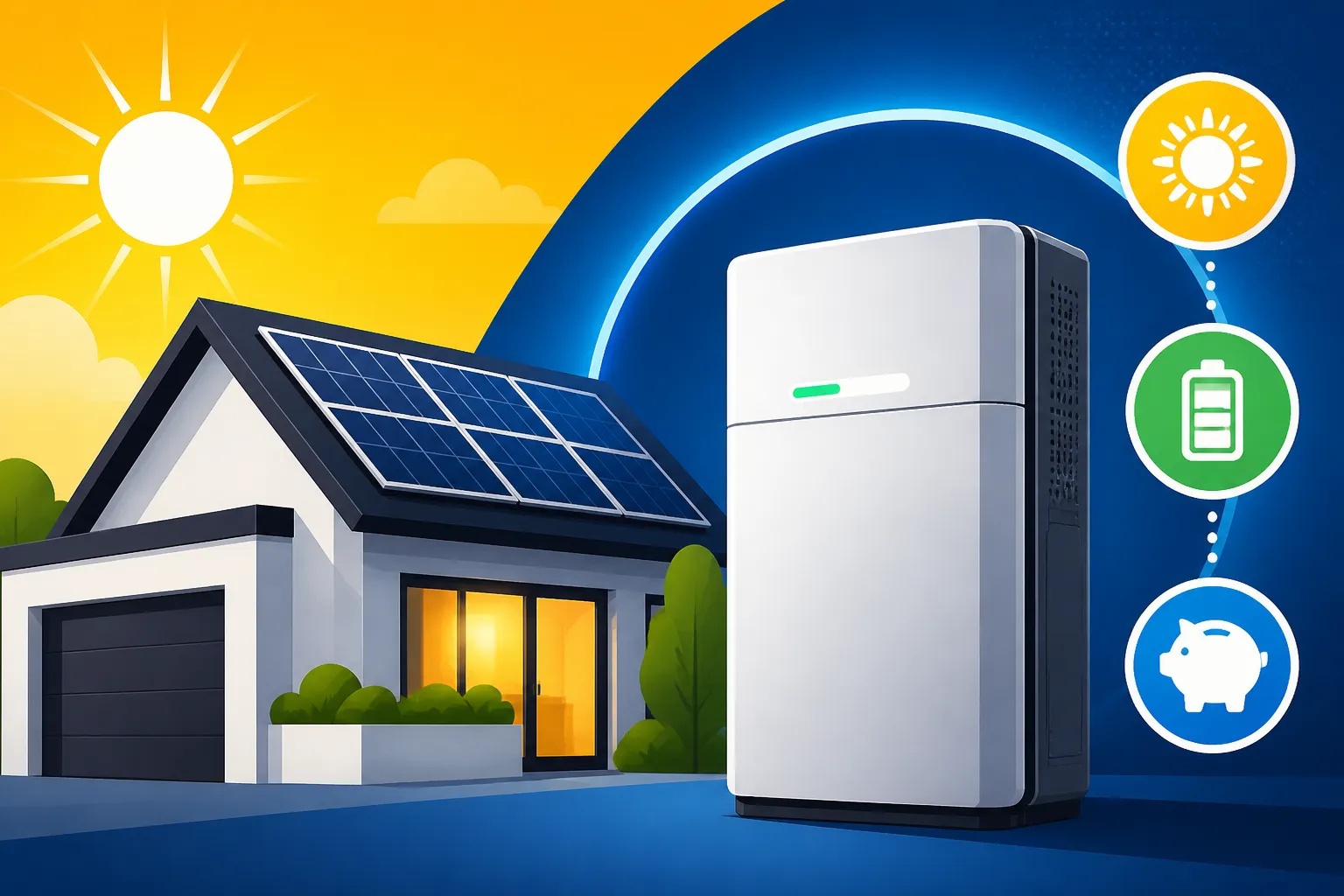
When we talk about home solar, most people immediately think of panels on the roof. But what happens when the sun goes down or the grid goes out? That's where a solar battery comes in, and the Enphase IQ Battery stands out as a leading contender in this space. It's not just a simple backup battery; it's a sophisticated energy storage system designed to integrate seamlessly with your existing or new solar setup, giving you greater control over your home's power. It’s built for resilience, efficiency, and intelligence, allowing you to store surplus solar energy and deploy it when you need it most.
More Than Just a Battery: The Enphase Ecosystem
What truly differentiates the Enphase IQ Battery from some other options on the market is its deep integration into the broader Enphase energy ecosystem. Enphase is renowned for its microinverter technology, which optimizes each individual solar panel's performance. The IQ Battery is designed to work in perfect harmony with these microinverters, creating a unified system where every component "speaks" the same language. This isn't just a marketing slogan; it translates to improved efficiency, more granular monitoring capabilities, and a system that's inherently safer due to its AC-coupled architecture. Unlike traditional string inverter systems where a single point of failure can bring down your entire array, Enphase's distributed architecture means if one microinverter or battery module has an issue, the rest of your system continues to function.
This holistic approach is a huge benefit for homeowners. You're not just buying a battery; you're investing in a complete energy management solution. The Enphase App, for instance, provides a detailed, real-time look at your solar production, home energy consumption, and battery status. This level of transparency empowers you to make informed decisions about your energy usage, especially during peak demand times or when preparing for a power outage. For many, this integrated experience and peace of mind are invaluable.
Key Specifications and Models
Enphase offers a range of IQ Battery models, designed to cater to different household needs and budgets. The key is their modularity, meaning you can start small and expand your storage capacity as your energy needs evolve or as incentives make larger systems more attractive.
Let's look at the popular models:
- IQ Battery 3 and 3T: These represent the smaller, foundational units in the Enphase lineup, typically offering around 3.36 kilowatt-hours (kWh) of usable capacity. They are often a great starting point for homes with moderate energy usage or those looking for basic backup for essential loads. The 'T' models usually indicate a more compact design or slight variations in thermal management.
- IQ Battery 5P: This is the latest generation, offering 5 kWh of usable capacity per unit and boasting a higher power output, making it more robust for larger homes or appliances with higher surge demands. It's designed for faster charging and discharging, which is critical for supporting heavier loads during an outage or for maximizing savings with time-of-use rates.
- IQ Battery 10 and 10T: These larger units combine multiple 3.36 kWh modules to offer roughly 10.08 kWh of usable capacity. They are suitable for larger homes, those with higher energy consumption, or individuals who want more extensive backup power for a wider range of appliances, potentially for days rather than just hours.
The choice of model depends heavily on your household's daily energy consumption, the critical loads you want to back up during an outage, and your specific utility rate structure. For example, if you live in an area with frequent power outages and want to keep your refrigerator, some lights, and a few electronics running, a smaller IQ Battery might suffice. But if you're aiming for whole-home backup, including your HVAC system, you'd likely need multiple IQ Battery 5P or 10T units. Understanding How Many Solar Panels Do I Need can help contextualize your overall energy system sizing, including battery storage.
Deeper Dive into Enphase IQ Battery Features and Benefits
Beyond just storing energy, the Enphase IQ Battery brings several core benefits that make it a compelling choice for homeowners looking to maximize their solar investment and achieve greater energy independence.
Modular Design and Scalability
One of the biggest advantages of the Enphase IQ Battery system is its modularity. Unlike some monolithic battery units that come in fixed sizes, Enphase allows you to scale your storage capacity in increments. This means you can purchase a smaller system now to meet your immediate needs and then easily add more battery modules later if your energy consumption increases, your utility rates change, or if you simply decide you want more backup power. This flexibility is a huge boon for homeowners, as it future-proofs your investment.
Imagine you've just moved into a new home in Phoenix and initially only needed enough storage to cover your evening peak charges. You might start with a single IQ Battery 5P. A few years later, perhaps you decide to add an electric vehicle or you install a new home office, increasing your overall energy demand. With Enphase, you can simply add another IQ Battery 5P to your existing system without having to replace everything. This approach significantly reduces the upfront financial commitment and allows you to grow your energy system alongside your life. This flexibility also makes it easier to plan for potential future changes in utility policies, such as shifts in Net Metering Explained How It Works by State.
Seamless Integration with Enphase Microinverters
We touched on this earlier, but it bears repeating: the seamless integration between the IQ Battery and Enphase microinverters is a game-changer. Both components operate on AC power, eliminating the need for complex and less efficient DC-to-AC conversions often found in traditional string inverter battery setups. This AC-coupling means:
- Higher Efficiency: Less energy is lost during conversion, maximizing the amount of usable power from your solar panels stored in your battery.
- Enhanced Safety: The system operates at lower voltages, reducing fire risk. In the event of a grid outage, the IQ Battery system automatically disconnects from the grid and forms its own microgrid, providing power to your home safely. This islanding capability is crucial for both homeowner safety and grid worker safety.
- Simplified Installation: For installers, working with an all-Enphase system means fewer components from different manufacturers, reducing potential compatibility issues and streamlining the installation process. This can often lead to a smoother Solar Installation Timeline What to Expect.
- Unified Monitoring: Everything, from solar production to battery charge and discharge, is monitored through a single, intuitive app, giving you complete visibility and control over your home's energy flow. This cohesive approach offers a level of insight that separate components often cannot match.
Advanced Safety Features and Reliability
Safety is paramount when it comes to home energy storage, and Enphase has built its IQ Batteries with multiple layers of protection. Their chemistry, Lithium Iron Phosphate (LFP), is inherently more stable and less prone to thermal runaway compared to other lithium-ion chemistries. This means a lower risk of overheating or fire, offering greater peace of mind for homeowners.
Furthermore, Enphase batteries include:
- No High-Voltage DC Cabling: As an AC-coupled system, it avoids the high-voltage DC current runs that can be found between traditional string inverters and batteries, reducing potential hazards.
- Automatic Shut-off: In critical situations, the system is designed to automatically shut down and isolate itself from the grid, ensuring safety for both your home and utility workers.
- Robust Enclosures: The batteries are built to withstand various environmental conditions, including extreme temperatures and humidity, ensuring long-term performance.
Enphase also backs its products with strong warranties, typically offering 10 to 15 years, providing an assurance of long-term reliability. When considering Solar Panel Warranties Explained, it's crucial to also look at the battery warranty, as this combined coverage reflects the manufacturer's confidence in their full system. This comprehensive approach to safety and reliability makes the IQ Battery a trusted choice for many homeowners.
Understanding the Enphase IQ Battery Cost
The cost of adding an Enphase IQ Battery to your home solar system is a significant consideration, and it's rarely a straightforward number. Several factors come into play, from the specific battery model and capacity to installation complexities and available incentives.
Factors Influencing the Total Price
When you're looking at the price tag for an Enphase IQ Battery, remember that it's more than just the battery unit itself. Here’s a breakdown of what influences the overall cost:
- Battery Capacity: This is the most obvious factor. A larger capacity battery, like an IQ Battery 10T, will naturally cost more than a smaller IQ Battery 3T or 5P. The number of modules you choose to install directly impacts the equipment cost.
- Installation Costs: These can vary widely based on your location, the complexity of the installation, and the specific installer you choose. Factors like whether new wiring runs are needed, the location of the battery (e.g., garage vs. outdoor wall), and required electrical panel upgrades can all add to labor costs. Expect to pay for permitting, electrical work, and the physical mounting and wiring of the unit.
- Ancillary Equipment: While the Enphase system is highly integrated, there might be additional small components or hardware needed for a complete installation, such as electrical conduits, breakers, or specialized mounting hardware.
- Geographic Location: Costs can differ based on regional labor rates, local permitting fees, and even state-specific regulations or requirements that might necessitate additional equipment or steps. For instance, installation costs in California might differ from those in Texas due to varying market conditions and regulatory frameworks.
- Existing Solar System: If you’re adding an IQ Battery to an existing Enphase microinverter system, the integration is often smoother and potentially less expensive than integrating it with a non-Enphase system, which might require additional components or a more complex setup.
For comparison, it's always wise to get multiple quotes and understand how the Enphase IQ Battery stacks up against competitors. For example, you might want to compare the Tesla Powerwall vs Enphase IQ Battery or explore other options listed in our guide to the Best Solar Batteries of 2026.
Breaking Down the Installation and Equipment Costs
To give you a clearer picture, let's look at some general figures. Keep in mind these are averages and can fluctuate significantly.
Typical Enphase IQ Battery Cost Breakdown (Estimated)
| Component | Estimated Cost Range (Per kWh) | Notes |
|---|---|---|
| Battery Unit (Hardware) | $1,000 – $1,500 per kWh | This is the cost of the physical battery modules. An IQ Battery 5P (5 kWh) might range from $5,000 – $7,500. |
| Inverter/Gateway (Included) | Included with IQ Battery | The necessary electronics for grid communication and power management are integrated into the battery unit or system controller. |
| Installation Labor | $1,500 – $3,000 (total project) | This covers electrician fees, mounting, wiring, programming, and system testing. Varies by complexity. |
| Permitting & Inspections | $300 – $1,000 | Local jurisdiction fees and required inspections. |
| Contingency/Miscellaneous | 5-10% of total | Unexpected costs, small parts, or minor electrical upgrades. |
| Total Installed Cost | $2,000 – $3,000 per kWh | This range typically includes all hardware, labor, and permitting for a complete, installed system. |
So, for a homeowner looking to install a 10 kWh Enphase IQ Battery system (e.g., two IQ Battery 5P units or one IQ Battery 10), the total installed cost could realistically fall anywhere from $20,000 to $30,000 before any incentives are applied. This gives you a good baseline to evaluate quotes you receive from installers. You can also explore our broader guide on Solar Battery Cost: Full Breakdown for more generalized information.
Considering the Long-Term Value and Incentives
While the upfront cost might seem substantial, it's crucial to look at the long-term value and the various incentives available that can significantly reduce your net outlay.
- Federal Solar Tax Credit: As of 2026, the federal Investment Tax Credit (ITC) for solar remains at 30% for eligible homeowners. Importantly, standalone battery storage installed after 2022 also qualifies, meaning your Enphase IQ Battery purchase could be eligible for a substantial tax credit. This is a dollar-for-dollar reduction in your income tax liability, not just a deduction. It's a huge incentive to make solar and battery storage more accessible. For more details, check out our guide on Federal Solar Incentives That Still Exist in 2026.
- State and Local Incentives: Many states and even some local municipalities offer additional incentives, such as rebates, property tax exemptions, or performance-based incentives for solar and battery storage. For example, some states might have specific programs for Solar Battery Incentives in 2026. These can drastically lower your net cost.
- Utility Programs: Your local utility company might have programs for grid services, where you allow them to draw power from your battery during peak demand in exchange for compensation. This is less common for residential, but some innovative programs exist.
- Energy Bill Savings: By storing excess solar energy and using it when electricity rates are higher (time-of-use optimization), or by reducing your reliance on the grid during peak hours, you can significantly lower your monthly utility bills.
- Backup Power: The value of reliable backup power during an outage is hard to quantify, but for many, it offers invaluable peace of mind, especially in areas prone to severe weather or an aging grid. Avoiding spoiled food, staying connected, and maintaining comfort levels during an outage can easily justify a portion of the investment.
When you factor in these savings and incentives, the Is a Solar Battery Worth It question often leans heavily towards "yes" for many households. The Enphase IQ Battery, with its robust features and eligibility for incentives, presents a strong long-term investment in energy independence and financial savings.
Real-World Performance and User Experiences
Moving beyond specifications and costs, what's it actually like to live with an Enphase IQ Battery? Homeowners who've installed these systems often highlight distinct benefits and occasional considerations.
Daily Use and Backup Power Scenarios
In daily operation, the Enphase IQ Battery is designed to be largely hands-off. Once configured by your installer, it intelligently manages your home's energy flow. During the day, as your solar panels produce more electricity than your home consumes, the excess is directed to charge the IQ Battery. Once full, if you have net metering, any additional surplus goes back to the grid.
When the sun sets, or your home's energy demand spikes, the IQ Battery kicks in. Instead of drawing expensive electricity from the grid, your home first uses the stored energy. This is particularly beneficial for homes on time-of-use (TOU) billing plans, where electricity rates are significantly higher during evening peak hours. The battery discharges during these periods, allowing you to avoid those costly grid purchases, often referred to as "peak shaving."
As for backup power, this is where the IQ Battery truly shines for many. When the grid goes down, the Enphase System Controller automatically detects the outage and seamlessly transitions your home to battery power, creating a microgrid. Homeowners often report that this transition is so smooth, they barely notice it. The speed of this transfer, typically within milliseconds, means your lights won't flicker, and sensitive electronics won't reset. What happens after installation? You'll receive What Is Permission to Operate (PTO)? from your utility, after which your system becomes fully active and starts performing these functions. The duration of backup power depends on your battery's capacity and your home's energy consumption during the outage. For essential circuits, an IQ Battery 10T might last a day or more, providing crucial peace of mind during extended blackouts.
How It Handles Different Grid Conditions
The Enphase IQ Battery is built to be a robust solution regardless of the grid's stability. In areas with an unreliable grid, frequent brownouts, or short power flickers, the IQ Battery system provides a stable, consistent power supply to your home. It essentially acts as a buffer, smoothing out grid inconsistencies that might otherwise disrupt your daily life or damage sensitive electronics.
In states like California, where policies like What Is NEM 3.0 California Net Billing have dramatically changed the financial landscape for solar, batteries like the Enphase IQ Battery become even more critical. Under NEM 3.0, the value of sending excess solar energy back to the grid during the day is significantly reduced. This makes self-consumption, meaning using your own generated power, the most financially beneficial strategy. The IQ Battery excels here by allowing homeowners to store their cheap daytime solar power and use it during expensive evening hours, thus maximizing their savings and improving their overall Solar Return on Investment in California.
The system's intelligence, managed by the Enphase Envoy gateway, continuously monitors grid conditions and your home's energy needs, making real-time decisions about when to charge from solar, discharge to the home, or even export to the grid if economically favorable and allowed by your utility. This dynamic management ensures optimal performance under a variety of grid and economic conditions.
Common Praises and Criticisms from Homeowners
Like any technology, the Enphase IQ Battery receives a mix of praise and criticism from real-world users:
Praises:
- Seamless Integration and Reliability: Many homeowners love how well the battery works with their Enphase solar system. The "it just works" factor, especially during power outages, is frequently highlighted.
- Modular Design: The ability to add more storage later is a big plus, as it allows for future expansion without having to overhaul the entire system.
- Safety: The LFP chemistry and AC-coupled architecture instill confidence in users regarding safety.
- Excellent Monitoring App: The Enphase Enlighten app is often lauded for its intuitive interface and detailed data, giving users complete control and visibility.
- Quiet Operation: Unlike some generators, the battery operates silently, which is a major benefit during an outage.
Criticisms:
- Higher Upfront Cost: Compared to some competing battery systems, the Enphase IQ Battery can sometimes have a higher initial price point, especially if you're not already in the Enphase ecosystem with microinverters. However, the system's benefits often justify this cost for those seeking reliability and a fully integrated solution.
- System Sizing Complexity: While modularity is a strength, deciding on the initial correct system size can sometimes be daunting for new users, requiring careful consultation with an experienced installer.
- Not a Whole-Home Solution for Everyone (Initially): While technically capable, achieving true whole-home backup for a large, energy-intensive household often requires multiple IQ Battery units, which further increases the investment. Some users might expect a single battery to power everything, which isn't always realistic.
- Installer Dependence: Like most solar systems, the quality of installation and configuration by a certified Enphase installer is critical to performance. If the installation isn't done correctly, it can lead to frustration.
Overall, the Enphase IQ Battery is generally very well-regarded by homeowners who value a robust, safe, and integrated energy storage solution. Its strengths in modularity, seamless integration with solar, and advanced safety features often outweigh its higher initial investment for those seeking reliable energy independence.
Disclaimer
Please note that the information provided in this article is intended for general informational purposes only and does not constitute professional financial, tax, or energy advice. Solar system costs, incentives, and regulations can vary significantly based on your specific location, energy consumption, and prevailing market conditions. Always consult with certified solar professionals and financial advisors to determine the best energy solution and financial strategy for your individual needs.