Is the Tesla Powerwall 3 Worth It?
The constant worry about utility bills climbing higher and higher, or the unsettling feeling when the power goes out yet again during a storm, can be incredibly frustrating for homeowners. You're looking for stability, control, and perhaps a way to really make your solar investment pay off. This guide dives deep into the Tesla Powerwall 3 to help you understand if this cutting-edge home battery system is the right answer for your energy independence goals and budget.
Understanding the Tesla Powerwall 3 and Its Role in Home Energy
When you think about home energy storage, one name often comes to mind: Tesla. Their Powerwall series has become synonymous with residential battery backup, and the Powerwall 3 represents the latest evolution in their offering. It's more than just a battery; it's designed to be a comprehensive energy management solution for your home, especially when integrated with a solar panel system. For many, the idea of having power when the grid goes down, or simply optimizing their energy use daily, is a powerful draw, and the Powerwall 3 aims to deliver on that promise.
What the Powerwall 3 Offers: Key Features and Specifications
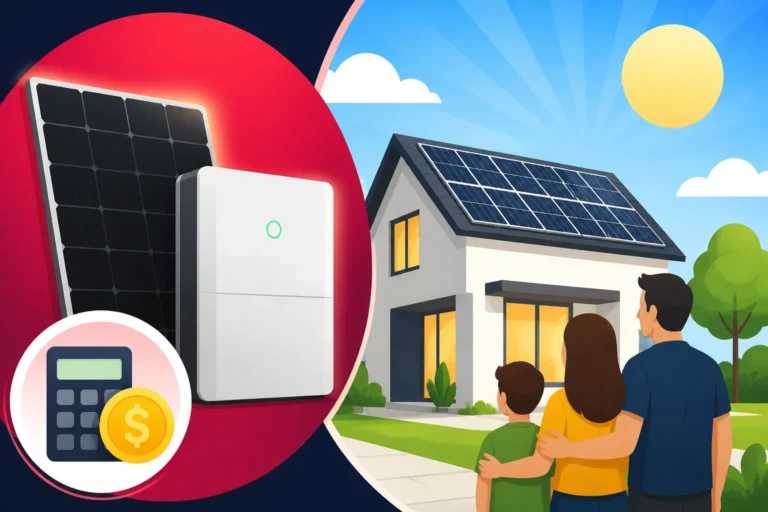
The Tesla Powerwall 3 steps up the game with several notable enhancements over its predecessors, particularly its all-in-one design. Unlike previous versions where the inverter was often a separate component, the Powerwall 3 boasts an integrated hybrid inverter. This means it can convert the DC power from your solar panels into AC power for your home, and manage battery charging, all within a single unit. This streamlined approach simplifies installation and can make for a more compact setup.
In terms of raw power, the Powerwall 3 comes with an impressive 11.5 kW of continuous power output, which is quite robust for residential use. This high output means it can handle demanding appliances and even run an entire average-sized home during an outage, rather than just essential circuits. Its usable energy capacity is 13.5 kWh, providing a solid amount of backup power for hours, or even days, depending on your consumption. The unit itself is designed for both indoor and outdoor installation, with a sleek, minimalist aesthetic that many homeowners appreciate, fitting seamlessly into various home styles.
Why Homeowners Consider Battery Storage: Common Pain Points
The decision to invest in a home battery system like the Powerwall 3 often stems from very real and understandable frustrations that homeowners face. First and foremost, there's the increasing unreliability of the traditional power grid. From severe weather events to aging infrastructure, power outages seem to be a growing concern in many regions, leaving families in the dark and without essential services. A battery like the Powerwall 3 provides crucial backup power, offering peace of mind when the grid falters.
Beyond outages, many homeowners are grappling with rising electricity costs and complex utility rate structures. Some utility companies implement "time-of-use" (TOU) rates, where electricity is more expensive during peak demand hours (typically evenings). With a battery, you can store cheaper solar energy generated during the day and discharge it during these expensive peak times, effectively lowering your utility bill. This strategy, known as peak shaving, can lead to significant long-term savings. Furthermore, for those with solar panels, a battery allows you to maximize your self-consumption, reducing your reliance on the grid even when your panels aren't actively producing, which is especially important if your state's net metering policies aren't as generous as they once were, as discussed in What Is NEM 3.0 (California Net Billing)?.
Analyzing the Benefits and Drawbacks of the Powerwall 3
Choosing a home battery system is a significant decision, and it's essential to look at both the glowing advantages and the practical limitations of a product like the Tesla Powerwall 3. It's not a one-size-fits-all solution, and what makes it perfect for one household might make it less ideal for another. Understanding these aspects fully will help you gauge its true worth for your specific circumstances.
The Upsides: Where Powerwall 3 Shines
The Powerwall 3 truly shines in its integrated design and raw power output. The built-in hybrid inverter means you get a simpler, more compact installation. Instead of multiple boxes on your wall, you have one unit handling solar conversion and battery storage. This can be a huge aesthetic win, especially if you’re tight on space or prefer a cleaner look. The high continuous power output of 11.5 kW means it can effectively power most, if not all, of your home's circuits during a blackout, including larger appliances like air conditioners or electric vehicle chargers, which other batteries might struggle to support simultaneously.
Another major benefit is the seamless integration with Tesla's ecosystem. If you're already a Tesla Solar customer or planning to become one, the Powerwall 3 is designed to work flawlessly, offering sophisticated energy management through the Tesla app. This integrated software allows for intelligent energy cycling, weather-aware backup, and easy monitoring of your home's energy production and consumption. The strong brand recognition also means you’re investing in a product from a company known for innovation and widespread service, though always research local installer reputations. This can provide reassurance, much like buying a trusted brand on a platform like Amazon for other home goods.
The Downsides: What to Consider Before Buying
Despite its impressive features, the Powerwall 3 does come with some considerations that might give homeowners pause. The initial cost is often a significant hurdle for many. While solar incentives like the Federal Solar Incentives That Still Exist in 2026 can help offset some of the expense, a high-capacity battery system is a substantial investment, often adding thousands to a solar installation. Understanding the total Solar Plus Battery Cost is crucial for budgeting.
Another key point is its optimal integration with Tesla Solar. While it can work with non-Tesla solar systems, it often requires additional hardware and potentially more complex installation, which can negate some of the "all-in-one" simplicity and add to the overall cost. This makes it less flexible for homeowners who already have an existing solar setup from another manufacturer and are simply looking to add battery storage. Furthermore, while Tesla's network is extensive, finding certified installers or getting quick service can sometimes be a challenge in less populated areas, leading to potential delays or limited options during the installation process. Finally, the Powerwall 3, like any major appliance, must be professionally installed. While you might find smaller solar components or tools available on a marketplace like Amazon, a complete battery system requires specialized expertise.
Cost, ROI, and Comparing Alternatives
The sticker price of a home battery can be daunting, but it’s crucial to look beyond that initial number to truly understand its value. The return on investment (ROI) for a Tesla Powerwall 3 isn't just about monetary savings; it also includes the intangible benefits of energy independence and peace of mind. However, a detailed financial analysis is essential to determine if it aligns with your long-term financial goals, especially when considering other excellent options on the market.
Breaking Down the Investment: Purchase and Installation Costs
The cost of a Tesla Powerwall 3 system typically includes the battery unit itself, the integrated inverter, and the necessary installation hardware. While prices can vary based on location, installer, and specific project requirements, you can expect the Powerwall 3 unit itself to be in the range of $9,000 to $12,000 before installation. The installation process, which involves electrical work, mounting, and system integration, can add another $3,000 to $6,000 or more, bringing the total installed cost into the range of $12,000 to $18,000 for a single unit. Of course, many homes might opt for multiple Powerwall units for extended backup or higher power demands.
It's vital to remember that these costs don't tell the whole story. Various incentives can significantly reduce your out-of-pocket expenses. While the federal solar tax credit has been a huge boost, understanding Solar Tax Credit 2026: What Happened to the Federal Credit is important for future planning. Luckily, Are Solar Batteries Still Eligible for Incentives in 2026? is a resounding yes, as they typically qualify for the federal Investment Tax Credit (ITC) if charged primarily by solar. Many states and even local utilities offer their own incentives, rebates, or performance-based incentives for battery storage. Investigating Utility Solar Rebates: How to Find Yours in your area can reveal additional savings opportunities, making the overall investment much more manageable.
When Does the Powerwall 3 Pay for Itself? Payback Period Factors
Determining the exact payback period for a Powerwall 3 is complex because it depends on several dynamic factors specific to your home and location. One of the most significant variables is your local electricity rates and how they are structured. If you live in an area with high electricity prices, particularly those with steep time-of-use (TOU) rates, the financial savings from peak shaving can be substantial, shortening the payback period. The more you can shift your energy consumption from expensive grid power to stored solar power, the faster your battery will pay for itself.
The frequency and duration of power outages in your area also play a critical, albeit harder-to-monetize, role. While difficult to quantify in dollars, the value of continuous power during an outage – keeping your lights on, refrigerator running, and devices charged – can be invaluable for many families. This resilience and comfort factor contributes heavily to the "worth" of the system, even if it doesn't directly show up on a spreadsheet as an ROI. State and local incentives, as mentioned earlier, can drastically improve the financial viability. For instance, some states offer direct rebates per kilowatt-hour of battery capacity, or even performance payments, which can substantially reduce the effective cost and accelerate the payback. Understanding the Solar Panel Payback Period Explained helps put the battery investment into context with your overall solar system.
How Powerwall 3 Stacks Up Against Competitors
The market for home batteries has grown significantly, offering homeowners a variety of choices beyond Tesla. While the Powerwall 3 is a strong contender, it's not the only game in town. Key competitors include the Enphase IQ Battery, FranklinWH aPower, and Generac PWRcell. Each of these systems has its own strengths and weaknesses, and the "best" one truly depends on your specific needs, existing solar setup, and budget.
For example, the Enphase IQ Battery vs FranklinWH Solar Battery often comes down to integration preferences. Enphase is known for its modular design and microinverter compatibility, making it a favorite for those with Enphase solar systems. FranklinWH offers a unique whole-home energy management solution with a strong focus on smart energy use and robust backup. Generac, a long-standing name in backup power, provides a battery system that integrates well with its generator solutions, offering a hybrid approach to home resilience. When considering these alternatives, it's worth reviewing comprehensive guides like Best Solar Batteries of 2026 to see how they stack up in terms of capacity, power output, warranty, and overall ecosystem. You might even find review comparisons of smaller, related components or accessories for these systems on retail sites like Amazon, which can give you a feel for user experiences.
Here's a quick comparison of key features for some leading home battery systems:
| Feature | Tesla Powerwall 3 | Enphase IQ Battery 5P | FranklinWH aPower | Generac PWRcell |
|---|---|---|---|---|
| Usable Capacity (kWh) | 13.5 | 5.0 (modular) | 13.6 | 9.0 – 36.0 (modular) |
| Continuous Power (kW) | 11.5 | 3.84 (per 5P unit) | 5.0 (AC coupled) | 4.5 – 11.0 (inverter) |
| Integrated Inverter | Yes (Hybrid) | No (AC coupled, needs IQ microinverters) | Yes (Hybrid, with aGate) | No (DC coupled, needs PWRcell inverter) |
| System Expandability | Up to 4 Powerwalls | Highly modular | Up to 15 units | Highly modular |
| Optimal Integration With | Tesla Solar | Enphase Microinverters | Any solar inverter | Generac PV Link |
| Round Trip Efficiency | ~90% | ~90% | ~90% | ~89% |
| Warranty (Years) | 10 (capacity guarantee) | 10 (capacity guarantee) | 12 (capacity guarantee) | 10 (capacity guarantee) |
Note: Specifications can change and may vary slightly based on specific models and configurations.
Real-World Scenarios: Is Powerwall 3 the Right Fit for You?
Deciding if the Tesla Powerwall 3 is a worthwhile investment boils down to your personal circumstances, energy needs, and financial priorities. There's no universal "yes" or "no" answer. Instead, it’s about aligning the Powerwall 3's capabilities with your specific household dynamics and future energy goals. Let's explore who stands to gain the most from this advanced battery system and when other solutions might be a more practical choice.
Ideal Homeowners for Powerwall 3
The Tesla Powerwall 3 truly shines for homeowners who are already considering a complete Tesla Solar energy system. The seamless integration, unified warranty, and streamlined monitoring through the Tesla app create an unparalleled user experience. If you’re building a new home or completely overhauling your existing energy setup, going all-in with Tesla can offer a cohesive and powerful solution. This integrated approach ensures maximum efficiency and simplifies troubleshooting, as all components are designed to work together perfectly.
Furthermore, if you live in an area prone to frequent or prolonged power outages, the Powerwall 3’s high continuous power output is a major advantage. It can keep your entire home, including power-hungry appliances, running smoothly when the grid goes down, offering a significant sense of security. Homeowners in regions with expensive peak electricity rates, especially those with aggressive time-of-use pricing structures, can also see substantial savings by using the Powerwall 3 for peak shaving. By storing solar energy during off-peak hours and discharging it when rates are highest, you effectively minimize your reliance on the grid during its most expensive periods. Finally, for those who prioritize energy independence and want to significantly reduce their carbon footprint, the Powerwall 3 represents a tangible step towards a more sustainable lifestyle, giving you greater control over your energy destiny. Many are asking Do I Need a Battery With Solar?, and for these homeowners, the answer is often a resounding yes.
When Other Options Might Be Better
While the Powerwall 3 is impressive, it’s not the ideal solution for everyone. If you already have an existing solar panel system from a different manufacturer, especially one that uses string inverters not compatible with Tesla's ecosystem, adding a Powerwall 3 can be more complex and costly. Integrating it might require additional hardware or even necessitate replacing your current inverter, diminishing the "all-in-one" benefit and increasing the overall expense of How Much Does It Cost to Add a Battery to Existing Solar?. In such cases, a more universally compatible, AC-coupled battery system like the Enphase IQ Battery or FranklinWH aPower might be a more straightforward and cost-effective option.
For homeowners on a tighter budget, the premium price point of the Powerwall 3 can be a significant deterrent. While incentives help, the upfront investment is still substantial. If your primary goal is simply basic backup for essential loads during short outages, or if your local electricity rates don't offer significant savings potential through peak shaving, a smaller, less powerful, or more budget-friendly battery system could provide sufficient value without the higher cost. Similarly, if your home's energy consumption is relatively low, or if your grid is generally reliable, the extensive capacity and power of the Powerwall 3 might be overkill. It's crucial to honestly assess your energy needs and compare them against the capabilities and cost of various battery solutions. Asking yourself Is It Worth Adding a Battery to My Solar System? involves considering all these factors, not just the brand name.
Disclaimer
This article is intended for informational purposes only and does not constitute financial, tax, or professional energy advice. The cost estimates, savings projections, and incentive information provided are subject to change and can vary significantly based on your specific location, energy usage, system size, and available programs. Always consult with a qualified solar installer, financial advisor, and tax professional before making any decisions about your home solar and battery storage system.