What Are the Best Solar Panels for Home Use?
Choosing solar panels for your home can feel like navigating a maze, especially with so many brands and technologies out there. It’s not just about picking the “most powerful” panel; it’s about finding the right balance of efficiency, durability, and cost that perfectly fits your unique home and energy needs. This guide will help you cut through the confusion and understand what truly makes a solar panel system excellent for residential use, ensuring you make an informed decision you’ll be happy with for decades.
Understanding Your Home's Unique Solar Needs
Before you even start looking at specific panel brands, it's crucial to understand what your home needs and what your property can offer. This foundational step is often overlooked, but it's the key to designing a system that performs optimally and delivers the savings you're hoping for. Jumping straight to panel shopping without this groundwork is like buying a car without knowing where you plan to drive it.
Assessing Your Energy Consumption
The first and most vital step is to get a clear picture of your household's electricity usage. Pull out your last 12 months of utility bills, if possible. This will give you an average daily or monthly kilowatt-hour (kWh) consumption, but more importantly, it will reveal seasonal fluctuations. Do you blast the AC in the summer, or is your winter heating electric-heavy? Understanding these peaks and valleys allows your solar installer to size your system correctly. If you consistently use 1,000 kWh per month, you’ll need a larger system than someone using 500 kWh, plain and simple.
Many homeowners find this part a bit overwhelming, staring at complicated utility statements. Don’t fret. Most solar companies will help you analyze your bills during their initial consultation. They’ll look at your historical usage to project how much solar power you’ll need to offset a significant portion – or even all – of your electricity bill. This is directly tied to the question of how many solar panels you need for your home?, as an undersized system won't meet your goals, and an oversized one might be an unnecessary expense, especially in states with less favorable net metering policies.
Evaluating Your Roof's Solar Potential
Once you know how much power you need, the next step is to see if your roof can actually accommodate the necessary panels. This involves more than just glancing up and seeing open space. A professional solar site survey will assess several critical factors, including roof size, pitch, orientation, and shading. A south-facing roof is generally considered ideal in the Northern Hemisphere because it receives the most direct sunlight throughout the day. East and west-facing roofs are also viable, though they might require more panels to achieve the same output. North-facing roofs are typically less suitable due to lower sun exposure.
Beyond orientation, shading from nearby trees, chimneys, or neighboring buildings can significantly impact performance. Even a small amount of shade on one panel can reduce the output of an entire string of panels if you're using a string inverter. This is why many installers now favor microinverters or power optimizers, which help mitigate the impact of partial shading. You also need to consider your roof's age and condition. Replacing an aging roof before solar installation is often a wise move, as panels are designed to last 25-30 years, and you wouldn't want to remove them prematurely for roof repairs. For more detailed information, check out our guide on Roof Considerations for Solar Panels.
Key Factors in Choosing the Best Solar Panels
With your home's needs clearly defined, you can now dive into the technical specifications and features that differentiate one solar panel from another. It's not just about brand names; it's about understanding the metrics that truly matter for long-term performance and reliability.
Efficiency and Power Output
When people talk about "good" solar panels, efficiency is often the first thing that comes to mind, and for good reason. Solar panel efficiency refers to how effectively a panel converts sunlight into usable electricity. Panels typically range from 17% to over 23% efficiency. A higher efficiency rating means that a panel can produce more power from the same amount of sunlight, or produce the same amount of power using less physical space. This is particularly crucial for homes with limited roof area. If your roof is on the smaller side, investing in higher-efficiency panels can allow you to maximize your energy production without needing to find extra space.
Alongside efficiency, power output (measured in watts, W) is another key metric. Most residential solar panels today have a wattage output ranging from 300W to 450W, with some premium options even higher. For instance, panels in our Solar Panel Wattage Guide (400W, 450W & More) are popular choices. A 400W panel simply produces more electricity than a 350W panel under identical conditions. While a higher wattage panel might cost a bit more upfront, it can lead to a more compact system that meets your energy goals, potentially saving you money on installation complexity or allowing for future expansion. Understanding Solar Panel Efficiency & Degradation Explained will give you a deeper insight into how these numbers play out over the lifespan of your system.
Durability and Temperature Resistance
Solar panels are built to withstand the elements, but not all panels are created equal when it comes to long-term durability. Look for panels that are certified to resist various environmental stressors, such as heavy snow loads, high winds, and hail. The frame material, glass type, and encapsulant all play a role in a panel's physical resilience. Panels designed for harsh weather conditions, like those often found in the Midwest or Northeast, will have higher ratings for these types of stresses.
Temperature resistance is also a critical, yet often overlooked, factor. Solar panels actually perform less efficiently as they get hotter. The temperature coefficient indicates how much a panel's power output decreases for every degree Celsius above 25°C (77°F). A lower (closer to zero) temperature coefficient is better, especially for homes in hot climates like Arizona or Florida. For example, a panel with a temperature coefficient of -0.3% per °C will lose less power on a scorching summer day than one with -0.5% per °C. This nuanced detail can have a significant impact on your system's real-world output and overall savings over its lifetime.
Warranty and Manufacturer Reputation
A solar system is a long-term investment, so the warranties backing your panels are incredibly important. There are typically two main types of warranties:
- Product Warranty: This covers defects in manufacturing, materials, and workmanship. It ensures that the panel itself will function as intended. These usually range from 12 to 25 years, with some premium brands offering even longer terms. A longer product warranty speaks volumes about a manufacturer's confidence in their product quality.
- Performance Warranty: This guarantees that the panels will produce a certain percentage of their rated power output over time. For instance, a common performance warranty might guarantee 90% of original output after 10 years and 80% after 25 years. This addresses the natural degradation that occurs as panels age.
Before making a decision, research the manufacturer's financial stability and reputation. A long warranty is only as good as the company backing it. You wouldn't want a 25-year warranty from a company that might not be around in 10 years. Companies like Maxeon (SunPower) Solar Panel Review and REC are known for their robust warranties and long track records, giving homeowners greater peace of mind. For a comprehensive look at what to expect, read our guide on Solar Panel Warranties Explained.
Top Solar Panel Brands for Homeowners
When it comes to the "best" solar panels, there's no single answer that fits everyone. What's best for a small roof with high energy needs might be different from a sprawling property where cost-effectiveness is the main driver. Here, we'll break down some leading brands that consistently perform well across different homeowner priorities, keeping in mind that the market is always evolving.
Premium Performance Options
For homeowners who prioritize maximum efficiency, superior durability, and the absolute best performance, several brands stand out. These panels often come with higher price tags but deliver exceptional output and peace of mind through industry-leading warranties.
Brands like Maxeon (formerly SunPower) are consistently rated among the top for efficiency and reliability. Their panels often feature unique cell designs that minimize degradation and maximize energy capture, even in challenging conditions. Homeowners opting for Maxeon are typically looking for the most power production from the smallest footprint, making them ideal for smaller roofs or areas where every watt counts. Another strong contender is REC Solar, particularly their Alpha series. REC panels, often discussed in articles like REC vs Qcells Solar Panels, are known for their high efficiency, excellent temperature coefficients, and solid aesthetics, making them a favorite among those who want both performance and curb appeal. These premium panels are often chosen by homeowners who plan to stay in their homes for decades and want to ensure the highest possible long-term savings and performance. You might not find these high-end components readily available for individual purchase on a site like Amazon, as they are typically sold and installed through certified dealers.
Value-Oriented and Reliable Choices
Not everyone needs the absolute bleeding edge of solar technology, especially if they have ample roof space and a tighter budget. Many reputable brands offer an excellent balance of cost, efficiency, and reliability, making solar accessible to a broader range of homeowners.
Qcells (Hanwha Qcells) is a prime example, consistently ranked among the top global manufacturers. Their panels offer competitive efficiency ratings, robust construction, and strong warranties, making them a go-to for many installers and homeowners seeking a great return on investment without breaking the bank. Another widely trusted brand is Jinko Solar, known for its massive production scale and consistent quality. Jinko panels are often praised for their affordability and solid performance, making them a popular choice for larger installations where overall system cost is a major consideration. These brands provide dependable performance and are often a staple in the offerings of many local solar installers. While you won't be building a whole system from scratch using components found on Amazon, smaller, complementary solar products like portable chargers or outdoor lighting are readily available there.
Emerging Technologies and Niche Brands
The solar industry is constantly innovating, and new technologies are always emerging. For the adventurous homeowner or those with specific needs, niche brands and cutting-edge technologies might offer unique advantages. For instance, bifacial solar panels can capture sunlight from both their front and back sides, potentially increasing energy production, especially in ground-mount installations where light can reflect off the ground.
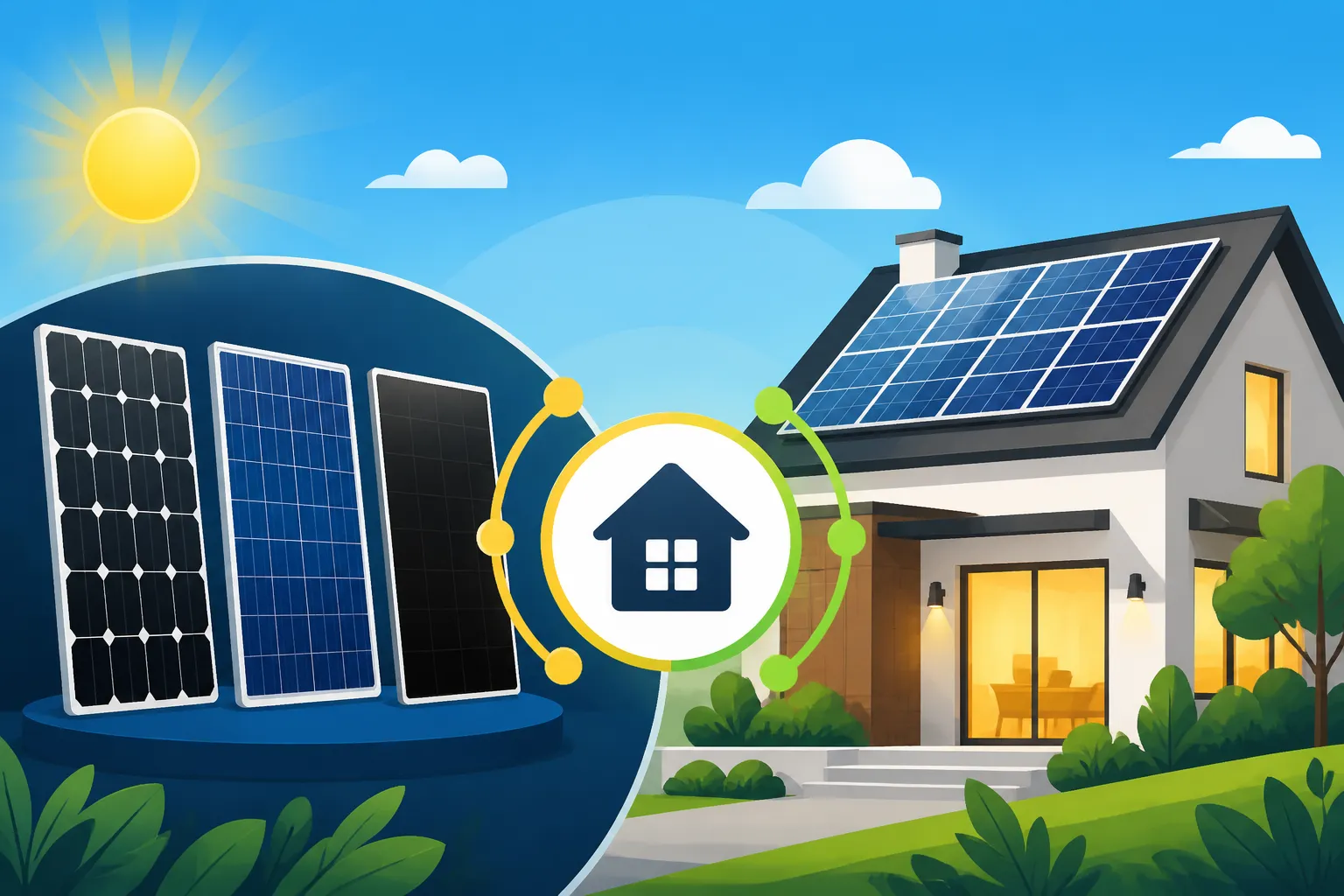
Some brands focus on aesthetic integration, offering "all-black" panels or even solar shingles that blend seamlessly with your roof. While these might not always boast the absolute highest efficiency, their visual appeal can be a significant draw for certain homeowners. When considering these newer or specialized options, it becomes even more critical to scrutinize the company's track record, warranty terms, and certifications to ensure you're making a sound investment. Looking at reviews on general platforms or even finding specific solar technology forums, much like you might search for product information on Amazon, can offer insights, but always prioritize professional installer recommendations.
Here's a quick comparison of some popular solar panel brands:
| Brand | Typical Efficiency Range | Product Warranty | Performance Warranty (Year 25) | Key Feature/Target User |
|---|---|---|---|---|
| Maxeon | 21-23%+ | 25-40 Years | 92-93% | Highest efficiency, premium durability, small roofs |
| REC Solar | 20-22%+ | 20-25 Years | 86% | High performance, aesthetics, excellent reliability |
| Qcells | 19-21% | 12-25 Years | 83-85% | Great value, robust, widely available |
| Jinko Solar | 19-21% | 12 Years | 83-85% | Cost-effective, large scale, dependable |
| Silfab Solar | 20-21.5% | 25 Years | 85% | Made in North America, strong quality control |
Note: Efficiency and warranty details can vary by specific model and year. Always confirm with your installer.
Beyond the Panels: A Holistic View
While selecting the right solar panels is crucial, they are just one component of a complete solar energy system. To truly get the "best" for your home, you need to consider how these panels integrate with other essential equipment and the quality of the installation itself.
Inverters and Batteries: The Crucial Companions
Think of solar panels as the engine of your solar system; the inverter is the transmission. Panels produce direct current (DC) electricity, but your home and the utility grid use alternating current (AC). The inverter's job is to convert that DC power to AC. There are three main types:
- String Inverters: The most traditional and often the most cost-effective. Panels are wired together in "strings," and if one panel underperforms (due to shade or dirt), it can affect the entire string's output.
- Microinverters: Installed under each individual panel, converting DC to AC at the panel level. This means if one panel is shaded, the others continue to perform optimally. This also allows for individual panel monitoring. Brands like Enphase are leaders in microinverter technology.
- Power Optimizers: A hybrid solution, often paired with a central string inverter. Optimizers are placed on each panel to condition the DC power and send optimized power to a string inverter. SolarEdge is a prominent brand in this space.
The choice of inverter technology can significantly impact your system's performance, especially on roofs with varying shade patterns. Our article Solar Inverters: String vs Microinverter vs Optimizer delves into these differences in detail.
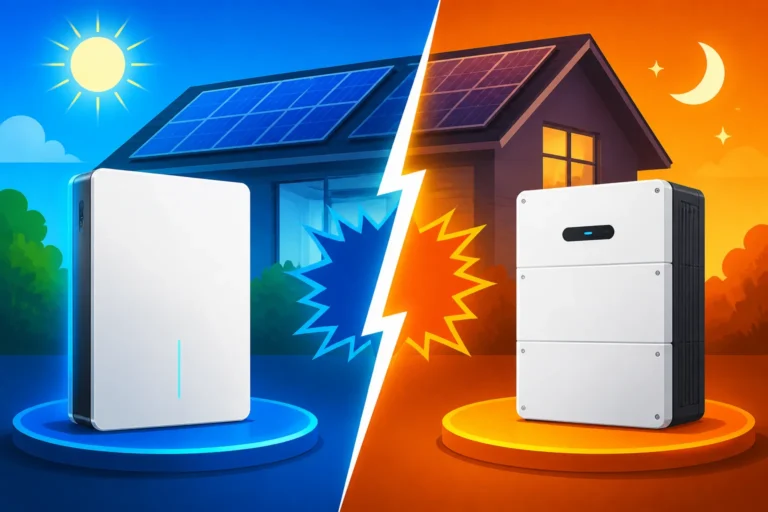
Beyond inverters, solar batteries are becoming increasingly popular, especially as homeowners seek greater energy independence and protection against power outages. A battery storage system allows you to store excess solar energy generated during the day for use at night or during a grid outage. This can be particularly valuable in areas with less favorable net metering policies, as it allows you to self-consume more of your own generated power. Popular battery options include the Tesla Powerwall and Enphase IQ Battery, both of which are covered in our guide to the Best Solar Batteries of 2026. The decision to add a battery greatly influences the overall functionality and resilience of your system.
The Importance of a Reputable Installer
Even the highest-quality solar panels won't perform to their potential if they're not installed correctly. The installer is responsible for everything from designing the system, handling permits, coordinating with your utility, and ensuring the physical installation is done safely and effectively. A good installer will also ensure your system meets all local building codes and passes inspection.
When choosing a solar installer, look for companies with a strong local reputation, positive customer reviews, and relevant certifications (like NABCEP). Ask for references and check their licenses. A truly reputable installer will perform a thorough site assessment, clearly explain all components, and provide transparent pricing. They should also be knowledgeable about local incentives, like state solar incentives, which can dramatically affect your overall project cost and payback period. Avoiding high-pressure sales tactics and comparing multiple quotes are also key steps in ensuring you partner with the right professionals. Our guide on How to Choose a Solar Installer offers more advice on finding the right team. Even if you purchase smaller solar-related accessories or research components on Amazon, the core installation of a residential solar system demands expert, certified professionals.
Disclaimer
The information provided in this article is for general informational purposes only and does not constitute professional advice. Solar technology, incentives, and regulations are subject to change. Always consult with a qualified solar professional or financial advisor before making any decisions related to solar energy installations.