REC vs Silfab Solar Panels
Choosing solar panels can feel like a daunting task, especially when you're faced with reputable brands that seem to offer similar benefits. It's frustrating to sort through technical jargon and marketing claims, trying to figure out which panel will truly deliver the best long-term value and performance for your home. This guide aims to cut through the confusion, offering a realistic comparison of two highly regarded panel manufacturers, REC and Silfab, so you can make an informed decision with confidence.
Understanding REC Solar Panels
REC is a global solar energy company with a strong reputation for innovation and quality. Originating in Norway, REC has a long history in the solar industry, known for pushing boundaries in panel technology and manufacturing processes. They've built a solid brand around high-performance products that are often favored by homeowners looking for reliability and advanced features.
History and Brand Reputation
REC, which stands for Renewable Energy Corporation, started its journey back in 1996 in Norway. Over the years, they've grown into a multinational enterprise, establishing manufacturing facilities in Singapore and other key locations. Their long-standing presence in the industry means they've weathered market changes and technological shifts, continually adapting and improving their offerings. This history instills confidence in many homeowners; it's reassuring to invest in a company that has a proven track record and isn't a flash in the pan.
Many solar installers and industry experts view REC as a premium brand, often placing it in the "Tier 1" category for its vertically integrated manufacturing and financial stability. This reputation for quality and innovation often means a slightly higher upfront cost, but for many, it's a worthwhile investment given the expected longevity and performance. When you're considering a significant home upgrade, knowing the company behind your panels has a solid foundation can really ease your mind, especially when you think about long-term warranties and support. You can learn more about what makes a brand a top choice in our guide to the Best Solar Panels of 2026.
Key Technologies and Performance
REC is particularly known for its advancements in half-cut cell technology and heterojunction technology (HJT), notably seen in their Alpha series panels. Half-cut cells improve performance by reducing electrical resistance within the panel, which in turn minimizes power loss and increases efficiency. HJT combines the best aspects of monocrystalline and thin-film technologies, leading to exceptional efficiency and improved performance in hotter climates. This means that even on a scorching summer day in Arizona, your REC panels might still be cranking out more power than a less advanced panel.
Their panels typically boast high power output, often in the 380W to 430W range for residential use, with impressive efficiency ratings that frequently exceed 21%. This high efficiency is a big deal, especially if you have limited roof space but still want to generate substantial power. Imagine a smaller roof in a dense suburban area of New Jersey; maximizing every square inch with high-efficiency panels like REC can make a huge difference in How Many Solar Panels Do I Need for My Home? to offset your electricity bill. The degradation rate, which is how much a panel's output decreases each year, is also typically very low for REC panels, ensuring consistent power production for decades.
Warranty and Durability
One of REC's strongest selling points is its comprehensive warranty package. They offer a robust 25-year linear power output warranty, guaranteeing a certain percentage of the original power output will remain after 25 years (typically around 92% or more). This means your investment is protected for a long time. Beyond that, many of their premium panels, especially the Alpha series, come with a 25-year product warranty. This covers manufacturing defects and ensures the panel itself will function as intended for a quarter-century.
This combined warranty is a huge peace of mind for homeowners. Think about it: a 25-year warranty on a major appliance is almost unheard of. This commitment speaks volumes about their confidence in their product's durability and performance. REC panels are built to withstand harsh weather conditions, from heavy snow loads in the Northeast to high winds in coastal Florida. They undergo rigorous testing to ensure they meet international standards, which is exactly what you want when you're putting something on your roof that needs to last for decades. Understanding all the nuances of what a warranty covers is crucial, so be sure to check out our detailed guide on Solar Panel Warranties Explained.
Exploring Silfab Solar Panels
Silfab Solar is another prominent name in the North American solar market, distinguishing itself with a strong commitment to manufacturing its high-quality solar panels right here in the USA and Canada. This focus on domestic production resonates with many consumers who prioritize local jobs and a shorter supply chain.
Manufacturing and North American Presence
What really sets Silfab apart is its North American manufacturing footprint. With state-of-the-art factories in Washington state and Toronto, Canada, Silfab emphasizes a commitment to quality control and stringent environmental standards. This appeals to homeowners who prefer to support North American industries and may also feel more secure about the origin and ethical production of their solar panels. When you're thinking about installing solar panels, knowing they didn't travel halfway across the globe can be a small but significant factor in your decision.
Their focus on localized manufacturing also means faster shipping times and potentially more responsive customer service within North America. This can be a real advantage during installation projects, as it reduces potential delays often associated with international logistics. For instance, if you're working with an installer in California, getting panels from Washington state is typically much smoother than waiting for a shipment from overseas. This regional advantage contributes to Silfab's reputation as a reliable and accessible brand for the North American market.
Panel Efficiency and Quality
Silfab panels are well-regarded for their solid performance and consistent quality. While they might not always push the absolute bleeding edge of efficiency as some other brands, they consistently deliver high-performing monocrystalline panels that offer excellent value. Their efficiency ratings generally fall in the 20-21.5% range, which is still very competitive and more than sufficient for most residential applications.
Silfab employs advanced cell technology, including PERC (Passivated Emitter Rear Contact) and half-cut cells, similar to what you'd find in other premium panels. This ensures good light absorption and reduces internal resistance, contributing to their respectable power output. You'll often see Silfab panels rated between 370W and 410W for residential use. The company's rigorous testing and quality assurance processes, conducted within their North American facilities, are designed to ensure every panel meets high standards before it reaches your roof. This dedication to quality helps maintain their solid reputation among installers and homeowners alike.
Reliability and Customer Support
Silfab has earned a strong reputation for reliability, largely due to its meticulous manufacturing processes and adherence to quality. Homeowners consistently report positive experiences with Silfab panels, noting their consistent performance and durability. This reliability is crucial because, once installed, you want your solar panels to work day in and day out with minimal fuss. Learning about the long-term performance factors, like how panels can degrade, is important and you can read more about it in Do Solar Panels Lose Efficiency Over Time?.
Their warranty offerings are also competitive, typically including a 25-year linear power output warranty, similar to REC, guaranteeing strong performance over time. The product warranty often spans 12 to 25 years, depending on the specific model. Furthermore, having a North American manufacturing base often translates to more accessible and responsive customer support. If you ever have a question or need assistance, dealing with a company that operates within similar time zones and regulatory frameworks can make a big difference in getting timely help. Many homeowners find this peace of mind invaluable, knowing they won't have to navigate international customer service lines if an issue arises.
Head-to-Head Comparison: REC vs. Silfab
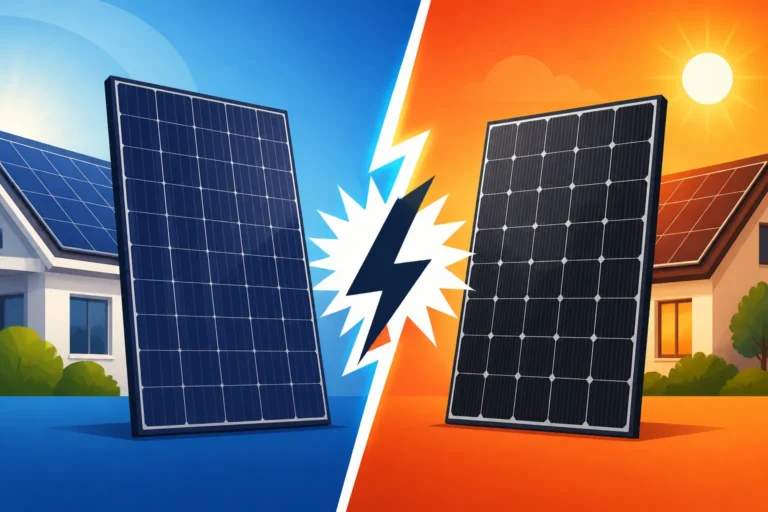
When it comes down to choosing between REC and Silfab, it's not about one being definitively "better" than the other in all aspects. Both are excellent choices, but they excel in slightly different areas, making one potentially a better fit for your specific needs and priorities. It's like comparing two high-quality cars: both will get you where you need to go safely, but one might have features or a pedigree that aligns more with your personal preferences.
Performance in Different Conditions
While both brands offer high-performance panels, there are subtle differences to consider, especially when it comes to specific environmental conditions. REC, particularly with its Alpha series and HJT technology, often boasts slightly higher overall efficiency and a lower temperature coefficient. This means REC panels tend to perform marginally better in very hot conditions, as they lose less efficiency as temperatures rise. If you live in a region with consistently high summer temperatures, like Phoenix, Arizona, or parts of Texas, REC's superior heat tolerance might offer a small but noticeable advantage over the 25-year lifespan of your system.
Silfab panels, with their robust construction and proven PERC technology, are also highly effective across various climates. They perform exceptionally well in temperate zones and even in areas with colder, sunnier conditions. While their temperature coefficient might be slightly higher than REC's bleeding-edge HJT, the difference is often negligible for most climates. Ultimately, both will perform admirably, but if squeezing every last watt out of your system in extreme heat is a top priority, REC might have a slight edge. It's always a good idea to consider factors like your local climate; for example, if you live in a particularly hot region, you might explore Best Solar Panels for Hot Climates.
Cost and Value Proposition
When it comes to cost, REC panels often sit at a slightly higher price point per watt compared to Silfab. This isn't necessarily a bad thing; it reflects their premium technologies, potentially higher efficiency ratings, and long-standing reputation for innovation. For homeowners who want the absolute best performance and are willing to pay a little extra for cutting-edge features and maximum output from a smaller footprint, REC often represents excellent value. The slightly higher upfront cost can translate to greater long-term savings due to their superior degradation rates and higher energy production, especially if electricity rates continue to climb. For a detailed breakdown of costs, check out our guide on Solar Panel Cost Per Watt Explained.
Silfab, on the other hand, typically offers a very competitive price point while still delivering exceptional quality and performance. Their value proposition is particularly strong for those who prioritize North American manufacturing and want a reliable, high-performing panel without necessarily paying for the absolute latest in efficiency breakthroughs. For many homes, Silfab offers an excellent balance of cost, quality, and performance, making them a very popular choice. The cost difference between the two might be a few cents per watt, which can add up significantly depending on the size of your solar system. Many homeowners find both brands to be a smart investment in terms of overall How Long Do Solar Panels Last? and energy savings.
Here's a quick comparison table:
| Feature/Brand | REC Solar Panels | Silfab Solar Panels |
|---|---|---|
| Origin | Norway-founded, manufacturing in Singapore | North American (USA & Canada) manufacturing |
| Key Technology | Half-cut cells, HJT (Alpha series) | Half-cut cells, PERC |
| Typical Efficiency | 21% – 22%+ | 20% – 21.5% |
| Power Output (Residential) | 380W – 430W+ | 370W – 410W |
| Temperature Coeff. | Generally lower (better in heat) | Very good, slightly higher than REC's top models |
| Product Warranty | 25 years (for premium models) | 12 – 25 years (model dependent) |
| Performance Warranty | 25 years (guaranteeing ~92% output at year 25) | 25 years (guaranteeing ~87-92% output at year 25) |
| Price Point | Higher-end / Premium | Upper-mid range / Excellent Value |
| Ideal For | Max efficiency in limited space, hot climates | North American preference, balanced cost & performance |
Ideal Use Cases for Each Brand
So, when would you lean towards REC, and when would Silfab be the perfect fit?
REC is often the preferred choice if:
- You have limited roof space: If your roof is on the smaller side or has some shading issues, the slightly higher efficiency of REC panels means you can generate more power from fewer panels. This is crucial in places like Brooklyn, New York, where roof space is at a premium.
- You live in a very hot climate: As discussed, REC's advanced HJT technology and lower temperature coefficient give it an edge in extreme heat, making it a great option for hot states like Florida, California, or parts of Texas.
- You want the latest technology and highest output: If you're an early adopter and want to invest in panels that are at the forefront of solar innovation, REC's Alpha series often delivers that.
- You prioritize maximum long-term energy production: The slightly higher efficiency and lower degradation rates can lead to greater cumulative energy production over the system's lifespan, potentially maximizing your savings.
Silfab is an excellent choice if:
- You prioritize North American manufacturing: If supporting local industries and having panels made in the USA or Canada is important to you, Silfab is a clear winner.
- You want a strong balance of quality and cost: Silfab delivers premium-tier quality and performance at a more accessible price point than some of the absolute top-tier brands.
- You have ample roof space: If your roof can accommodate the necessary number of panels without needing the absolute highest efficiency per square foot, Silfab offers fantastic value.
- You live in a temperate or colder climate: While great everywhere, Silfab performs exceptionally well in areas without extreme heat, like much of the Pacific Northwest or the Midwest.
- You value reliable, proven technology: Silfab focuses on perfecting established, high-performing technologies rather than always chasing the newest, unproven innovations.
Ultimately, both brands offer robust and reliable solutions. The "best" choice really depends on your specific budget, roof characteristics, geographic location, and personal preferences regarding manufacturing origin and cutting-edge technology. For general information on reputable brands, you might even find useful consumer reviews and detailed specifications on larger retail platforms, though full solar systems are typically not sold directly through places like Amazon.
Making the Right Choice for Your Home
Choosing the right solar panels for your home is a significant decision, one that impacts your energy bills, environmental footprint, and home value for decades. It's easy to get caught up in brand names and specifications, but truly making the right choice involves a holistic approach.
Factors Beyond Brand Name
While REC and Silfab are both excellent manufacturers, the panels themselves are only one piece of the puzzle. It's crucial to look at the entire solar ecosystem and how it integrates with your home.
- Your Roof's Condition and Orientation: Is your roof relatively new, or will it need replacement soon? Does it get significant shading from trees or other buildings? A roof facing south without obstruction is ideal, but East/West orientations can also work effectively, especially with modern systems. A good installer will assess your roof's age and structural integrity.
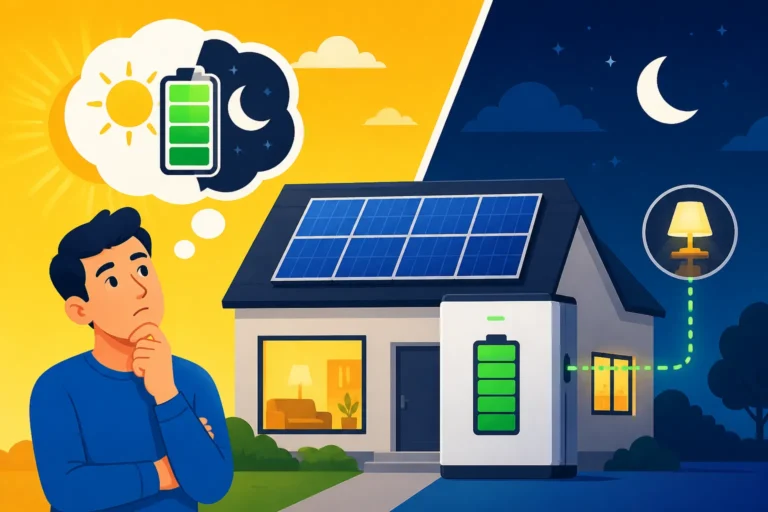
- Your Energy Consumption: Understanding your household's annual electricity usage is paramount. This dictates the size of the system you'll need. If you're a high-energy user, maximizing efficiency (which might lean you towards REC) or simply having enough space for more panels (where Silfab might offer better value) becomes critical. You might even consider battery storage if you want to be more independent from the grid, and understanding Are Solar Batteries Still Eligible for Incentives in 2026? is key.
- Local Incentives and Net Metering: State and local incentives can dramatically alter the financial viability of solar. Researching options like State Solar Incentives: Complete 2026 Guide or specific utility rebates can make a substantial difference in your overall cost and payback period. Net metering policies, which dictate how your utility credits you for excess solar production, also play a huge role. For example, California's NEM 3.0 has significantly changed the economics for many homeowners.
- The Installer: Perhaps the most overlooked but critical factor is the solar installer you choose. Even the best panels can underperform if installed improperly or if the system design isn't optimized for your home. A reputable installer will perform a thorough site assessment, design an efficient system, handle all permitting, and provide excellent customer service. This is where researching How to Choose a Solar Installer becomes incredibly important. You want a company with a strong local reputation, certified technicians, and clear communication.
Don't let the technical details overwhelm you. Think of these external factors as the foundation upon which your solar decision rests. A top-tier installer will guide you through all of these considerations, regardless of whether you end up with REC, Silfab, or another quality brand.
Getting and Comparing Quotes
The best way to figure out which brand and system are right for your home is to get multiple quotes from different, reputable solar installers. This isn't just about price; it's about comparing system designs, equipment options, warranties, and the professionalism of the companies themselves.
When you're gathering quotes, be specific about what you're looking for. Ask installers if they offer both REC and Silfab panels, or if they have other premium "Tier 1" options. Insist on a detailed proposal that breaks down the cost per watt, the expected annual production, and the full warranty details for both the panels and the installation itself. You should also inquire about financing options, as well as the estimated Solar Panel Payback Period Explained based on their proposed system.
Here’s what to look for when comparing quotes:
- System Size and Expected Production: Does one installer propose a significantly smaller or larger system for the same energy offset? Ask why.
- Panel Model and Quantity: Make sure you're comparing apples to apples when it comes to panel models. A REC Alpha Pure-R will have different specs than an older REC N-Peak, just as a Silfab Elite will differ from a Silfab Prime.
- Inverter Type: Are they using string inverters, microinverters (like Enphase), or power optimizers (like SolarEdge)? Each has pros and cons for different roof types and shading situations.
- Total Cost and Solar Dealer Fees Explained (Hidden Loan Costs): Understand the all-in price, including equipment, labor, permitting, and interconnection. If you're financing, clarify any dealer fees or hidden costs.
- Warranties: Compare the product, performance, and labor warranties. A good installer will back their work for at least 10 years, in addition to the panel manufacturer's warranties.
- Company Reputation: Read reviews on independent sites, check their licensing, and ask for references. How they communicate and respond to your questions during the quote process is often a good indicator of their customer service post-installation.
By doing your homework and getting comprehensive quotes, you'll be well-equipped to choose a solar system that not only features high-quality panels like REC or Silfab but also fits your budget and energy goals perfectly. Don't be afraid to ask questions; this is your investment, and you deserve to understand every detail. You can find more tips on this process in our guide on How to Compare Solar Installer Quotes.
Disclaimer
Please note that the information provided in this guide is for general informational purposes only and does not constitute professional advice. Solar technology, incentives, and market conditions are subject to change. It is essential to consult with qualified solar professionals, financial advisors, and local authorities to obtain advice tailored to your specific situation.