Is It Worth Paying More for High-Efficiency Panels?
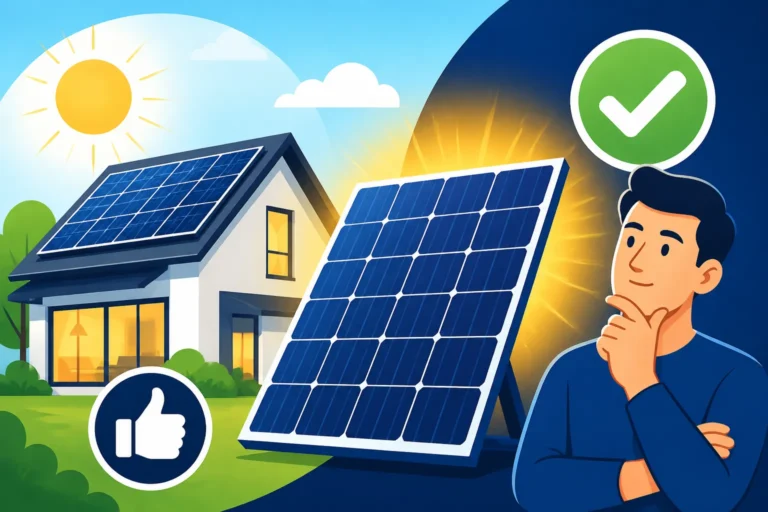
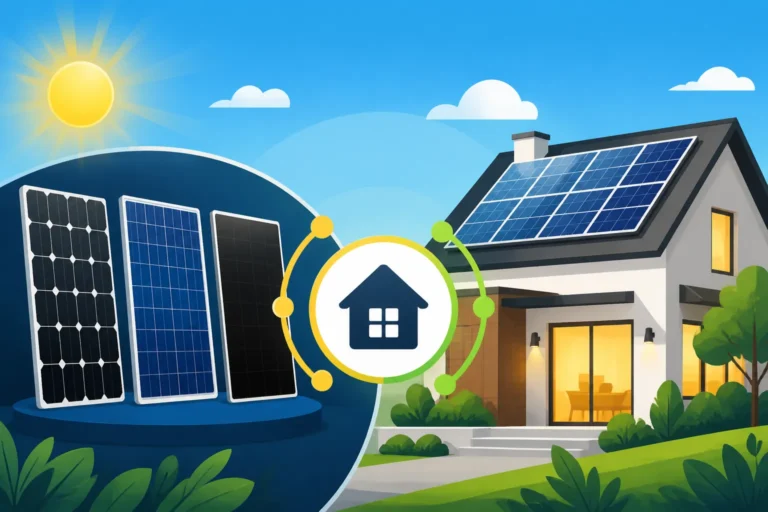
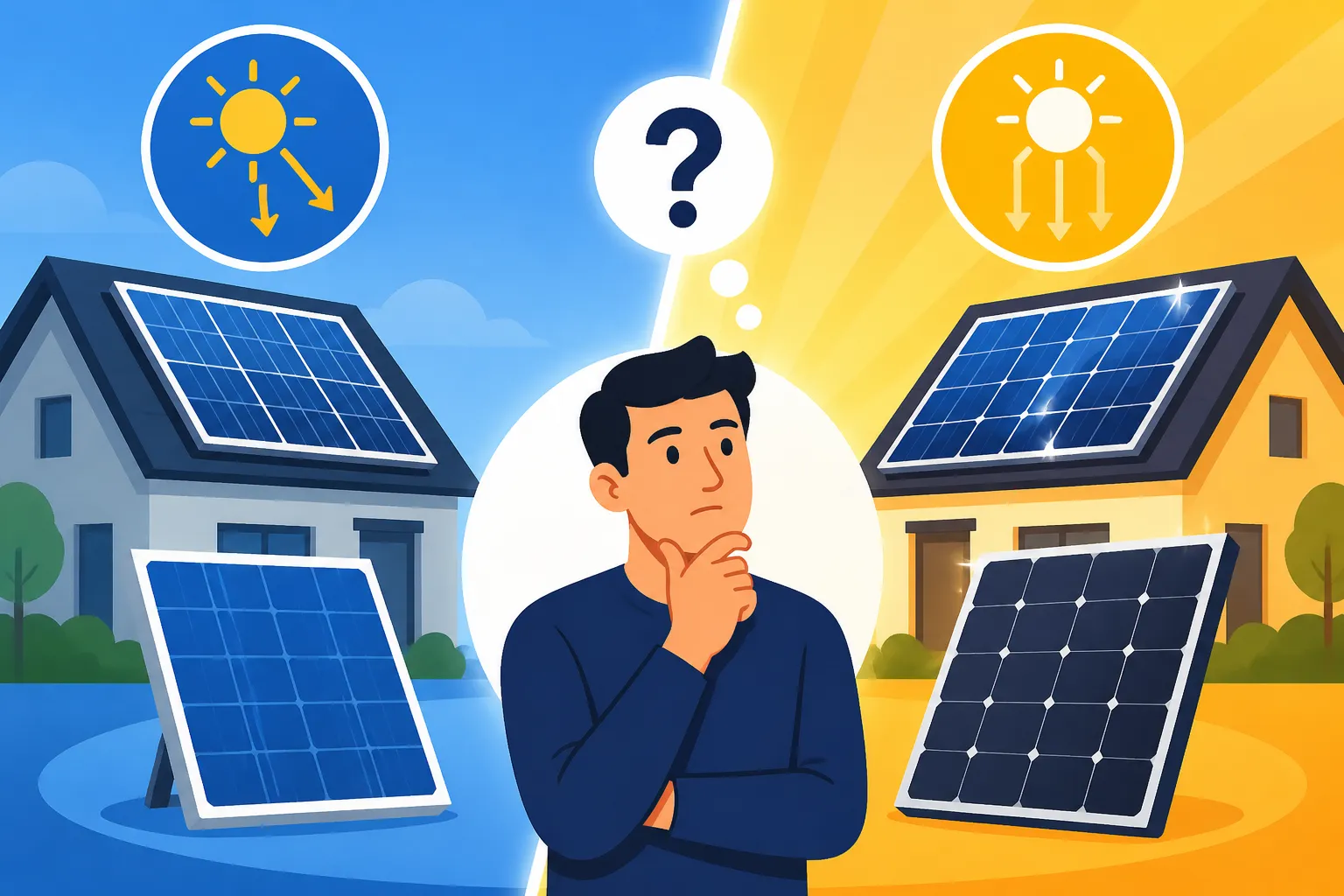
Choosing to go solar is a fantastic step towards energy independence, but it can quickly feel overwhelming when you start digging into the details. One of the biggest questions homeowners grapple with is whether splurging on high-efficiency solar panels is truly worth the extra investment. This guide will help you understand what efficiency really means for your system, when those premium panels make financial sense, and how to balance cost with performance to make the best decision for your specific situation.
Understanding Solar Panel Efficiency
When you're looking at solar panels, "efficiency" is a term you'll hear a lot, and it's easy to get caught up in the numbers. But what does it actually tell you about a panel's performance, and why do some panels boast much higher efficiency ratings than others? It's more than just a marketing gimmick; it's about how much power a panel can squeeze out of a given amount of sunlight.
What "Efficiency" Really Means
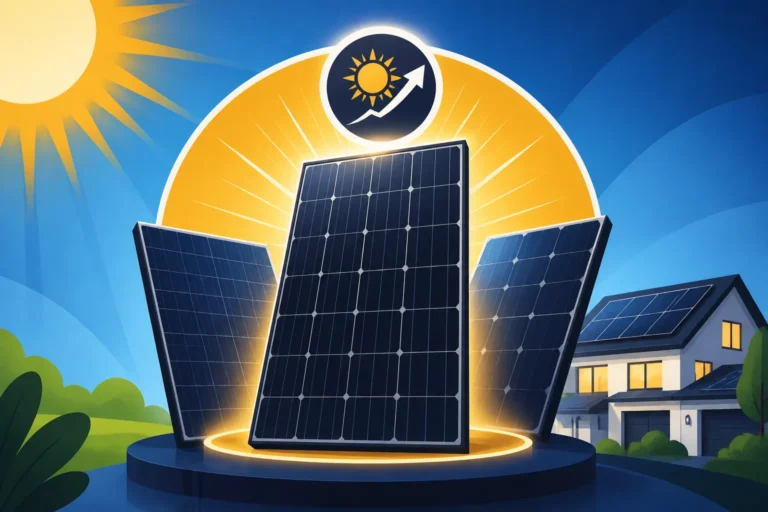
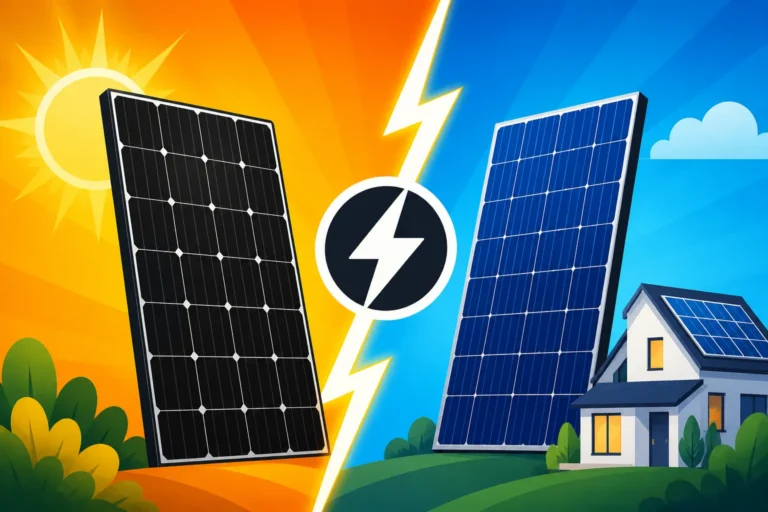
At its core, solar panel efficiency refers to the percentage of sunlight hitting the panel's surface that gets converted into usable electricity. So, if a panel has a 20% efficiency rating, it means that 20% of the solar energy it absorbs is transformed into electricity, while the remaining 80% is lost as heat or reflected away. Higher efficiency means the panel needs less physical space to produce the same amount of power, or conversely, it can produce more power in the same footprint. This isn't just about the panel itself; it's a critical factor in understanding your overall system's potential output.
Think of it like this: if you have a small garden plot, you want the most productive plants to get the biggest harvest. Similarly, with a limited roof space, you want the most efficient solar panels to generate the most electricity. This becomes particularly important when you start considering your Solar Panel Cost Per Watt Explained and how that translates to your home's total energy needs. Panels commonly range from about 17% to over 23% efficiency, with premium models pushing even higher.
Factors Affecting Panel Performance
Beyond the advertised efficiency rating, several real-world factors can significantly impact how well your solar panels perform once installed. It’s not just about the panel in isolation; it’s about the whole picture.
For instance, the local climate plays a huge role. While panels need sunlight, extreme heat can actually reduce their efficiency. A panel's temperature coefficient tells you how much its output drops for every degree Celsius increase above a certain threshold (usually 25°C or 77°F). So, a high-efficiency panel in a scorching climate like Phoenix might not perform at its peak potential if not adequately ventilated. Conversely, panels in cooler, sunnier regions might consistently exceed expectations.
Shading from nearby trees, chimneys, or even other panels can also drastically reduce power output. This is where the choice of inverter technology, like microinverters or power optimizers, can help mitigate losses by allowing each panel to operate independently, preventing a single shaded panel from dragging down the performance of the entire string. Even the angle and direction of your roof are critical. A south-facing roof with an optimal pitch in the Northern Hemisphere will capture far more sunlight than a north-facing one. These design elements are often just as important as the panel's intrinsic efficiency.
The Cost-Benefit Analysis of High-Efficiency Panels
Deciding whether to pay more for high-efficiency solar panels often boils down to a classic cost-benefit analysis. It's about weighing the initial financial outlay against the potential for greater energy production and long-term savings. This isn't a one-size-fits-all answer; what makes sense for a homeowner in downtown Boston with limited roof space might be different for someone with a sprawling ranch in rural Texas.
Higher Upfront Investment
There's no denying that solar panels with higher efficiency ratings generally come with a steeper price tag. This isn't always linear, meaning a 23% efficient panel might cost significantly more than a 20% efficient one, but it doesn't necessarily produce 15% more power per panel. The Solar Panel Cost by System Size (kW) demonstrates that the overall cost is influenced by the total wattage needed, and higher efficiency means you need fewer panels to hit that target wattage.
However, the cost difference isn't just in the panels themselves. A smaller number of panels might mean less racking material, fewer labor hours for installation, and sometimes even simpler electrical wiring. But these savings often don't fully offset the higher per-panel cost. It's crucial to look at the "cost per watt" for the entire system, not just the individual panels, when comparing quotes. For example, a system using fewer, more expensive panels might have a higher cost per watt but could be the only option if your roof is small. Understanding the nuances of What Affects the Cost of Solar Panels? will give you a clearer picture here.
Long-Term Savings and Production
The primary argument for investing in high-efficiency panels is the promise of greater long-term savings through increased electricity generation. Over the 25-30+ year lifespan of a solar energy system, even a small percentage increase in annual production can add up to significant financial benefits. This is especially true if you live in an area with high electricity rates, like California or parts of New England, where every kilowatt-hour (kWh) you generate represents a substantial saving.
Consider a scenario where two identical homes need to offset 10,000 kWh of annual electricity consumption. One opts for standard 350-watt panels with 19% efficiency, while the other chooses premium 400-watt panels with 22% efficiency. The premium system might cost 10-15% more upfront, but it could achieve the 10,000 kWh target with fewer panels, or it might exceed that target with the same number of panels, selling excess power back to the grid (if Net Metering Explained: How It Works by State is favorable in their area). This additional generation means greater bill savings and potentially a faster Solar Panel Payback Period Explained. For homeowners planning to stay in their homes for many years, this cumulative savings can easily justify the initial premium.
When High-Efficiency Panels Make the Most Sense
While high-efficiency panels sound great on paper, they're not always the most cost-effective choice for every homeowner. There are specific situations where their benefits truly shine and warrant the extra investment.
Limited Roof Space Considerations
This is perhaps the most compelling reason to choose high-efficiency panels. Many homes, especially in densely populated areas like Brooklyn, New York, or older neighborhoods with intricate rooflines, simply don't have expansive, unobstructed roof space. If you have a small roof, or if portions of your roof are shaded or complicated by dormers and vents, high-efficiency panels become a necessity.
Imagine you need a 7 kW system to cover your electricity usage, but your usable roof space can only fit 15 standard 350W panels (5.25 kW total). With high-efficiency 450W panels, you might be able to squeeze 15 of them into the same area, bringing your system size up to 6.75 kW – much closer to your target. In this scenario, paying more per panel allows you to maximize the energy production from your limited footprint, making it How Much Does Panel Efficiency Matter for a Small Roof? an extremely relevant question. Without these panels, you might not be able to offset a significant portion of your energy bill, diminishing the overall value of going solar. It's about making solar viable where it otherwise wouldn't be.
Maximizing Production in Challenging Conditions
Beyond limited space, high-efficiency panels can also be a smart choice in locations or on roofs that present other challenges for solar production. This includes situations with suboptimal roof angles, less-than-ideal orientations (e.g., east or west-facing instead of south), or partial shading that can't be completely avoided.
In these "challenging" scenarios, every photon of light captured and converted becomes more valuable. High-efficiency panels, often built with advanced technologies like TOPCon or HJT cells, are designed to perform better in diffuse light conditions (like cloudy days) or during low-light hours (early morning and late afternoon). They can squeeze more energy out of the available sunlight, helping you hit your production targets even when conditions aren't perfect. For example, if you live in a region known for frequent cloud cover, such as Seattle, Washington, these panels might be critical for achieving a reasonable Solar Panel Payback Period by State. This means you get more bang for your buck, even if the "buck" itself is a little bigger upfront.
Balancing Efficiency with Other Considerations
While panel efficiency is important, it's just one piece of the puzzle. A truly optimized solar system involves a harmonious blend of panel performance, system design, and the reliability of your chosen components. Don't let the siren song of the highest efficiency number distract you from the bigger picture.
Warranties and Brand Reputation
A solar panel system is a long-term investment, often expected to last 25-30 years or more. Because of this, the warranty and the manufacturer's reputation are just as, if not more, important than raw efficiency numbers. What good is a highly efficient panel if the company goes out of business in five years, or if the warranty doesn't cover actual degradation?
Most reputable Best Solar Panels of 2026 offer two main types of warranties: a product warranty (covering defects and workmanship, usually 10-25 years) and a performance warranty (guaranteeing a certain level of power output over time, typically 25 years at 80-85% of original output). Premium, high-efficiency brands like Maxeon (SunPower), REC, or Qcells often provide some of the best warranties in the industry, reflecting their confidence in their advanced technology and durability. They typically have lower degradation rates over time, meaning they'll maintain a higher percentage of their original efficiency for longer. When comparing options, always dig into the Solar Panel Product vs Performance Warranty details. A slightly less efficient panel from a company with a rock-solid 25-year comprehensive warranty might be a better investment than a super-efficient panel from a lesser-known brand with a flimsy guarantee.
System Design and Overall Optimization
The overall design and optimization of your solar system can have a greater impact on your actual energy production than a marginal increase in panel efficiency alone. A well-designed system takes into account your home's energy consumption patterns, roof characteristics, shading issues, and local utility rates.
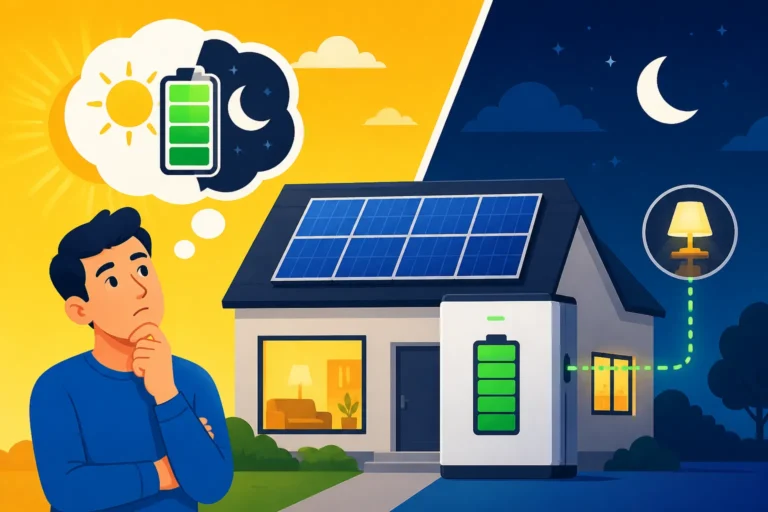
For instance, if you have significant shading on parts of your roof, investing in microinverters (like those from Enphase) or power optimizers (like those from SolarEdge) can be more impactful than simply buying higher-efficiency panels. These devices manage each panel individually, preventing a shaded panel from reducing the output of the entire system. An experienced installer will also optimize panel placement, tilt, and azimuth (direction) to maximize sunlight capture throughout the day and year. They'll ensure your system is properly sized to meet your current and future energy needs, perhaps even recommending a solar battery solution if Do I Need a Battery With Solar? is a concern for you, especially if net metering policies are less favorable in your region. A holistic approach to system design, including the right inverter technology and proper sizing, ensures you get the most out of your investment, regardless of the panel's efficiency rating.
Making the Right Decision for Your Home
Navigating the world of solar can feel like learning a new language. You’ve got to consider efficiency, cost, warranties, and your specific circumstances. The goal isn't just to buy solar panels, but to invest in a system that truly meets your energy needs and provides excellent value over its lifespan.
Consulting with Solar Professionals
The single best step you can take is to consult with multiple reputable solar installers. These professionals have the expertise to evaluate your home's unique characteristics, including your roof's condition, orientation, and potential shading, as well as your average electricity consumption. They can provide detailed proposals that outline the total system cost, projected energy production, and estimated Solar Panel Payback Period Explained.
A good installer will walk you through various options, explaining the trade-offs between different panel efficiencies, brands, and inverter technologies. They should also be transparent about all costs, including installation, permitting, and any Solar Permit & Interconnection (PTO) Explained fees. Don't hesitate to ask them to compare a system with slightly lower efficiency, more affordable panels to one with high-efficiency panels, and show you the difference in overall cost and projected savings. Remember, How to Choose a Solar Installer is a critical decision that impacts your entire solar journey.
DIY Components and Small-Scale Solutions
For those who are particularly handy or looking to supplement their energy needs on a smaller scale, there's also the option of exploring DIY solar components. While installing a full home system is a complex undertaking that typically requires professional expertise for safety and compliance, smaller projects or specific components can sometimes be sourced and installed by homeowners.
For example, if you're looking to set up a small off-grid system for a shed, RV, or simply to power outdoor lights, you might find individual solar panels, charge controllers, and batteries on platforms like Amazon. These could include smaller, portable high-efficiency panels for specific applications where space is at an absolute premium, like a rooftop tent on an overlanding vehicle. However, it's important to understand that scaling this up to power an entire home is a different ballgame altogether, involving complex electrical work, structural considerations, and permits. For whole-home solutions, professional installation is almost always recommended to ensure safety, efficiency, and eligibility for any incentives.
Disclaimer
This article is intended for informational purposes only and does not constitute professional advice. Solar energy system costs, incentives, and regulations can vary significantly by location and change frequently. Always consult with certified solar professionals and financial advisors to determine the best solution for your specific circumstances.