Qcells Solar Panel Review
Deciding to go solar is a huge step, and once you start looking into it, you quickly realize there's a sea of options out there, each promising to be the best. It's easy to get overwhelmed by all the different solar panel brands, each with its own jargon and technical specifications. You want to make an informed choice for your home, one that guarantees reliable performance and long-term savings without feeling like you need an engineering degree to understand it all. This guide aims to cut through the noise, offering a comprehensive and realistic review of Qcells solar panels, helping you understand if they're the right fit for your solar journey.
Understanding the Qcells Brand and Its Market Presence
When you're looking at solar panels, one of the first things you want to know is, "Who exactly is making these, and can I trust them?" It's a valid concern, especially for an investment as significant as a home solar system. Qcells, formerly Hanwha Qcells, is a name that frequently pops up, and for good reason. They've established themselves as a major player in the global solar market, but what does that really mean for you, the homeowner?
Company History and Global Reach
Qcells has a fascinating history rooted in both South Korea and Germany, a combination that speaks to a blend of robust manufacturing capability and cutting-edge engineering. Founded in Germany in 1999, Qcells quickly became known for its strong research and development in solar cell technology. Later, in 2012, it was acquired by Hanwha Group, a South Korean conglomerate with diverse interests, including chemicals, finance, and aerospace. This acquisition propelled Qcells onto a global stage, leveraging Hanwha's financial strength and manufacturing prowess. Today, Qcells boasts a massive global footprint, with production facilities in South Korea, Malaysia, and the United States (Dalton, Georgia), alongside sales offices across continents. This widespread presence often means they have the capacity to meet demand and offer localized support, which can be a huge comfort for homeowners.
Their commitment to having manufacturing facilities in different regions, like their plant in Georgia, also sometimes means they can cater to specific market demands or take advantage of local incentives for domestically produced goods. This diversified manufacturing strategy helps them maintain a strong supply chain and adapt to various market conditions, ultimately benefiting the consumer by ensuring product availability and, potentially, competitive pricing. It’s a sign of a company with deep roots and a forward-thinking approach, not just a fleeting startup.
Market Position and Reputation
Qcells isn't just a big name; they've consistently ranked among the top-tier solar panel manufacturers globally, particularly for their market share in key regions like the United States. This isn't just about selling a lot of panels; it's about being recognized for quality and reliability. They’re often considered a "Tier 1" manufacturer, a term used in the solar industry to denote companies that have invested heavily in research and development, have a high degree of automation in manufacturing, and have a strong financial backing. For you, this means a reduced risk of the company going out of business, which is a critical consideration when you're looking at warranties that span 25 years or more.
Their reputation is built on delivering high-performance, durable panels suitable for a wide range of climates and applications. Many installers speak highly of Qcells due to their consistent quality and good support, making them a go-to choice for residential installations. They are a brand that strikes a good balance between premium performance and accessible pricing, which is often what homeowners are looking for. It's not uncommon to see positive user reviews when people talk about the long-term performance of their Qcells systems, a testament to their established place in the market.
Qcells Panel Technology and Efficiency Ratings
When you delve into solar panels, you'll quickly encounter terms like efficiency, wattage, and different cell technologies. It might sound like a lot of technical jargon, but understanding these basics is key to appreciating what Qcells brings to the table and how it translates into actual energy production for your home.
Key Panel Series and Features
Qcells offers several lines of solar panels, but their Q.PEAK DUO series has been a particular standout in the residential market. These panels utilize half-cut cell technology combined with their proprietary Q.ANTUM DUO Technology, which is essentially an advanced PERC (Passivated Emitter Rear Contact) cell design. In simple terms, this means the cells are designed to capture more sunlight and convert it into electricity more efficiently, even in less-than-ideal conditions like low light or partial shading. The half-cut cells also reduce electrical resistance within the panel, leading to better overall performance and less power loss.
More recently, Qcells has also introduced panels featuring TOPCon technology, such as their Q.TRON series. TOPCon (Tunnel Oxide Passivated Contact) is the next generation of solar cell technology, building upon the strengths of PERC to achieve even higher efficiencies. These advancements are crucial because they mean that for the same roof space, you can potentially generate more electricity, or achieve your energy goals with fewer panels. This can be especially important if you have limited roof space or complex shading challenges. Panels like the Q.PEAK DUO G11+ or the Q.TRON G3+ represent their commitment to pushing the boundaries of residential solar efficiency.
Understanding Efficiency Ratings
Solar panel efficiency is often one of the first numbers homeowners look at, and it's a vital metric. It tells you how much of the sunlight hitting the panel is converted into usable electricity. Qcells panels typically offer efficiency ratings ranging from about 20% to over 22%, depending on the specific model. For instance, a Q.PEAK DUO G11+ panel might hover around 21.6% efficiency, while newer TOPCon models could exceed 22.5%. While these numbers might seem small differences, they add up significantly over the lifespan of your system.
What does this mean for your home? A higher efficiency rating means that your panels will produce more power per square foot. If you have a smaller roof or specific aesthetic preferences that limit the number of panels you can install, choosing higher-efficiency panels like those from Qcells can help you meet your energy needs without requiring an excessively large system. This also contributes to faster payback periods and greater long-term savings. While efficiency is important, it’s also crucial to remember that it’s just one piece of the puzzle; factors like temperature coefficient and real-world performance matter just as much, if not more, than the peak lab efficiency rating.
Qcells Performance and Durability in Real-World Conditions
Beyond the impressive technical specifications and lab-tested efficiency ratings, what truly matters is how solar panels perform once they're on your roof, exposed to the elements year after year. Homeowners want assurance that their investment will withstand everything from scorching summers to snowy winters and continue to generate power reliably.
Real-World Energy Production
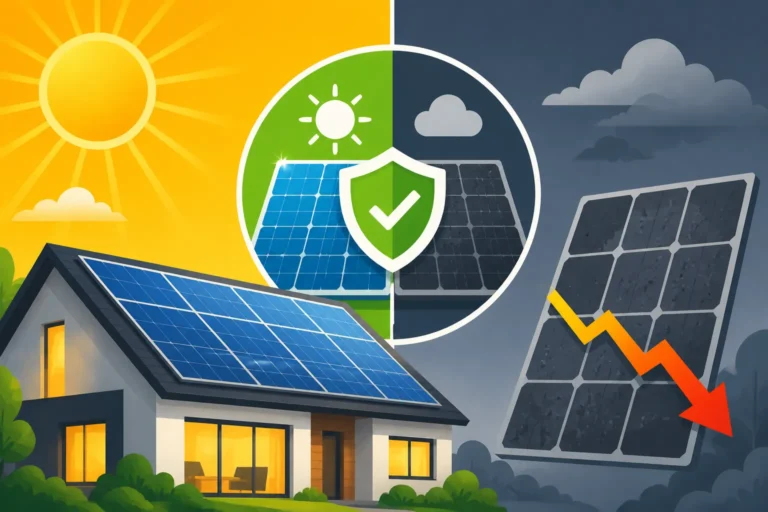
Qcells panels are designed with real-world conditions in mind. Their Q.ANTUM DUO Technology, with its advanced cell structure and half-cut cells, not only boosts efficiency but also enhances performance in challenging scenarios. One key aspect is their excellent low-light performance. This means that even on cloudy days, at dawn, or at dusk, Qcells panels can still capture a respectable amount of sunlight and convert it into electricity. This contrasts with some older or lower-quality panels that might severely drop off in production under anything less than full, direct sun.
Another critical factor is temperature coefficient. Solar panels, like many electronic devices, become less efficient as they get hotter. Qcells panels typically have a good temperature coefficient, meaning their performance degradation due to high temperatures is relatively low. For homeowners in hot climates like Arizona or Florida, where roof temperatures can soar, this characteristic is incredibly valuable. It ensures that your system maintains stronger output even during the peak heat of summer, when your air conditioning might be running full tilt and your electricity demand is highest. This robust performance across varying light and temperature conditions contributes significantly to consistent energy output throughout the year, maximizing your savings.
Durability in Harsh Climates
The environment can be brutal on anything left outside for decades, and solar panels are no exception. Qcells panels are engineered to be highly durable, capable of withstanding significant environmental stresses. They are rigorously tested to resist high winds, heavy snow loads, and even hailstorms. This durability is backed by certifications from independent testing bodies. For example, many Qcells panels are rated to withstand static snow loads of up to 5400 Pa (Pascals) and wind loads of up to 4000 Pa, which is more than sufficient for most residential applications, even in regions prone to severe weather events.
Furthermore, Qcells emphasizes the long-term stability of their materials and construction. They use high-quality aluminum frames and tempered glass, ensuring the physical integrity of the modules. Their internal cell connections and junction boxes are also designed to resist degradation from moisture and temperature fluctuations. This focus on robust construction means that whether you live in the blustery northeast, the humid south, or the dry desert, your Qcells panels are built to last and continue producing energy reliably for decades. This peace of mind is invaluable when you're making a 25-year commitment to solar.
Qcells Warranties and Long-Term Reliability
One of the biggest concerns for homeowners considering solar is the longevity of their investment. You’re putting these panels on your roof for decades, and you want to be sure they’ll perform as promised and that you're covered if something goes wrong. Qcells understands this, offering comprehensive warranties that speak to their confidence in their products.
Product and Performance Guarantees
Qcells typically offers two main types of warranties: a product warranty and a performance warranty. The product warranty covers defects in materials or workmanship. For most of their residential panels, Qcells provides an impressive 25-year product warranty. This is significantly better than the industry standard of 10-12 years that many manufacturers offer. A 25-year product warranty means that if a panel itself fails due to manufacturing defect within a quarter-century of installation, Qcells will repair or replace it. This extended coverage provides excellent peace of mind, knowing that your physical panels are protected for almost their entire expected operational lifespan.
The performance warranty guarantees that your panels will produce a certain percentage of their rated power output over time. Qcells' performance warranty is also very strong. For example, many of their panels guarantee at least 98% of the nominal power output in the first year, and then a maximum degradation rate of 0.5% per year thereafter. This typically means that after 25 years, your panels are still guaranteed to produce at least 86% of their original rated power. This is better than the industry average, which often guarantees around 80-82% by year 25. Strong degradation rates ensure that your solar system's output remains robust for decades, leading to sustained savings. For more details, you can read our guide on Solar Panel Warranties Explained.
What the Warranty Covers and How to Claim
It’s crucial to understand not just the length of the warranty but also what it specifically covers and the process for making a claim. Qcells' warranties cover manufacturing defects that impact the panel's functionality or power output. This typically includes issues like delamination (layers separating), electrical failures, or premature degradation beyond the guaranteed rate. However, like all warranties, they usually don't cover damage caused by external factors like severe weather events (unless specifically stated and beyond normal tolerances), improper installation (which falls under the installer's warranty), or homeowner neglect. This is why choosing a reputable installer is just as important as choosing a quality panel brand.
In the event you need to make a warranty claim, the typical process involves contacting your original solar installer. They will assess the issue and then work directly with Qcells to facilitate the replacement or repair of the faulty panel. This streamlined approach means you don't have to navigate complex manufacturer contacts directly, as your installer acts as your primary point of contact. Knowing this support structure is in place adds another layer of confidence to your investment. For those curious about the financial incentives that can make these systems even more appealing, exploring topics like Federal Solar Incentives That Still Exist in 2026 can be quite helpful.
Cost and Value Proposition of Qcells Solar Panels
When considering any major home improvement, especially one that impacts your utility bills for decades, cost is always a top-of-mind factor. Solar panels are an investment, and you want to ensure you're getting excellent value for your money. Qcells positions itself as a premium-adjacent brand, offering high quality without necessarily hitting the absolute highest price points.
Average Price Points and System Cost
The cost of Qcells solar panels, like any brand, can vary significantly depending on your location, the specific panel model, system size, and the installer you choose. However, in general, Qcells panels tend to fall into the mid-to-high range of the market. They are typically more affordable than ultra-premium brands like Maxeon (SunPower) but often slightly more expensive than budget-tier panels from lesser-known manufacturers.
For a typical residential solar system (e.g., 6 kW to 10 kW), the overall cost before incentives might range from $18,000 to $30,000 or more, with Qcells panels contributing a significant portion of that. On a per-watt basis, you might see Qcells systems priced anywhere from $2.75 to $3.50+ per watt, fully installed. This pricing reflects their Tier 1 status, advanced technology, robust warranties, and proven reliability. While the initial investment might be slightly higher than the cheapest options on the market, the enhanced efficiency and extended warranties often lead to greater long-term savings and a quicker return on investment. For an estimate of current pricing, you might check guides like Average Solar Panel Cost in 2026.
Comparing Qcells to Other Brands
When you compare Qcells to other prominent brands, a few things become clear. If you're looking at efficiency, Qcells' TOPCon panels can compete with some of the best in the market. Their Q.ANTUM DUO technology also gives them an edge over many standard PERC panels when it comes to low-light performance and temperature stability. In terms of warranty, their 25-year product warranty is a significant differentiator that places them firmly above many competitors.
Here's a quick comparison of Qcells against some common alternatives:
| Feature/Brand | Qcells (e.g., Q.PEAK DUO G11+) | Jinko Solar (e.g., Eagle Series) | Silfab Solar (e.g., Silfab Prime) | Maxeon (SunPower) (e.g., A-Series) |
|---|---|---|---|---|
| Efficiency Range | 21.0% – 22.5%+ | 20.0% – 21.5% | 20.0% – 21.7% | 22.0% – 23.0%+ |
| Technology | Q.ANTUM DUO (PERC), TOPCon | PERC, TOPCon | PERC | Maxeon IBC (Interdigitated Back Contact) |
| Product Warranty | 25 Years | 12-15 Years | 25 Years | 40 Years |
| Performance Warranty (Year 25) | 86% | 84.8% | 85% | 92% |
| Price Point | Mid-to-High | Mid-Range | Mid-to-High | Premium |
| Manufacturing | Global (US, Korea, Malaysia) | Global (China, Malaysia, US) | North America (US, Canada) | Global (France, Mexico, Malaysia) |
As you can see, Qcells holds its own, especially with its extended product warranty, which is matched by only a few others, such as Silfab, and surpassed significantly by Maxeon. While Maxeon might offer slightly higher efficiency and an even longer warranty, it typically comes at a premium price. Qcells often represents a sweet spot, offering near-premium performance and warranty at a more accessible price point. You might find a detailed comparison useful when looking at specific options, for example, comparing Qcells vs Jinko Solar Solar Panels or even Silfab vs Qcells Solar Panels.
Pros and Cons of Qcells Solar Panels
Like any major investment, choosing solar panels involves weighing the advantages against potential drawbacks. Qcells has a lot going for it, but it's important to look at the full picture to decide if they align with your specific needs and priorities.
Advantages for Homeowners
One of the biggest advantages of Qcells panels is their excellent blend of performance and value. You're getting panels with strong efficiency ratings (often exceeding 21-22%), robust construction for durability, and impressive low-light performance, all without the top-tier price tag of some ultra-premium brands. This means more energy production and greater savings over time for a reasonable initial investment. Their continued investment in technologies like TOPCon ensures they remain competitive and forward-thinking.
Another significant pro is the industry-leading 25-year product warranty. This extended coverage for manufacturing defects gives homeowners immense peace of mind. Knowing that the physical components of your system are protected for a quarter of a century is a powerful reassurance against premature failure and unforeseen costs. This commitment to long-term quality is a clear indicator of Qcells' confidence in their manufacturing processes. Furthermore, their global manufacturing presence, including a facility in the USA, helps ensure supply chain stability and can sometimes appeal to those who prefer products with a domestic footprint.
Finally, their strong reputation and financial stability as a Tier 1 manufacturer provide confidence that Qcells will be around to honor their warranties. In an industry where smaller manufacturers can sometimes struggle, choosing a company with a solid financial backing like Hanwha Group is a practical consideration for a long-term investment.
Potential Considerations
While Qcells panels are excellent, there are a few things to consider. For homeowners who absolutely demand the highest possible efficiency on the market, Qcells might not always be the absolute top performer, though they come very close. Some niche brands or very high-end panels might offer fractions of a percentage point more in efficiency, but often at a considerably higher cost. If maximizing every inch of roof space for power output is your singular goal, you might find a panel with a slightly higher peak efficiency, but you'd likely pay a premium.
Another point to consider is that while Qcells panels are widely available, the quality of your installation ultimately hinges on your chosen installer. Even the best panels can underperform if not installed correctly. So, while you're picking a great panel brand, ensure you also put effort into finding a highly-rated and experienced local installer. It’s a bit like buying a top-of-the-line engine but needing a skilled mechanic to install it properly. You can find resources on how to select an installer, perhaps even on platforms like Amazon, where reviews and ratings for home service providers are sometimes aggregated, though for full solar systems, specialized solar market places are more common.
Lastly, like many major brands, Qcells panels, while offering great value, might not be the absolute cheapest option upfront. If your budget is extremely tight, and you're prioritizing the lowest possible initial cost above all else, you might find panels from emerging or less-established brands at a lower price point. However, remember that cheaper upfront often means compromising on efficiency, warranty, or long-term reliability, which could cost you more down the road in reduced savings or potential repair costs.
Who Are Qcells Solar Panels Best Suited For?
After all this information, you might be asking, "So, are Qcells the right choice for my home?" It's a fair question, and the answer depends on your priorities and specific circumstances. Qcells panels are a versatile and reliable option that appeals to a broad range of homeowners, but they truly shine for certain profiles.
Ideal Homeowner Profiles
Qcells panels are an excellent choice for homeowners who are looking for a strong balance between quality, performance, and cost. You want a system that will perform reliably for decades, is backed by a robust warranty, and doesn't break the bank. You understand the value of investing in a Tier 1 brand known for its long-term stability and technological innovation, rather than opting for the absolute cheapest system available. If you're someone who researches products carefully and appreciates a strong "sweet spot" in the market – not entry-level, not excessively premium, but solid middle-to-high-tier – then Qcells will likely appeal to you.
They are also particularly well-suited for those in regions with varying weather conditions, from bright sunny days to cloudy spells and occasional harsh weather. Their proven durability and excellent low-light performance mean your system will be effective year-round, regardless of your local climate. Whether you're in the sunny Southwest or the cloudier Pacific Northwest, Qcells panels are designed to perform consistently. Homeowners who are planning to stay in their homes for the long haul (10+ years) will also benefit significantly from the 25-year product and performance warranties, maximizing their investment.
Situations Where Alternatives Might Be Considered
While Qcells is a fantastic choice for most, there are a few scenarios where you might explore other options. If you have an extremely small or unusually shaped roof and literally every square inch of space must be maximized for power output, then ultra-high-efficiency panels (23%+) from brands like Maxeon or even some specialized REC panels might give you a slight edge, though at a higher price. These fractional gains in efficiency can make a difference if space is severely constrained.
Similarly, if your budget is the absolute primary driver and you need the lowest possible upfront cost, regardless of long-term considerations, you might look at more budget-focused brands. However, be cautious with this approach, as the savings from a cheaper initial investment can often be negated by lower efficiency, shorter warranties, or less reliable performance over time. While you might find individual components or smaller solar gadgets on marketplaces like Amazon that fit a minimal budget, a full home solar system is a different class of investment altogether.
Finally, if you have very complex shading issues from trees or nearby buildings, while Qcells has good low-light performance, you'd want to pair any panel with an advanced inverter solution like microinverters (e.g., Enphase) or power optimizers (e.g., SolarEdge). These technologies ensure that if one panel is shaded, it doesn't drag down the performance of the entire string of panels. This is an inverter choice rather than a panel choice, but it's an important consideration for systems in less-than-ideal solar conditions.
The Future of Qcells Solar and Industry Trends
The solar industry is constantly evolving, with new technologies and market shifts happening all the time. Staying informed about these trends can help you make a decision that will serve you well into the future. Qcells is not resting on its laurels; they are actively investing in the next generation of solar technology.
Continuous Innovation and R&D
Qcells has a strong commitment to research and development, a legacy from its German roots. They were early adopters and pioneers of PERC technology and continue to push the boundaries with advancements like their Q.ANTUM DUO technology. More recently, their move into TOPCon (Tunnel Oxide Passivated Contact) cell technology with their Q.TRON series demonstrates their dedication to staying at the forefront of efficiency. TOPCon is widely recognized as the next evolutionary step in silicon-based solar cells, offering even higher efficiencies and better performance characteristics than traditional PERC cells. This means that as a Qcells customer, you're investing in a brand that is committed to incorporating cutting-edge innovations into its product lines.
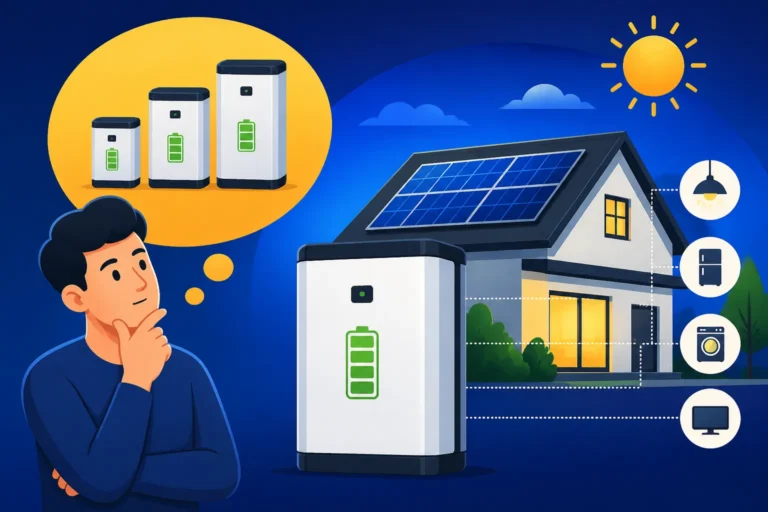
Beyond the panels themselves, Qcells is also exploring integrated energy solutions, including energy storage systems and smart home energy management. This holistic approach means they're thinking beyond just generating electricity; they're looking at how to optimize its use, storage, and distribution within a home. For homeowners, this means a potential for future upgrades and seamless integration with other Qcells or compatible home energy products. The solar landscape is increasingly moving towards these integrated solutions, and Qcells is positioning itself to be a leader in that space.
Market Dynamics and Long-Term Outlook
The solar market is incredibly dynamic, influenced by everything from global supply chains to government incentives. Qcells, with its diversified manufacturing footprint and robust financial backing from Hanwha Group, is well-positioned to navigate these shifts. Their manufacturing facility in Dalton, Georgia, for instance, allows them to be less susceptible to certain international trade tariffs and to take advantage of incentives for domestically produced solar components. This strategic localization helps ensure product availability and competitiveness in the US market.
Looking ahead, the demand for reliable and efficient solar panels is only expected to grow. As electricity rates continue to climb in many regions, and awareness of environmental impacts increases, more homeowners are turning to solar. The long-term outlook for a well-established, innovative brand like Qcells is very strong. Their commitment to sustainability, high-quality manufacturing, and continuous improvement makes them a reliable partner for your home's energy future. While specific incentives like the Solar Tax Credit 2026: What Happened to the Federal Credit can change, the fundamental value of generating your own power remains compelling, and a reputable brand like Qcells helps secure that value for the long haul.
Disclaimer
The information provided in this guide is intended for general informational purposes only and does not constitute professional advice. Solar system suitability, costs, and savings can vary significantly based on individual circumstances, location, utility rates, specific system components, and available incentives. Always consult with qualified solar professionals for personalized recommendations and detailed quotes. While efforts are made to keep information accurate and up-to-date, market conditions and regulations are subject to change.