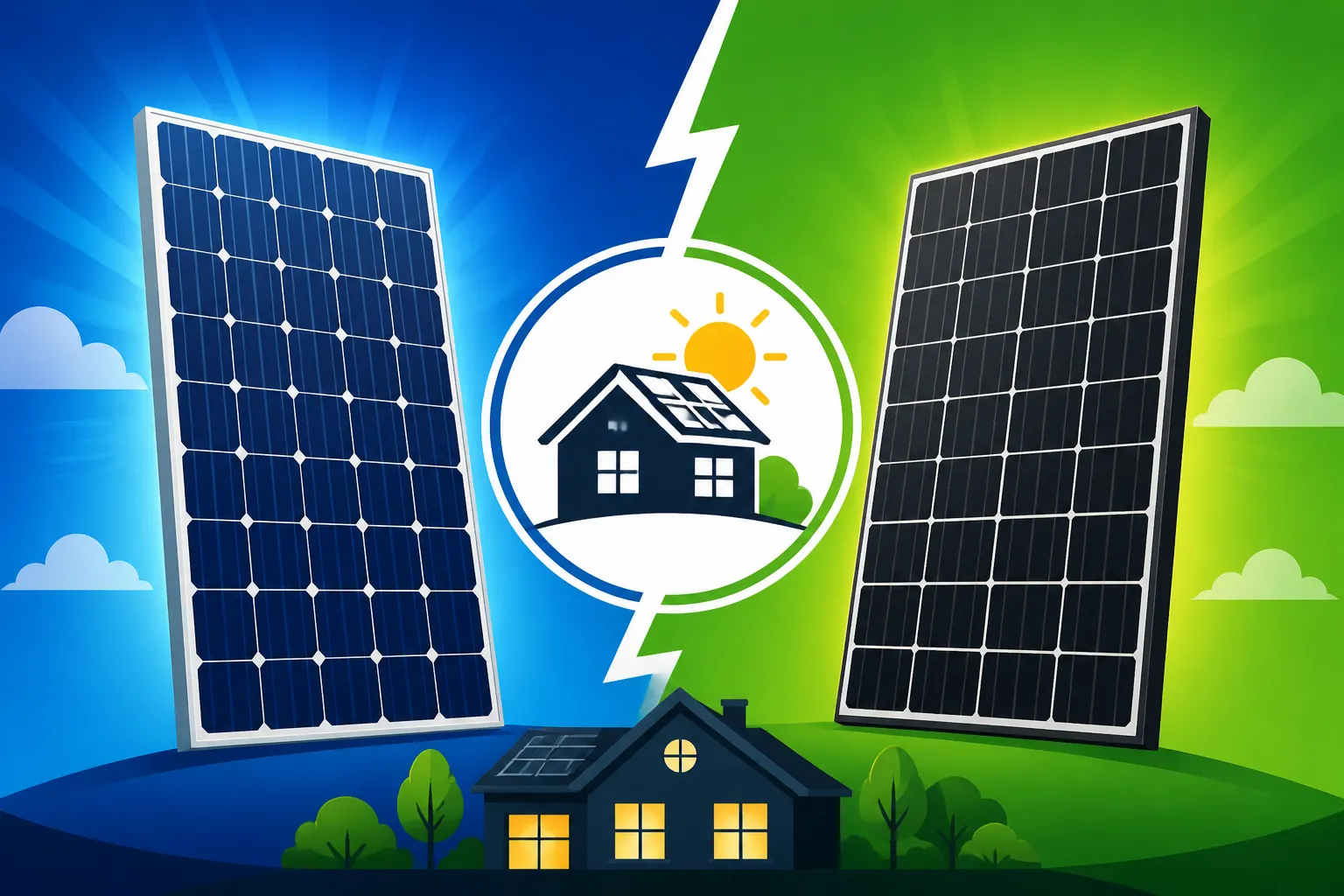
Qcells vs Jinko Solar Solar Panels
Choosing the right solar panels for your home can feel like trying to solve a complex puzzle, especially when you’re sifting through all the technical jargon and competing claims from various manufacturers. It's totally understandable to feel overwhelmed, wondering if you're truly making the best long-term investment for your hard-earned money and your family's energy needs. This comprehensive guide is here to break down two of the most popular and respected solar panel brands in the market, Qcells and Jinko Solar, helping you understand their core differences so you can make an informed decision with confidence.
Deciphering the Qcells Advantage
Qcells, often recognized by its former name Hanwha Qcells, has carved out a significant niche in the global solar market, particularly here in the United States. Originating in Germany and now largely a South Korean company, Qcells has built a strong reputation for high-quality, reliable solar panels that consistently perform well in diverse climates. Their journey began with a strong focus on research and development, which continues to be a cornerstone of their brand identity. They've invested heavily in advanced cell technologies, aiming to produce panels that not only convert sunlight efficiently but also withstand the test of time and harsh environmental conditions.
A Legacy of Innovation
Qcells has a long-standing history of pushing the boundaries in solar technology. They were among the pioneers in developing PERC (Passivated Emitter Rear Contact) technology, which significantly improved cell efficiency by allowing more sunlight to be absorbed and converted into electricity. This commitment to innovation means that when you look at a Qcells panel, you're often looking at the culmination of years of scientific advancement aimed at maximizing energy yield from your rooftop. Their manufacturing processes are also highly automated and rigorously tested, giving homeowners peace of mind about the consistency and durability of their products. It's not just about making a panel; it's about refining the process to create a superior product.
Beyond PERC, Qcells has continued to evolve its proprietary Q.ANTUM technology, which is an advanced PERC variant. This technology incorporates features like excellent anti-LID (Light Induced Degradation) and anti-LeTID (Light and elevated Temperature Induced Degradation) performance, which are fancy terms for saying their panels are designed to resist common causes of power loss over their lifespan. For a homeowner, this translates directly into more consistent power production year after year. Imagine buying a car and knowing its fuel efficiency won't noticeably drop after a few years – that's the kind of assurance Qcells aims to provide with its long-term performance stability. If you're looking for panels that maintain their output, exploring options like those from Qcells can be beneficial.
Core Technologies and Performance
When we talk about Qcells panels, we're really focusing on their robust cell architecture and how it translates to real-world performance. Their Q.PEAK DUO series, for example, utilizes half-cut cells and multi-busbar technology. Why does this matter to you? Half-cut cells reduce electrical resistance within the panel, which means less energy is lost as heat, leading to higher efficiency. Multi-busbar technology, on the other hand, improves current collection, further enhancing the panel's ability to generate power even under less-than-ideal conditions, like partial shading.
Another critical aspect of Qcells' performance is their excellent temperature coefficient. This refers to how much a solar panel's power output decreases as its temperature rises. In hot climates, like Phoenix, Arizona, where rooftop temperatures can soar, a better (lower) temperature coefficient means your panels will continue to produce closer to their rated capacity even on the hottest days. This is a crucial factor that often gets overlooked in initial comparisons but can significantly impact your long-term savings and energy production, especially if you live somewhere that experiences extreme heat. Understanding Solar Panel Efficiency & Degradation Explained can give you more insights into these metrics.
Warranties and Reliability
Qcells panels typically come with a strong warranty package, which is a huge indicator of a manufacturer's confidence in their product. They usually offer a 25-year product warranty and a 25-year linear performance warranty. The product warranty covers defects in manufacturing or materials, meaning if the panel itself fails prematurely, Qcells will replace it. The performance warranty, however, is where Qcells truly shines. It guarantees that their panels will produce at least a certain percentage of their original power output after 25 years – often around 85% or more.
This dual warranty approach is a significant benefit for homeowners. It means you're protected not just against outright panel failure, but also against the natural degradation of performance over time. Knowing that your investment is protected for a quarter-century offers incredible peace of mind. When comparing solar panels, always dig into the details of the Solar Panel Warranties Explained to understand what's truly covered. This kind of robust warranty support is a testament to Qcells' commitment to reliability and customer satisfaction, making them a consistently top-ranked brand in many "best solar panels" lists.
Unpacking Jinko Solar's Offerings
Jinko Solar is a global powerhouse in the solar industry, consistently ranking among the top manufacturers in terms of shipments worldwide. Based in China, Jinko has achieved its immense scale through a relentless focus on high-volume production, technological innovation, and a broad global presence. They are known for producing a wide range of panels that cater to various market segments, from residential rooftop systems to massive utility-scale solar farms. Their ability to deliver panels at competitive prices while maintaining solid performance has made them a popular choice for installers and homeowners alike.
Global Presence and Production Scale
Jinko Solar's sheer production capacity is staggering. They've been a leading global supplier for years, which means they've perfected the art of manufacturing solar panels at an enormous scale. This scale often translates into cost efficiencies, which can sometimes be passed on to the consumer. Their global footprint also means they have extensive experience with different climates and regulatory environments, influencing their product designs to be versatile and adaptable. Whether you're in a sunny state like California or a more temperate one like New York, Jinko panels are engineered to perform. This wide reach is part of why you might see their panels recommended by a vast network of installers.
Their manufacturing process is highly integrated, meaning they control much of the supply chain, from silicon ingots to finished modules. This level of vertical integration allows them to maintain tighter quality control and drive continuous improvements throughout the production cycle. For homeowners, this means a consistent product standard regardless of where the panels were manufactured. While you might not purchase directly from a manufacturer, your installer often sources panels from these global giants, and Jinko Solar’s massive operational scale ensures a steady supply of cutting-edge solar technology.
Key Technologies and Efficiency
Jinko Solar has been at the forefront of several key advancements in solar cell technology. They've embraced and perfected technologies like N-Type TOPCon (Tunnel Oxide Passivated Contact) cells, which are known for achieving higher efficiencies and better low-light performance compared to traditional P-Type PERC cells. This is a big deal because higher efficiency means you can generate more power from a smaller footprint on your roof, which is particularly beneficial for homes with limited roof space.
Their Tiger Neo series is a prime example of their advanced technology, featuring these N-type TOPCon cells. These panels often boast impressive efficiency ratings, pushing past the 22% mark, and come with a lower degradation rate over their lifespan. Think about how crucial this is in real-world scenarios: on a cloudy morning, or during the shorter days of winter, panels with superior low-light performance will still be capturing more energy, contributing more to your home's electricity needs. These technological jumps are why brands like Jinko continue to be a strong contender in the market, often appearing in discussions about the Best Solar Panels of 2026.
Durability and Warranty Commitments
Jinko Solar stands behind its products with competitive warranties. Typically, you'll find their panels offer a 12-year product warranty and a 25- to 30-year linear power output warranty. The product warranty, covering manufacturing defects, is generally standard across the industry, but the longer performance warranty is a real highlight. For some of their premium N-Type modules, Jinko offers an impressive 30-year performance warranty, guaranteeing higher power output retention (e.g., 87.4% after 30 years) compared to industry averages.
This extended performance warranty, especially on their TOPCon modules, demonstrates a strong belief in the long-term reliability of their technology. It suggests that your investment will continue to pay off for decades, far beyond the initial payback period. When considering your solar investment, the warranty is effectively your long-term insurance policy, so understanding these specifics is paramount. Checking consumer reviews on platforms like Amazon for solar accessories or general product reliability can give you an anecdotal sense of consumer trust, though directly purchasing large-scale solar installations isn't typical through such sites.
Qcells vs Jinko Solar: A Detailed Showdown
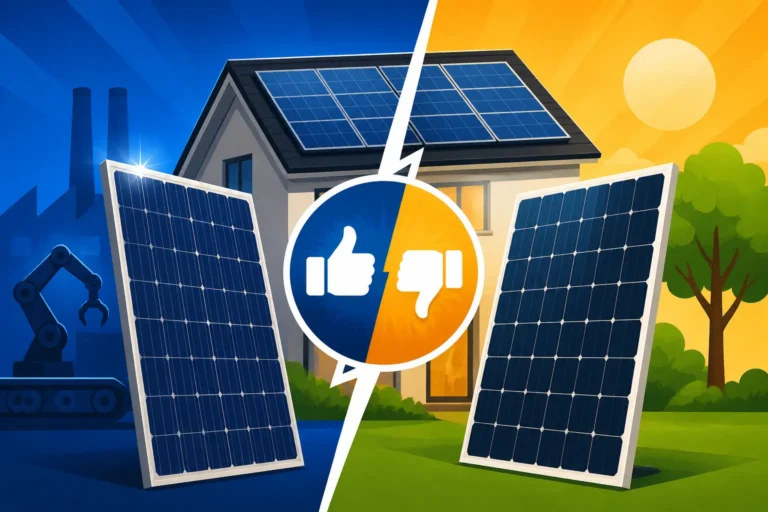
Now that we've had a closer look at each brand individually, let's put them head-to-head. Both Qcells and Jinko Solar are excellent choices, but their strengths and nuances might make one a better fit for your specific situation. This isn't about one being definitively "better" than the other in all cases; it's about finding the right fit for your unique home and energy goals.
Comparing Panel Efficiency and Output
Both Qcells and Jinko Solar offer highly efficient solar panels, but they often achieve this through slightly different technological paths.
- Qcells: Known for its robust P-type PERC and Q.ANTUM DUO technologies, Qcells panels typically achieve efficiencies in the 20-22% range. Their half-cut cell and multi-busbar designs are excellent at minimizing internal resistance and maximizing power collection. For instance, a Q.PEAK DUO G11+ panel might offer 400-415 watts with around 21.5% efficiency.
- Jinko Solar: Jinko has been a major proponent of N-Type TOPCon technology, especially with its Tiger Neo series. These panels often push the envelope, with efficiencies commonly exceeding 22% and some models reaching up to 23.23%. This means that for the same physical footprint on your roof, a Jinko TOPCon panel might produce slightly more power than a Qcells PERC panel.
What this means for you: If you have limited roof space and need to squeeze every last watt out of your system, Jinko's higher-efficiency TOPCon panels might give you an edge. However, for most standard residential installations, the efficiency difference between a high-end Qcells panel and a Jinko panel is often marginal and might not be the sole deciding factor. Factors like total system cost and overall output over the system's lifetime, often calculated using a Solar Panel Cost Calculator How to Estimate, are usually more important.
Performance in Real-World Conditions
Beyond peak efficiency numbers, how panels perform day-to-day in varied conditions is crucial.
- Temperature Coefficient: This is where both brands tend to excel compared to lesser-known manufacturers. Qcells' Q.ANTUM technology and Jinko's N-Type TOPCon cells both offer impressive temperature coefficients, meaning they lose less power when temperatures climb. Jinko's N-Type technology often gives it a slight edge here, as N-Type cells are inherently less susceptible to heat degradation. For homeowners in scorching climates, like those in Arizona or Nevada, this can translate to noticeably higher energy production during peak summer months.
- Low-Light Performance: Both brands perform well in low-light conditions, such as cloudy days or early mornings/late afternoons. Jinko's N-Type TOPCon cells are generally considered to have superior low-light performance due to their material properties, which can make a difference in regions with frequent overcast weather or shorter daylight hours in winter. However, Qcells' advanced cell design still ensures strong performance in these situations.
What this means for you: If you live in a notoriously hot region, Jinko might offer a slight performance advantage. If your area experiences a lot of cloudy days or shorter sun exposure in winter, Jinko's low-light performance could also be a differentiator. However, Qcells remains a very strong performer across a variety of conditions, and often, the quality of your installation and proper system design (e.g., accounting for How Does Roof Shading Affect Solar) can impact real-world performance more than these subtle differences between top-tier brands.
Warranty Protection: What to Expect
Warranties are a critical part of your solar investment.
| Feature | Qcells | Jinko Solar |
|---|---|---|
| Product Warranty | 25 years | 12-15 years (up to 25 for some premium models) |
| Performance Warranty | 25 years (guaranteeing ~85% output) | 25-30 years (guaranteeing ~87.4% output) |
| Degradation Rate | ~0.5% per year | ~0.4% per year (for N-Type TOPCon) |
- Qcells: Offers a consistent 25-year product and performance warranty across most of its residential line. This is truly excellent, providing a uniform and extensive period of coverage for both material defects and long-term power output. This level of product warranty coverage is among the best in the industry.
- Jinko Solar: Its product warranty is typically 12-15 years, which is standard, but some of its newer, premium N-Type modules may offer extended product warranties up to 25 years. Where Jinko truly stands out is its performance warranty, with its N-Type panels often offering a 30-year linear performance guarantee with a lower degradation rate (e.g., 0.4% annual degradation after the first year) compared to Qcells' standard 0.5%.
What this means for you: If a longer product warranty is your top priority for absolute peace of mind against manufacturing defects, Qcells often has a slight edge with its blanket 25-year offering. However, if you're focused on the absolute longest guaranteed performance and minimal power degradation over a very long lifespan, especially with their N-Type panels, Jinko Solar can be incredibly compelling. Both are excellent, but your risk tolerance and long-term expectations might lean you one way or the other. This is a point you should definitely discuss with your installer when comparing quotes.
Cost-Effectiveness and Value
The "cost" of solar panels isn't just the sticker price; it's about the value you get over the entire lifespan of the system.
- Qcells: Generally positioned as a premium-midrange brand, Qcells panels offer an excellent balance of quality, performance, and price. They're often slightly more expensive than entry-level panels but offer superior reliability and warranty protection, making them a fantastic value proposition for many homeowners. They're a favorite among installers who want to provide a reliable product without breaking the bank.
- Jinko Solar: With its immense manufacturing scale, Jinko Solar often offers very competitive pricing. While their latest N-Type TOPCon panels might be priced similarly to Qcells' premium offerings due to their advanced technology, Jinko also has a broader range of products that can cater to different budget points. Their cost-effectiveness often comes from their ability to produce high-quality panels at scale, making advanced technology more accessible.
What this means for you: Both brands offer excellent value. The actual cost per watt for your system will vary based on your installer, location, system size, and even current market conditions. It's crucial to get multiple quotes and compare the full system cost, not just the panel price. Understanding Solar Panel Cost Per Watt Explained will help you assess whether you're getting a good deal. Sometimes, the difference in cost between Qcells and Jinko might be negligible for a full system, or one might be marginally more affordable depending on the specific model and your installer's bulk purchasing agreements.
Which Solar Panel is Right for Your Home?
Deciding between Qcells and Jinko Solar isn't about picking a winner and a loser; it's about aligning the panel's characteristics with your specific needs and priorities. Both are Tier 1 manufacturers with excellent reputations, so you really can't go wrong with either.
Assessing Your Specific Needs
- Roof Space & Efficiency: If your roof has limited space, or you're aiming for maximum power output from a smaller array, Jinko Solar's higher-efficiency N-Type TOPCon panels might be a better choice to maximize generation. For instance, if you have a 1,500 sq ft house with limited viable roof area, maximizing efficiency becomes a top priority.
- Climate Considerations: If you live in a region with extremely high temperatures, Jinko's slightly better temperature coefficient and lower degradation could offer a marginal advantage in long-term energy production. Conversely, both perform admirably in cooler, sunnier climates.
- Warranty Priorities: If a comprehensive, long-term product warranty is your absolute priority, Qcells' 25-year product warranty across its range is incredibly appealing. If you prioritize maximum performance longevity and a super low degradation rate, Jinko's 30-year performance warranty on its N-Type panels might sway you.
- Budget vs. Premium: While both offer great value, if you're working with a tighter budget and your installer offers Jinko's standard panels at a more competitive price, that could be a deciding factor. If you're willing to pay a slight premium for Qcells' consistent 25-year product coverage, that's also a valid choice.
- Aesthetics: Both brands offer sleek, all-black modules that blend well with most rooftops. This is often a subjective preference, but it’s worth noting that neither will stick out negatively. You can often see examples of installations online or even ask your installer for photos.
Ultimately, the choice often comes down to the specifics of the quotes you receive from different installers. A local installer might have a better relationship or bulk discount with one brand over the other, which can impact the final price and make one option more attractive. This is why getting multiple quotes and comparing them thoroughly is absolutely essential. Remember, How Much Do Solar Panels Cost After the Tax Credit Expired and other financial considerations are also major factors in your overall decision-making process.
The Importance of Installer Expertise
No matter which brand you choose, the quality of your solar installation company is arguably just as important as the panels themselves. Even the best solar panels won't perform optimally if they're not installed correctly. A reputable installer will help you:
- Design the Right System: They'll accurately assess your energy needs, roof characteristics, and local sunlight conditions to design a system that maximizes your savings. This includes ensuring proper panel orientation and tilt, like understanding if a Is a South-Facing Roof Best for Solar for your specific location.
- Handle Permitting and Interconnection: The process of getting permits and connecting to the grid can be complex. A good installer navigates this for you, ensuring compliance with all local regulations. Learn more about the intricacies of Solar Permitting & Interconnection PTO Explained.
- Provide Excellent Customer Service: From the initial consultation to post-installation support, a reliable installer will be there to answer questions and address any concerns. This includes helping you understand ongoing Solar Panel Maintenance & Cleaning needs.
When you're gathering quotes, ask your potential installers why they recommend either Qcells or Jinko Solar for your particular home. Listen to their reasoning, look at their track record, and read customer reviews (even checking for reviews of the installer on platforms where people review home services, not just on Amazon for products). A great installer will prioritize your needs and help you confidently choose the system that makes the most sense for you. This often means digging into things like what kind of Solar Installation Labor Cost they include, and what their process is for managing things like Solar Inspection & Permission to Operate PTO.
Disclaimer
The information provided in this guide is intended for general informational purposes only and does not constitute professional advice. Solar technology, incentives, and market conditions are subject to change. Always consult with a qualified solar professional or financial advisor before making any decisions regarding solar panel installation.