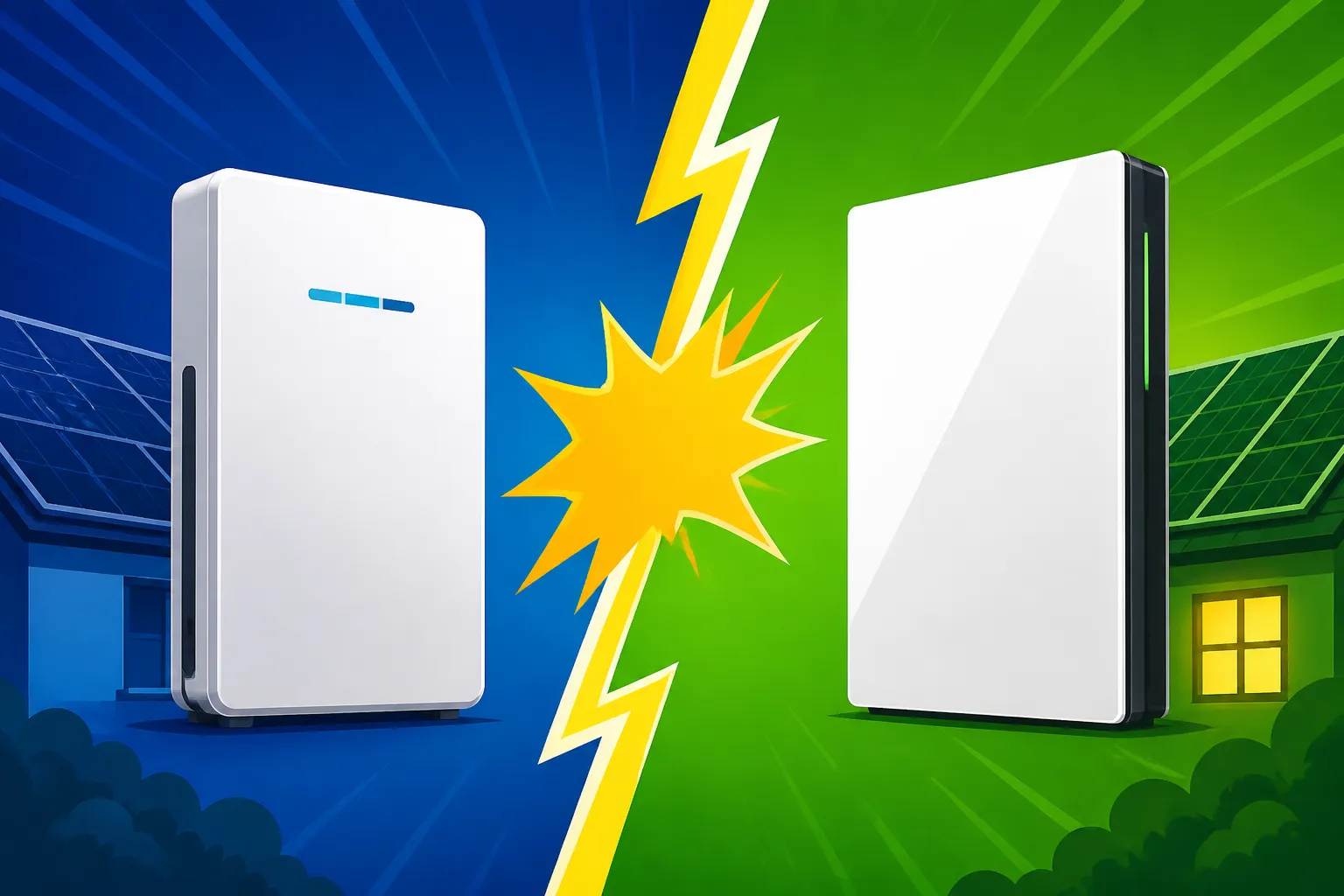
FranklinWH vs Tesla Powerwall 3 Solar Battery
Feeling overwhelmed by the sheer number of solar battery options available today? You're definitely not alone. It's tough to cut through the marketing jargon and figure out which system truly aligns with your home's energy needs and your personal priorities. This comprehensive guide is here to untangle the complexities, offering a realistic, in-depth comparison of two of the most popular and powerful contenders on the market: the FranklinWH aPower battery and the Tesla Powerwall 3.
Understanding Home Solar Batteries
The decision to go solar often leads to the next big question: should I add a battery? In today's energy landscape, where power outages seem more frequent and electricity rates continue their climb, solar batteries are becoming less of a luxury and more of a practical necessity for many homeowners. They're changing the game, turning your solar panels from just a daytime power source into a reliable, 24/7 energy solution.
Why Solar Batteries Are Essential Especially Now
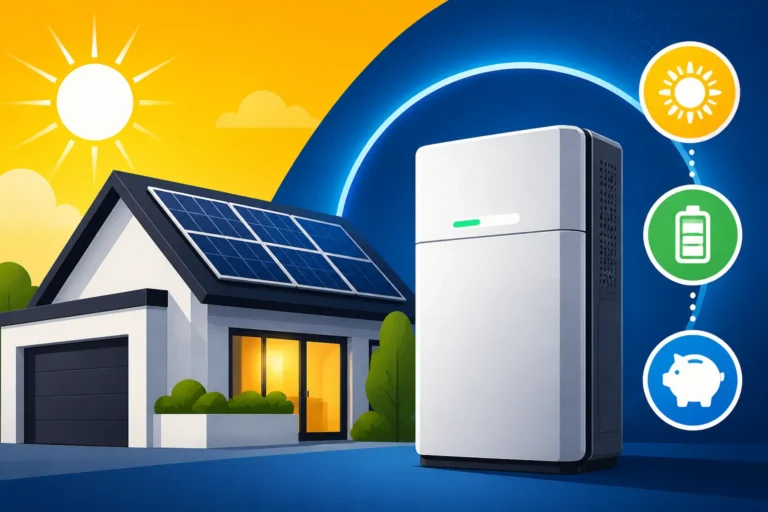
Gone are the days when a solar system meant you were just trading grid electricity for solar during daylight hours, pushing excess back to the utility, and still being beholden to the grid when the sun went down or the power went out. Now, with the grid facing increasing strain from extreme weather events and an aging infrastructure, the peace of mind that comes from having your own energy storage is invaluable. Batteries allow you to capture that abundant midday solar energy and store it for use in the evening, through the night, or during an unexpected blackout. This is especially critical in states where net metering policies are changing, like California's NEM 3.0, which has reduced the value of exporting excess solar energy back to the grid. In such scenarios, storing your own power makes more financial sense than ever. They can significantly enhance your Solar ROI & 25-Year Savings Breakdown.
Moreover, the financial benefits extend beyond just avoiding peak-time electricity rates. Many areas offer incentives for homeowners who install batteries, recognizing their contribution to grid stability. These incentives, coupled with the ability to self-consume more of your own solar generation, mean a faster payback period for your entire solar investment. Batteries effectively turn your home into its own mini-utility, giving you greater control and energy independence, rather than just being a passive consumer.
Key Considerations When Choosing a Battery
Selecting the right solar battery isn't a one-size-fits-all situation. It requires a careful evaluation of several factors that will directly impact your system's performance, cost, and overall satisfaction. Think about your family's daily energy consumption, how long you typically experience power outages, and your future energy goals. Are you planning to add an electric vehicle or another major appliance soon? These details matter.
First, capacity (measured in kilowatt-hours, or kWh) dictates how much energy the battery can store. A larger home with higher energy demands or a desire for extended backup during outages will naturally need more capacity. Then there's power output (measured in kilowatts, or kW), which tells you how much electricity the battery can deliver at any given moment. High-power appliances like air conditioners or well pumps require a battery with a strong surge capacity. Another crucial factor is the cycle life, which refers to how many times the battery can be charged and discharged before its performance significantly degrades. A higher cycle life generally means a longer-lasting battery. The warranty is your safety net, covering the battery's performance and components over a specified period, often 10 years or more. It's vital to read the fine print on these, as they often include clauses about minimum retained capacity. Finally, consider integration. How seamlessly does the battery work with your existing or planned solar inverter? Some systems are designed to be an all-in-one solution, while others offer more flexibility. If you're wondering if a battery is truly for you, explore questions like Do I Need a Battery With Solar? to help clarify your needs.
FranklinWH aPower Battery: A Deep Dive
The FranklinWH aPower battery system has quickly carved out a niche for itself, appealing to homeowners who prioritize comprehensive energy management, flexibility, and a truly integrated smart home experience. It's not just a battery; it's a holistic energy solution designed to put you firmly in control of your home's power.
Unique Features and Ecosystem
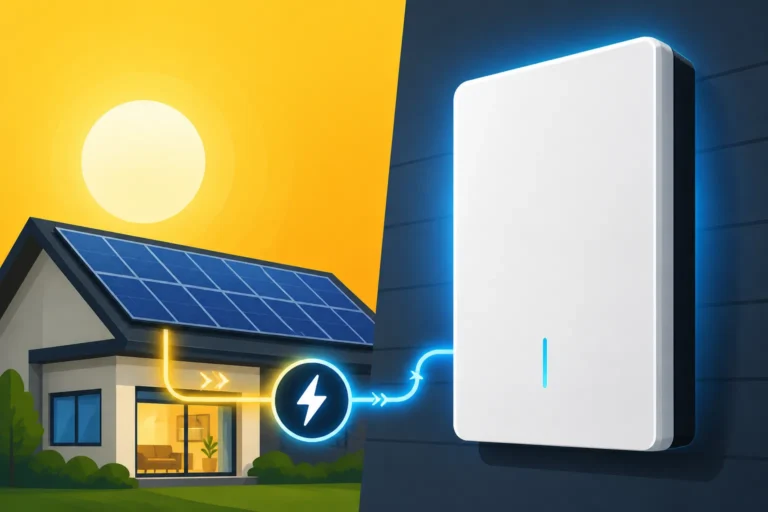
What really sets the FranklinWH apart is its "Whole Home Energy Management System." At its core, you have the aPower battery, which is a powerful, modular lithium iron phosphate (LFP) battery. But the real brains of the operation lie in the aGate — a sophisticated energy management controller that integrates your solar panels, the grid, and your home loads. This aGate monitors and manages power flow throughout your entire home, not just the critical loads you might typically back up. This means it can intelligently decide whether to charge the battery, send power to your home, or draw from the grid based on your preferences, electricity rates, and solar production. This level of granular control is a significant advantage, allowing for optimal energy usage and cost savings.
The modular design of the aPower battery is another standout feature. Each aPower unit offers 13.6 kWh of usable energy storage and can deliver 5 kW of continuous power. Homeowners can stack multiple units, up to 15 in total, to achieve an impressive 204 kWh of storage capacity and 75 kW of power. This scalability means the system can grow with your needs, from basic backup for essential circuits to powering an entire mansion for days off-grid. The LFP chemistry used in FranklinWH batteries is also notable for its enhanced safety, longer cycle life, and better thermal stability compared to other battery chemistries. The system even integrates seamlessly with various smart home devices, allowing for advanced automation and remote monitoring via a user-friendly app, available on platforms like those found on Amazon.
Ideal Use Cases for FranklinWH
The FranklinWH aPower system is particularly well-suited for homeowners who are looking for more than just a simple backup battery. If you live in an area prone to frequent or extended power outages, the substantial storage capacity and scalability make it an excellent choice for true energy resilience. Imagine being able to power your entire home – including your air conditioning, oven, and even a well pump – for days, without skipping a beat. This comprehensive backup capability is a major draw for those seeking maximum peace of mind.
Furthermore, if you're keen on maximizing your solar investment by intelligently managing your energy consumption, the FranklinWH system's advanced energy management capabilities are a huge plus. For instance, in regions with time-of-use (TOU) electricity rates, the aGate can be programmed to automatically charge your battery when electricity is cheap (e.g., from solar or off-peak grid power) and then discharge it during expensive peak hours, effectively reducing your electricity bill. This "self-consumption" optimization is increasingly valuable as Net Metering Explained: How It Works by State policies evolve. It's also a great fit for tech-savvy homeowners who appreciate a high level of control and integration with other smart home technologies.
Tesla Powerwall 3: What's New and Noteworthy
Tesla, a name synonymous with innovation in electric vehicles and clean energy, has continuously refined its solar battery offerings. The Powerwall has been a dominant player in the market, and the introduction of the Powerwall 3 brings significant updates that aim to solidify its position as a leading choice for residential energy storage.
Key Advancements and Integrated Inverter
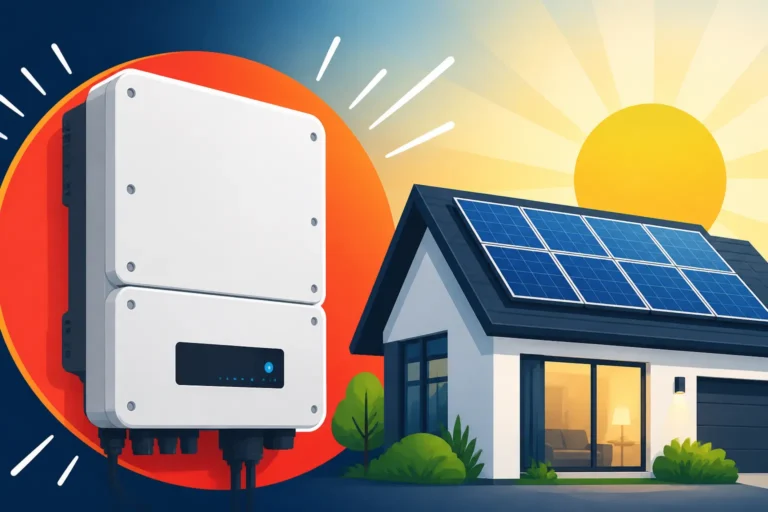
The Tesla Powerwall 3 builds upon the success of its predecessors, offering a sleeker design, improved performance, and a crucial integrated feature: an inverter. Unlike previous versions where a separate solar inverter was required, the Powerwall 3 comes with an AC/DC hybrid inverter built right into the unit. This means your solar panels connect directly to the Powerwall 3, simplifying the installation process, reducing the amount of equipment needed, and potentially increasing overall system efficiency by minimizing conversion losses. This streamlined approach can also lead to a cleaner aesthetic on your home.
Each Powerwall 3 unit boasts 13.5 kWh of usable capacity and can deliver 11.5 kW of continuous power. This is a substantial jump in power output compared to earlier models and even many competitors, meaning it can more easily handle high-demand appliances during a power outage. Like previous Powerwalls, it's designed to be stackable, allowing homeowners to link multiple units to expand their storage and power capabilities. The Powerwall 3 also integrates seamlessly with the existing Tesla ecosystem, including Tesla solar panels and the Tesla app, which provides intuitive monitoring and control. For a deeper dive, consider reading a dedicated Tesla Powerwall 3 Review.
Ideal Use Cases for Tesla Powerwall 3
The Tesla Powerwall 3 is an ideal solution for homeowners who are looking for a powerful, all-in-one energy storage system with a simplified installation. If you're either starting fresh with a new solar installation or looking to add a battery to an existing system, the integrated inverter can make the process much smoother and potentially more cost-effective. The high power output of the Powerwall 3 is particularly beneficial for homes with significant peak electrical loads. For instance, if you regularly run multiple large appliances simultaneously, or if you have specific critical loads like an electric vehicle charger that you want to power during an outage, the 11.5 kW continuous output is a major advantage.
Furthermore, if you are already invested in the Tesla ecosystem – perhaps you own a Tesla vehicle or have Tesla solar panels – the Powerwall 3 offers a cohesive and familiar user experience through the well-regarded Tesla app. This integration provides a unified platform for monitoring and managing all your Tesla energy products. Its sleek, compact design also appeals to homeowners who prioritize aesthetics and want a discrete energy storage solution that doesn't detract from their home's exterior.
Head-to-Head Comparison: FranklinWH vs. Tesla Powerwall 3
When you're comparing two top-tier solar batteries like the FranklinWH aPower and the Tesla Powerwall 3, it's important to look beyond just the basic specs. Each system offers unique advantages that cater to different homeowner needs and preferences. Let's break down how they stack up against each other in critical areas.
Capacity, Power, and Scalability
Both batteries offer competitive storage capacities per unit. The FranklinWH aPower battery provides 13.6 kWh of usable capacity and 5 kW of continuous power per unit. The Tesla Powerwall 3, on the other hand, comes in with 13.5 kWh of usable capacity and an impressive 11.5 kW of continuous power per unit.
What does this mean for you? While their storage capacities are nearly identical, the Powerwall 3 significantly outperforms the FranklinWH in terms of power output from a single unit. This higher power output means a single Powerwall 3 can more easily handle starting and running multiple high-draw appliances simultaneously during a backup event, like an air conditioner, electric dryer, or well pump. If your home has many demanding appliances or you anticipate needing to run them all during an outage, the Powerwall 3 offers more immediate power punch.
However, the FranklinWH system's scalability is incredibly robust, allowing up to 15 units for a massive 204 kWh of storage and 75 kW of power. While the Powerwall 3 also scales, its integrated inverter might make extensive scaling slightly more complex in some scenarios, though multiple Powerwall 3 units can certainly be linked for substantial power and capacity. For example, if you wanted to reach 20 kW of power, you'd need four FranklinWH units, but only two Powerwall 3 units. This distinction is crucial for homes with very specific high-power demands or ambitious off-grid aspirations.
Integration and Smart Home Capabilities
This is where the two systems truly differentiate themselves. The Tesla Powerwall 3, with its integrated hybrid inverter, offers a highly streamlined, all-in-one solution. This direct connection of solar panels to the Powerwall simplifies the overall system architecture, making it a plug-and-play solution, especially appealing for new solar installations or those fully embracing the Tesla energy ecosystem. The Tesla app provides an intuitive and robust platform for monitoring energy flow, setting preferences, and managing your system.
The FranklinWH, with its aGate energy management controller, takes a more comprehensive, whole-home approach. The aGate acts as a central hub, orchestrating power flow from your solar, battery, and the grid to all circuits in your home. This allows for incredibly sophisticated load management and optimization, letting you prioritize specific appliances or circuits during an outage or manage energy usage to take advantage of favorable electricity rates. Its open architecture is also designed to be more compatible with various solar inverters and potentially integrate with a wider range of smart home systems beyond a single brand. This flexibility is a significant advantage if you already have specific solar equipment or smart home devices that you want to integrate.
Installation and Aesthetics
Installation convenience and visual impact are practical considerations for any homeowner. The Tesla Powerwall 3's integrated inverter often means a simpler, faster installation since you're dealing with fewer separate components. Its sleek, minimalist design is well-known, allowing it to blend relatively discreetly into a garage or exterior wall. It typically mounts vertically, which can save floor space.
The FranklinWH aPower battery units are also designed for a clean installation, but the separate aGate controller adds another component to the system. While the individual aPower battery units are compact, the overall footprint might be slightly larger depending on how the aGate and batteries are configured. However, its modular nature can offer flexibility in placement, allowing installers to spread components if necessary. Both systems require professional installation, of course, and the specific mounting requirements will depend on your home's layout and local codes. For an idea of installation considerations, you might look into How Solar Panels Are Installed? Step by Step.
Warranty and Longevity
Both FranklinWH and Tesla offer a 10-year warranty on their battery systems. However, the details within those warranties can vary. Tesla's Powerwall warranty typically guarantees a certain percentage of original capacity (often 70-80%) remaining at the end of the 10-year period, or a certain number of cycles, whichever comes first. FranklinWH also offers a similar 10-year warranty, guaranteeing performance and capacity.
Battery chemistry plays a role here too. Both companies utilize lithium-ion technology, but FranklinWH specifically uses Lithium Iron Phosphate (LFP) chemistry. LFP batteries are known for their enhanced safety, longer cycle life, and better thermal stability, which can potentially translate to greater longevity and peace of mind over the long term. While actual longevity can vary based on usage and environmental factors, a robust warranty provides an important assurance for your investment. It's always a good idea to compare these documents directly with your installer to fully understand the terms.
Comparison Table
To help summarize the key differences, here's a quick look at how the FranklinWH aPower and Tesla Powerwall 3 stack up:
| Feature | FranklinWH aPower Battery System | Tesla Powerwall 3 |
|---|---|---|
| Usable Capacity (per unit) | 13.6 kWh | 13.5 kWh |
| Continuous Power (per unit) | 5 kW | 11.5 kW |
| Integrated Inverter | No (separate aGate controller) | Yes (hybrid inverter built-in) |
| Battery Chemistry | Lithium Iron Phosphate (LFP) | Lithium-ion |
| System Approach | Whole-home energy management (aGate) | Streamlined solar + storage |
| Max Scalability | Up to 15 units (204 kWh, 75 kW) | Multiple units (stackable) |
| Warranty (typical) | 10 years, performance guarantee | 10 years, minimum capacity guarantee |
| Ideal For | Whole-home backup, advanced energy management, existing solar, multi-brand integration | New solar + storage, high-power needs, Tesla ecosystem users, simplified installation |
Deciding Which Battery is Right for Your Home
Choosing between the FranklinWH aPower and the Tesla Powerwall 3 truly boils down to your specific circumstances, priorities, and what you envision for your home's energy future. Both are excellent choices, but they cater to slightly different needs. It's not about which one is inherently "better," but which one is better for you.
Assessing Your Energy Needs and Priorities
Before you even start looking at brochures, take an honest look at your current electricity usage. How much power do you consume on an average day? What about during peak hours or during potential outages? Are you looking to back up your entire home, or just critical loads like your refrigerator, lights, and a few outlets? If you consistently use high-draw appliances, especially during a blackout, the higher continuous power output of the Tesla Powerwall 3 from a single unit might be very appealing. On the other hand, if your goal is ultimate control over every watt in your home, with granular management and diverse component integration, the FranklinWH aGate system's intelligence might be a better match.
Consider your existing solar setup as well. If you're building a brand new solar system from scratch, the Powerwall 3's integrated inverter offers a simple, elegant solution. If you already have solar panels and a functioning inverter, the FranklinWH's flexibility in integrating with various existing equipment could be a big advantage. Also, think about future expansion. Do you foresee needing more storage down the line for an EV or other large energy loads? Both systems are scalable, but their approaches differ. Many homeowners find it helpful to determine What Size Solar Battery Do I Need? before making any decisions.
Consulting with Solar Professionals
This is perhaps the most crucial step. While online research and guides like this are incredibly valuable, nothing beats personalized advice from experienced solar professionals. These experts can perform a detailed energy audit of your home, assess your roof's suitability, and design a system that perfectly matches your energy profile. They can also provide accurate pricing, factoring in all equipment, installation costs, permits, and any available local or state incentives.
Don't settle for just one quote! It's highly recommended to get proposals from at least three different reputable installers in your area. This allows you to compare not only the price but also the proposed system design, the brands they offer, their warranty terms, and their customer service reputation. An installer might specialize in one system over the other or have better experience with certain integrations. Ask them detailed questions about the long-term support they offer and what the Solar Panel Warranties Explained means for your specific battery system. A good installer will walk you through the pros and cons of both FranklinWH and Tesla Powerwall 3 for your unique situation, helping you make a truly informed decision that you'll be happy with for years to come.
Disclaimer
Please remember that the information provided in this guide is for general informational purposes only and does not constitute professional advice. Specific system recommendations, costs, incentives, and performance can vary significantly based on your location, home characteristics, energy usage, and local regulations. Always consult with certified solar professionals and financial advisors before making any decisions related to solar energy systems or investments.