Tesla Inverter Review
It’s understandable to feel a bit overwhelmed when you start looking into solar energy for your home. There are so many brands, technologies, and system configurations out there, and one name that always seems to pop up is Tesla. While many people think of Tesla for their electric vehicles, their presence in the home solar market, particularly with their integrated systems featuring proprietary inverters, is significant. This guide aims to demystify the Tesla inverter, offering a comprehensive review to help you understand its unique place in the solar landscape and whether it's the right fit for your sustainable home energy goals.
Understanding Tesla's Integrated Solar Ecosystem
When you hear "Tesla Solar," it's not just about a single component; it's about an entire, cohesive energy solution for your home. Unlike many traditional solar setups where components from various manufacturers might be mixed and matched by an installer, Tesla designs its solar inverter to be a central, integrated piece of a much larger puzzle. This approach is a core philosophy for Tesla, extending from their electric vehicles to their home energy products.
The Tesla Solar Inverter's Role in the System
At its heart, a solar inverter is a crucial piece of equipment that takes the direct current (DC) electricity generated by your solar panels and converts it into alternating current (AC) electricity, which is what your home appliances use and what the grid understands. Without an inverter, your solar panels are essentially just pretty glass panels on your roof, not actually powering anything inside your walls. The Tesla solar inverter performs this essential function with a clear purpose: to work in absolute harmony with other Tesla components.
This means the Tesla inverter isn't typically a standalone product you'd buy to pair with any random solar panels or battery. It's purpose-built to integrate seamlessly with Tesla solar panels and, perhaps most notably, the Tesla Powerwall battery storage system. This tight integration is a significant differentiator. It allows for a holistic approach to energy management, where power generation, storage, and consumption are all optimized and managed from a single platform. For homeowners interested in a complete, unified system, this can be a huge advantage, simplifying installation and ongoing management. If you're looking into adding energy storage, understanding how a system like this works is key, as explored in articles like Do I Need a Battery With Solar?.
Evolution of Tesla's Inverter Offerings
Tesla's journey in the solar market has seen a continuous refinement of its products, always with that overarching goal of integration. Their inverter technology has evolved alongside their solar panel and Powerwall battery developments, ensuring that new iterations offer improved efficiency, enhanced communication capabilities, and a more robust user experience. Early versions might have faced some growing pains, as is common with cutting-edge technology, but Tesla has consistently worked to enhance the reliability and performance of its inverters.
Their current inverter models are a testament to this evolution, designed not just for basic DC-to-AC conversion but for sophisticated energy management. This consistent development demonstrates Tesla's commitment to providing a complete home energy ecosystem, rather than just isolated products. The focus is always on improving how the entire system communicates and operates, from the moment sunlight hits your panels to the second that energy powers your evening lights or charges your Powerwall, preparing for whatever the grid might throw at it.
Key Features and Specifications of the Tesla Solar Inverter
When you consider a Tesla solar inverter, you're looking at a piece of equipment that blends form and function, embodying Tesla's signature design aesthetic and technological prowess. It’s more than just a metal box; it’s an integral component designed to be both powerful and user-friendly within its specific ecosystem.
Design and Technology Highlights
One of the first things you might notice about a Tesla solar inverter, much like their other products, is its sleek, minimalist design. These inverters are typically wall-mounted and have a clean, unobtrusive appearance, often blending well with modern home exteriors. This is a deliberate choice, aligning with Tesla's brand philosophy of making advanced technology aesthetically pleasing. But beneath that polished exterior is robust engineering. These inverters are built to withstand outdoor conditions, with appropriate IP ratings to ensure durability against various elements, from rain to dust, and are engineered to operate effectively across a broad temperature range.
From a technological standpoint, Tesla's inverters are known for their efficiency. While specific numbers can vary by model and generation, they generally boast high efficiency ratings, often listed on platforms like the California Energy Commission's database, which is a good indicator of their performance in converting solar energy. While Tesla primarily uses string inverters, they are optimized to work within their integrated setup, often paired with optimizers at the module level (like SolarEdge Power Optimizers) or having built-in functionality to maximize individual panel performance. This combination ensures that even if one panel is partially shaded or underperforming, it doesn't drag down the output of the entire system. Understanding inverter types can be helpful, and you can learn more about them in Solar Inverters: String vs Microinverter vs Optimizer.
Seamless Integration with Powerwall and the Tesla App
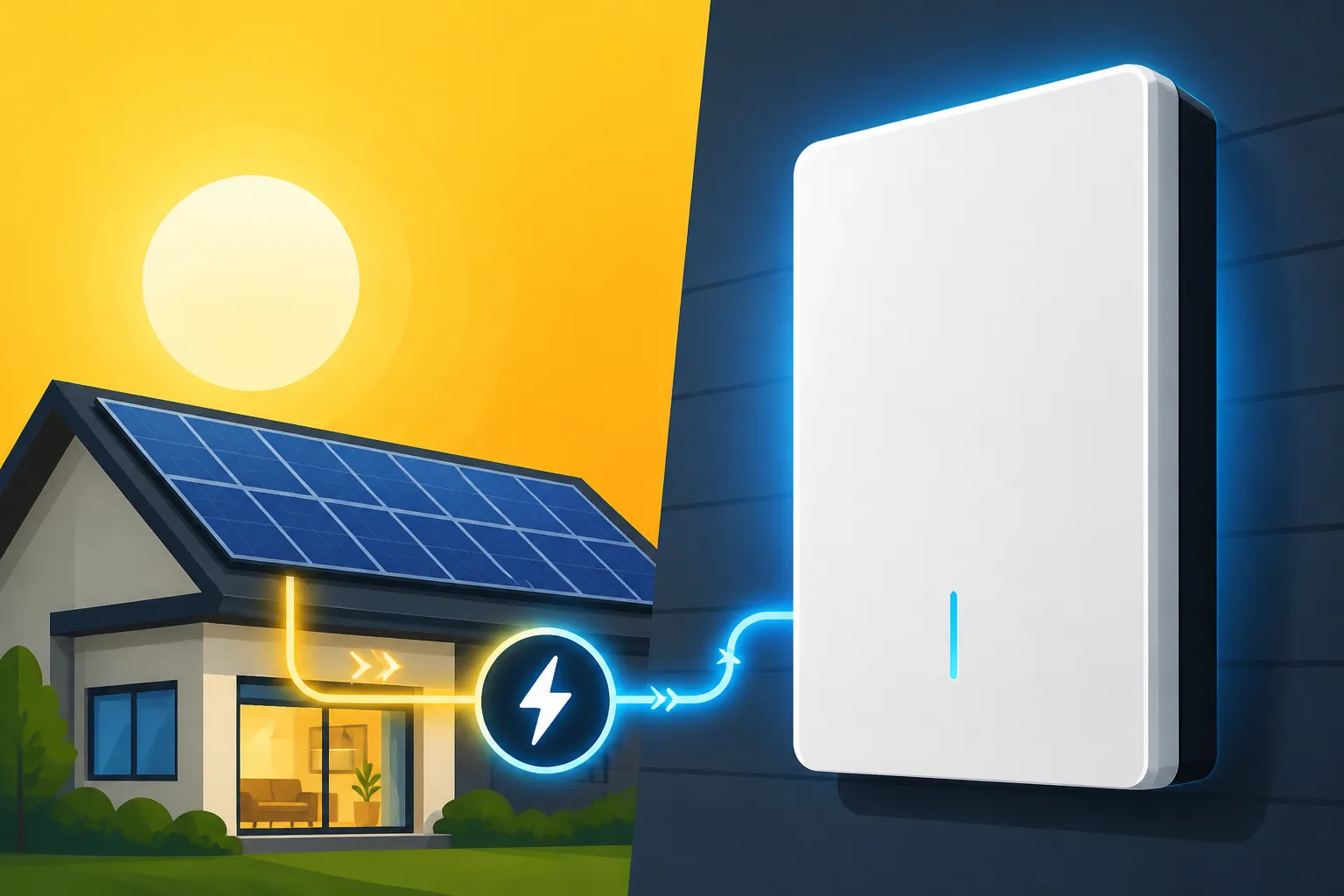
Here's where the Tesla inverter truly shines and differentiates itself: its unparalleled integration with the Tesla Powerwall and the intuitive Tesla mobile app. This isn't just about having separate components that happen to work together; it's about a deeply intertwined system that offers a truly unified energy management experience. The inverter acts as the brain of your solar production, constantly communicating with the Powerwall to decide whether to send excess solar energy to the battery for storage, to power your home directly, or to export it back to the grid.
The real magic for many homeowners comes through the Tesla app. This app gives you real-time visibility and control over your entire home energy system. You can monitor how much electricity your solar panels are generating, how much your home is consuming, and the current charge level of your Powerwall. More importantly, you can manage your energy flow, prioritizing self-consumption, optimizing for time-of-use rates, or ensuring your battery is charged for potential power outages. This level of granular control and insight into your energy usage is a major selling point and a significant advantage of Tesla’s integrated approach. It provides a complete overview, helping homeowners maximize their savings and energy independence. This kind of robust monitoring is crucial for understanding your solar investment over time, as explored in articles like How Much Can You Save With Solar Panels?.
Performance, Reliability, and Warranty
Investing in solar means looking beyond just the upfront cost; it's about long-term performance and peace of mind. With a Tesla inverter, these aspects are closely tied to the entire Tesla ecosystem, offering a unique blend of benefits and considerations.
Real-World Performance Expectations
When you install a Tesla solar system, the performance of the inverter is intrinsically linked to the overall efficiency and effectiveness of the entire setup. Because the inverter is designed to work hand-in-glove with Tesla's solar panels and Powerwall batteries, you can generally expect a well-optimized system that maximizes energy harvest and utilization. This means consistent power output, efficiently converting DC to AC, and smartly routing energy where it's most needed—whether to your home, your battery, or back to the grid.
Tesla systems are built with resilience in mind. The inverters, along with the panels, are designed to perform reliably in a variety of environmental conditions, from hot California summers to cooler, cloudier days. While no solar system operates at peak efficiency 24/7, a well-designed Tesla system with its integrated inverter aims to deliver consistent production tailored to your specific energy needs. The constant communication between the inverter and the Powerwall also helps ensure that any surplus energy is stored efficiently, reducing reliance on the grid and enhancing your energy independence, which is a major draw for many homeowners considering a Tesla Powerwall 3 Review.
Warranty and Support Considerations
When it comes to warranties, the Tesla solar inverter typically comes with a solid guarantee, often aligning with industry standards for quality inverter components. For instance, the Tesla solar inverter usually carries a 12.5-year warranty, which covers defects in materials and workmanship. This warranty period provides a substantial level of protection and confidence in your investment. It's always a good idea to confirm the exact warranty terms with your specific Tesla system proposal, as details can sometimes vary.
Beyond the hardware warranty, considering Tesla's customer service and support model is important. Because the system is integrated, Tesla aims to be a single point of contact for any issues across your solar panels, inverter, and Powerwall. This can simplify troubleshooting and maintenance, as you don't have to navigate between different manufacturers for different components. However, some homeowners have noted that Tesla's direct-to-consumer model means service might differ from what you'd experience with a local, independent installer who works with various brands. While Tesla strives for comprehensive support, understanding their service infrastructure in your specific area is always a prudent step before committing to an installation. For general insights into solar component protection, you might find Solar Panel Warranties Explained useful.
Pros and Cons of Choosing a Tesla Inverter System
Deciding whether a Tesla solar inverter, as part of a larger Tesla ecosystem, is right for your home comes down to weighing its distinct advantages against its potential drawbacks. Like any significant home improvement, it’s not a one-size-fits-all solution.
Advantages for the Tesla Ecosystem Enthusiast
For those who appreciate streamlined design, cutting-edge technology, and integrated solutions, a Tesla inverter within a full Tesla solar system offers compelling benefits. The most significant advantage is the seamless integration across all components: solar panels, inverter, Powerwall battery, and the intuitive Tesla app. This means a single, unified system that's designed to work perfectly together, often leading to a smoother installation process and optimized overall performance. Imagine a system where your solar panels, battery, and inverter "talk" to each other constantly, making real-time decisions to maximize your energy savings and provide backup power.
Another major pro is the centralized monitoring and control through the Tesla app. This user-friendly interface allows homeowners to track energy production, consumption, and battery status with remarkable ease, offering an unparalleled level of insight into your home's energy dynamics. This level of detailed data can empower you to make smarter energy choices. Furthermore, for homeowners already invested in other Tesla products like their electric vehicles, the brand consistency and familiar user experience can be a huge draw. It's about building a holistic, smart home energy hub that feels cohesive and future-proof. This can be especially appealing if you're looking for a comprehensive solution for your home, aligning with the concept of a smart home or even considering what future upgrades you might want, such as adding solar batteries, which are discussed in detail in Best Solar Batteries of 2026.
Potential Drawbacks and Considerations
While the integrated nature is a huge plus for some, it can also be a significant drawback for others. The primary consideration is the "lock-in" factor. Tesla's inverter is proprietary and designed specifically for their ecosystem. This means if you already have solar panels from another manufacturer, or if you prefer a different brand of battery, integrating a Tesla inverter might not be feasible or cost-effective. You're essentially committing to the Tesla brand for your entire solar and storage solution, limiting your flexibility to mix and match components or potentially use a different installer for parts of your system.
Another point to consider is the cost structure. While the total cost of a Tesla solar system can be competitive, especially when factoring in incentives, the upfront investment for a fully integrated system (panels, inverter, Powerwall) can be substantial. For those on a tighter budget, exploring systems that allow for more component flexibility might offer more diverse pricing options. Also, while Tesla aims for excellent direct customer service, some homeowners might prefer the personalized, local support offered by independent solar installers who service a variety of brands and might be more readily available for quick, localized troubleshooting. The decision often comes down to prioritizing integration and brand loyalty versus flexibility and potentially a wider range of pricing and service options. For a broader look at market choices, reviewing Best Solar Panels of 2026 could be beneficial.
Here's a quick look at the pros and cons of the Tesla Inverter within its ecosystem:
| Feature | Pros | Cons |
|---|---|---|
| Integration | Seamlessly works with Tesla panels & Powerwall; single ecosystem | Proprietary, limits mixing components from other brands |
| Monitoring & Control | Advanced, user-friendly Tesla app for real-time insights | Tied to Tesla app; less flexibility with third-party monitoring tools |
| Design & Aesthetics | Sleek, minimalist design; blends well with modern homes | Design focus may sometimes prioritize form over specific feature needs |
| Performance | Optimized for efficiency within Tesla's integrated system | Performance tied to entire Tesla system, less modular optimization |
| Warranty & Support | Unified warranty and support from Tesla for the whole system | Direct-to-consumer support model may vary from local installer access |
| Flexibility / Customization | Streamlined installation and setup | Limited options for customization or component upgrades outside Tesla |
| Cost | Can be competitive for a fully integrated, premium system | Higher upfront cost if not leveraging specific incentives for the full system |
Ultimately, choosing a Tesla inverter means choosing the full Tesla solar experience. If you value a cohesive, technologically advanced, and aesthetically pleasing home energy solution from a single, well-known brand, and you're comfortable with the "lock-in" aspect, then the Tesla inverter and its ecosystem could be an excellent fit for your home. However, if flexibility, component choice, or working with a local multi-brand installer are higher priorities, exploring other inverter options might be more suitable for your needs, especially when considering variables that affect How Many Solar Panels Do I Need for My Home? or Solar Panel Cost Per Watt Explained.
Understanding the Integrated System's Practicalities
Beyond the technical specifications and features, the practical implications of owning a Tesla solar system with its integrated inverter are crucial for homeowners. This includes everything from the installation process to how it performs during various grid scenarios.
Installation Process and Permitting
The installation of a Tesla solar system, including its inverter, is typically a comprehensive process managed directly by Tesla or one of their certified partners. This can be a benefit, as they handle the entire project end-to-end, from design and permitting to installation and final interconnection. This 'one-stop shop' approach means you won't be coordinating between separate panel installers, inverter technicians, and battery specialists. Instead, Tesla aims to streamline the entire journey.
However, the timeline can vary. While the physical installation itself might be relatively quick (often just a few days), the entire process, including initial site surveys, system design, navigating local permits, and securing utility interconnection, can take several weeks or even months depending on your location and local regulations. It's always wise to set realistic expectations for the full Solar Installation Timeline: What to Expect process. Tesla's approach typically involves a thorough assessment of your roof's condition and shading, ensuring optimal placement for their panels and the inverter.
Performance During Power Outages and Grid Interactions
One of the most compelling reasons many homeowners consider a Tesla system is its robust performance during power outages, thanks to the seamless integration of the inverter with the Powerwall battery. When the grid goes down, the Tesla inverter, in conjunction with the Powerwall, automatically disconnects your home from the utility grid and begins powering your essential circuits using the stored energy in your battery. This transition is often so quick you might not even notice the lights flicker.
For homeowners in areas prone to outages, this capability provides invaluable peace of mind. Without a battery, your solar panels would shut down during an outage for safety reasons (to prevent backfeeding the grid during repairs). The Tesla inverter's design allows it to intelligently manage power flow during both grid-connected and off-grid scenarios, prioritizing your home's needs and ensuring continuous power supply from your solar array and battery. This makes it a powerful solution for energy independence and backup power, which is a major consideration for many homeowners looking at Are Solar Panels Worth It in 2026?.
Comparing Tesla Inverters to Other Leading Options
While the Tesla inverter is a strong contender within its own integrated ecosystem, it's helpful to understand how it stacks up against other popular inverter technologies and brands in the broader solar market. This helps in making an informed decision, especially if you're not fully committed to an all-Tesla solution.
String Inverters, Microinverters, and Power Optimizers
The solar inverter market generally offers three main types: string inverters, microinverters, and power optimizers (which work with string inverters). Tesla's solar inverter operates as a string inverter, designed to be highly efficient and integrated. String inverters convert DC from multiple panels connected in a "string" to AC. While they are often more cost-effective per watt, they can be less efficient if even one panel in the string is shaded or underperforming.
However, Tesla mitigates this common string inverter drawback by often pairing their panels with module-level power electronics (MLPEs), such as power optimizers, which are typically incorporated directly into their solar panels. These optimizers manage the power output of individual panels, ensuring that the performance of one panel doesn't negatively impact the others. This blend offers the benefits of module-level optimization (similar to microinverters like those from Enphase) with the robust central inverter architecture, striking a balance between efficiency and cost. For a deeper dive into these technologies, check out Enphase vs SolarEdge: Which Inverter Is Better?, which compares two major players in the MLPE space.
Considerations for Standalone vs. Integrated Systems
One of the biggest distinctions when reviewing the Tesla inverter is its role in an integrated system versus a standalone component. Most other leading inverter brands, such as Enphase or SolarEdge, often offer more flexibility. You can typically pair their inverters with various brands of solar panels and batteries. This allows homeowners and installers to customize systems based on specific needs, preferences, or budget constraints. For example, if you find a great deal on high-efficiency panels from Qcells or REC, you can usually pair them with an Enphase microinverter system.
With Tesla, the design philosophy leans heavily towards a complete, brand-consistent system. If you want a Tesla inverter, you're generally getting Tesla solar panels and a Tesla Powerwall. This can simplify the decision-making process for some, as they trust the entire package from a single manufacturer. For others, it limits choice and could be perceived as less adaptable. If you're comparing the overall value proposition, it's not just a "Tesla inverter review" but a "Tesla system review." The true value often lies in the synergy of the components, the unified app experience, and the single point of contact for support, rather than the inverter as an isolated piece of equipment. When looking at options, understanding the different types of solar panels themselves can be useful, as detailed in Monocrystalline vs Polycrystalline Solar Panels.
Maximizing Your Tesla Solar Inverter Investment
Once you've decided on a Tesla solar system, including its integrated inverter, there are steps you can take to ensure you're getting the most out of your investment for years to come. It’s about more than just installation; it’s about ongoing management and maintenance.
Monitoring and Optimizing Performance
The Tesla app is your most powerful tool for maximizing your system's performance. Make it a habit to regularly check your energy production, consumption, and Powerwall charge levels. The app can often highlight unusual drops in production, which might indicate shading issues or other performance hiccups. By understanding your usage patterns, you can adjust settings in the app to optimize for self-consumption, ensuring you use your own generated power before drawing from the grid, which is particularly beneficial under certain net metering or net billing rules like those discussed in What Is NEM 3.0 California Net Billing?.
You can also use the app to proactively manage your Powerwall settings. For instance, if a storm is predicted, you might adjust the backup reserve to ensure your battery is fully charged. Or, if your utility has time-of-use rates, you can program your system to charge the Powerwall during off-peak hours and discharge it during expensive peak hours, further increasing your savings. Regularly engaging with the app's data and settings helps you truly take control of your home's energy future.
Maintenance and Longevity of Your System
One of the great things about modern solar inverters, including Tesla's, is that they require relatively little hands-on maintenance. The inverter is sealed and designed to operate reliably for many years. However, a few general practices can help ensure its longevity and the overall health of your solar system. Keep the area around your inverter clear of debris to allow for proper ventilation, preventing overheating. While the inverter is built for outdoor conditions, avoiding direct, sustained exposure to extreme elements where possible (e.g., ensuring proper overhang or shading from heavy snowfall) can be beneficial.
Regular cleaning of your solar panels is also important for maximizing the inverter's input. Dirt, dust, pollen, and other environmental grime can reduce panel efficiency, meaning less DC power for your inverter to convert. A simple rinse with a hose during a dry spell is often sufficient, though professional cleaning may be needed every few years, as detailed in Solar Panel Maintenance & Cleaning. Tesla typically manages any necessary inverter diagnostics or repairs as part of their comprehensive service, ensuring that specialized components are handled by trained technicians, preserving your warranty and system integrity.
Disclaimer
Please remember that the information provided in this guide is for general informational purposes only and does not constitute professional advice. Solar technology, incentives, and regulations can change rapidly, and specific outcomes will vary based on your location, individual energy consumption, system design, and local utility policies. Always consult with certified solar professionals and review official sources for the most accurate and up-to-date information for your specific situation.